Hepper is reader-supported. When you buy via links on our site, we may earn an affiliate commission at no cost to you. Learn more.
My Dog Killed a Rabbit: 7 Vet-Approved Steps to Take


In this article
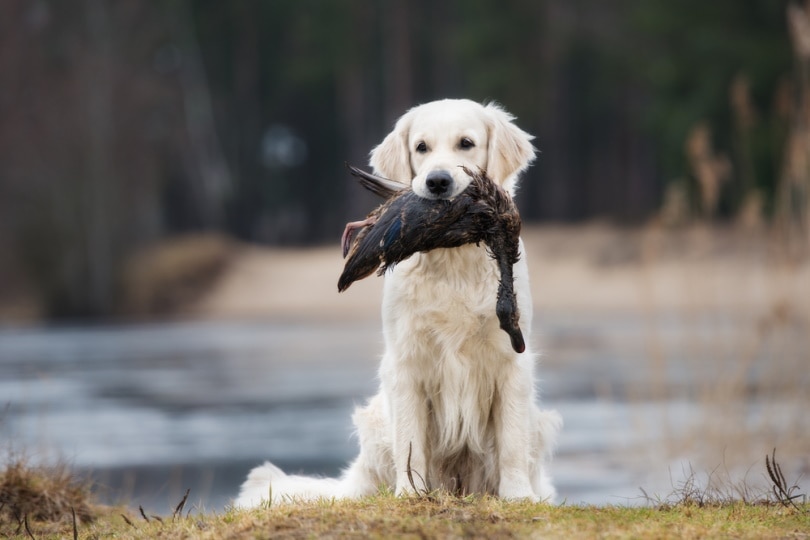
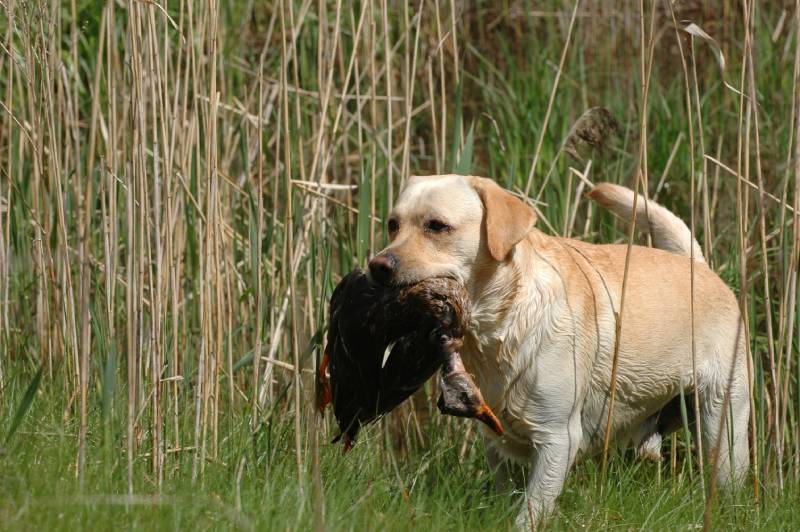
You’re out for a hike with your dog, who runs away ahead of you. This might not seem like a big deal; they do this all the time. But when you see your pup happily trotting back toward you on the trail, you see they’re not alone. A dead rabbit is hanging from their mouth…now what?
Does your dog need to go to the vet? Will it become aggressive and kill other animals now? How can you stop your dog from doing this again? Continue reading to discover what you should do after your dog kills a rabbit.

Should I Let My Dog Wander During Our Hikes?
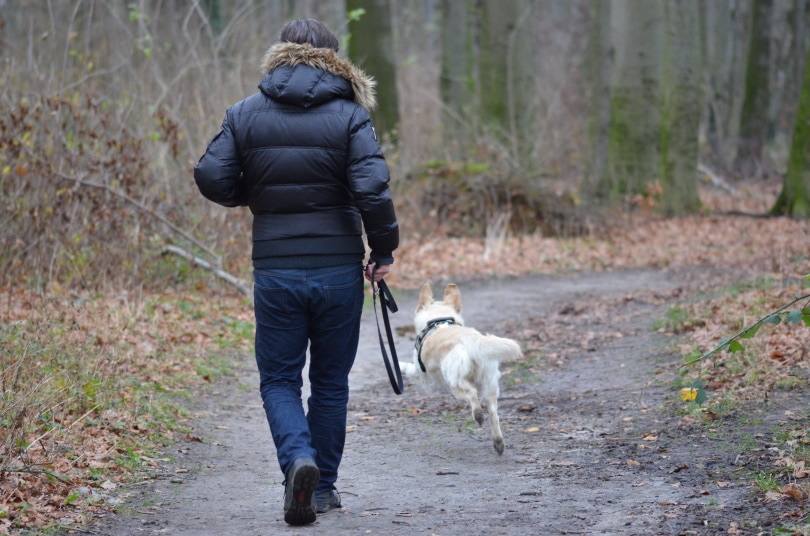
First of all, let’s discuss some of the most common misconceptions about letting your dog run free in the wild. At first glance, it may seem like a great idea; your dog will get plenty of exercise and tire themselves out so you can enjoy the rest of your afternoon. Not to mention, it’s also a great way for both of you to stay fit, and your dog will get plenty of mental stimulation as well, sniffing happily during your walk in the woods.
However, there are other even more important factors to consider. If your dog is young and bouncy, has a strong hunting instinct, or is going through their teenage rebellious stage of finding everything more interesting than you, especially with so many appealing wildlife smells, it may be better to keep them on a lead or start puppy training and recall classes.
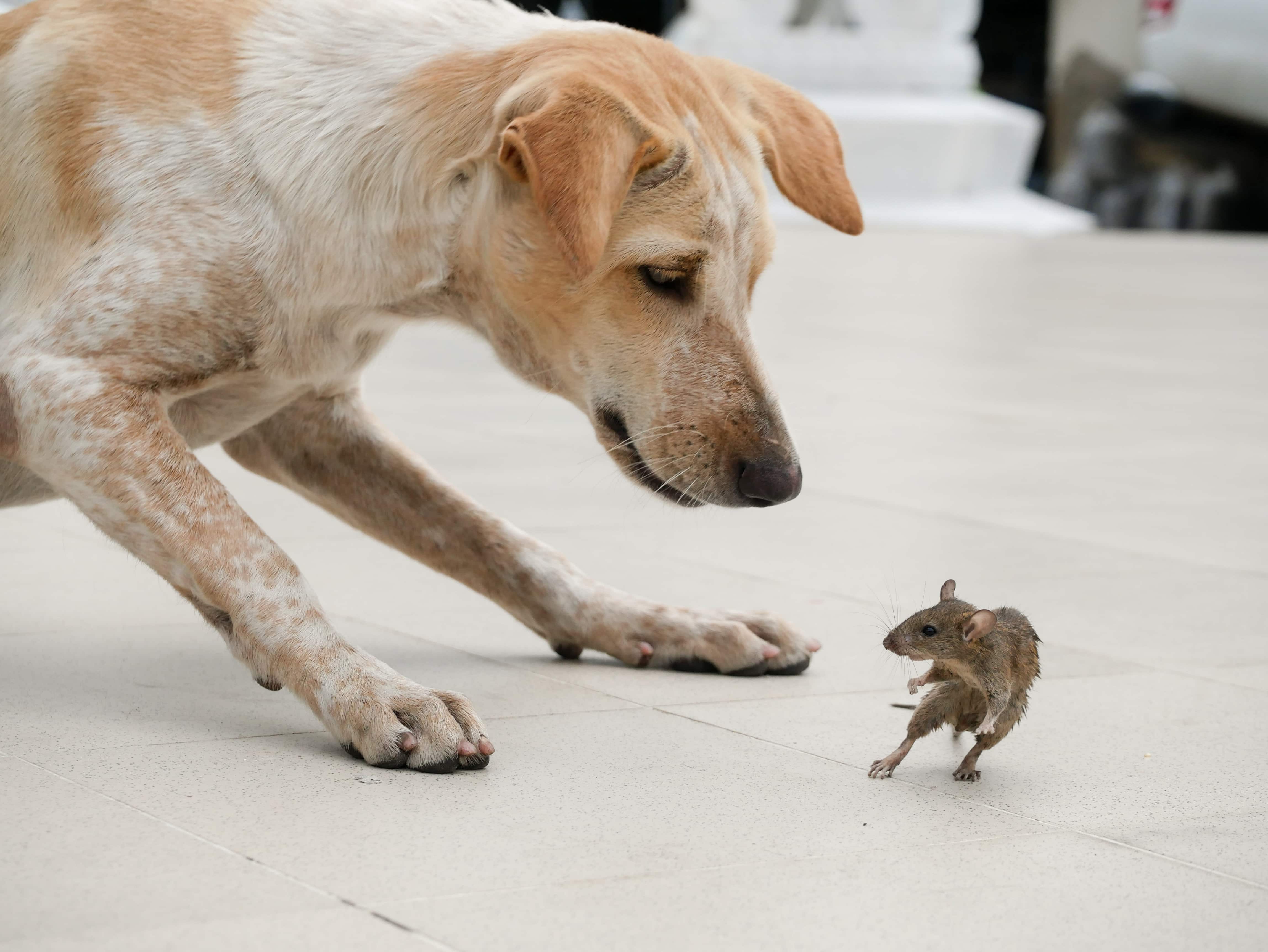
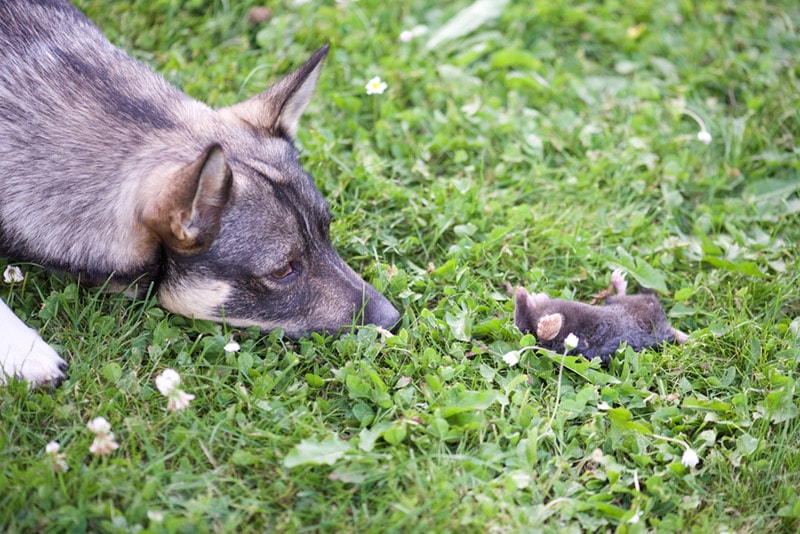
When your dog runs off chasing wildlife, they can get lost, run into the road and get seriously hurt, or endanger other people and their pets, and no one wants to experience an unpleasant and dangerous situation like that. Chasing wildlife should never be a method of physical exercise for your dog, as this isn’t appropriate or ethical. Many wildlife species, like rodents and birds that nest on the ground, are already struggling for survival due to loss of habitat, and getting chased by dogs does not help.
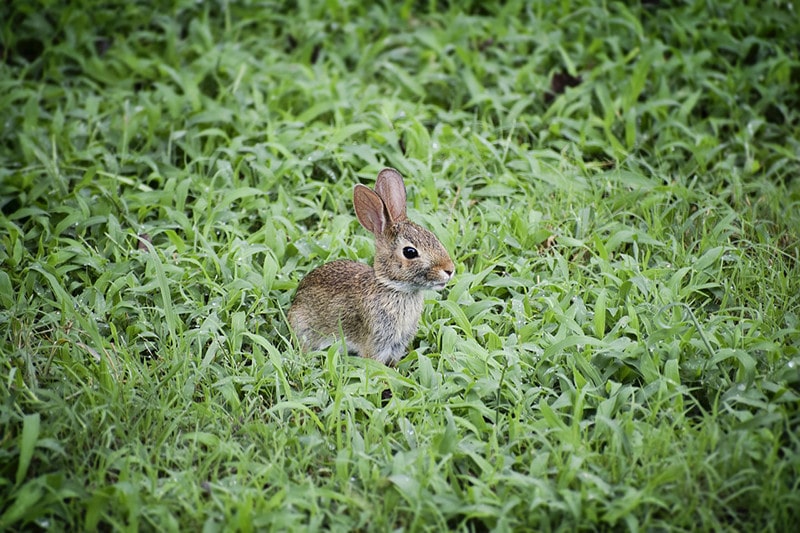
Some of the species your dog might catch could be on the list of protected and endangered species, and you may even end up with a fine. Some wildlife species can even injure your dog, sometimes fatally. But even if they are just a ‘common’ species, such as a wild rabbit, there is no excuse for letting your dog chase them, potentially causing severe injuries or prolonged suffering instead of instantaneous death. Of course, some may argue that many dog breeds are bred purely for hunting and this instinct is strong. Luckily, there are sports and other ways to use these instincts in a much safer way. You can train them to exhibit this behavior in controlled conditions.

The 7 Steps When Your Dog Kills a Rabbit
1. Control the Prey Drive and Don't Be Fooled: Your Dog Will Do It Again
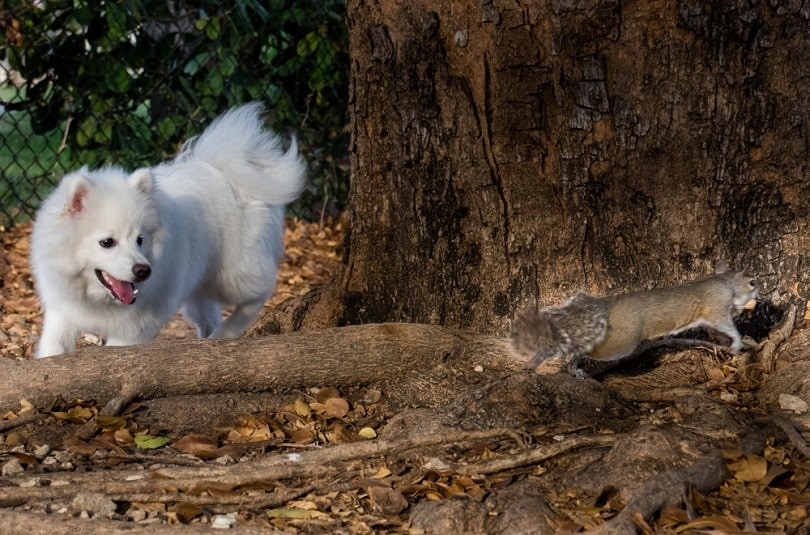
Your dog is a descendant of wolves and is considered an apex predator, so it’s in their nature to hunt. However, this can also be dangerous for you, your dog, and other hikers, and is extremely damaging to wildlife, as we already discussed. If you want to avoid finding another tiny animal corpse in your dog’s mouth, you can take some steps to control their prey drive. Never punish your dog, as all they have done is followed their instincts, and you are the one responsible for their behavior getting out of hand.
Punishment will only leave a negative impact on your pooch and your trusting and loving relationship might be compromised irreversibly. This is no longer a recommended training method, as there are more appropriate, safe, and successful alternatives. Always keep them on a leash when hiking or at the dog park. This allows you to keep a secure hold on your dog so they can’t go off alone into the bushes and get into trouble. Only let your dog loose in an open area if you have 100% confidence in their recall.
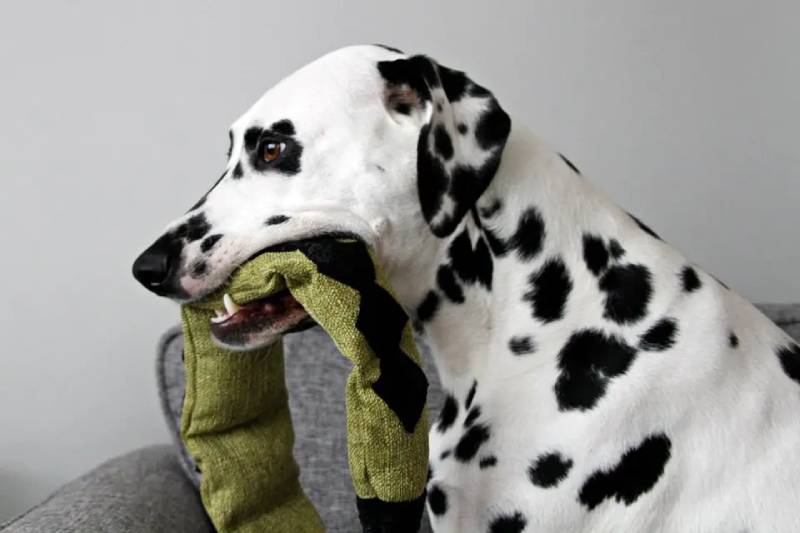
Learn how to read your dog’s body language. Your pup will get tunnel vision when they see something they want to chase and capture, so once they set off to get their prey, there is very little chance that you’ll get them back. Watch for subtle signs like how your dog’s ears are positioned on their head and if they stop moving suddenly. A dog about to set forth on a chase often has their ears facing forward, unblinking eyes, and sudden body stillness. You may only have a few seconds, so you’ll need to react immediately when you notice this body language. Running after your dog in this situation will likely just cause them to bolt away even quicker, but teaching them good recall and using positive reinforcement with treats or toys will help you stop them from running off. The process is gradual and slow and often needs input from a canine behavioralist and trainer. It should first be practiced in calm conditions without any distractions.
Your dog might be otherwise a gentle, cuddly soul, but when it comes to chasing wildlife, do not be mistaken: if they have done it once, they will do it again. Weeks or months may pass, giving you that false sense of security, but at first sight of a wild animal, your pooch will be off again. It gives them the thrill of the chase, and some dogs can be more challenging to train to control this instinct.
As we have already discussed, chasing wildlife should be seriously discouraged. Sporting games, such as agility and dog training classes in controlled conditions, could be another way for your dog to utilize all that energy. Finally, another way to try controlling your pup’s prey drive in a safe and controlled way could be using a flirt pole. This is a great toy that helps convert your dog’s natural prey-drive instinct into a mental exercise. Walking on a lead or teaching your dog infallible recall so they don’t run off after wild animals is the only way to make sure this doesn’t happen (again).
2. Protect Yourself and Your Dog from Various Transmissive Diseases
Never touch a rabbit carcass or tissue with bare hands. If you have already tried to remove a part of it from your dog’s mouth, make sure you wash your hands immediately and contact your doctor for advice if you have any concerns, such as skin wounds or a compromised immune system. Rabbit carcasses and tissues can be contaminated with many bacteria, viruses, fungi, and parasites that can cause illness in both people and dogs. Some of these are tularemia, Mycobacterium avium complex of diseases, salmonellosis, encephalitozoonosis, campylobacterosis, and ringworm. You are also at risk of catching the plague by handling these tissues if they are infected.
Of course, your dog will not be thinking about this risk while carrying a carcass in their mouth. Make sure you contact your vet for advice and monitor them closely for any signs of illness, such as skin changes and hair loss (in case of parasitic and fungal skin disease) and signs of gastrointestinal upset or respiratory issues, all of which will need veterinary attention.

3. Watch for Signs of an Upset Stomach
Dogs that love exploring during a hike and end up eating wild animal tissues are at risk of developing a stomach upset. This can manifest as vomiting, diarrhea, sometimes with blood and straining, reduced appetite, lethargy, or painful abdomen or constipation, depending on what they have eaten. Fur and bones in particular can lead to a gastrointestinal blockage in some dogs.
Bacteria and viruses from rotting flesh can also cause a significant infection in your pup, leading mostly to signs of gastroenteritis. If you think your dog has eaten a carcass or part of one, it is important to contact your vet for advice and keep a close eye on your dog for any changes in their demeanor or signs of illness. If your dog becomes unwell, they will require prompt veterinary attention.
4. Watch for Signs of Tularemia
Tularemia (also known as rabbit fever) is a rare bacterial disease in dogs after exposure to an infected rabbit, rodent, or insect. It can be transmitted by eating an infected animal's tissues or bodily fluids, drinking contaminated water, or getting bit by some blood-sucking insects.
The most common signs of tularemia include:
Most healthy dogs can fight the infection and only develop mild symptoms.
Early diagnosis and treatment are critical for recovery. If you know your dog has killed a rabbit and start seeing them exhibiting any of the above signs, it's time to contact your vet promptly. Your dog will likely need an antibiotic to fight the bacteria.
You must protect yourself if your dog has tularemia, as it can be transmitted to humans. Wear gloves when disposing of your dog's feces and maintain proper hygiene practices. People can become exposed to this disease from tick bites and drinking contaminated water, or from bites and scratches.

5. Keep an Eye Out for Tapeworms
Many wild animals are infested with tapeworms, including rabbits. If your pup has ingested any part of the rabbit, you'll need to keep your eyes peeled for signs of a tapeworm infestation. Tapeworms are intestinal parasites that anchor themselves to the wall of the small intestine. Though tapeworms typically do not cause any severe health issues for adult dogs, the same is not true for puppies. A heavy infestation could cause stunted growth, intestinal blockages, and anemia.
The signs of a tapeworm infestation include:
If your dog has eaten a rabbit, the vet will likely recommend a tapeworm dewormer to be on the safe side.
6. Watch for Fleas and Ticks
Rabbits commonly carry fleas and ticks, and if your pup has come into physical contact with a rabbit, there may be a chance it was exposed to these parasites.
Only one type of flea infests rabbits but can be passed to other animals through contact. The Spilopsyllus cuniculi have a propensity for rabbit ears but this flea is only found in Europe and Australia in wild rabbits.
Rabbits also can carry the plague. Yes, that's the same plague that killed up to 60% of the human population in the 1300s. The plague is a disease spread by fleas and contact with contaminated fluids and tissues and it can affect humans and mammals.
Signs of flea infestation in dogs include:
The plague can sometimes be fatal, so seeking treatment as soon as possible is essential. Since it is highly contagious, your dog will need to be isolated, and infection control measures should be implemented to protect you and the other household pets.
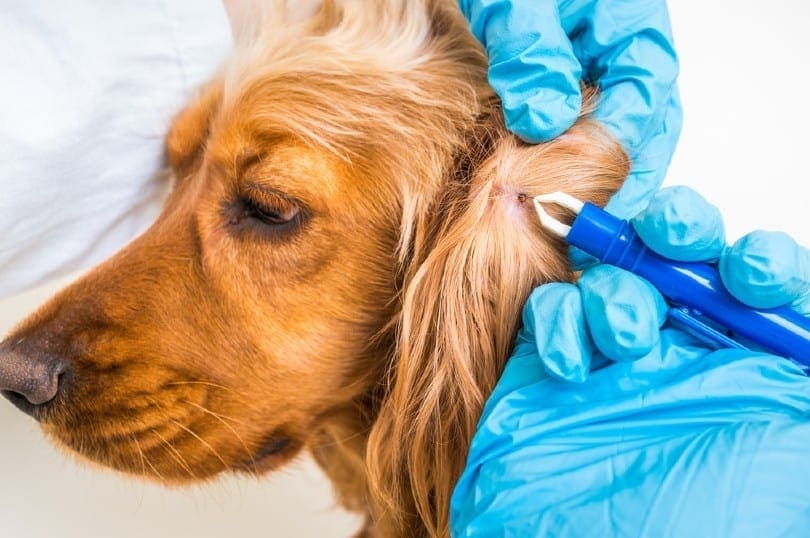
Wild rabbits can also get ticks, and dogs are very susceptible to tick bites and tickborne diseases. However, bites can be difficult to detect, and you may not notice signs of illness for up to three weeks afterward, so keep a close watch on your pup for any changes in its behavior or appetite.
7. Make Sure Your Dog Is Regularly Checked by the Vet
In order to keep your pooch healthy, especially when they come in contact with other animals or pets that may be ill or unvaccinated, make sure you keep up with their routine vet checks. Vaccines protect your pup against preventable diseases and stop transmission between animals. Your vet will tell you about the required vaccinations and their annual schedule, as well as recommend frequent preventative flea, tick, and worming treatment.
Final Thoughts
Letting your dog chase and/or kill wild animals, including rabbits, is strongly unethical and damaging to the wildlife, and will teach your dog some very bad habits. There are also significant risks for your dog, such as getting lost or injured, or contracting a serious illness, putting their health and yours on the line.
While it’s unlikely that your dog will become severely ill from killing a rabbit, it doesn’t hurt to know the most common diseases and signs to look for. If your pup exhibits atypical behavior or just doesn’t seem quite right, don’t hesitate to call your vet straightaway. Prompt medical attention should clear up any signs and get your pup back to their usual self in no time. And don’t forget to protect yourself as well, as we are not immune to many illnesses carried by wild animals.
Featured Image Credit: Barna Tanko, Shutterstock
Get Hepper In Your Inbox


Pet care tips from our vets and experts, straight to your inbox.
You may opt-out at any time. View our Privacy Policy for more information.
Chantelle's life revolves around two passions: writing and animals. Raised on the prairies of Canada amidst a menagerie of pets, she now lives with five cats, two guinea pigs, and a bearded dragon. Together with her husband and child, Chantelle delights in being an exemplary animal parent, going as far as installing wall-mounted cat shelves to give their cats an indoor playground. When she's not cozying up with her cats or snapping their amusing antics, she enjoys venturing into the Rocky Mountains, binge-watching her favorite Netflix shows, and indulging in spontaneous reading adventures.
Join the conversation
Ask a question, share your story, or send private feedback.