Hepper is reader-supported. When you buy via links on our site, we may earn an affiliate commission at no cost to you. Learn more.
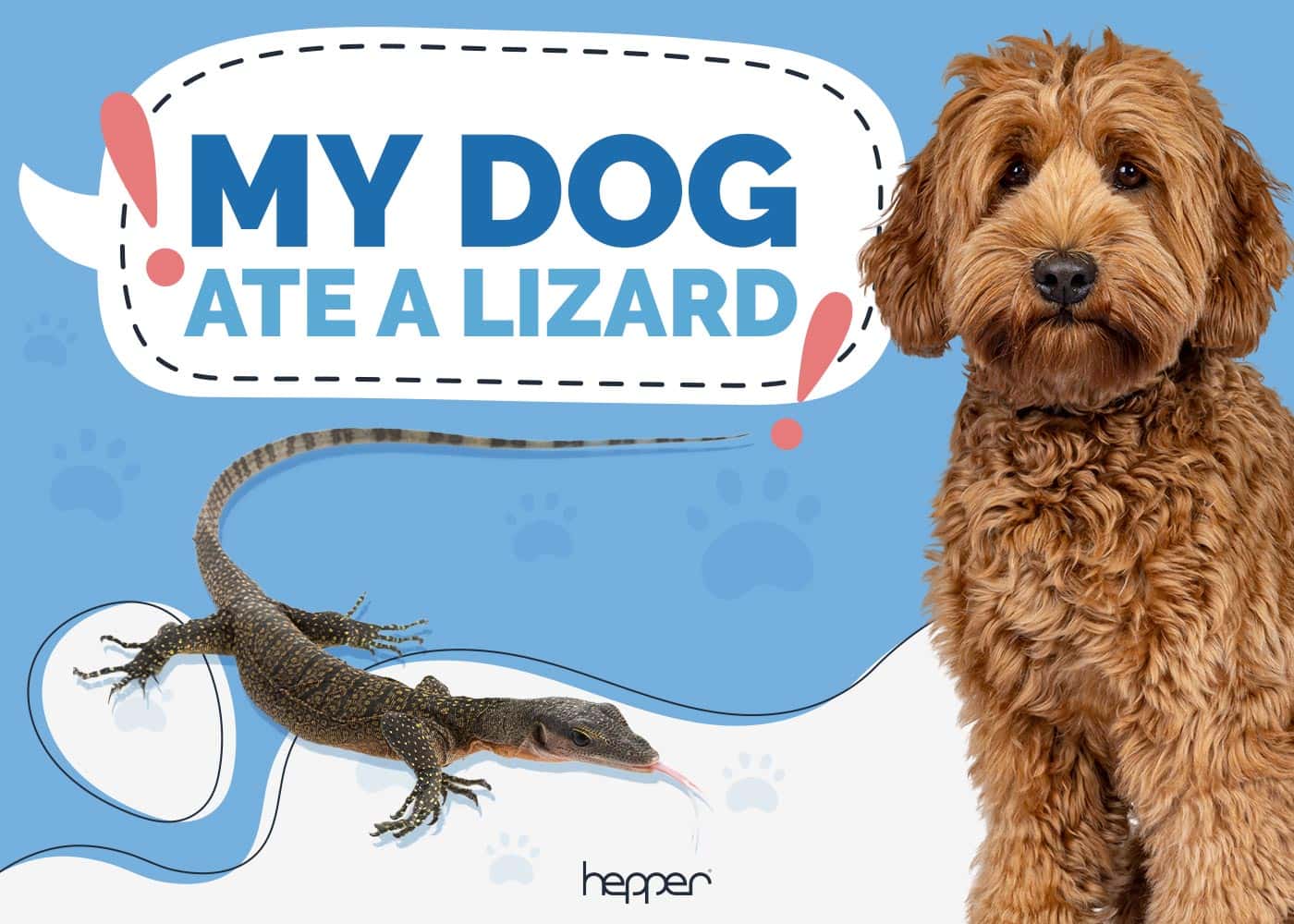
My Dog Ate a Lizard: Vet-Approved Advice & FAQ


In this article
Dogs can exhibit many curious behaviors, and one of them is eating just about anything in their path, some of which can bring some concern to a loving owner. This time you may notice a pair of guilty eyes and a thin tail hanging from your dog’s mouth, which would reveal that an innocent lizard has succumbed to your dog’s curiosity.
While you may feel for the lizard, your concern is primarily about your dog’s health and what you should do as an owner now that your dog has eaten a lizard. You should pay close attention to your dog’s health in the following hours. You need to monitor them for stomach issues, including diarrhea and vomiting, and if they show any signs of illness, you will need to get your dog to the veterinarian. If you are concerned about the toxicity of the lizard or are in doubt, it's best to contact our vet immediately.

What Should I Do If My Dog Ate a Lizard?
Some lizards may have a venomous bite, but most species in North America are not toxic, or the toxin is generally too mild to cause any serious harm to your dog. Your dog is unlikely to try and eat the large venomous species of lizards such as Gila monsters or monitor lizards. However, while these are usually docile species, if they do bite their venom can seriously harm or kill a dog so it is important you keep your pet away from them if they live in your area.
Monitoring Your Dog
If your dog eats a lizard, you should watch them closely for the next few hours to monitor for any signs of discomfort or sickness. If your dog doesn't exhibit any signs, they are most likely okay. In some cases, your dog may vomit once to bring up the lizard. If your dog seems well, you can offer water to stay hydrated and bland food for at least 8 hours afterward.

Veterinary Assistance
If the situation is more serious, and your dog begins to throw up, seems lethargic, has no interest in eating, and is generally unwell, you should visit your veterinarian right away. If you are concerned that the lizard is venomous or poisonous, you can also call the Pet Poison Hotline. On that note, you can call the poison hotline if your dog has consumed anything you are unsure of.
The signs of an adverse reaction could show almost immediately, and sometimes they can take longer for example if they have picked up parasites or salmonella. Monitor your dog and get your veterinarian's expert opinion if necessary.
Possible Treatments
Treatment will vary depending on the signs your dog is showing, as well as their age, size, weight, and when the lizard was ingested. Rarely your vet may induce vomiting or they may administer intravenous fluids to keep your dog hydrated if they have experienced a lot of vomiting and diarrhea. If your vet is concerned about parasites, they may administer deworming medication.

What Can Happen to My Dog from Eating a Lizard?
Your dog’s reaction to eating a lizard depends on the species and quantity they consumed and other factors like their age and size. Toxicity is rare as the small lizards that are easy for dogs to eat like the tiny gecko or anole are not poisonous. However it's still important to watch out for any concerning signs if your dog ate a lizard such as:
- Vomiting
- Nausea
- Weakness
- Lethargy
- Dizziness
- Loss of appetite
- Extreme salivation
Parasites and salmonella are usually the areas of concern when your dog ingests a lizard, but dogs rarely get them from eating lizards. Most dogs will be fine after eating lizards and typically vomit them up, but that doesn’t necessarily mean there will never be adverse side effects.
Lizards may carry parasites, some of which could be passed on to your dog when they eat the lizard. These include hookworm, roundworm, and pinworm. The signs caused by parasites won’t show up right away and may include the following:
- Diarrhea
- Vomiting
- Lethargy
- Dehydration
- Weight loss
- Swollen abdomen
Another potential issue with your dog eating a lizard is salmonella. Salmonella is a bacteria carried on the skin and in the guts of some lizards, which can affect your dog's gastrointestinal tract. Salmonella will often not cause problems in dogs unless they’re still puppies or have a weakened immune system. However, your dog can still spread the disease, which can infect humans.
Signs of salmonella can include:
How to Prevent Your Dog from Eating Lizards
While your dog will mostly likely be fine after eating a lizard, it's best not even to take the risk.
Here are some tips to prevent your dog from eating lizards:

In Conclusion
Although eating lizards can pose risks to your dog's health, it is not always an emergency if your dog eats one. If your dog snacks on a lizard, you should monitor them for a few hours and watch for any signs of illness. You’ll need to get them to your veterinarian immediately if they display any troubling signs.
Their reaction will depend on the type of lizard your dog ate, so it's helpful to research the lizards in your area. Thankfully, toxicity is rare but not impossible, so calling your vet or pet poison hotline will provide expert advice. You should remain vigilant and act immediately if needed.
Sources
https://www.hillspet.com/pet-care/healthcare/are-lizards-poisonous-to-dogs-and-cats
https://www.akc.org/expert-advice/health/the-common-signs-and-symptoms-of-poisoning-in-dogs/
https://blog.healthypawspetinsurance.com/are-lizards-poisonous-for-dogs-and-cats-to-eat
https://www.petmd.com/cat/emergency/poisoning-toxicity/what-do-if-your-cat-eats-lizard-or-frog
https://vcahospitals.com/know-your-pet/internal-parasites-in-dogs
https://www.petmd.com/dog/conditions/digestive/salmonella-dogs
Featured Image Credit: Mylene2401, Pixabay
Get Hepper In Your Inbox


Pet care tips from our vets and experts, straight to your inbox.
You may opt-out at any time. View our Privacy Policy for more information.
Christian Adams writes for Hepper, sharing practical advice and expert insight for cat owners.
Join the conversation
Ask a question, share your story, or send private feedback.