Hepper is reader-supported. When you buy via links on our site, we may earn an affiliate commission at no cost to you. Learn more.
My Dog Killed a Mole: 4 Vet-Reviewed Tips on What to Do Next


In this article
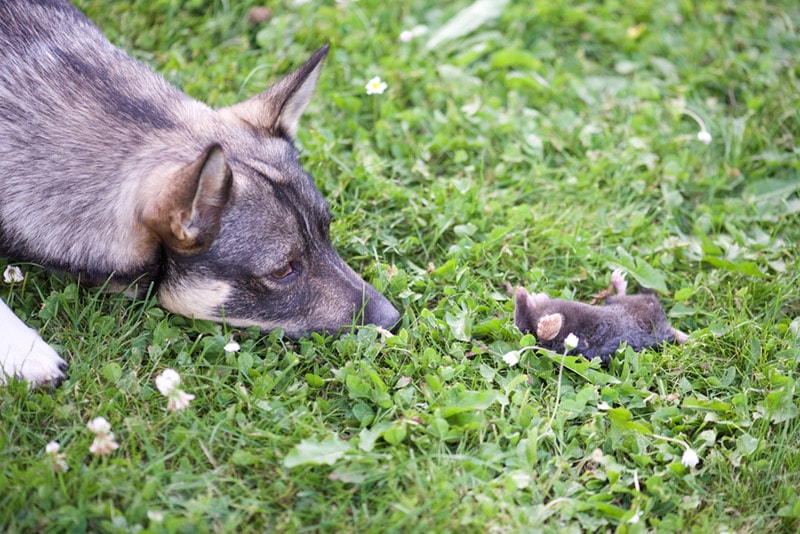
Moles are interesting animals, but they tend to be a nuisance to some homeowners. Dogs, however, find them exciting and many like to dig them out. If your dog is like most, they probably won’t hesitate to pick up a mole and even kill it in the yard if they get the opportunity to.
So, what should you do if your dog kills a mole? Read on to find out.

The 4 Tips on What to Do When Your Dog Killed a Mole
1. Understand the Possible Dangers and Act Accordingly
Fortunately, there isn’t a huge health risk to your dog when they kill a mole if they are fully vaccinated (especially for rabies) and treated for parasites, like ticks and fleas. The risk of rabies seems very low to negligible, although scientific data and research on this is quite limited. However, medical professionals suggest that moles are very unlikely to transmit rabies.1
Dogs can also get an upset stomach if they eat a mole after killing it. This may cause signs of vomiting, diarrhea, constipation, straining to defecate, or, in some cases, even a blockage of the stomach or intestines in smaller dogs or those who swallowed the carcass whole.
Therefore, it is important to make sure your dog is up to date on their vaccines before they spend any time outside where they can encounter wild animals or drink stagnant water. It is also important to use a veterinary-approved flea-and-tick treatment regularly, as ticks can transmit diseases such as Lyme and anaplasmosis, and fleas may carry tapeworms.
You should avoid using mole poisons because if a mole eats poison and your dog eats the mole, there is a chance that your dog will be exposed to the poison as well. Finally, make sure to speak to your vet about the above-mentioned risks, particularly if your dog is showing signs of lethargy, reduced appetite, or stomach upset.
2. Prevent the Dog From Eating the Mole
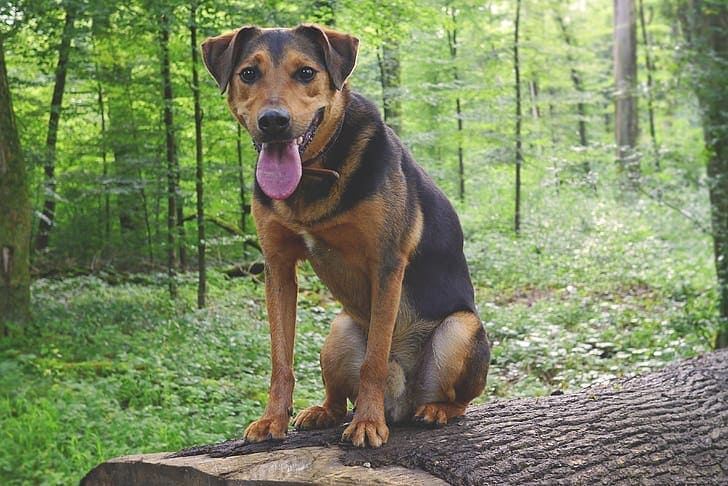
As soon as you realize that your dog has caught or killed a mole, it is best to get them on a lead and away from the mole. If you dog is trying to eat it and you feel comfortable opening your dog’s mouth safely, remove the mole from their mouth as best as possible to try and spare them a stomach upset, but be mindful not to get bitten yourself, as some dogs may be too quick to swallow knowing their “reward” will be taken away.
It would be best to do this using gloves. It’s important to train the dog to drop things from their mouth on command and then reward them with treats or toys afterwards. During hiking or walks in the forest, it’s best to keep your dog on a lead due to the presence of wildlife, as they may get injured or lost if they try to chase them, and they are causing stress to the wild animals in the process.
3. Remove the Mole From Your Property
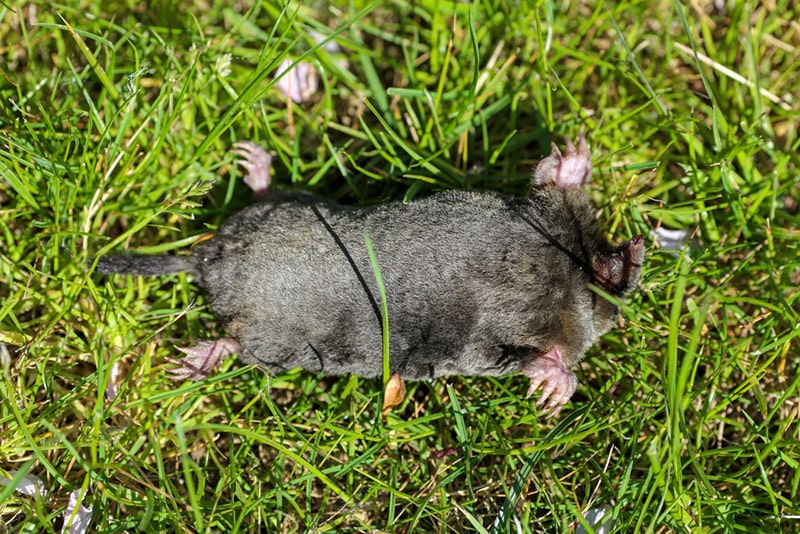
It is crucial to remove the mole that your dog kills as soon as possible. The smell of a dead mole can get bad quickly and attract other animals to your yard, so don’t wait until the next morning. Also, your dog will return to the same spot the next day to make sure you haven’t left anything behind. Wear a pair of heavy-duty gloves when handling the mole, and wash your hands afterwards.
Put the mole in a large, durable garbage bag, and carefully secure the bag closed. You can throw the bag in your garbage bin, but make sure the bin has a latching lid so your dog or other animals can’t get into it while unattended. Alternatively, you can have a pest control specialist come out and get rid of the mole for you.
In most states and countries, moles are not a protected species but considered a pest; however, do consult your local legislation about the legal and humane ways to manage a mole problem, as animal suffering should be avoided at all costs and may be punishable by law.
4. Consult With Your Veterinarian
Even if everything seems okay, it is a good idea to consult with your veterinarian after your dog kills a mole, whether they eat any of the animal carcass or not. The vet can provide you with a list of signs to look for depending on your specific situation and advise you of treatment options if your dog gets a stomach upset. If your dog isn’t up to date on their vaccinations, your vet will recommend getting them done, particularly if your dog spends a lot of time outdoors and may be at increased risk of certain illnesses, such as leptospirosis.

The 3 Tips for Keeping Moles Out of Your Yard
It can be tough to keep moles out of the yard, especially if you have a large yard near woodlands or meadows. However, there are a few things that you can do to minimize the risk of moles turning your yard into their home. Here are a few options to consider, but remember to avoid animal suffering in the process and check the legislation for your particular state or country.
1. Install an Underground Fence
The first thing that you can do is have an underground fence installed around the area of your yard so the moles have a harder time getting in. This type of fence runs about 24 inches into the ground so moles cannot dig their way into the space that you're protecting. However, the fence may need to go deeper, as moles can dig up tunnels up to 40 inches under the ground. The fences also stand above the ground so moles can't climb over them. Speak to a specialist about different types of fencing for keeping moles out of your garden, such as wire, perimeter, electric, or sonic repellent fences.

2. Introduce an Owl Nesting Box
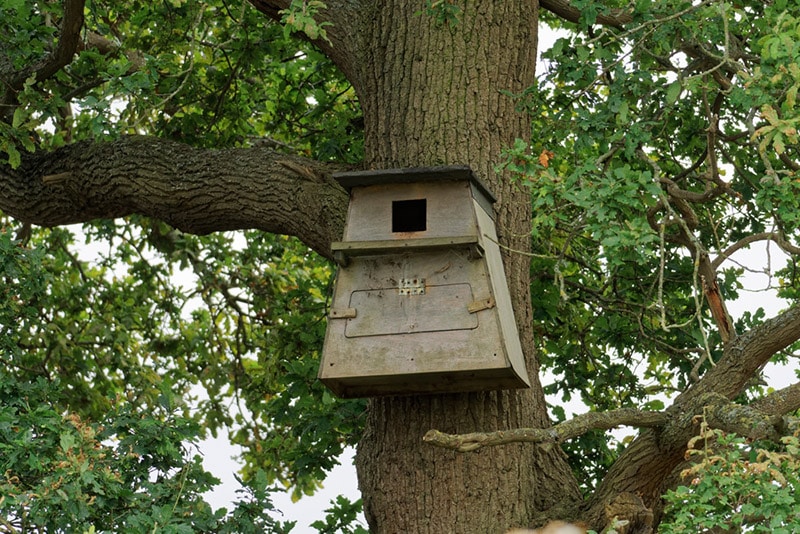
Owls like to prey on moles, so if you can get an owl or two to make your yard their hunting ground, they may take care of any potential mole infestation for you. By placing an owl nesting box in a tree in your yard, you may naturally attract owls. These birds can also help take care of other rodent problems that might be a concern for you. However, owls, particularly larger species such as Great Horned Owls, may also prey on smaller dogs, puppies, and cats, so this is not always a safe or appropriate solution. They may cause significant injuries to your dog (or cat), and in cases of larger dogs, the owl may end up getting injured or killed as well.
3. Work With a Pest Control Specialist
Owls like to prey on moles, so if you can get an owl or two to make your yard their home, they may take care of any potential mole infestation for you. By placing an owl nesting box in a tree in your yard, you can naturally attract owls. These birds can also help take care of other rodent problems that might be a concern for you.

Conclusion
Moles can be a nuisance, but dogs think that they’re fun to chase. Once a dog catches a mole, chances are that it will get killed or badly injured. If it’s still alive, take them to your vet for humane euthanasia. Now that you know more about keeping moles out of your yard and what to do if your dog kills a mole, you’re prepared to handle this situation should it happen to you.
Related Read:
Featured Image Credit: M G White, Shutterstock
Get Hepper In Your Inbox


Pet care tips from our vets and experts, straight to your inbox.
You may opt-out at any time. View our Privacy Policy for more information.
Rachael has been a freelance writer since 2000, in which time she has had an opportunity to research and write about many different topics while working to master the art of fusing high-quality content with effective content marketing strategies. She lives off the grid in Hawaii with her husband, her garden, and her rescue animals including 5 dogs, a cat, a goat, and dozens of chickens. She is an artist at heart and loves to read, paint, and make jewelry in her spare time. As a vegan, Rachael is obsessed with helping animals in need both in her community and anywhere in the world where she feels she can make a difference. Animals also happen to be her favorite topic to write about!
Join the conversation
Ask a question, share your story, or send private feedback.