Hepper is reader-supported. When you buy via links on our site, we may earn an affiliate commission at no cost to you. Learn more.
My Dog Killed a Rat! 5 Vet-Reviewed Tips on What to Do Next


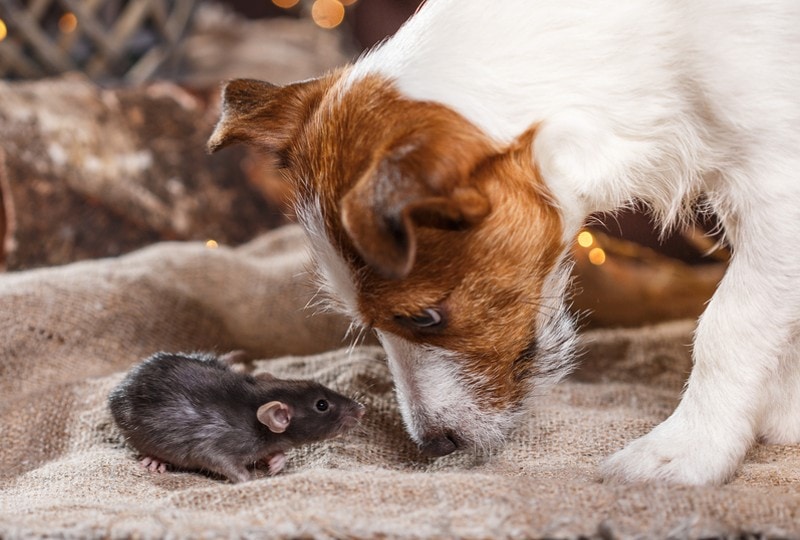
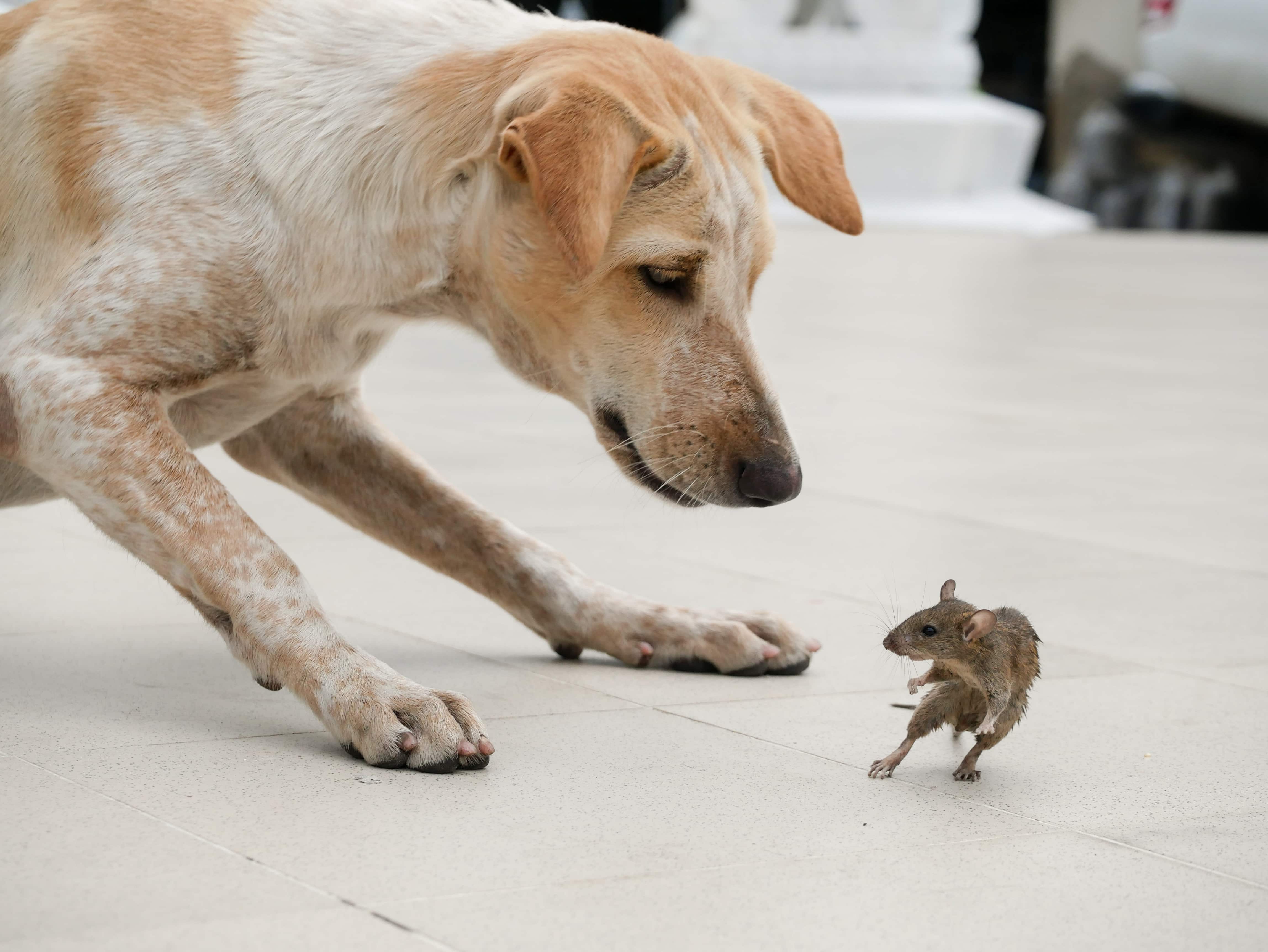
If you've recently found your dog proudly carrying around a dead rat, you may be wondering what are the reasons for this behavior and the potential risks associated with it. It can be normal for some dogs to have a strong hunting instinct, depending on their breed, which can result in catching and even eating rodents. If you're concerned about whether or not your dog is at risk of catching a disease from the rat, or if you have a rat problem in your home, read on for some tips on what to do next.

The 5 Vet-Reviewed Tips on What to Do If Your Dog Killed a Rat
1. Don’t Panic!
There's no denying that some dogs have a strong predatory nature. After all, they are descended from wolves—one of the top apex predators in the animal kingdom. There are many sporting and hunting breeds of dogs that were bred and trained to assist in hunting, pursuing, and retrieving games, while terrier breeds were bred to go underground in search of rodents.
Terriers are well-known and fairly popular breeds. They are small dogs with inquisitive, feisty characters that don’t back down from a fight. They have that strong hunting instinct and the thrill of the chase. While it may be disturbing to us as pet owners, we must remember that this is part of a dog's nature. However, there are potential risks such as injuries and disease transmission that every pet owner should be aware of if their dog has a tendency to catch or eat rodents.

2. Deal with Your Rat Problem
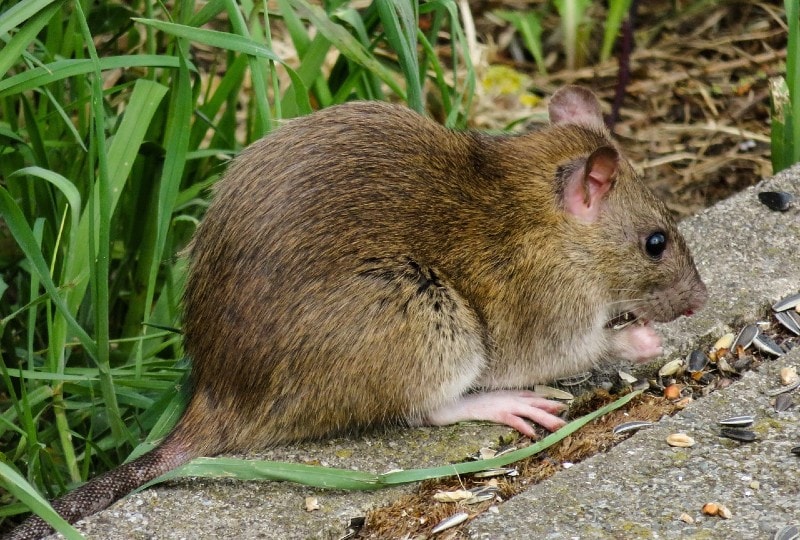
Rats breed like…rabbits. Actually—they breed faster than rabbits, so if you don’t deal with rats when they first move in you will very soon be dealing with a much bigger infestation. You may have to get the exterminators in to handle your rat problem. However, you could also consider getting a cat to team up with your dog to create a formidable duo. In a 2017 study, the University of Florida Institute of Food and Agricultural Sciences found that having either a dog or a cat doesn’t significantly reduce the rat activity around a farming property, but pairing the two together sends fear into rats and causes them to avoid their nemeses’ home turf.1 One disadvantage of this approach is also the impact that cats may have on local wildlife, as they may not distinguish between different rodent and bird species, some of which may be endangered.
3. Don’t Let Your Dog Eat the Rat
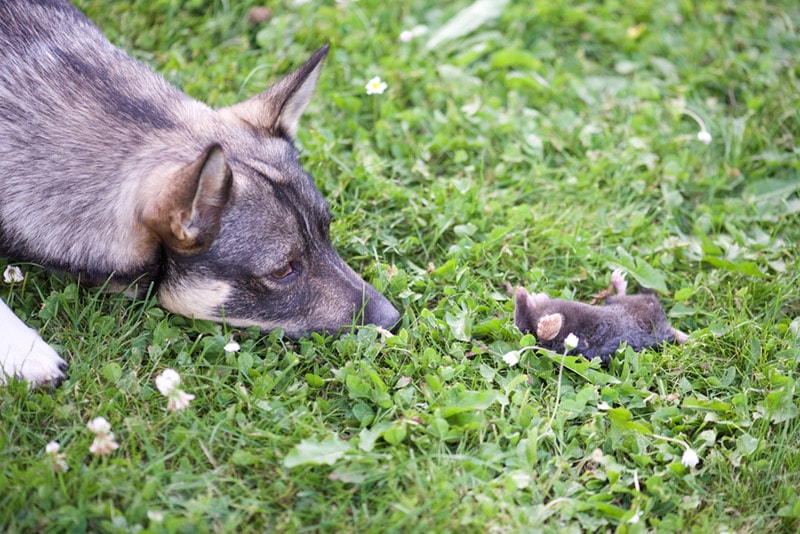
Your dog may have killed the rat, but that doesn’t mean that the rat wasn’t already dying and it could be dangerous to your dog. After a rat eats poison, it can take 2–3 days or more for them to die, and during this time, it will become slower and slower, making them easier for a dog to catch. If your dog eats a poisoned rat, they too may ingest a small amount of poison and could become sick, depending on their body weight and the amount of poison or rats they ate. So, when you discover your dog has killed a rat, try and get the rat away from them quickly and quietly, avoiding any tussle with your dog over their kill. If they have still managed to eat the rat, it’s best to give your vet a quick call so they can discuss what signs to look out for, in case of various rat poisons, particularly if you or your neighbors have put any rodenticide down recently.
4. Clean Up
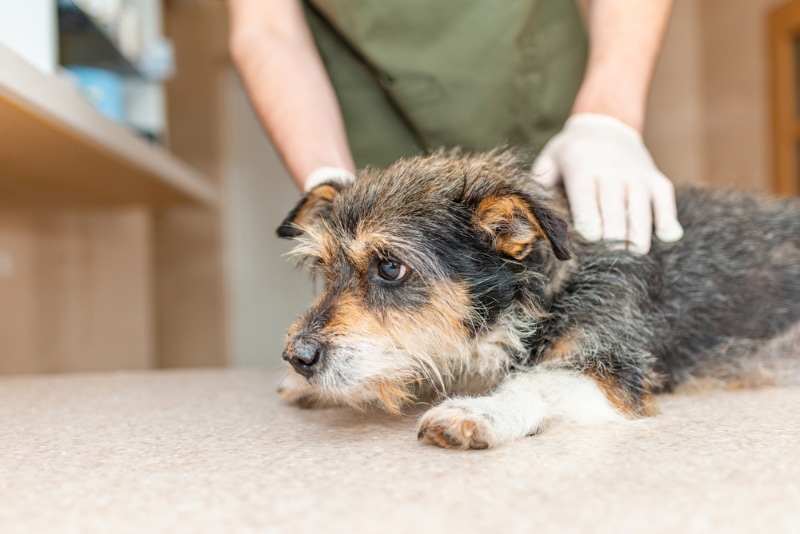
You should dispose of the dead rat and clean up any mess avoiding direct contact with the rat and its blood. If you think your dog has eaten a dead rat—either partially or whole—the first thing you should do is call your veterinarian. They will likely want to bring your dog in for an examination and may even induce vomiting to get the rat out of their system. In some cases, if they have eaten more than one rat, or if your dog is a toy or small breed, there is a small risk of secondary poisoning from eating a poisoned rat.
5. Keep an Eye on Your Dog
Although your dog may not have eaten a rat, they have still touched the rat either during the chase or in their mouth when they killed it. Depending on how your dog killed the rat there may have been blood spilled as well. Rats carry parasites, bacteria, and viruses, and, whilst rat-to-dog transmission of diseases is rare, it does happen.
Check your dog’s face and mouth for injuries in case the rat bit them in the process. If there is a wound, get them checked out by your vet.

The 6 Potential Diseases Carried by Rodents and Other Health Concerns
The CDC has a list of diseases humans can catch directly or indirectly from rodents; here are the diseases and injuries we should be most worried about when it comes to our dogs:
1. Leptospirosis (aka Weil’s Disease)
Leptospirosis is a disease that affects both animals and people, while it doesn't cause any obvious illnesses in rats who act as a reservoir. It is caused by a bacteria called Leptospira interrogans, which is found in water and soil. Leptospirosis is a serious disease that can be deadly for dogs. Signs of illness may include fever, vomiting, diarrhea, weakness, increased thirst and urination, weight loss, clotting issues, jaundice, stiffness, and many more. If you think your dog may have been exposed to leptospirosis or they are showing any signs of illness after recently having been in touch with a rat, take them to the vet immediately. Dogs can be infected with leptospirosis in a few different ways. The most common way is for a dog to come into contact with rat urine, either through drinking contaminated water or walking in it. The bacteria live inside a rat’s kidneys so when a dog kills a rat or eats a rat, they might become infected.
2. Tularemia or “Rabbit Fever”
Tularemia is a bacterial infection that affects animals and humans. The bacteria that cause tularemia are found in many animals, including rodents, rabbits, hares, and deer. Tularemia can be spread to dogs through contact with infected animals, drinking contaminated water, or through bites from blood-sucking insects that transmit tularemia, such as certain species of ticks, fleas, and mosquitos. Dogs can become infected by killing or eating infected rats. Signs of tularemia in dogs include fever, lethargy, weight loss, eye inflammation, enlarged lymph nodes, formation of abscesses, and others.
If your dog shows any of these signs, it's important to see a veterinarian right away. Early diagnosis and treatment are essential for a speedy recovery.
3. Rat Bite Fever
In North America, rat bite fever is caused by the bacteria Streptobacillus moniliformis which can live in a rat’s mouth and upper respiratory tract. Rat bite fever can be transmitted to humans and dogs through the bite or scratches of an infected rat. Symptoms in people include fever, lethargy, vomiting, muscle pain, skin rash, loss of appetite, and joint pain, while infections in dogs are actually quite rare. It’s not entirely clear if dogs would develop similar signs of illness as people do, but they may carry the bacteria and transmit it to humans often through bites. Dogs may catch rat bite fever from eating infected rats, coming into contact with food, water, or objects contaminated with rat urine, or being bitten by an infected rat. Whilst potentially causing health complications, typically rat bite fever is not dangerous to humans, but it can cause serious illness in young children, the elderly, and those with weakened immune systems.
4. Toxoplasmosis
Toxoplasmosis is a disease caused by a single-cell parasite Toxoplasma gondii. The parasite is found in many animals, including rats, and can infect dogs and humans. Although toxoplasmosis is not very common in dogs, they may be at risk of catching it by eating infected tissues, which certainly includes dead rats, or food and water contaminated with the oocysts produced by the parasite. Older and very young dogs, those not vaccinated against distemper or immunosuppressed dogs are at higher risk of getting sick. Signs of toxoplasmosis in dogs may include fever, lethargy, loss of appetite, and a wide variety of neurological signs such as muscle weakness, paralysis, incoordination, stumbling, stiffness, shaking, seizures, and others. In severe cases, the disease can be quite progressive. Treatment for toxoplasmosis generally includes antibiotics and supportive care.
5. Gastrointestinal Parasites
Rats may also be infested with various internal parasites such as roundworms and tapeworms, and external parasites such as fleas and ticks, that your dog may pick up by eating them or even just through close contact. Fleas and ticks may also transmit various pathogens after they have been feeding on rodents or other wild animals. Signs associated with gastrointestinal parasites include weight loss, abdominal pain, diarrhea, blood in the stool, vomiting, and others. If your dog is experiencing any of these signs, or they are scratching, suffering from skin irritation, or has eaten a rat, consult with your vet about the necessary precautions to keep your pooch safe.
6. Wounds
A rat may also bite your dog, which besides the risk of disease transmission, can also lead to skin or mouth wounds. If left untreated, these can get infected. Check your dog for any skin wounds or bite marks, and get them seen by the vet as they may require wound cleaning and a course of antibiotics.
Final Thoughts
In conclusion, some dog breeds have a more profound hunting instinct and may try to chase or kill rats. However, it's important to note that rats breed prolifically, and where there is one rat, there will be more. Although rats are carriers of many diseases, some of those diseases are not that common in dogs, but the risk is always there. Nevertheless, you should keep an eye on your dog and if they have been bitten by a rat or have eaten one, you should take your dog to be checked out by your veterinarian.
See Also: My Dog Has Killed a Possum!
Sources
Cats, dogs teaming up is best way to keep rodents away | ScienceDaily
Should you be concerned if your pet eats a rat or mouse? - Vetwest Veterinary Clinics.
Should you be concerned if your pet eats a rat or mouse? - AdelaideVet
Leptospirosis in dogs | American Veterinary Medical Association
Canine leptospirosis | Cornell University College of Veterinary Medicine
Dogs as vectors of Streptobacillus moniliformis infection? - PubMed
Rats, cats, people and parasites: the impact of latent toxoplasmosis on behaviour - ScienceDirect
Featured Image Credit: dezy, Shutterstock
Get Hepper In Your Inbox


Pet care tips from our vets and experts, straight to your inbox.
You may opt-out at any time. View our Privacy Policy for more information.
Nicole is a lover of animals of all sizes but is especially fascinated with the feline variety. She’s the proud mom of Baby, a Burmese, and works every day so he can relax in the sunshine or by the fire. She’s always had a cat in her home and has spent countless days with others, observing behaviors and softening up even the grouchiest of the lot. Nicole wants to share her kitty expertise with you so you and your cat can live happy, healthy, and care-free.
Join the conversation
Ask a question, share your story, or send private feedback.