Hepper is reader-supported. When you buy via links on our site, we may earn an affiliate commission at no cost to you. Learn more.
Norwegian Lundehund Dog Breed: Info, Pictures, Care & More
In this article
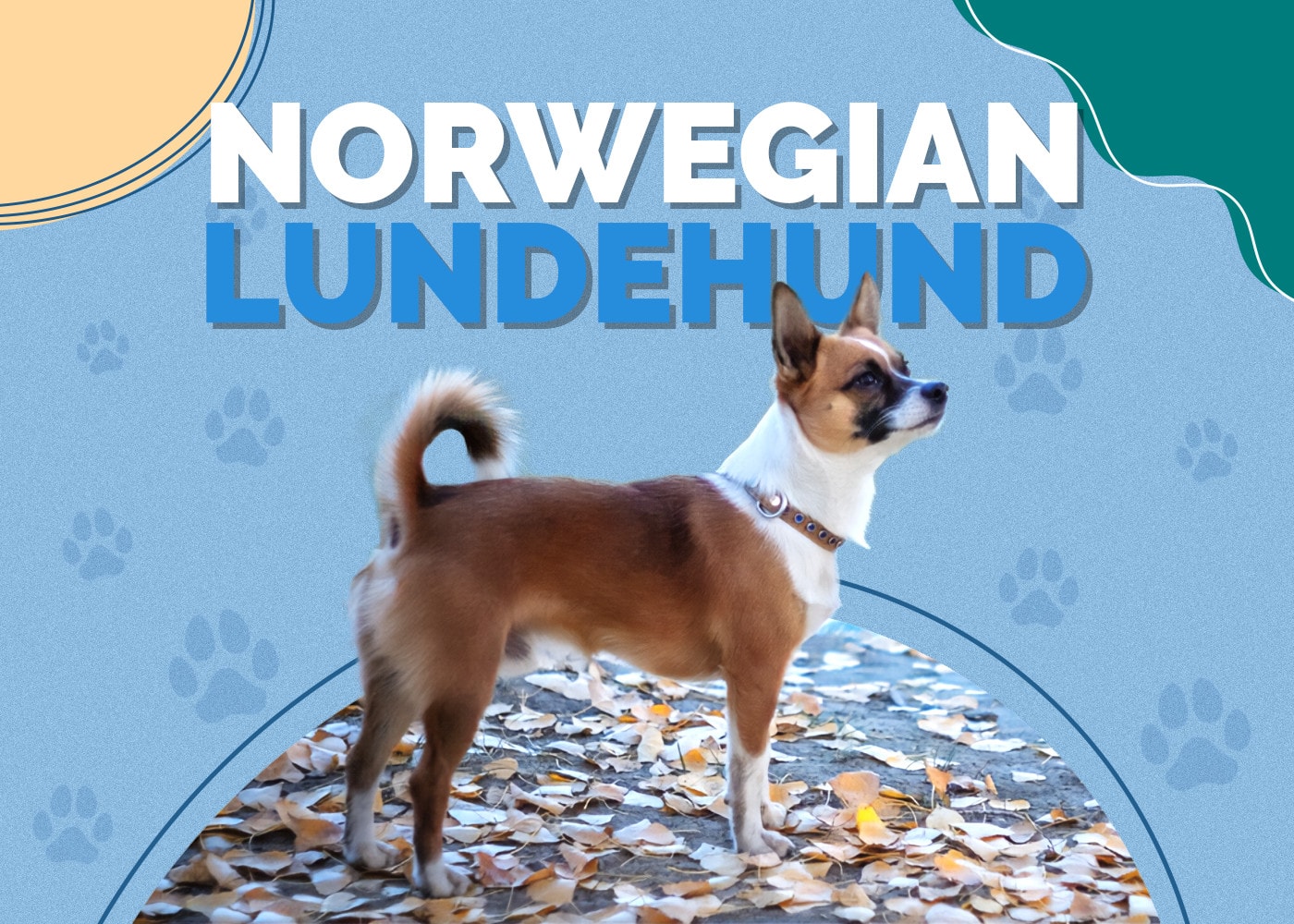
The Norwegian Lundehund, also referred to as the Lundie or Norwegian Puffin Dog, is one of the rarest and most unusual breeds available. With six toes on each foot, a distinct fox-like appearance, and an easy-going personality, the Norwegian Lundehund makes an exceptional companion for anybody seeking a very special breed.
Breed Overview
Height:
Weight:
Lifespan:
Colors:
Suitable for:
Temperament:
If you’re considering bringing a Norwegian Lundehund into your home, here is everything you need to know about this unique little dog.
Norwegian Lundehund Characteristics

Norwegian Lundehund Puppies
With only 350 Norwegian Lundehunds in the United States and a mere 1,400 worldwide, the Norwegian Lundehund is an extremely rare breed. That is why it is especially important to ensure that you are buying a Norwegian Lundehund puppy from a reputable, high-quality breeder.
Due to the breed's scarcity, bad breeders may try to make a quick buck by selling Norwegian Lundehund puppies at affordable prices. Despite the appealingly low price tag, you may be paying more down the road. Puppies from low-quality breeders, including puppy mills and backyard breeders, may have various health and behavioral problems.
A puppy mill is a large-scale, commercial dog breeding operation that gives little to no concern about the welfare of its puppies or adult breeding dogs. Like a puppy mill, backyard breeders aren’t concerned with the health or happiness of the dogs they’re producing.
Because of the poor living conditions of these facilities, many dogs from puppy mills develop phobias, compulsive behaviors such as pacing or hoarding their food, and altered mental functioning, including difficulty with leash and house training.
Moreover, dogs from puppy mills can have many health problems, including mites and mange, blindness and deafness, and respiratory issues. If you purchase a Norwegian Lundehund from a puppy mill, you could pay thousands of dollars in training and vet bills. Your new puppy may also be traumatized for life, no matter how much love and affection you give them.
This is why purchasing your Norwegian Lundehund puppy from a trustworthy source is imperative.
Some signs of a responsible dog breeder include:
There are several ways you can go about finding a good breeder. You can ask close friends or relatives for recommendations or talk to owners at a local dog show. Additionally, you can ask a trusted pet care professional, such as a vet, trainer, or groomer, for referrals.
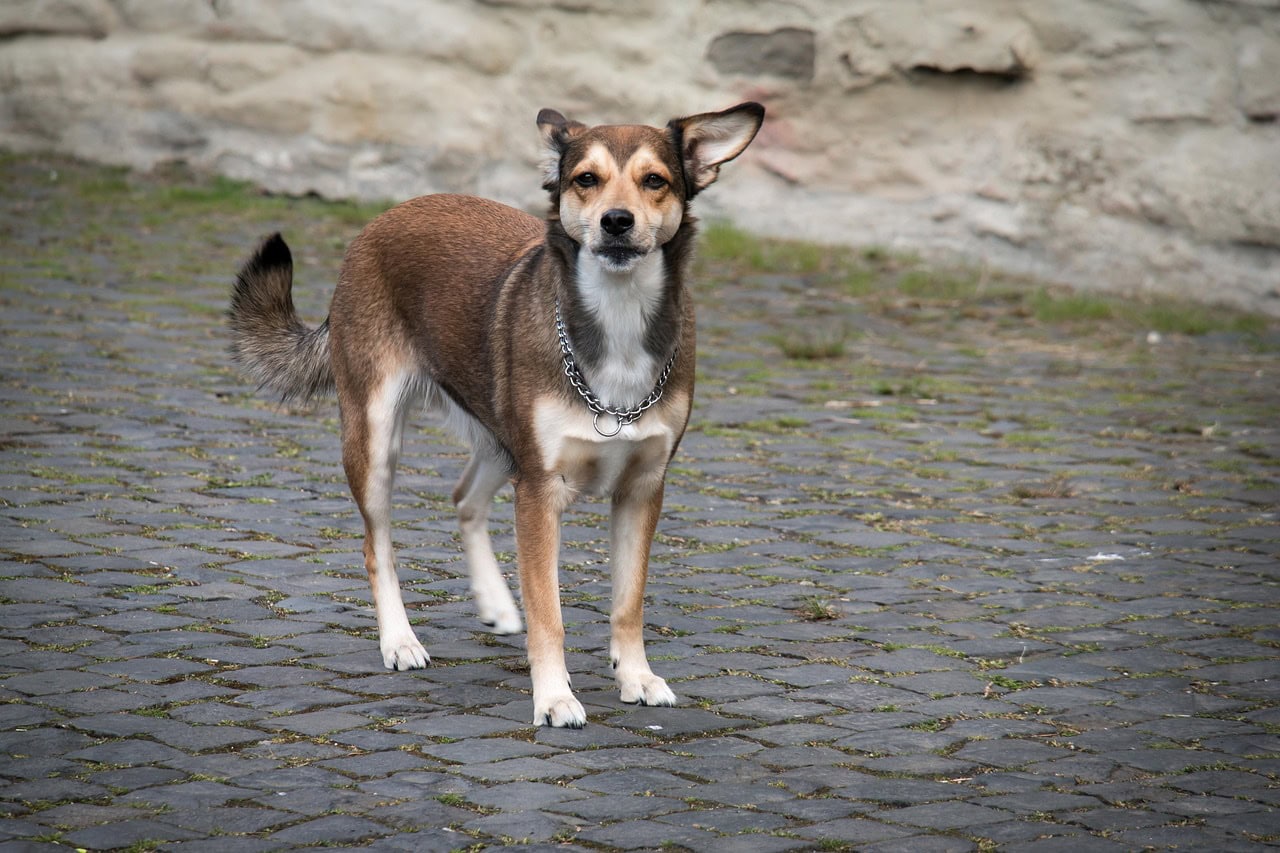

Norwegian Lundehund Temperament & Intelligence 🧠
Before you bring a Norwegian Lundehund puppy home, it’s important to educate yourself about their temperament and intelligence to see if they would be a good fit for your kids or other household pets.
You’re in for a treat with the Norwegian Lundehund! This happy, easy-going, and playful breed gets along with everyone. However, Norwegian Lundehunds can be protective over their human pack, so it is important to begin socializing your pet from day one. They can also be shy toward strangers and other dogs they don’t know.
It is important to expose your Norwegian Lundehund to as many people and pets as possible from an early age to ensure they are outgoing and sociable. Not only are Norwegian Lundehunds friendly, but they’re also super smart. Your dog will easily pick up on basic tricks and respond well to praise. However, they can be prone to stubbornness, and using positive reinforcement training techniques works best with this breed.
Are Norwegian Lundehunds Good for Families? 🏡
Yes! The Norwegian Lundehund makes a superb family pet, even for families with young children. Educating your kids and your new pup about how to behave around one another is essential. Teach your children that it is never okay to take away a dog’s food while they're eating.
They should also understand how to move correctly around the new puppy. For instance, they should never use quick or sudden movements around the dog. Also, always watch your children and the puppy when they are playing together to ensure everyone is safe.
Do Norwegian Lundehunds Get Along with Other Pets? 🐶 😽
Your Norwegian Lundehund is a social butterfly and loves being around people and other pets. They can be somewhat shy and timid around new faces, so it’s wise to socialize your Norwegian Lundehund with other dogs from the get-go.
Things to Know When Owning a Norwegian Lundehund
Owning a dog requires patience, energy, and love. Before you bring a new Norwegian Lundehund puppy home, it’s wise to know everything they'll need to thrive.
Food & Diet Requirements
Your Norwegian Lundehund will do well on a high-quality, grain-free kibble. The diet should accommodate your dog’s age, activity level, and weight. Norwegian Lundehunds are prone to obesity, and it's vital to limit their tasty treats and table scraps. You should supply your pet with clean, fresh water at all times.
Exercise 🐕
The Norwegian Lundehund is highly active and needs plenty of time to move around and play. You should provide about 60 minutes of physical activity every day. This can be divided into three 20-minute walks around the neighborhood, a game of fetch in the backyard, or playtime in your living room.
Since Norwegian Lundehunds are intelligent, they need mental stimulation to keep boredom at bay. You can keep your dog’s mind occupied by enrolling them in a weekly agility course, teaching difficult tricks, or providing toys that keep them on their toes, such as a doggy puzzle.
Training 🦮
The Norwegian Lundehund is a very smart breed and is quick to learn. They are eager to please and learn best when they are praised. That is why positive reinforcement training methods work so well with this breed.
Since your Norwegian Lundehund can sometimes be stubborn, consistent training is critical. You can keep their attention with short, exciting training sessions where they're constantly engaged.
Because the Norwegian Lundehund can be shy, it’s very important to socialize them from an early age. Expose them to various new sights and sounds every day. Take them to the dog park to meet unfamiliar dogs and people so that they develop a tolerance toward strangers later in life.
Grooming ✂️
Although Norwegian Lundehunds are fairly low-maintenance when it comes to grooming, they shed a lot. You can minimize the mess by brushing your dog with a firm bristle brush every day to remove dead or loose hair. Also, Trim their nails monthly and brush their teeth daily.
See Also: Best Dog Shampoos - Reviews & Top Picks
Health and Conditions ❤️
The Norwegian Lundehund is a relatively healthy breed, but they can develop some health issues later in life. One of the most common health problems the Norwegian Lundehund can suffer from is a digestive disorder known as Lundehund syndrome. It can be the result of a grain allergy. Dogs afflicted with it cannot absorb some types of nutrients.
Routine vet care, a healthy diet, and daily exercise are essential to keeping your Norwegian Lundehund healthy.
Male vs. Female
Male Norwegian Lundehunds are a bit bigger than females. However, both sexes generally have the same temperament.
3 Little-Known Facts About the Norwegian Lundehund
1. They Have Six Toes.
The Norwegian Lundehund has six toes on each foot. Four of the toes point forward, and two turn inward, much like your thumb. Their two extra toes serve a purpose. They provide more grip when the Norwegian Lundehund is venturing over their Norwegian homeland's slippery and snowy terrain.
2. They Can Close Their Ears.
That’s right! The Norwegian Lundehund can close their ears to protect their inner ear canal. It helps them keep dirt and debris out of their ears when they dig into a deep snow burrow.
3. They Excel at Gymnastics.
The Norwegian Lundehund is a flexible breed that can bend their body in ways many other breeds cannot. For example, they can touch the back of their head to their spine.
Final Thoughts: Norwegian Lundehund
If you’re on the prowl for a unique breed brimming with personality, the Norwegian Lundehund may be perfect for you. They're smart, active, and friendly, and they're great with kids and other pets.
It’s essential to buy your Norwegian Lundehund from a reputable breeder to guarantee you’re getting a healthy, happy puppy. Never buy a dog from a puppy mill or backyard breeder, no matter how attractive the low price tag might be.
Be sure to socialize your Norwegian Lundehund with strangers and new dogs from an early age and feed them high-quality dog food. Your Norwegian Lundehund will provide your family with love and protection for many years.
See also:
Working Kelpie Dog Breed Info: Pictures, Characteristics & Facts
German Shepherd & Belgian Malinois Mix (German Malinois): Pictures, Info, Characteristics & Facts
Featured Image Credit: Irine and Andrew, Shutterstock
Get Hepper In Your Inbox


Pet care tips from our vets and experts, straight to your inbox.
You may opt-out at any time. View our Privacy Policy for more information.

Nicole is a lover of animals of all sizes but is especially fascinated with the feline variety. She’s the proud mom of Baby, a Burmese, and works every day so he can relax in the sunshine or by the fire. She’s always had a cat in her home and has spent countless days with others, observing behaviors and softening up even the grouchiest of the lot. Nicole wants to share her kitty expertise with you so you and your cat can live happy, healthy, and care-free.
Join the conversation
Ask a question, share your story, or send private feedback.