Hepper is reader-supported. When you buy via links on our site, we may earn an affiliate commission at no cost to you. Learn more.
Polish Hound: Info, Pictures, Characteristics & More
In this article
Breed Overview
Height:
Weight:
Lifespan:
Colors:
Suitable for:
Temperament:
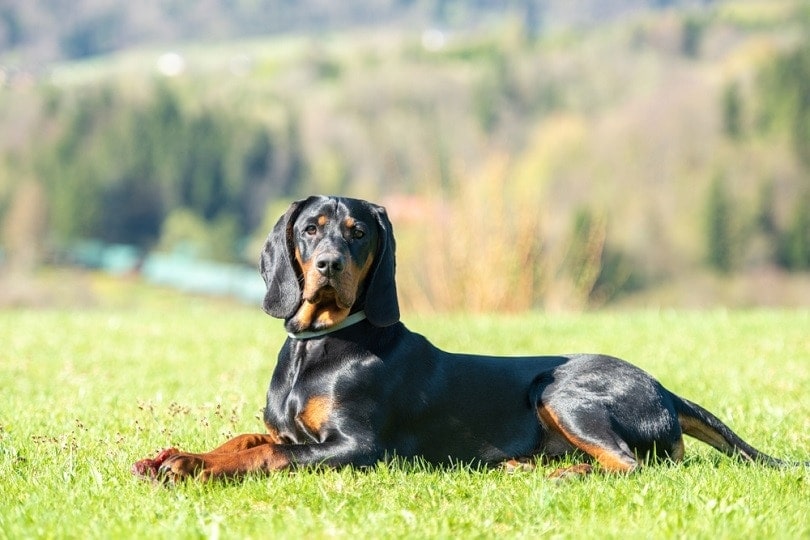
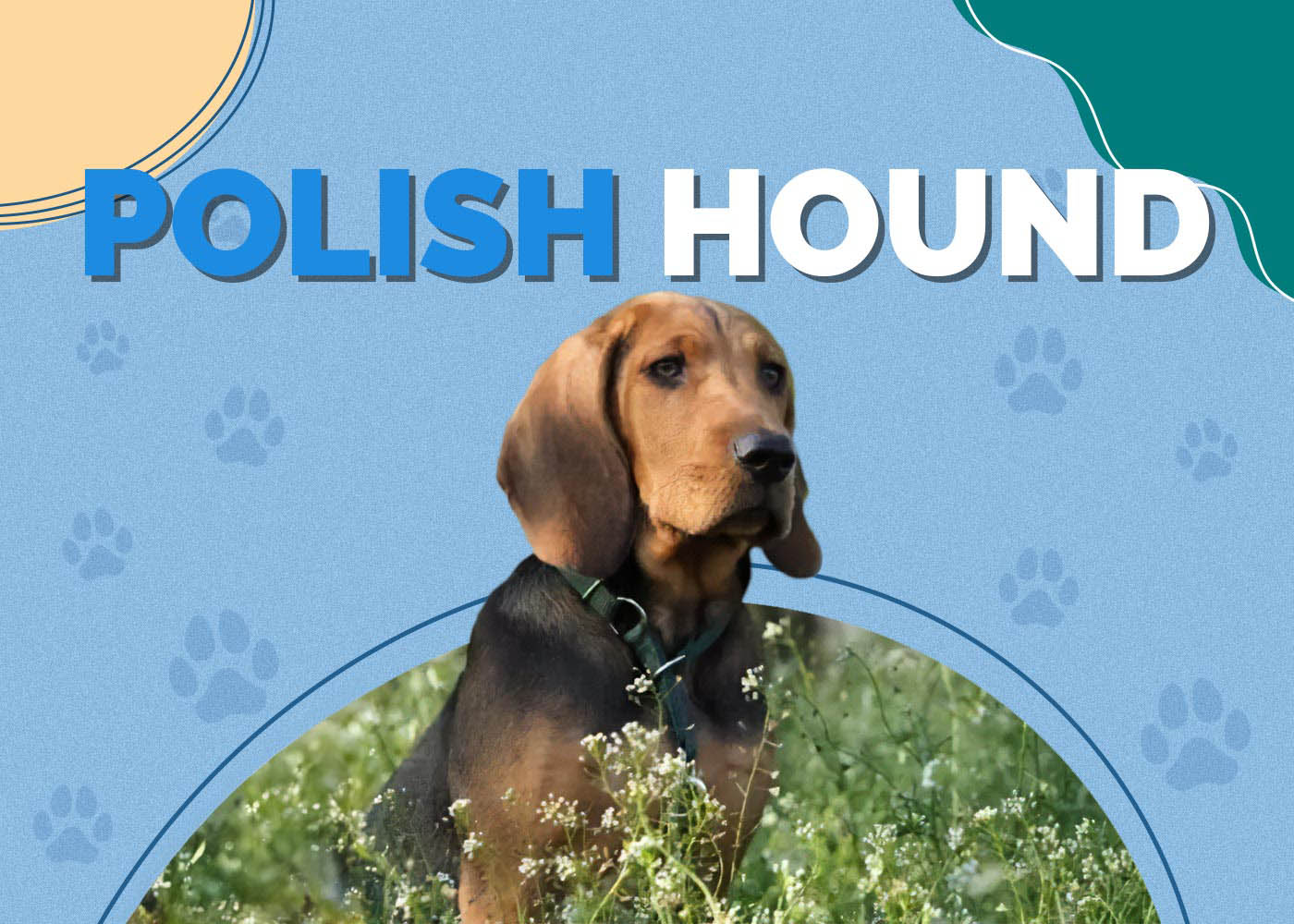
The Polish Hound, also known as the Ogar Polski, is a scenting and hunting hound that originated in Poland. According to breeders and historians, the Polish Hound was developed from Bloodhounds and other local scent hound breeds in Poland as far back as the 1700s, although little is known about the breed’s true origins. The population of Polish Hounds dropped significantly after World War II, but numerous attempts have been made to retrieve the breed, and their numbers are steadily growing.
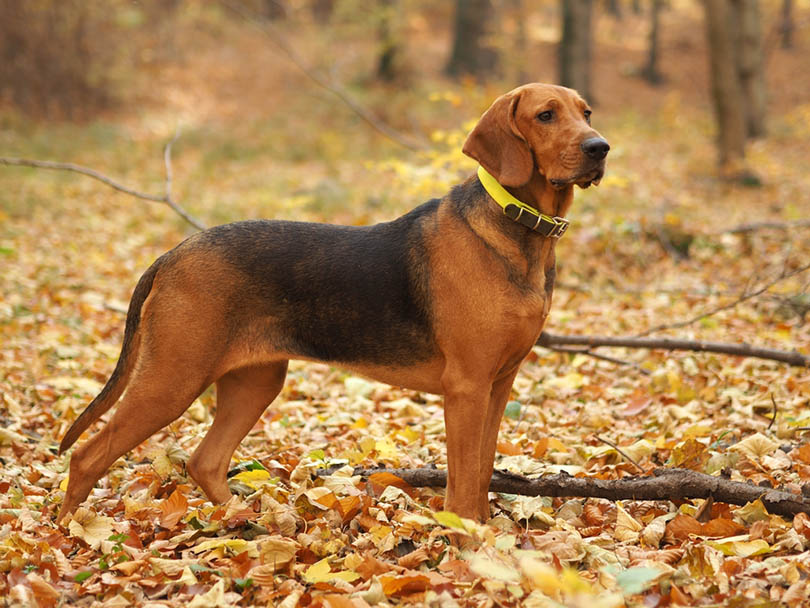
Polish Hounds are often described as smaller, lighter, and more agile versions of Bloodhounds, and indeed, the breed resembles Bloodhounds in several ways. They have the same droopy, velvety ears, similar coloring, and a comparable scenting nose. These dogs are fairly rare outside of Poland, although they are gradually becoming popular working dogs.
Read on below for more in-depth information on this little-known breed.

Polish Hound Puppies
Polish Hound Characteristics
Polish Hounds are working dogs through and through, and before buying a Polish Hound puppy, you need to keep this firmly in mind, as this breed needs a job to do. While they are not overly energetic, these dogs have a ton of stamina and it will take a great deal to properly tire them out.
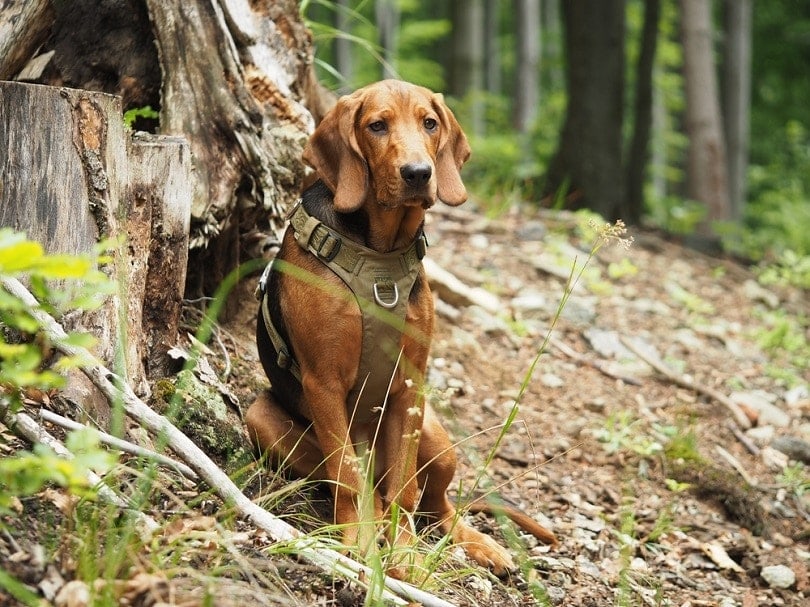
They are a medium-sized breed, but they are strong and powerful and prefer a large amount of space to run around in, so they are definitely not suited for apartment living.

3 Little-Known Facts About the Polish Hound
1. They are not yet registered with the American Kennel Club (AKC)
The Polish Hound is rare outside of Poland, and there are few breeders in the U.S. While the breed is recognized by the Fédération Cynologique Internationale, an international federation of several breed clubs, the AKC does not yet recognize the breed as of this writing.
2. The Polish Hound has a deafening bark
While the gentle and docile nature of the Polish Hound makes them a less-than-ideal guard dog, the loud and persistent bark of the breed is a deterrent all on its own. Not only is the Polish Hound’s bark deep and startling, but these dogs appear to love the sound of their own voice and are known to bark almost constantly, especially when bored.
3. They are sensitive animals
Polish Hounds are fairly large and powerful animals and combined with their startling bark, make for quite an intimidating package. However, these loyal pooches are highly sensitive and form a powerful bond with their owner. This makes them sensitive to harsh training and reprimands, and this form of training is likely to do far more damage than good with this breed. They need a confident and gentle yet firm owner who is tuned in to their sensitive nature.

Temperament & Intelligence of the Polish Hound 🧠
The Polish Hound is an active breed, a scent hound developed for scenting and hunting down game. Despite this hunting history, they are also known as brave, loyal, and dependable dogs that are kind and gentle to everyone they come in contact with. It’s important to note that these dogs are slow to mature and retain their puppy-like playfulness for 2 or 3 years.
While Polish Hounds are generally a calm and gentle breed, they are exceedingly loyal, and this may cause them to be overly protective and territorial with their family. Combined with their powerful bark, this makes them a useful watchdog, but guard dogs, they are not. They are rarely aggressive and slow to anger and are passive around people they know but alert and aware enough to make them adept watchdogs.
Are These Dogs Good for Families? 🏡
The Polish Hound is gentle and calm around children and rarely aggressive, making them an ideal family dog. While they may be cautious around new faces and are protective of their family, they are far more likely to sound the alarm with excited barking than overt aggression.
They make great playmates for kids because they are not as overly exuberant as other working breeds, and they’ll happily spend hours in the backyard playing fetch.
Does This Breed Get Along with Other Pets? 🐶 😽
The Polish Hound is a friendly pooch that makes fast friends with other dogs and is rarely aggressive. While they may show territorial behavior initially, after a short introduction, they are generally great with other dogs. Cats, on the other hand, are too much of a temptation to resist for these hunting hounds.
Of course, with early socialization and good training, this becomes far less of an issue.

Things to Know When Owning a Polish Hound
Food & Diet Requirements
Feeding a Polish Hound is simple, and they don’t have any specialized dietary requirements. They’ll need around 2-3 cups of high-quality kibble per day, and this should ideally be divided into two smaller meals. We recommend giving them the best quality kibble that you can find and supplementing it with lean meats occasionally for the extra amino acids and variety.
The kibble that you feed your Polish Hound should be free from filler ingredients like wheat, soy, and corn and high in protein. Check the ingredient list, and make sure the first one or two listed ingredients are animal-based protein, like chicken or beef. As with any dog, Polish Hounds need constant access to fresh, clean water.
Exercise 🐕
Polish Hounds are not overly energetic dogs but have a history of high activity and have a ton of stamina. They’ll need a minimum of 1–2 hours of exercise per day and a large, fenced yard to play in. These dogs have powerful noses and can easily be enticed by scents, so a well-fenced yard is a must to prevent them from running off after a tempting scent.
If they are not working, they’ll need to be exercised twice per day if possible, to prevent boredom. This can be a moderate stroll around the block for one session and an intensive run for the other—these dogs have tons of stamina and make great running partners! They love water, so the occasional swim will be a welcome addition to their exercise routine, and due to their hunting heritage, they’ll adore off-leash activity too.
Training 🦮
Polish Hounds are eager to please, loyal, and devoted to their owners, and this usually makes training easy. However, some breeders have noted that Polish Hounds do have a stubborn streak at times that can present a challenge. With early socialization, a strict routine, and consistent training, this shouldn’t be too much of an issue, however, and their eagerness to please and interact with their owners usually trumps their independent side.
Polish Hounds are known to be a rather sensitive breed, so positive reinforcement training is a great method for the breed. These dogs do not respond well to harsh treatment and will become distant and timid with any harsh methods of training. If you begin training from a young age, socialize them early, and give them plenty of praise for a job well done, Polish Hounds are a joy to train.
Grooming ✂️
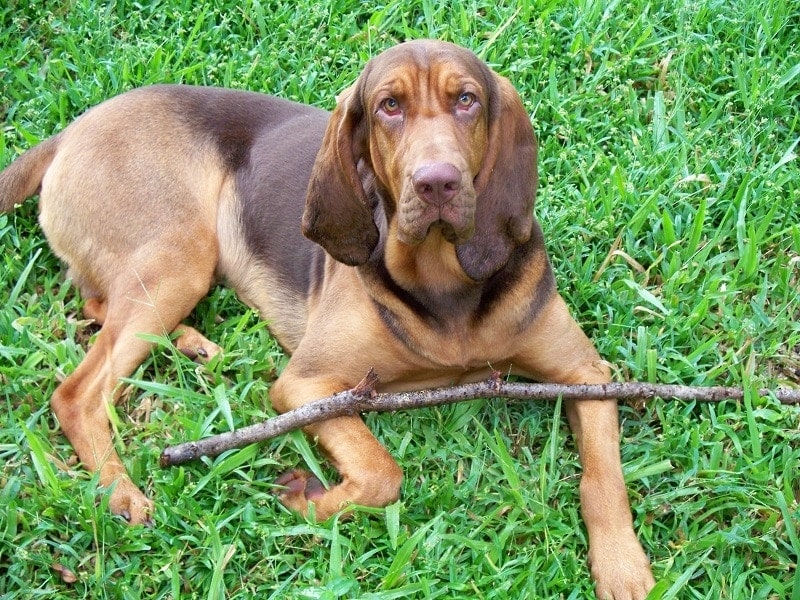
Grooming Polish Hounds is as simple as an occasional brush to remove dead hair. Their short coat is a breeze to maintain, and they’ll rarely need a bath unless they become exceedingly muddy. The main things to pay special attention to are their long and droopy ears. Due to the lack of airflow, their inner air canal is prone to infection and should be regularly checked.
Keep the inside of their ears dry and clean at all times, and check them regularly for any signs of infection.
Health and Conditions ❤️
The Polish Hound has a reputation for being a healthy and robust breed free from any major hereditary diseases. These dogs have a long lifespan and rarely need to go to the vet!
That said, they have a deep chest and are highly food motivated, and this puts them at higher risk for bloat or gastric dilation and volvulus (GDV). Be sure to feed them small amounts at a time and two to three meals a day to prevent this. Their fairly large size may make them prone to joint issues like hip dysplasia, although this is rare.
Their big floppy ears make them particularly susceptible to ear infections.
Male vs. Female
There are few differences between male and female Polish Hounds, and they are even almost identical physically. Males may be slightly larger and heavier, but this is barely noticeable, and males tend to be a bit more difficult to train because they are slower to mature. We highly recommend neutering males and spaying females to prevent wandering and unwanted pregnancies, and these simple procedures will also further negate any differences between the two.
All dogs are unique individuals, and their personality is largely dictated by their upbringing and environment, rather than their sex.
Final Thoughts
The Polish Hound is a fairly unknown and rare breed in the United States, and if you manage to find one, count yourself lucky! These scent hounds make great family dogs and are ideal for owners who lead active lifestyles. They are rarely aggressive and are calm and gentle around children, and their love of playing and interaction will make them an ideal playmate for kids.
They are great with other dogs but less so with cats, so early socialization and training are a must. They are highly intelligent, easy to train, have low grooming needs, and have no known hereditary health issues, making them an easy, low-maintenance pooch.
If you enjoy running, hiking, and other outdoor activities, the Polish Hound will make a great exercise partner!
Featured Image Credit by: Grzegorz Firlit, shutterstock
Get Hepper In Your Inbox


Pet care tips from our vets and experts, straight to your inbox.
You may opt-out at any time. View our Privacy Policy for more information.

Nicole is a lover of animals of all sizes but is especially fascinated with the feline variety. She’s the proud mom of Baby, a Burmese, and works every day so he can relax in the sunshine or by the fire. She’s always had a cat in her home and has spent countless days with others, observing behaviors and softening up even the grouchiest of the lot. Nicole wants to share her kitty expertise with you so you and your cat can live happy, healthy, and care-free.
Join the conversation
Ask a question, share your story, or send private feedback.