Hepper is reader-supported. When you buy via links on our site, we may earn an affiliate commission at no cost to you. Learn more.
Portuguese Pointer: Info, Pictures, Characteristics & Facts
In this article
Breed Overview
Height:
Weight:
Lifespan:
Colors:
Suitable for:
Temperament:
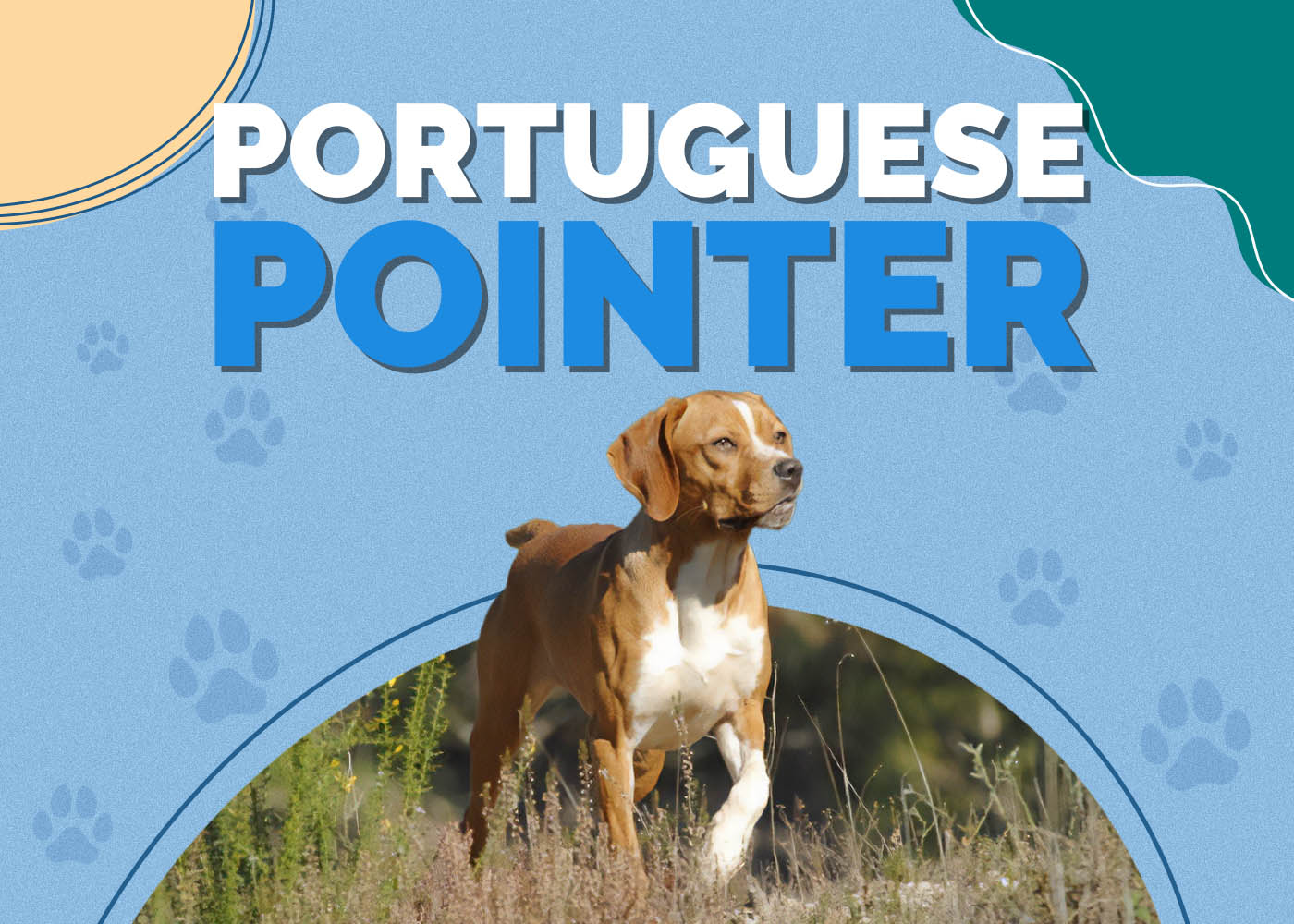
The Portuguese Pointer is a purebred dog renowned for their impressive hunting skills and ability to traverse just about any type of terrain. These dogs were originally bred in Portugal in the 12th century to assist falconers. Later, they started coming to the United States with Portuguese owners, who would use them for hunting once arriving in the country.
It wasn’t until 1995 that a pair of Portuguese Pointers was the first of the breed to be registered in the United States. They were registered with the United Kennel Club by John Antunes. Today, the Portuguese Pointer is bred to hunt all kinds of prey, from birds to wild boars and goats. They are also adopted as family pets now, as they're great with kids, they are good watchdogs, and they enjoy spending time indoors.
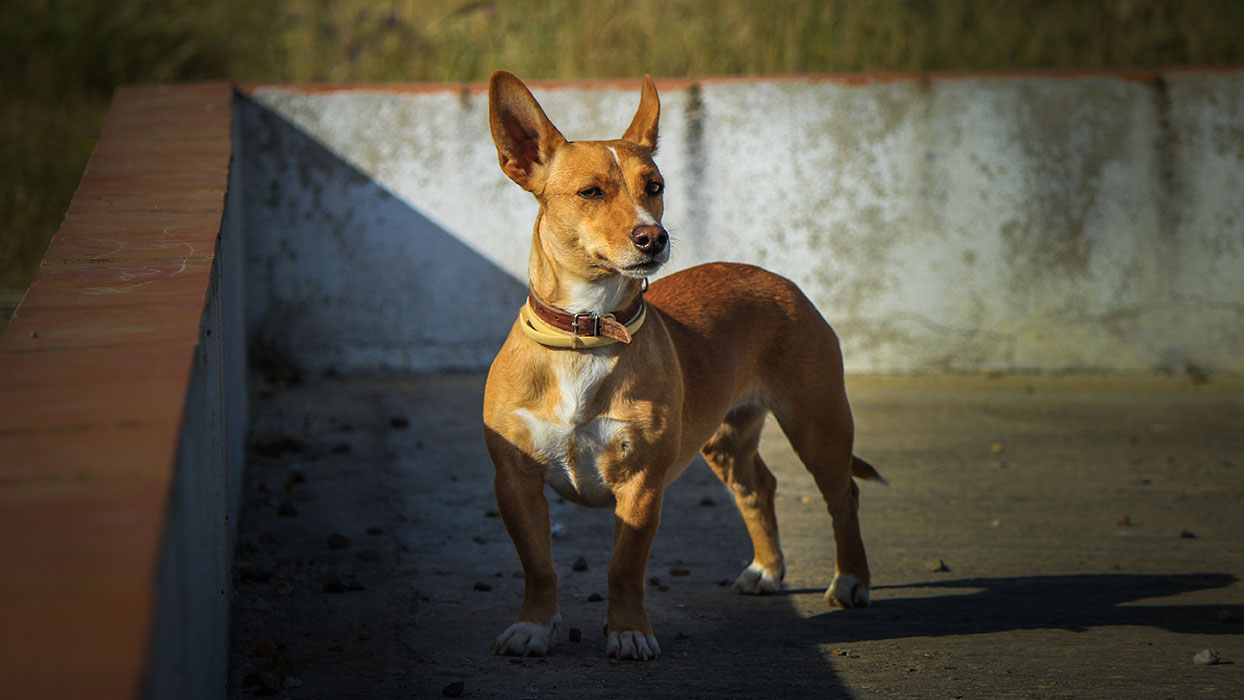
These dogs have broad heads that resemble the look of the more popular Boxer. They also have sturdy bodies, a graceful gait, and an extremely agile physique. Their double coat keeps them warm in the winter, but when spring rolls around, the shedding begins for the hotter summer months. There is more to learn about this hunting dog breed, so we’ve put together a comprehensive guide for your perusal. Enjoy!

Portuguese Pointer Puppies
Portuguese Pointer Characteristics
You should know that Portuguese Pointer puppies grow up extremely fast. Luckily, they don’t become large dogs, but they can reach their adult medium build by the time they are about 2 years old. They’ll bulk up a little after this point, but the first year brings about huge growth spurts and wacky behavior.
Portuguese Pointers tend to be very loving and affectionate. They're a great fit for families who will take their dogs out for outdoor adventures. Early socialization and training are essential, especially if you have more pets in your home. Portuguese Pointers have a high prey drive and might try to chase small animals.
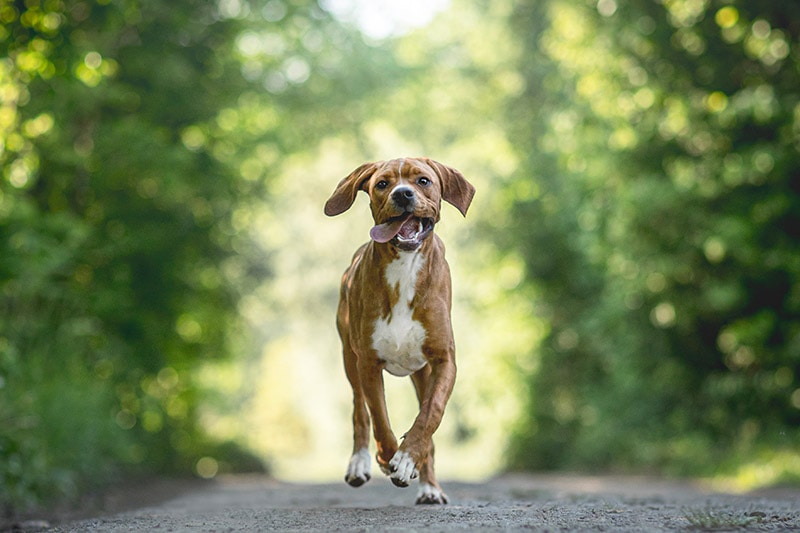
Temperament & Intelligence of the Portuguese Pointer 🧠
The Portuguese Pointer is an intelligent and agile dog that was originally raised to hunt falcons. They evolved to hunt land and water animals over time, all the while learning how to get along as a pets within the hunter’s family household. These are multipurpose dogs with active lifestyles that demand daily outdoor and indoor activity. They’re competitive in sports and are team players on the hunting grounds.
Their high prey drive makes them a danger to small animals like rabbits, ferrets, and squirrels. But they tend to get along well with other dogs if they’re allowed to start socializing while they are still puppies. If they’re exercised beforehand, these dogs don’t mind staying at home alone for a few hours at a time. Their smarts make the Portuguese Pointer easily trainable, although refresher training courses may have to continue throughout their lives to keep them in check.
Are These Dogs Good for Families? 🏡
These are great family dogs if they can interact with household members daily. If they’re kept outside, they shouldn’t be expected to behave well around kids or indoors. If living inside, they’ll learn how to be patient and to stay out of everyone’s way when necessary. When raised with kids, they will be affectionate and protective toward them for a lifetime. These dogs are better suited for family houses with fenced yards, but they can adapt to an apartment setting with plenty of outdoor time during the day. All in all, they’re a fun family pet that can get along well in a variety of different situations.
Does This Breed Get Along With Other Pets? 🐶 😽
This purebred dog gets along with other animals for the most part. Other dogs shouldn’t be a problem if your Portuguese Pointer used to being exposed to new pooches while still young and impressionable. While they will likely chase a strange cat that they see outside, they can get along well with cats living within the same household as them. It’s inadvisable to try and get these dogs to live or get along with smaller animals like rabbits or guinea pigs, though, because they'll likely think of them as prey.

Things to Know When Owning a Portuguese Pointer
We have just scratched the surface when it comes to all there is to know about the Portuguese Pointer. Now it’s time to delve into topics like food, exercise, training, and health.
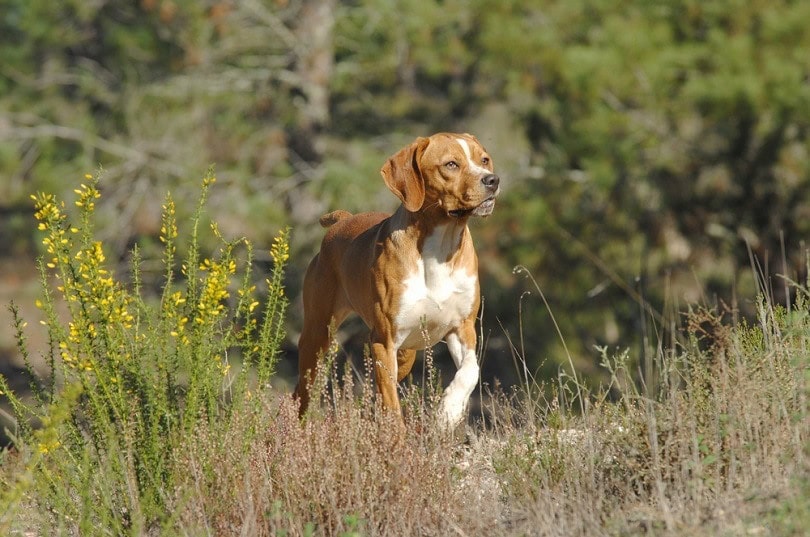
Food & Diet Requirements
The Portuguese Pointer has a big appetite and can eat upward of 3 cups of commercial dry dog food each day. They may eat even more if they are eating commercial wet food or homemade dog food. These dogs can do well on all three types of diets. Whatever type of food they eat, working Portuguese Pointers should get approximately 30-35% crude protein, and fairly active ones should get anywhere from 21 to 26% protein in each meal.
If buying commercial dog food, look for real fruits and vegetables in the ingredients list to make sure that it mimics a whole food diet that they would get in the wild. Never feed this breed an unlimited supply of food because they tend to overeat, which could lead to obesity and health problems as time goes on.
Exercise 🐕
This purebred dog is used to working all day, so they won’t be happy without a long daily walk and regular time outside for vigorous activities like fetch. Without at least an hour of exercise each day, your Portuguese Pointer could become mischievous and aggressive out of frustration. The dog park is a great place to go several times a week for socialization, mental engagement, and exercise. Agility is another beneficial activity that the Portuguese Pointer is good at, and that will help keep them satisfied throughout their puppy and adult years.
Training 🦮
While obedience training is a necessity, this isn't the only kind of training that the Portuguese Pointer will excel at. Once they learn their basic commands and understand how you expect them to behave both at home and in public settings, you can start your pooch on agility training, either in the yard or at a local facility. These dogs are quick, agile, and confident, which makes them an excellent competitor in the agility field. Service dog, watchdog, and hunting training are all other options that these dogs would have no problem tackling.
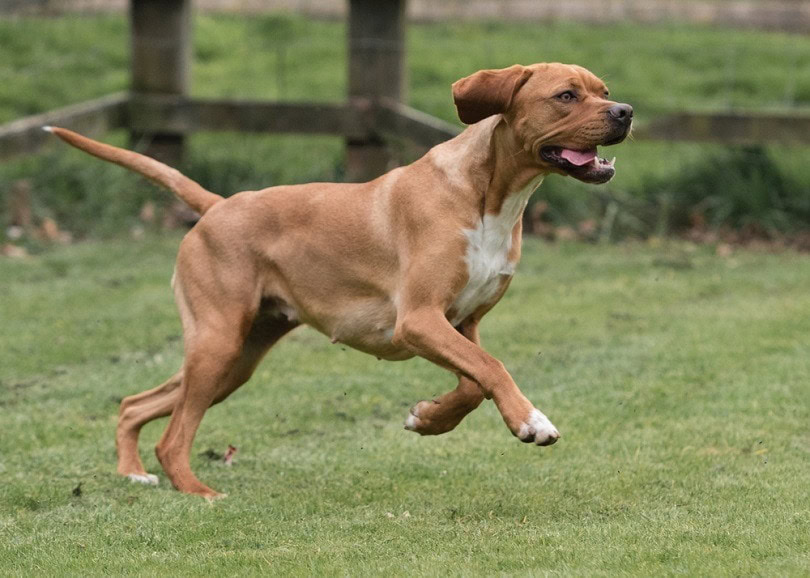
Grooming ✂️
Although this purebred has short hair, they have a thick double coat that tends to shed throughout the year, especially during the summer months. They should be brushed weekly during the winter and brushed daily during the rest of the year to keep shedding under control. A slicker brush can be used to help remove some of the undercoat during the summer.
There is no need to bathe a Portuguese Pointer, as they tend to keep themselves well-groomed. Their ears may need to be wiped clean after a long day of adventuring outside. Their nails shouldn't need trimming, as their daily activity should keep them naturally short. However, the nails should be checked for damage periodically to ensure that an infection doesn't develop.
Health and Conditions ❤️
This is a robust and generally healthy dog breed, but there are a couple of health conditions that they are prone to. Luckily, they are all manageable with the help of a qualified veterinarian.

Male vs. Female
Both male and female Portuguese Pointers are excellent hunters. Females tend to stick closer to their pack leader, whereas males don’t mind leading the pack. In the household, girls seem to look for more attention than boys do. Boys tend to become bored more easily than girls. But both genders are loving, affectionate, and protective of their family members.

3 Little-Known Facts About the Portuguese Pointer
1. They Have a Portuguese Name Too
Before they were ever called the Portuguese Pointer, these dogs have been referred to as the Perdigueiro Portugues since their inception. This name is still popular in Portugal, as well as in many other places around the world.
2. They Love the Water
These dogs will spend hours swimming at the beach or in the swimming pool if they are allowed to. They should never be left near a body of water unsupervised because they may overwork themselves and have a hard time staying afloat.
3. They Have a Double Coat
The Portuguese Pointer’s hair is short and appears to be thin, but they have a thick double coat to keep them warm in the Portugal mountains during the winter months. So, they could overheat when left outside in the sun without access to shade and water.
Final Thoughts
If you are looking for a well-rounded, confident working dog to share your life with, the Portuguese Pointer will not disappoint you. These magnificent dogs aren’t nearly as popular as they should be. Portuguese Pointers are hard-working, loyal, healthy, and energetic dogs that want nothing more than a solid relationship with their pack leader. Do you think you can keep up with the demands of this intelligent purebred? Let us know below in our comments section!
Featured Image Credit: Edgar Figueiredo, Shutterstock
Get Hepper In Your Inbox


Pet care tips from our vets and experts, straight to your inbox.
You may opt-out at any time. View our Privacy Policy for more information.

Nicole is a lover of animals of all sizes but is especially fascinated with the feline variety. She’s the proud mom of Baby, a Burmese, and works every day so he can relax in the sunshine or by the fire. She’s always had a cat in her home and has spent countless days with others, observing behaviors and softening up even the grouchiest of the lot. Nicole wants to share her kitty expertise with you so you and your cat can live happy, healthy, and care-free.
Join the conversation
Ask a question, share your story, or send private feedback.