Hepper is reader-supported. When you buy via links on our site, we may earn an affiliate commission at no cost to you. Learn more.
Nova Scotia Duck Tolling Retriever: Info, Pictures, Facts

Breed Overview
Height:
Weight:
Lifespan:
Colors:
Suitable for:
Temperament:
As the American Kennel Club dog breeds with the longest name, the Nova Scotia Duck Tolling Retriever invites curiosity just by its lengthy moniker. Fans of high-energy dogs will be happy to know that the breed itself matches this curiosity. Well known for their playful, investigative natures and unbeatable endurance, the Nova Scotia Duck Tolling Retriever’s inherent charm has won it many devotees.
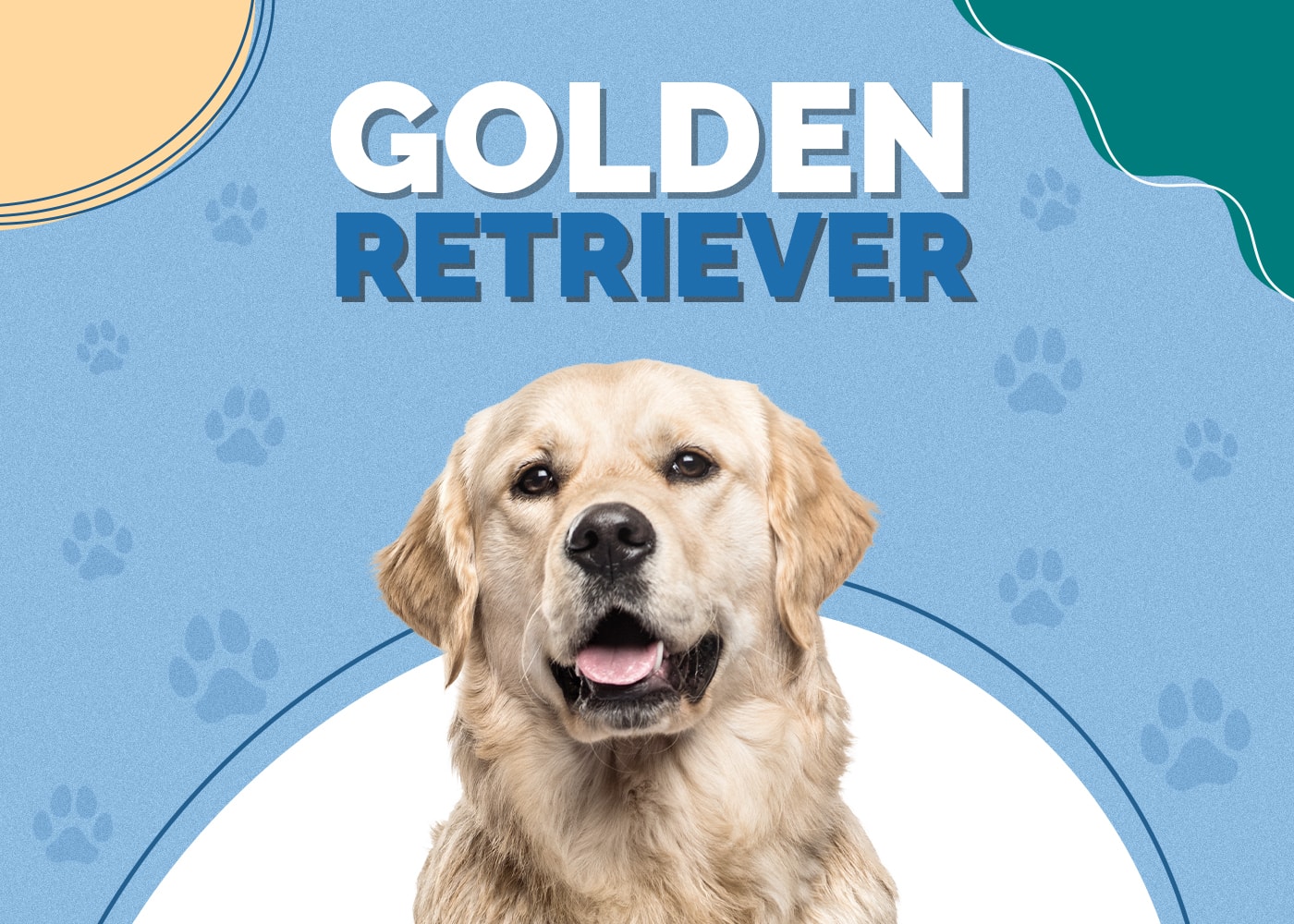
Originally bred for hunting, the Nova Scotia Duck Tolling Retriever strongly resembles a miniaturized version of a Golden Retriever. For anyone who enjoys the Golden’s personality but can’t quite keep up with their constant neediness and over-the-top energy, the Duck Tolling Retriever might be the perfect dog. Significantly more laid back than Golden Retrievers, they’re eager to please and easy to train.
Are you wondering whether a Nova Scotia Duck Tolling Retriever might be the right dog for your home and family? If so, you’re in luck—because this guide will cover everything you need to know about this unique and friendly dog breed.

Nova Scotia Duck Tolling Retriever Puppies

Nova Scotia Duck Tolling Retriever Characteristics
Making the choice to add a dog to your life is a big responsibility. And you certainly wouldn’t bring a new dog into your home without at least knowing what its name means, would you?
Before you go off purchasing a new Nova Scotia Duck Tolling Retriever puppy based just on their gorgeous good looks, let’s learn a bit more about their history and origins. Since most dog breeds today were bred with specific purposes in mind, exploring the breed’s past will point you toward how it might best fit into your future.
The Nova Scotia Duck Tolling Retriever derives its name from its place of origin—Nova Scotia, Canada—as well as its earliest job: enticing and retrieving ducks.
“Tolling”, in fact, comes from the old English word “toller”, meaning to draw in or attract. Given its unusual coloration and markings, a frolicking Nova Scotia Duck Tolling Retriever draws the attention of waterfowl who will come over to investigate. This allows the hunter, hidden in a blind, to take the time to set up a good shot.
Athletic and muscular, the Nova Scotia Duck Tolling Retriever enjoys robust health and a vigorous playtime attitude. Accompanying this, many Duck Tolling Retrievers are known for their ability to yell – emitting a high-pitched, piercing scream. While they’re perfectly capable of living happily in the smaller confines of an apartment, this noisy nature disqualifies them from noise-controlled buildings.
Bred specifically to endure the icy cold waters of Canada, the Nova Scotia Duck Tolling Retriever possesses a double coat and webbed toes that give it incredible swimming prowess. For anyone who lives near water or loves taking trips to the beach, this Retriever makes an excellent pet.
3 Little-Known Facts About the Nova Scotia Duck Tolling Retriever
1. They Are the Smallest Retriever Breed
Usually standing under 20 inches tall and weighing less than 50 pounds, the Nova Scotia Duck Tolling Retriever is also known as the Little River Duck Dog for good reason. Compared to the Golden Retriever, which can stand up to 24 inches tall and weigh nearly 75 pounds, the Duck Tolling Retriever is a much more compact and portable dog breed.
2. They Scream When They Are Excited or Eager
Owing to their mixed heritage from a variety of retrievers, spaniels, setters, and collies, the Nova Scotia Duck Tolling Retriever has developed a habit of high-pitched yelling. Most noticeable when they are feeling playful and ready to go, this trait can be difficult to train out of the breed, making them a better choice for experienced dog owners than beginners.
3. They Are One of Two Dog Breeds Used for Decoy Purposes
The Nova Scotia Duck Tolling Retriever is one of a rare class of hunting dogs that operates as a decoy. Their playful attitudes and swimming serve to draw the attention of duck and geese, which they then bring within gunshot range of their hunting companion.

Temperament & Intelligence of the Nova Scotia Duck Tolling Retriever
Smart as a whip and twice as fast, the Nova Scotia Duck Tolling Retriever may be the most intelligent of all Retriever breeds. Thanks to their mixed-breed heritage, they’re also a highly adaptable, “go with the flow” sort of breed that’s as happy to be a couch potato as it's to go on a 10-mile run with you. If you can get along with their shouting, the ever-friendly Duck Tolling Retriever will be a constant companion to you and your family.
Are These Dogs Good for Families?
The Nova Scotia Duck Tolling Retriever is a fantastic breed to keep with kids both young and old. They love playing with and watching over younger children and appreciate the attention and extra exercise that older children can provide, as well.
Does This Breed Get Along with Other Pets?
While very sociable and friendly with other dogs, keeping a Nova Scotia Duck Tolling Retriever with small animal pets can be a mixed bag. Though they’re unlikely to cause any harm to cats, rabbits, ferrets, and the like, their hunting and retrieving instincts can be strong behavior motivators that might get them into trouble around small pets.

Things to Know When Owning a Nova Scotia Duck Tolling Retriever:
Is the Nova Scotia Duck Tolling Retriever sounding like it might be your dream dog? Once you’ve decided that their temperament and general nature are to your liking, the next step is understanding their physical care requirements.

Food & Diet Requirements
Given their smaller size, Nova Scotia Duck Tolling Retrievers only require 2-2.5 cups of food per day. Choose a high-quality dry dog food that’s made for their age range and split their total daily feeding into at least three meals; this helps to prevent them from eating too quickly and interfering with their digestion.
Exercise
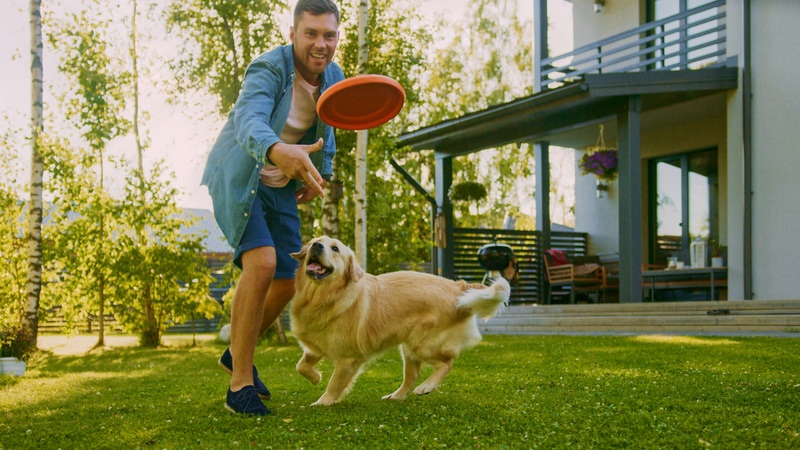
Plentiful amounts of moderate to vigorous activity are essential for keeping your Nova Scotia Duck Tolling Retriever happy and healthy. They’re glad to engage in activities like fetch, long walks around the neighborhood, or going on a run with you, but truly excel in anything that requires both mental and physical exertion. Thanks to their boundless energy, you’ll likely tire out long before your Retriever does!
Training
With their keen intelligence and eagerness to please, the Nova Scotia Duck Tolling Retriever is a perfect candidate for obedience and agility training. This dovetails nicely with their high exercise needs and can be a useful way to finally tire them out enough to let you rest.
All but the most experienced dog owners will likely struggle with training these Nova Scotia Duck Tolling Retrievers to stop yelling. Only gentle, persistent effort and positive reinforcement have been seen to be successful with this, and many owners choose professional training to tame this breed’s vocalizations.

Grooming ✂️
The medium-length double coat of a Nova Scotia Duck Tolling Retriever is both waterproof and extremely easy to groom. With weekly brushings and the occasional bath, they’ll stay looking their best year-round. Be on the lookout for spring and fall shedding seasons, where daily brushing may be necessary for a period of a few weeks.
A small portion of Nova Scotia Duck Tolling Retrievers will experience problems with their ears during their early months as a puppy. If you notice this dog’s ears folding back or at an odd angle rather than pleasantly framing their face, you’ll need assistance from a breeder or other expert to tape them into the correct position while they readjust.
Health and Conditions ❤️
A generally hardy breed, the Nova Scotia Duck Tolling Retriever is nonetheless prone to a small range of genetic disorders. Some of these conditions include:
Male vs Female
Female Nova Scotia Duck Tolling Retrievers are noticeably smaller than their male counterparts, both in their maximum height and weight. Other than that, personality differences are rarely seen between male and female Nova Scotia Duck Tolling Retrievers. Since the breed is well established, both males and females tend to display the same traits of friendliness, vigor, and playfulness.

Final Thoughts
An exceptionally lovable dog with a mouthful of a name, the Nova Scotia Duck Tolling Retriever has won the hearts of many thanks to its combination of a friendly personality, adaptable nature, and abundant energy. While the high price of puppies for this purebred dog might scare some potential owners away, their generally good health and long lifespan make them a wonderful investment in your health and happiness.
Related Reads:
Featured Image Credit: Sonja-Kalee, Pixabay
Get Hepper In Your Inbox


Pet care tips from our vets and experts, straight to your inbox.
You may opt-out at any time. View our Privacy Policy for more information.

Nicole is a lover of animals of all sizes but is especially fascinated with the feline variety. She’s the proud mom of Baby, a Burmese, and works every day so he can relax in the sunshine or by the fire. She’s always had a cat in her home and has spent countless days with others, observing behaviors and softening up even the grouchiest of the lot. Nicole wants to share her kitty expertise with you so you and your cat can live happy, healthy, and care-free.
Join the conversation
Ask a question, share your story, or send private feedback.