Hepper is reader-supported. When you buy via links on our site, we may earn an affiliate commission at no cost to you. Learn more.
Panda Pugs: Pictures, Facts & History
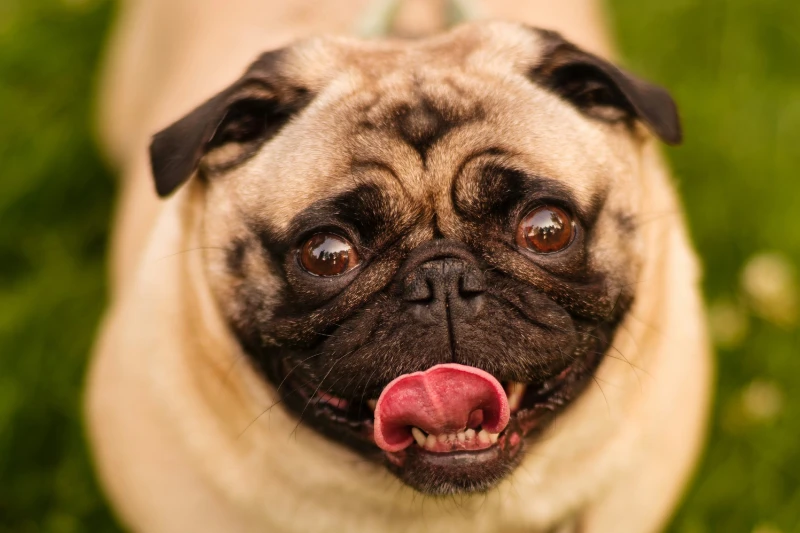
If you adore Pugs and pandas, the Panda Pug is the perfect pet for you! Although they’re not registered as a breed or a standard variation for the Pug, the Panda Pug is becoming a popular color for this adorable breed. Despite their rarity and price, they share the same friendliness that all Pugs are known for and are beloved companion dogs.
Breed Overview
Height:
Weight:
Lifespan:
Colors:
Suitable for:
Temperament:
The Panda Pug isn’t considered a pedigree Pug like the black and fawn varieties. However, these dogs still share the same cuddly nature and distinct flat face that endears this breed to many dog lovers.
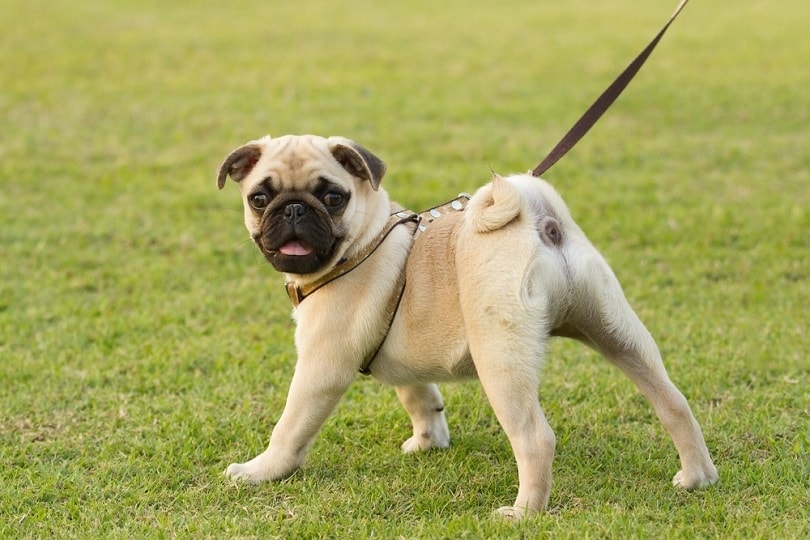
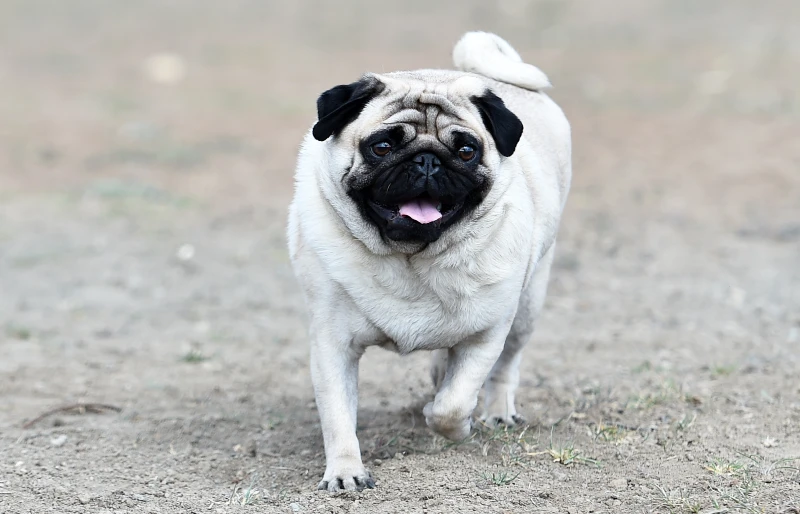
Their rare black-and-white coloring gives them a look that mimics the endangered panda, even having distinct black markings on their ears and legs. The most sought-after Panda Pugs have black patches around their eyes.
If you haven’t heard of the Panda Pug before, it’s because they’re quite rare despite how well-loved both pandas and Pugs are.
Panda Pug Breed Characteristics

The Earliest Records of Panda Pugs in History
Even if you haven’t heard of the Panda Pug, you’ve likely heard of the Pug. These wrinkled, flat-faced companion dogs originated in China about 2,000 years ago. Like many other Chinese breeds, they were favored by the nobility, with places of honor in the imperial court alongside the emperor and his family.
At first, Pugs were only given as gifts to honor visiting emissaries and didn’t gain traction in Western countries until the 1500s. They were still favored by the nobility but also gained favor with upper-class families1.
The Panda Pug is a variation of the breed, and it’s difficult to say when they came about officially. They are not part of the breed standard, and although they are called “exotic” by many breeders, they aren’t considered to be good practice due to the crossbreeding required to achieve the rare coloring.

How Panda Pugs Gained Popularity
Pandas aren’t just adored in China. Their cute antics and iconic coloring endear them to people all around the world. They are among the rarest animals2 in the world and are only found in China.
The Pug is much safer when it comes to their population. They have always been beloved family dogs, even during their days in the imperial court in China. Currently, they’re a fascination for celebrities and regular folks and are favorite pets for apartment living due to their size.
It's the iconic black-and-white panda coloring and the popularity of Pugs in general that makes Panda Pugs so highly desired. Despite its rarity and the questionable practices of certain breeders, the coloring is unique and adorable, making this variation a must-have for modern dog owners.
Formal Recognition of Panda Pugs
Once the Pug was introduced to the U.S.A. after the Civil War, the American Kennel Club quickly recognized them. Despite being a registered breed since 1885, however, their initial popularity lessened around the start of the 20th century. It was due to the efforts of dedicated breeders that Pugs regained that popularity a few years later, leading to the first breed club—the Pug Dog Club of America—being founded in 1931.
However, the Panda Pug isn’t recognized as a breed or even a color variation of the Pug. Although some breeders will register these dogs with the AKC, Panda Pugs are not allowed to take part in competitions due to not being formally recognized. The questionable practices of some breeders who strive to develop this unique coloring also mean these dogs aren’t full-blooded Pugs.
Top 3 Unique Facts About Panda Pugs
1. They Are Not Pedigree Dogs
The panda coloring isn’t a dominant one for Pugs or even common enough to be a standard variation. Only black and fawn colors are recognized as official breed standards by the AKC. Since the genes for the piebald or white markings needed for Panda Pugs are recessive, breeders need to crossbreed Pugs with other dogs to get the coloring.
Due to this, Panda Pugs aren't pedigree dogs despite sharing the same traits and appearance as regular Pugs.
2. They Are Highly Sought After
Despite not being a standard color for Pugs, the panda coloring is highly sought-after. Many breeders even consider it to be exotic and will sell Panda Pugs for a much higher price than Pugs with other fur colors, despite the lack of a pedigree. Unfortunately for Pug and panda fanatics, Panda Pugs can cost anywhere between $1,500 and $6,000 or more, depending on the breeder.
3. Their Fur Isn’t Dyed
Many dogs have been made to look like pandas for aesthetic purposes by a groomer. This trend started in China, when Chow Chow puppies were dyed to look like pandas to entice customers into a dog cafe. Since pandas are considered national treasures in China and even then, are only found in a small part of the country, the stylish new look for these Chow Chow puppies quickly became a new sensation. What started as a curiosity quickly led to many more dogs being dyed in the same way, particularly in China.
Where the Panda Pug is concerned, though, they are born with the coloring rather than dyed. Although it still requires human intervention to get the coloring in the first place, it’s a genetic trait and is why Panda Pugs often have blue eyes rather than the standard brown.
Does the Panda Pug Make a Good Pet?
Like all Pugs, the Panda Pug is a wonderful pet for all sorts of families or single people looking for a companion. They’re friendly, adoring, and the perfect size for cuddling on the couch in royal manors or tiny apartments.
Panda Pugs have the same maintenance requirements as standard Pugs. They should only eat high-quality food and be groomed regularly to help manage their shedding. They also benefit from regular exercise, even though they’re happy to spend the day on the couch.
However, you must consider the breeding practices used to develop these dogs. Since Pugs are crossbred with other dogs to introduce the “panda” coloring, the reputation of the breeder can be questionable simply because they’re not upholding the recognized Pug standard. Remember to ask for a full health history for the dogs that your breeder uses before you purchase your new Panda Pug puppy.
Conclusion
Despite their name, Panda Pugs are not a mix of the cute Pug and the endangered panda! Instead, these dogs are a simple color variation for the Pug breed, though they’re not formally recognized by any kennel clubs.
These friendly Pugs have the same distinct white-and-black patterning as pandas, hence their name. They are among the rarest Pugs today, and their popularity makes them incredibly expensive but they are still well-loved companion animals.
Sources
Featured Image Credit: alberto clemares exposito, Shutterstock
Get Hepper In Your Inbox


Pet care tips from our vets and experts, straight to your inbox.
You may opt-out at any time. View our Privacy Policy for more information.

Nicole is a lover of animals of all sizes but is especially fascinated with the feline variety. She’s the proud mom of Baby, a Burmese, and works every day so he can relax in the sunshine or by the fire. She’s always had a cat in her home and has spent countless days with others, observing behaviors and softening up even the grouchiest of the lot. Nicole wants to share her kitty expertise with you so you and your cat can live happy, healthy, and care-free.
Join the conversation
Ask a question, share your story, or send private feedback.