Hepper is reader-supported. When you buy via links on our site, we may earn an affiliate commission at no cost to you. Learn more.
Apricot Pug: Pictures, Facts & History

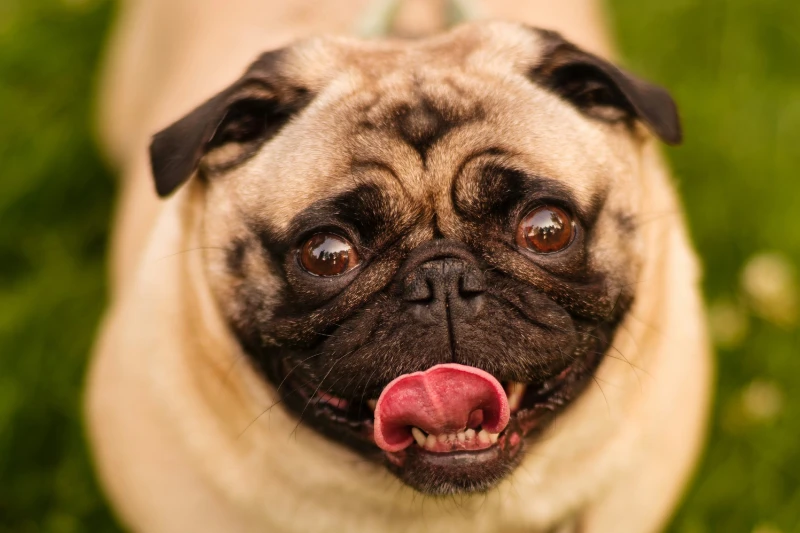
Pugs are wonderful family dogs with big personalities, but if you want something different from the standard fawn and black colors, keep reading as we discuss the Apricot Pug. We talk about this unusual color and if it has any effect on the dog’s personality. We also cover the breed’s history and what organizations accept them.
Breed Overview
Height:
Weight:
Lifespan:
Colors:
Suitable for:
Temperament:
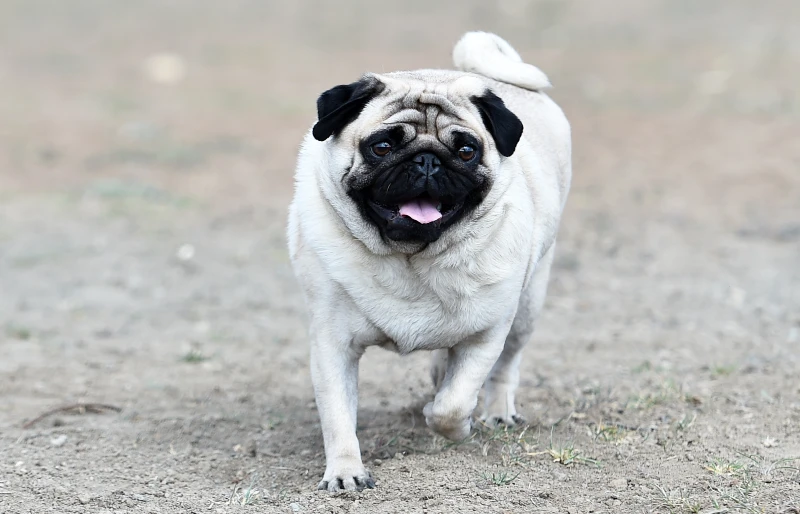
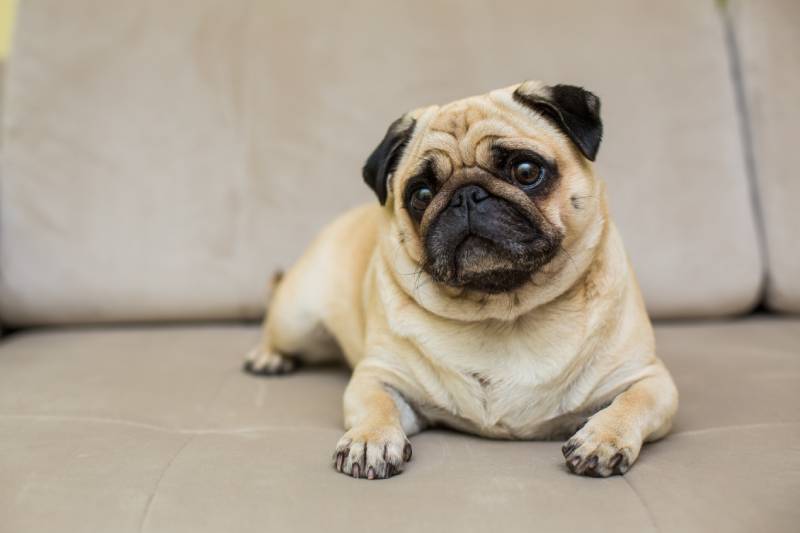
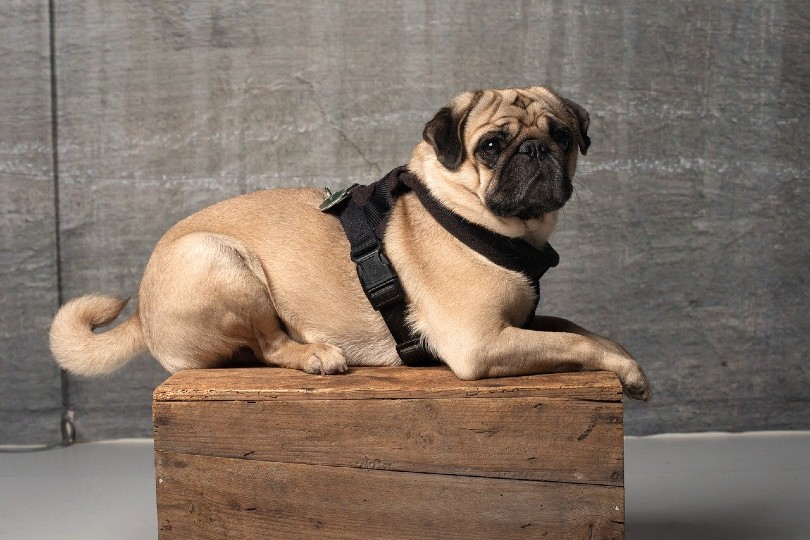
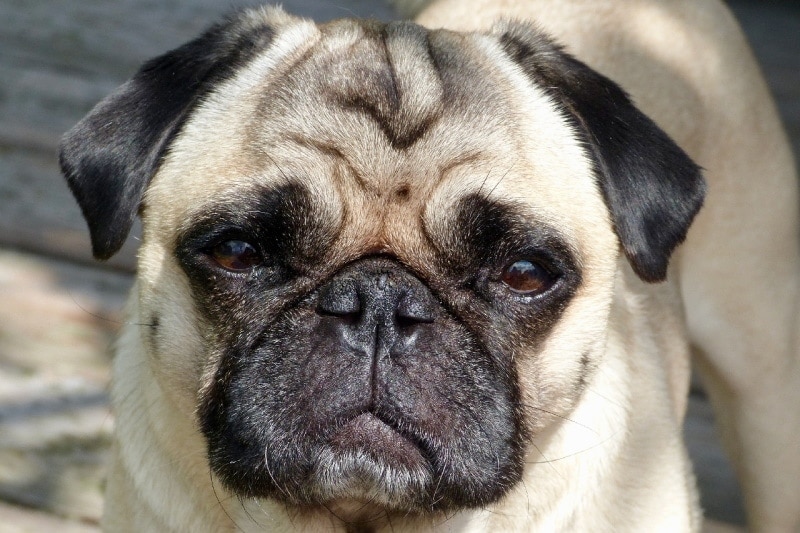
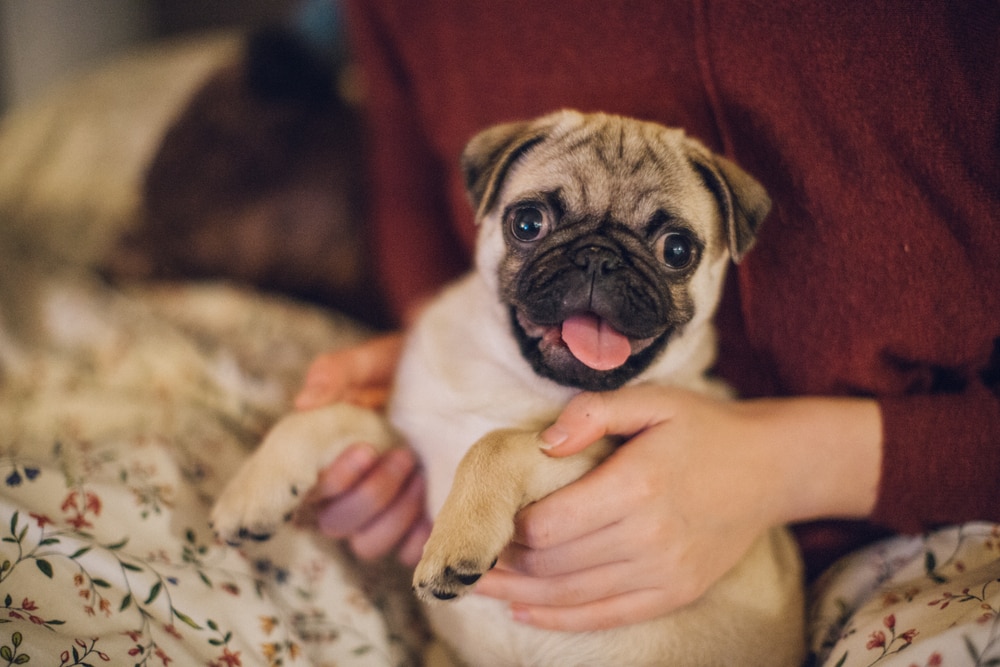
The apricot color of the Pug all comes down to genetics. While some owners claim that it affects their personality, there is currently no conclusive evidence that the genes that affect color also affect temperament. The apricot gene is recessive, so it must come from both parents and is much rarer than other colors, like fawn or black. The resulting apricot color can be in various shades, from light to dark, with many being similar to fawn.

Apricot Pug Breed Characteristics
The Earliest Records of Apricot Pugs in History
Pugs began their existence with Tibetan monks and Chinese emperors around 400 B.C. They were one of three flat-faced dogs that the Chinese developed, with the others being the Lion Dog and the Pekingese. The breeders desired the Pug to have wrinkles because they wanted them to form the Chinese symbol for “prince” on their forehead. Their name possibly came from the marmoset monkeys that were popular in the 1700s, which many people called pug monkeys. They have a face that resembles the modern Pug dog. Another theory is that it comes from the Latin word, “pugnus,” which means “fist.”
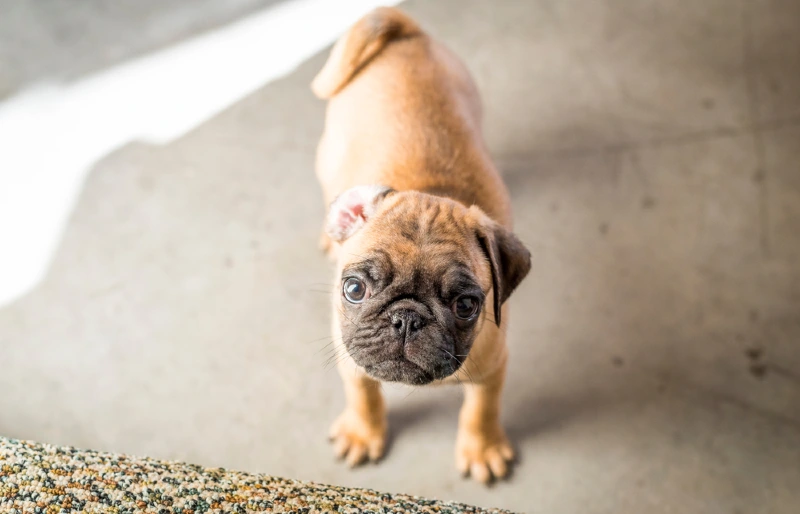
How Apricot Pugs Gained Popularity
Pugs gained popularity due to their scrunched-in wrinkly face, extremely friendly temperament, and playful nature, making them ideal for any home. They are a great match for children and get along well with other pets. Their short soft cost is easy to maintain, and while they do shed, they won’t leave much fur on your floor and furniture. They are available in several colors besides apricot, including fawn, black, blue, white, and cream.
Formal Recognition of Apricot Pugs
Unfortunately, the American Kennel Club (AKC) only recognizes the fawn and black colors of the Pug. However, the International Canine Federation and the Kennel Club of the UK recognize four colors: black, fawn, apricot, and silver. The AKC first accepted the Pug in 1885, and they are the 28th most popular breed in the United States.

Top 3 Unique Facts About Apricot Pugs
1. Many people mistake this dog as part of the Mastiff family because of the wrinkles on their faces.
Don’t let the wrinkles confuse you! Pugs (including the Apricot Pug) and Mastiffs are very different in both size and personality. However, both are charming dogs that will be an amazing part of your family.
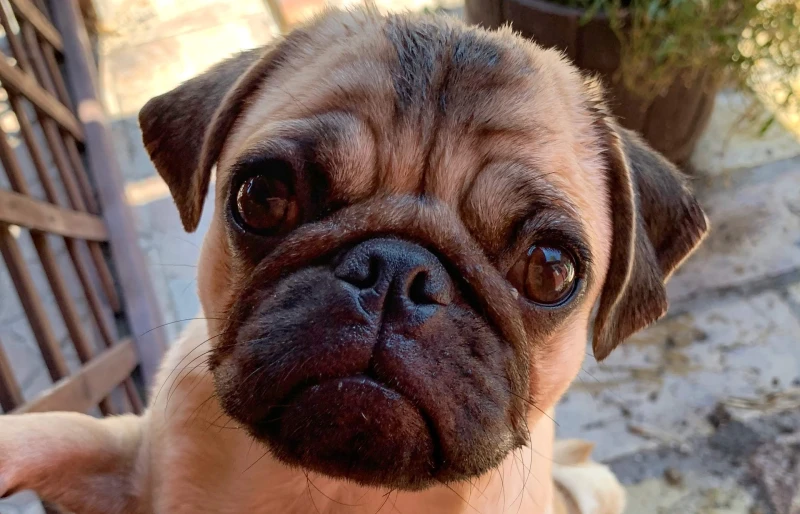
2. Breeders aim to create the prince mark, which is three wrinkles & a vertical bar on the forehead.
This mark resembles the Chinese character for “prince”, hence the name. It is also highly valued.
3. Due to the shape of their head, the Pug isn’t a good swimmer.
As much as you want to show off your Apricot Pug to the world, taking them for a swim is not a great idea. Rather, take them for a walk in the park or around the neighborhood.
Does the Apricot Pug Make a Good Pet?
Yes, the Apricot Pug makes a fantastic pet. Their small size means they’re great for apartments and don’t need much exercise, so you won’t need to worry about taking long walks every day. The short coat is easy to maintain and doesn’t make as much mess around the home as other breeds. This Pug is friendly, likes to follow their owner around the house, and usually waits at the door for you to get home. However, what many people like the most about these attractive dogs is that they enjoy sitting on people’s laps.
Conclusion
While the AKC does not recognize the apricot coat color on a Pug, several other clubs, including the KC and FCI, do, and it makes a nice change if you want something different from the more common fawn and black colors. Apricot Pugs are quite rare, though, so it can be hard to find a breeder, especially in America, and the shade of apricot on your dog’s coat can vary from light to dark. However, you can expect your pet to have the same friendly temperament as any other color Pug.
Related Read: Panda Pugs: Pictures, Facts & History
Sources
Featured Image Credit: Trev Adams, Pexels
Get Hepper In Your Inbox


Pet care tips from our vets and experts, straight to your inbox.
You may opt-out at any time. View our Privacy Policy for more information.
Ed Malaker is a veteran writer who has contributed to a wide range of blogs that cover pets, tools, guitars, fitness, and computer programming. When he’s not writing, Ed is usually performing DIY projects around the house or working in the garden. He’s also a musician and spends a lot of time helping people fix their guitars and composing music for independent films.
Join the conversation
Ask a question, share your story, or send private feedback.