Hepper is reader-supported. When you buy via links on our site, we may earn an affiliate commission at no cost to you. Learn more.
Parrot vs Parakeet: Vet-Reviewed Differences (With Pictures)


In this article
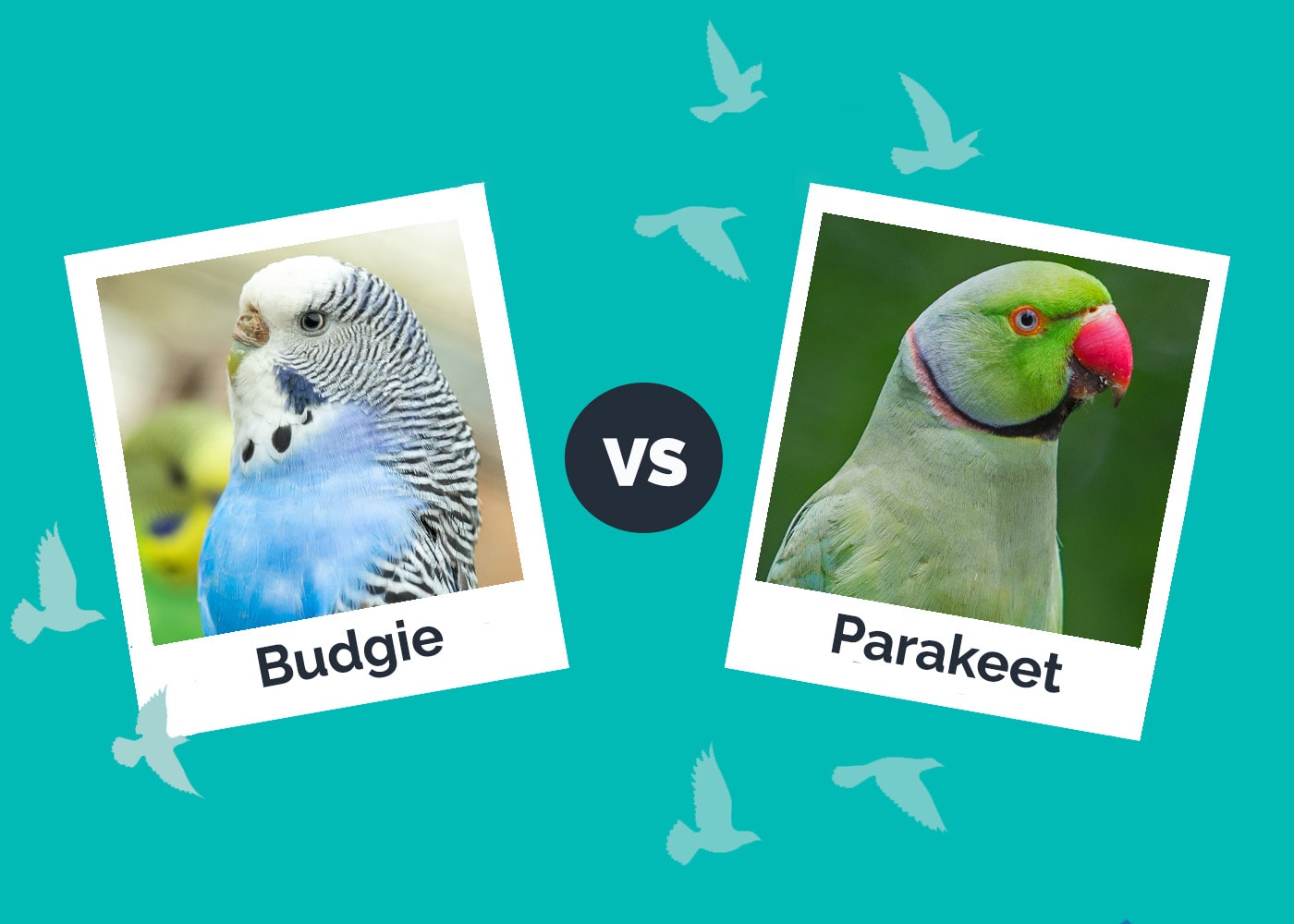
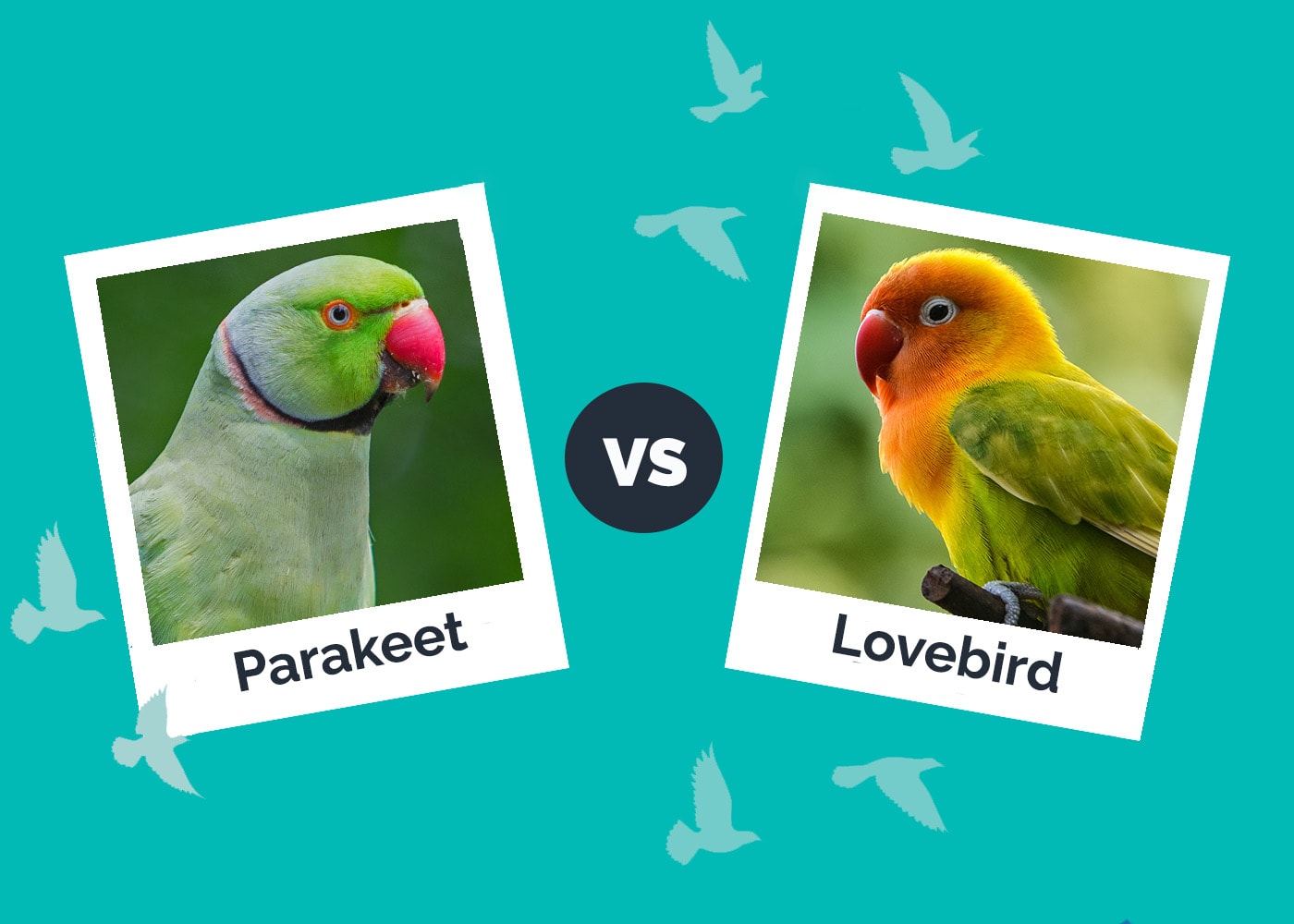
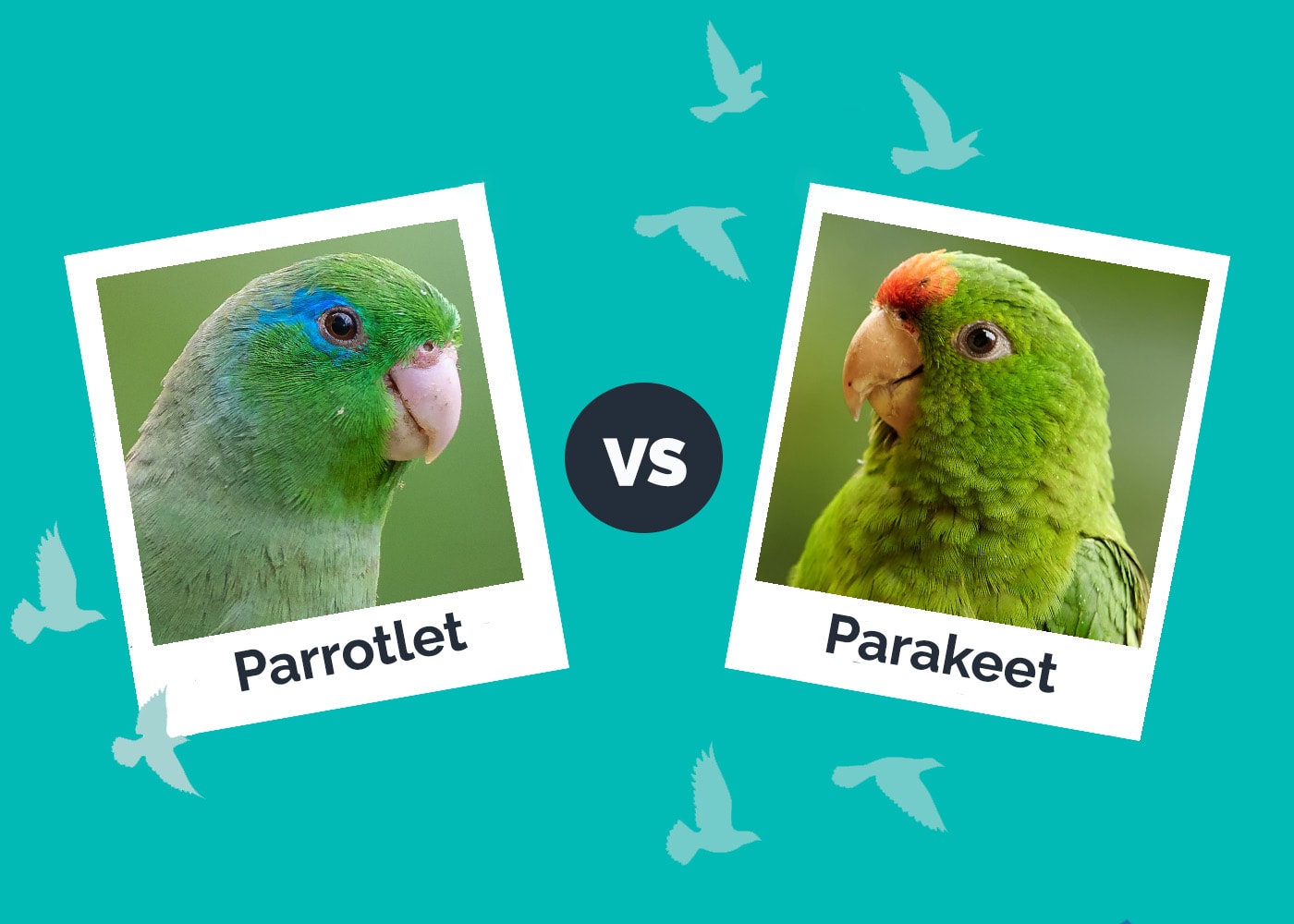
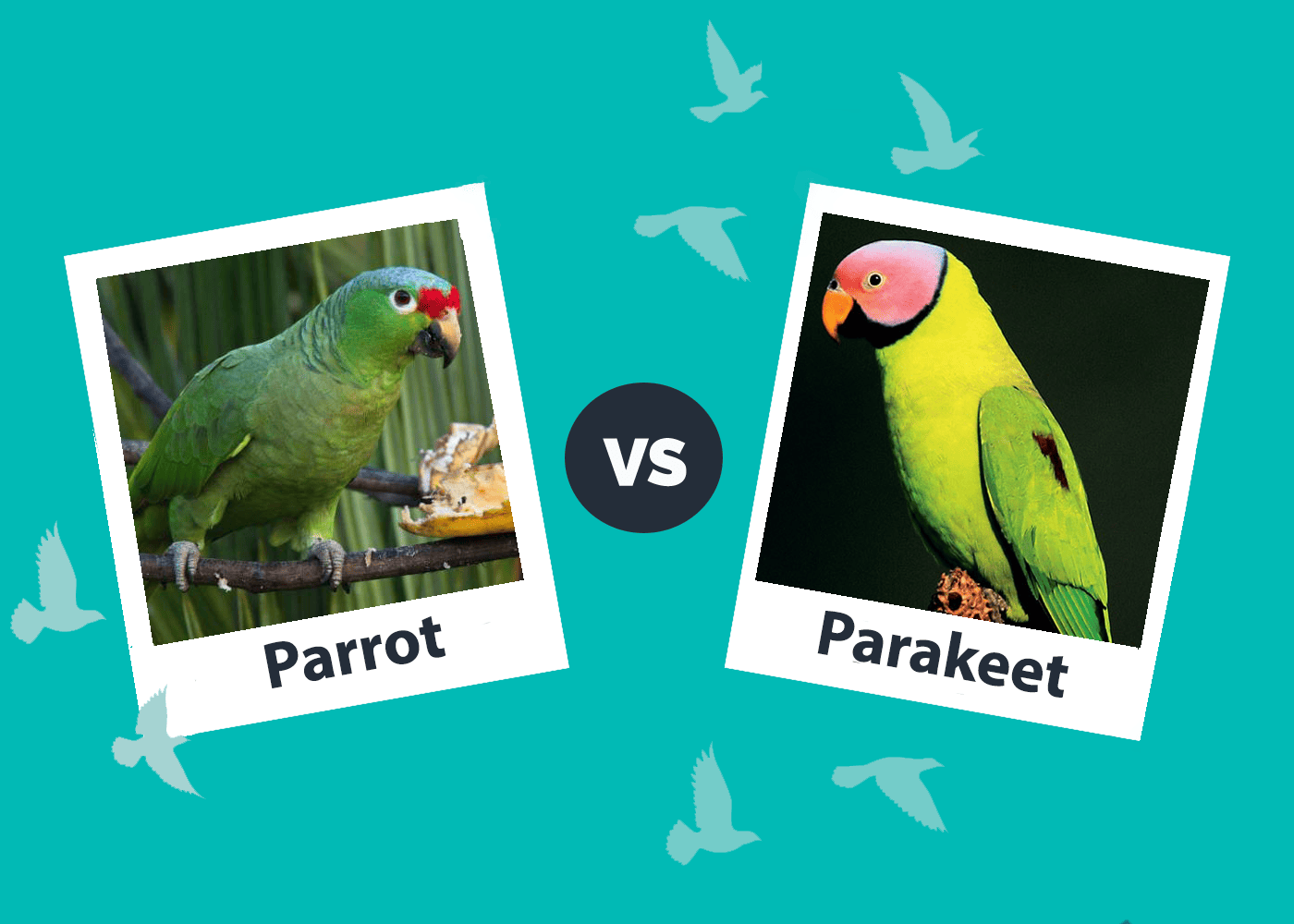
Both parrots and parakeets are tropical birds, and many varieties have colorful feathers and unique “voices.” The parakeet Budgerigar (Melopsittacus undulatus) is a species of small parrot, so it shouldn’t be surprising that they have similarities. However, there are also differences to take note of. Size, appearance, and temperament are just a few of them.
Whether you’re thinking about getting a parrot or parakeet as a pet or you’re simply interested in these birds, you’ve come to the right place! Let’s dive into the differences between the parakeet and parrot.

Visual Differences
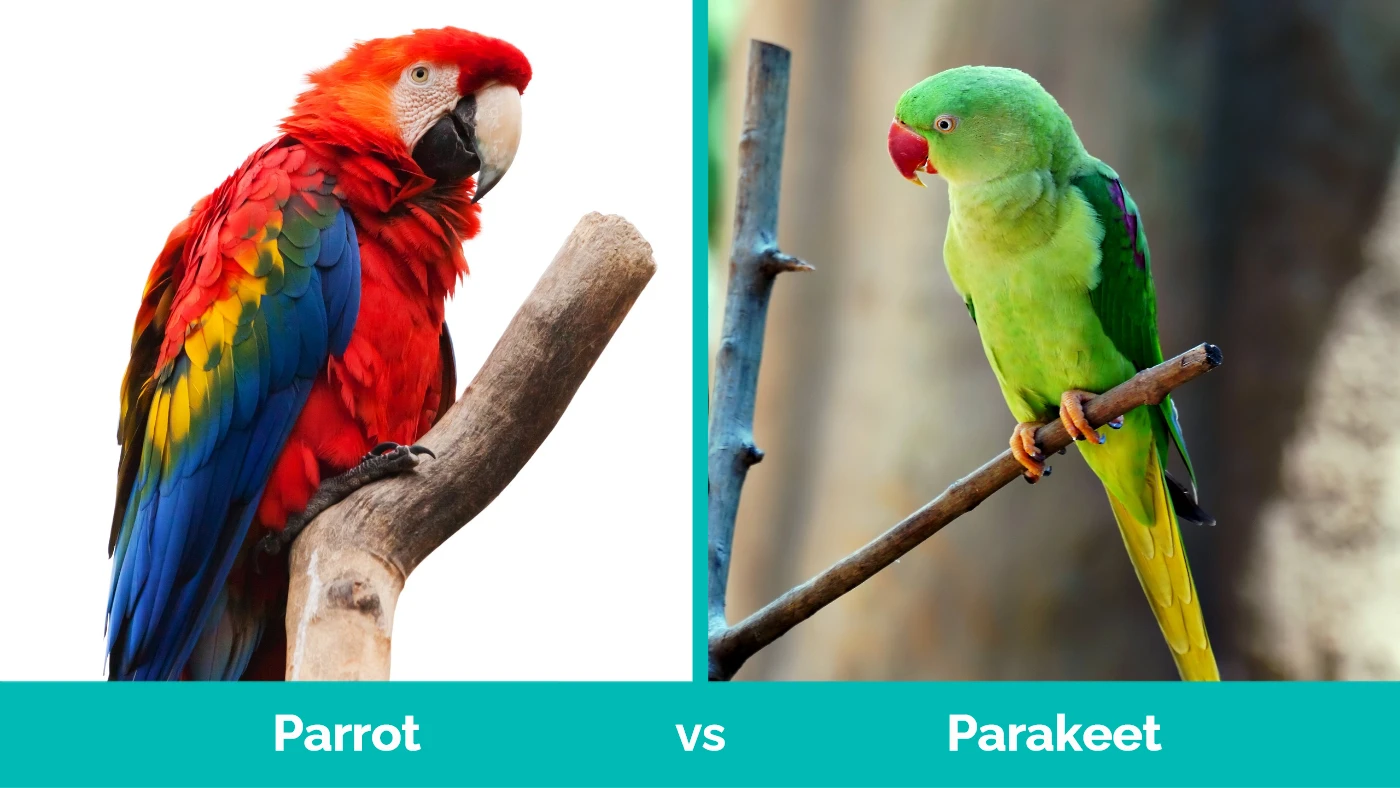
At a Glance

Parrot Overview
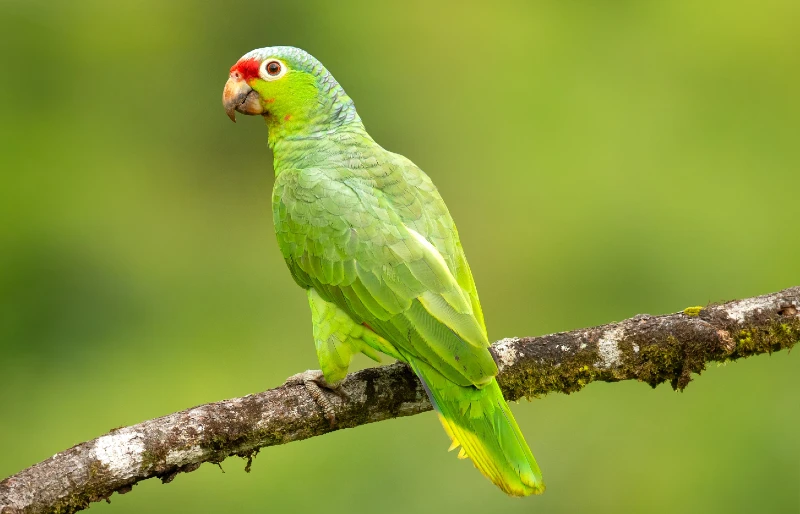
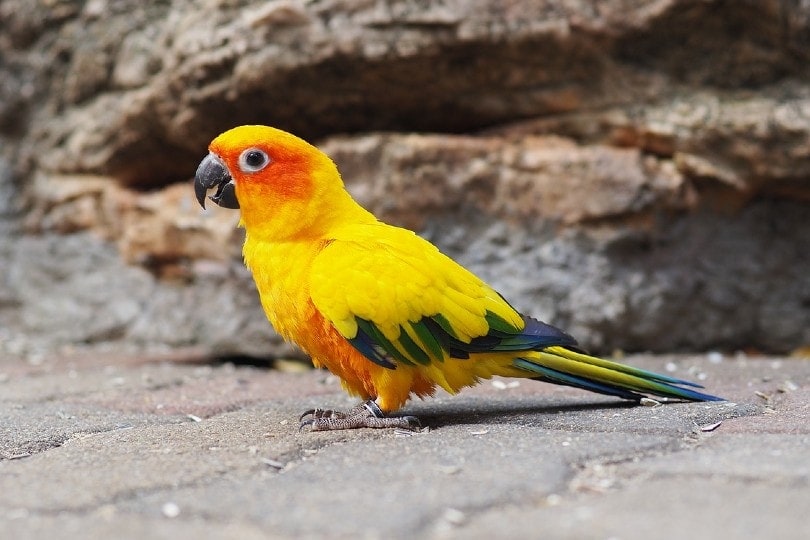
There are almost 400 species of parrots in existence1, and they can be found living in tropical locations all around the world, including places like Australia, Mexico, and South America. One of the most notable characteristics of parrots is their curved beaks. Most parrots also have an uncanny ability to mimic human sounds and speech.
All parrots have four toes on each foot. Two toes face forward, while the other two face backward to help them perch and complete other tasks.
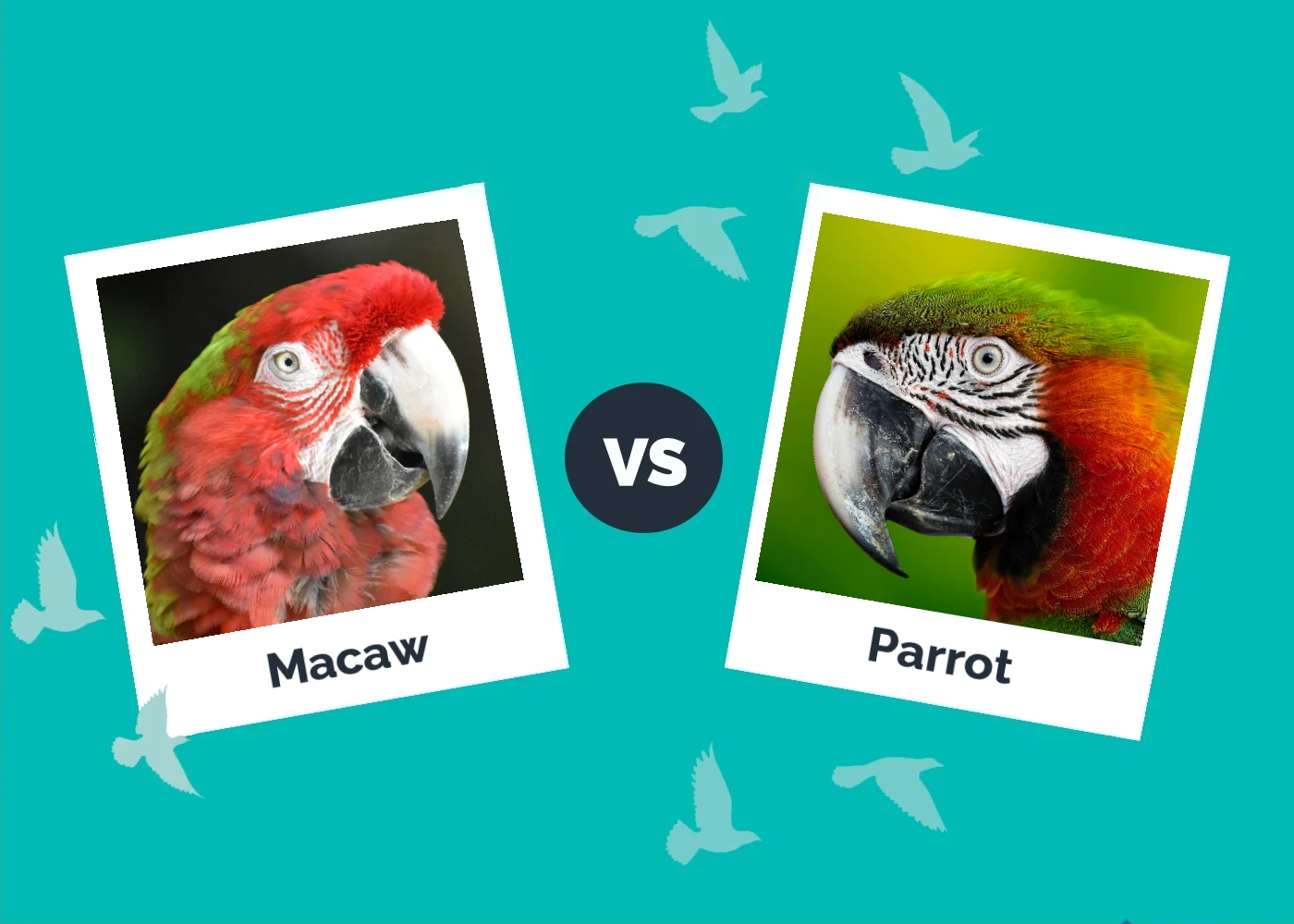
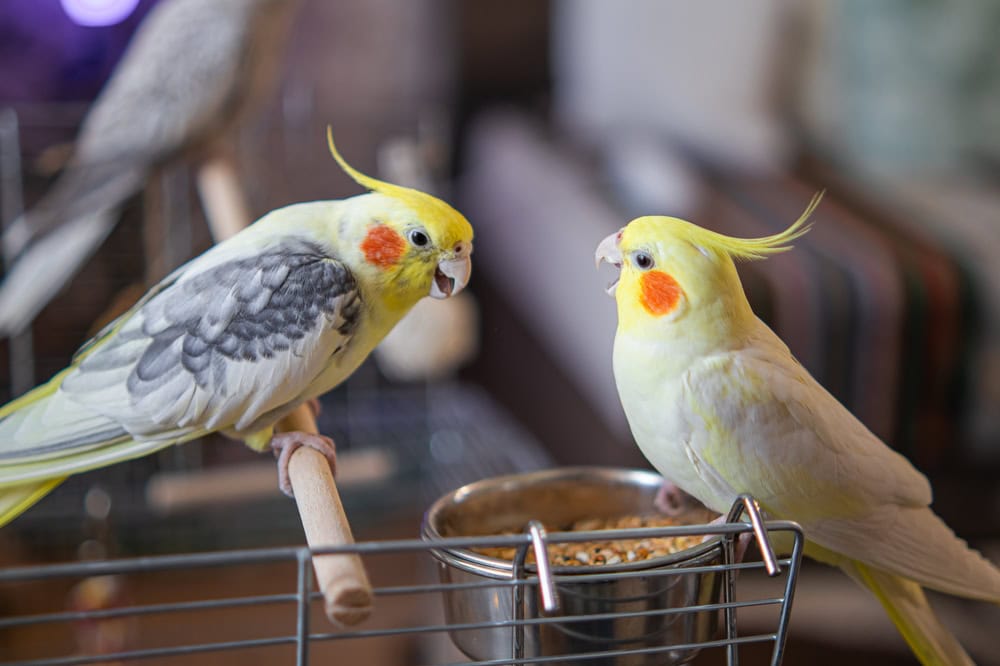
Popular types of parrots include Macaws, Love Birds, Cockatiels, Cockatoos, and Conures. Depending on the type of parrot, it can cost anywhere from $50 to more than $5000 to acquire one. Small parrots, like Love Birds, are typically less expensive than large parrots.
Personality / Character
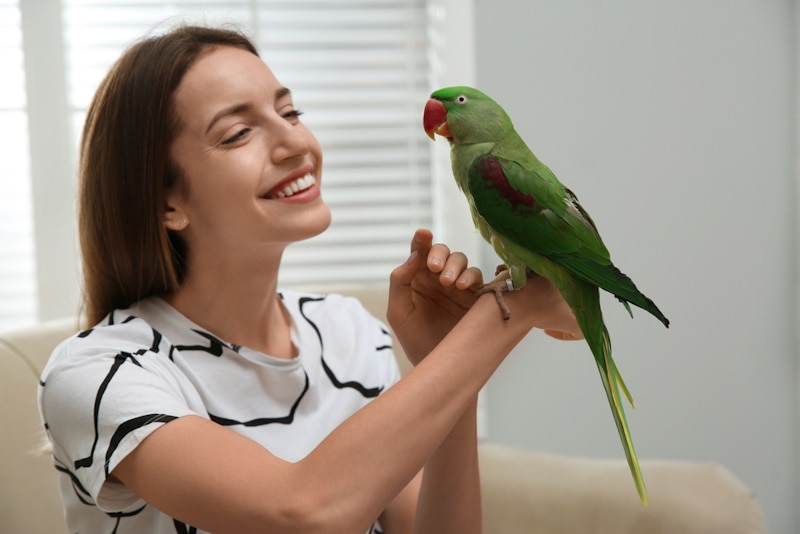
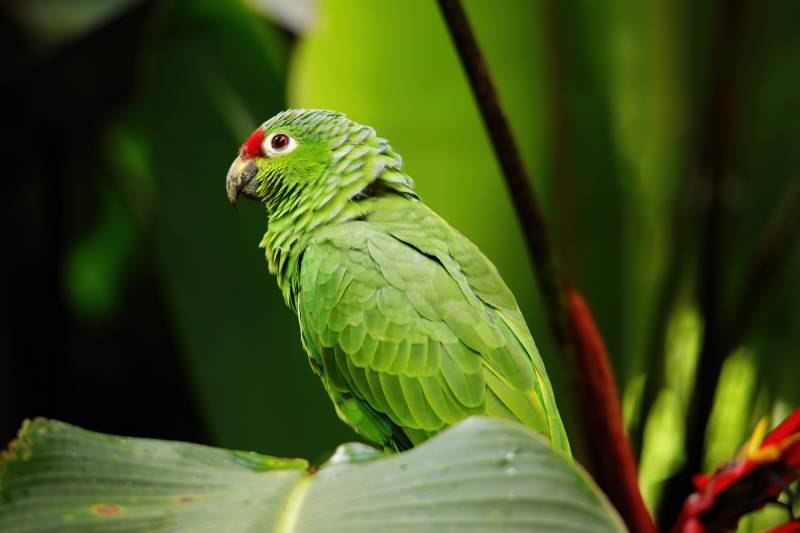
With playful personalities and even temperaments, parrots can be fun animals to hang out with. They tend to have a great deal of energy throughout the day, which can result in mischievous behavior if they are not mentally and physically satisfied. Keeping in mind that there are hundreds of different parrot species, not all are created equal in terms of personality and temperament.
While some parrot species are boisterous and “talkative,” others are quiet and docile. Most parrots are sociable to some degree, though, so they rely on regular interaction with their human companions when living in captivity. They enjoy being part of the family and don’t appreciate being left to keep themselves entertained all the time.
Training
Not only are parrots intelligent enough to train, but every owner should also engage in training their bird from a young age to encourage proper social interaction, build a deep bond, and ensure that vocalization does not become burdensome or annoying to the household and neighbors. Parrots can also learn tricks, like fetching toys and even acting “dead.” Training can take a while, though, so patience and persistence are necessary.

Diet and Health
Parrots should eat a diet that consists of commercial species-appropriate parrot pellets, fruit, and vegetables, with other additions dependent on their species. About 50 to 70% of their diet should be made up of pellets, as these are specially designed to provide parrots with all the nutrients that they need for good health. However, the ideal pellet is different between species. The fruits, and veggies that they consume should make up between 30% and 50% of their diet. Parrots should never eat avocado, onion, garlic, or chocolate as these foods are toxic to them.
Various health conditions are common among parrot species, so proper veterinarian care should be provided when appropriate and necessary. These conditions include:
- Hypocalcemia
- Obesity
- Tumors
- Polyomavirus
- Psittacosis
- Bacterial disease
Suitable For:
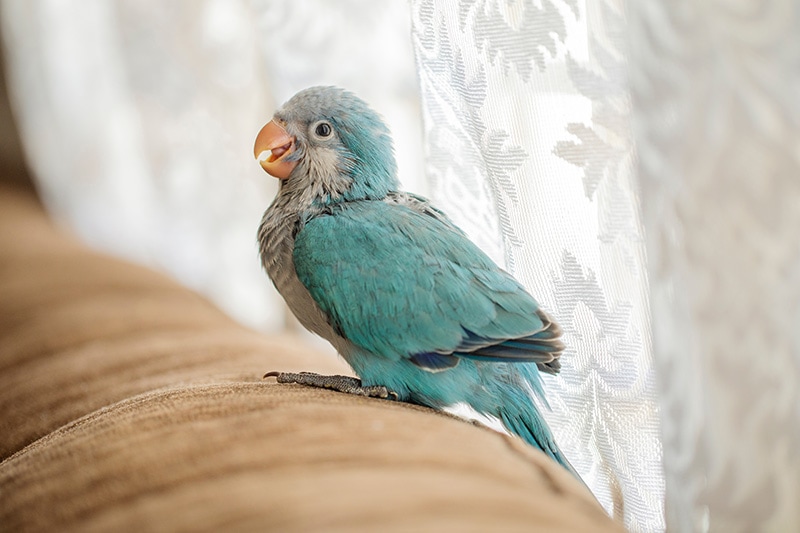
Parrots are diverse creatures, and each type has their personality and temperament to consider. Therefore, it is important to research any type of parrot that you are considering acquiring as a pet to make sure they would be well suited to your household and lifestyle.
Some parrots, like Cockatiels, are generally good with families and first-time bird owners. Others, like Conures, are better suited for adults and experienced bird owners. That said, parrots in general are intelligent, interactive, trainable, curious, as well as quite messy and loud, so all these things should be kept in mind when determining whether this bird is the right kind of pet for you, as they require a lot of work.
Pros
- Impressive lifespan: up to 80 years
- Highly intelligent, a joy to train
- Come in different shapes and sizes
Cons
- Need a big and pricey cage
- Can be vocal, bite when provoked
Parakeet Overview
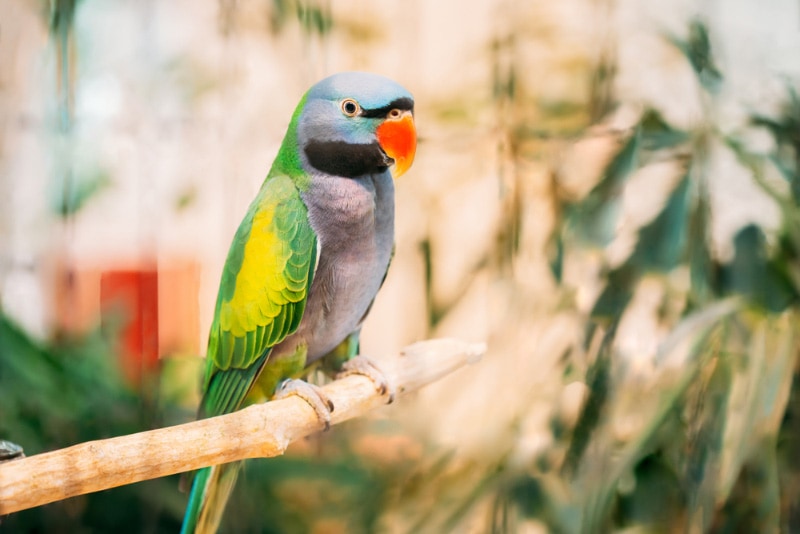
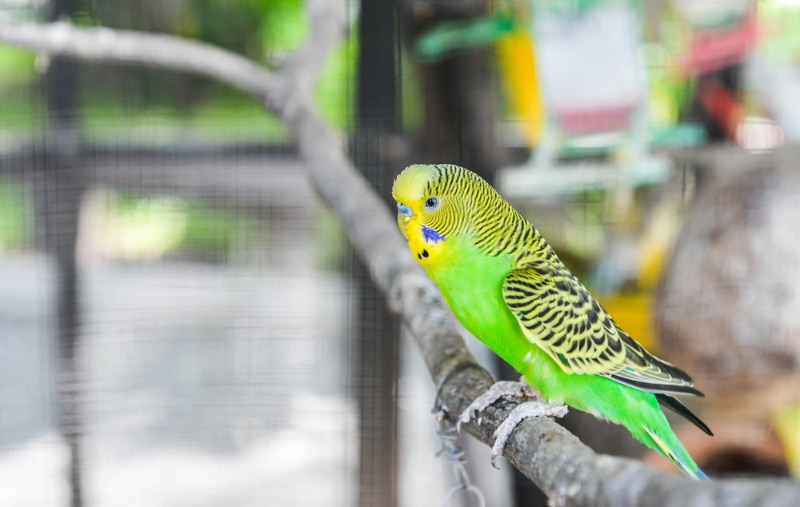
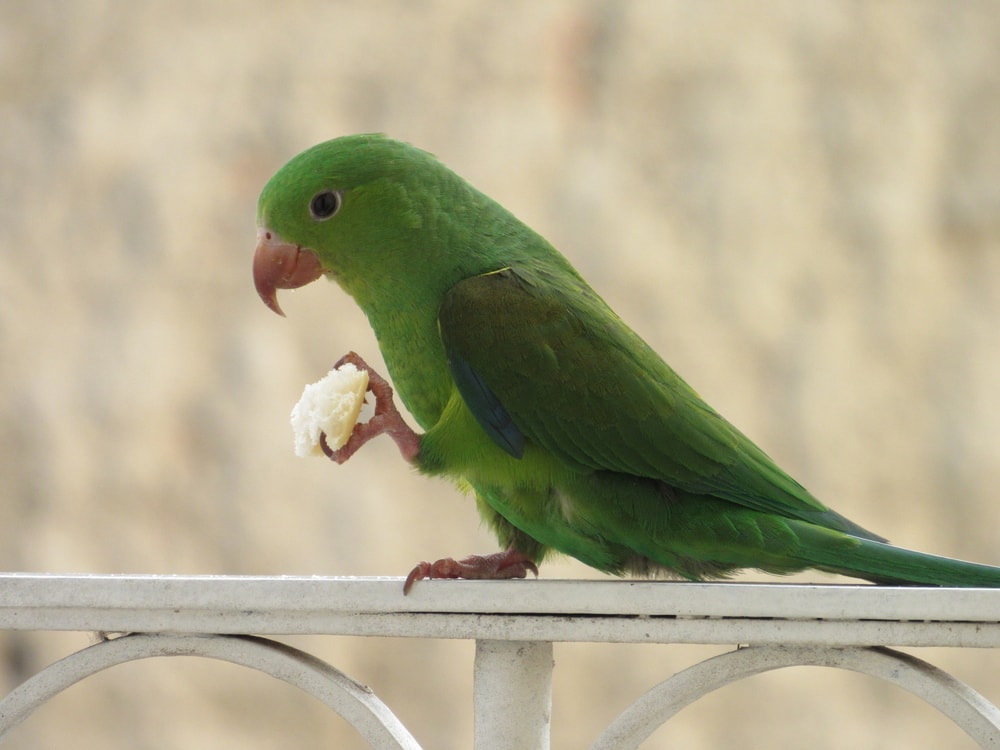
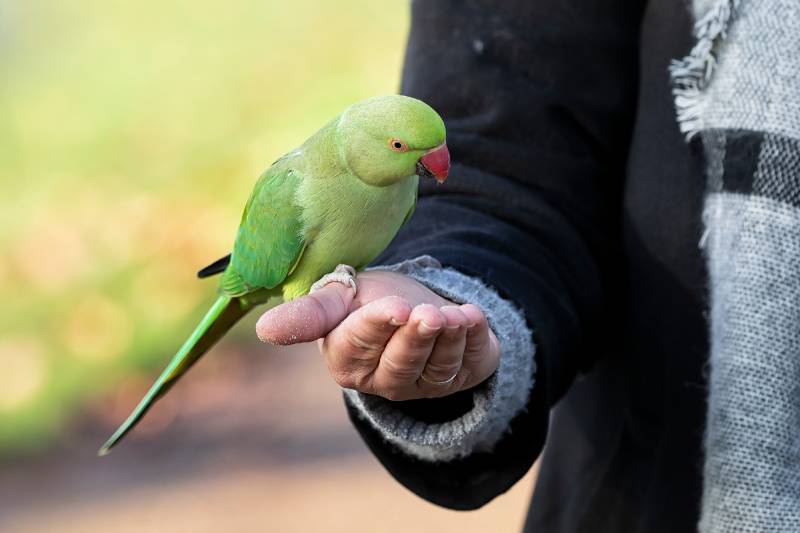
There is a bit of confusion around parakeets. These are a type of small parrots of which there are many species. However, in many places around the world people mean budgerigar, lovingly referred to as budgies when they are talking about parakeets, and use the names interchangeably. From here we will be referring to budgies and not other types of parakeet.
These birds hail from Australia, where they live in colonies or flocks. With an average lifespan of between 8 and 12 years, they don’t live as long as other, larger parrot species, which can sometimes live 50 years or more. However, well-cared-for parakeets have been known to live for up to 20 years as pets.
Parakeets are among the least expensive pet birds on the market and can be purchased for less than $50 in most cases. Many people prefer to purchase parakeets in pairs to ensure that they do not get lonely when no human companions are around to keep them company.
Personality / Character
Parakeets are known for being extremely social and interactive in their home environments. They can easily get behavioral problems when neglected, so it’s important to make sure they have a habitat mate in the form of another parakeet if a human isn’t around to keep them company for most of the day. These small birds are usually gentle and take well to being handled by their companions if socialized properly. Parakeets are playful by nature, and they tend to love singing and chirping when they’re feeling content with their surroundings.
Training
Just like most other parrots, the parakeet is smart and can be trained to do things like sit on shoulders and perform a variety of tricks. They can also be taught to sleep and rest quietly throughout the night by placing a cover over their cage. Using treats as positive reinforcement can help make training a parakeet more efficient and effective overall.
Diet and Health
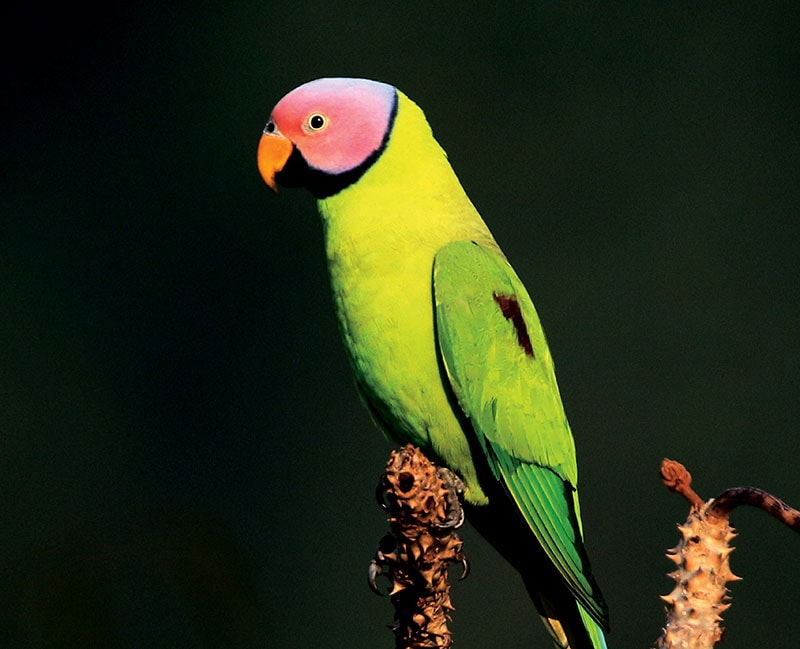
In the wild, parakeets eat seeds, grass, fruits, and berries. They might sometimes eat small insects when they’re easily accessible. As pets, they should eat a variety of foods, including pellets and fresh veggies, grains, and fruits. Commercial foods made up of seeds are high in fat and do not contain all the nutrients that parakeets need to stay healthy, so they should be avoided. Offering a few seeds each week as a snack is okay unless obesity is a problem or becoming overweight is a concern.
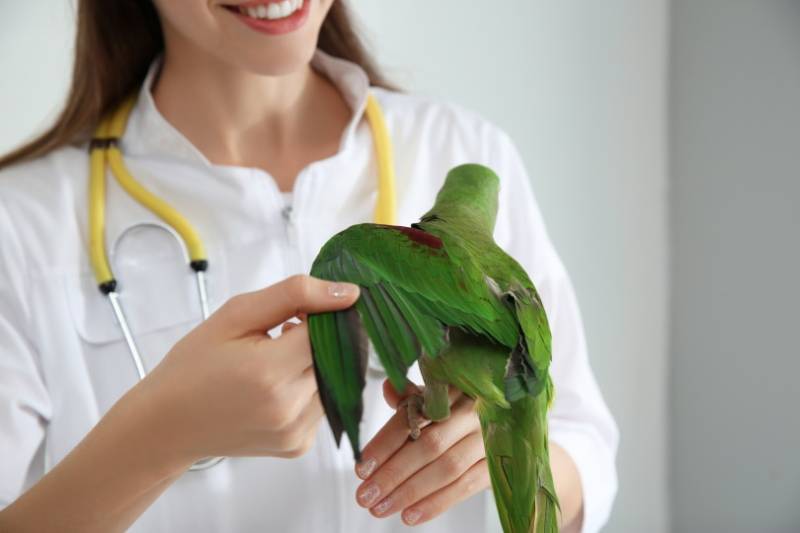
As for health conditions, parakeets are susceptible to the same problems that parrots are in general. Conditions that parakeets specifically may be susceptible to include:
- Mites
- Lameness
- Nutritional diseases
Suitable For:
Parakeets make excellent pets for families with and without children, but children must be taught how to handle them respectfully. They tend to be gentle while being handled, though they can nip when they feel threatened or get riled up. They require a great deal of attention and interaction, so they are not ideal for those who spend most of their time away from home. Families that spend the week at school and work can keep their pet parakeets happy by giving them friends to live with.
Pros
- Low maintenance, not at all messy
- Make for excellent starter pets
- Affectionate, create strong bonds
Cons
- Not suitable as lifelong pets
- You might have to adopt a pair
Which Bird Is Right for You?
Parakeets are parrots, so if you’re interested in a parrot as a pet, you just have to decide whether the parakeet is right for you or whether you should look at a different type. Parakeets are ideal for beginners, kids, and active households that have plenty of time for interaction and socializing with their birds. If the parakeet doesn’t seem to be the right type of parrot for you, keep researching birds until you find one that you’re excited about spending your life with.
Also see:
Featured Image Credit: Left: Parrot (Karel Stipek, Shutterstock) , Right: Parakeet(Jyotirmoy Golder, Shutterstock)
Get Hepper In Your Inbox


Pet care tips from our vets and experts, straight to your inbox.
You may opt-out at any time. View our Privacy Policy for more information.
Rachael has been a freelance writer since 2000, in which time she has had an opportunity to research and write about many different topics while working to master the art of fusing high-quality content with effective content marketing strategies. She lives off the grid in Hawaii with her husband, her garden, and her rescue animals including 5 dogs, a cat, a goat, and dozens of chickens. She is an artist at heart and loves to read, paint, and make jewelry in her spare time. As a vegan, Rachael is obsessed with helping animals in need both in her community and anywhere in the world where she feels she can make a difference. Animals also happen to be her favorite topic to write about!
Join the conversation
Ask a question, share your story, or send private feedback.