Hepper is reader-supported. When you buy via links on our site, we may earn an affiliate commission at no cost to you. Learn more.
Parrotlet vs. Parakeet: Vet-Reviewed Differences (With Pictures)


In this article
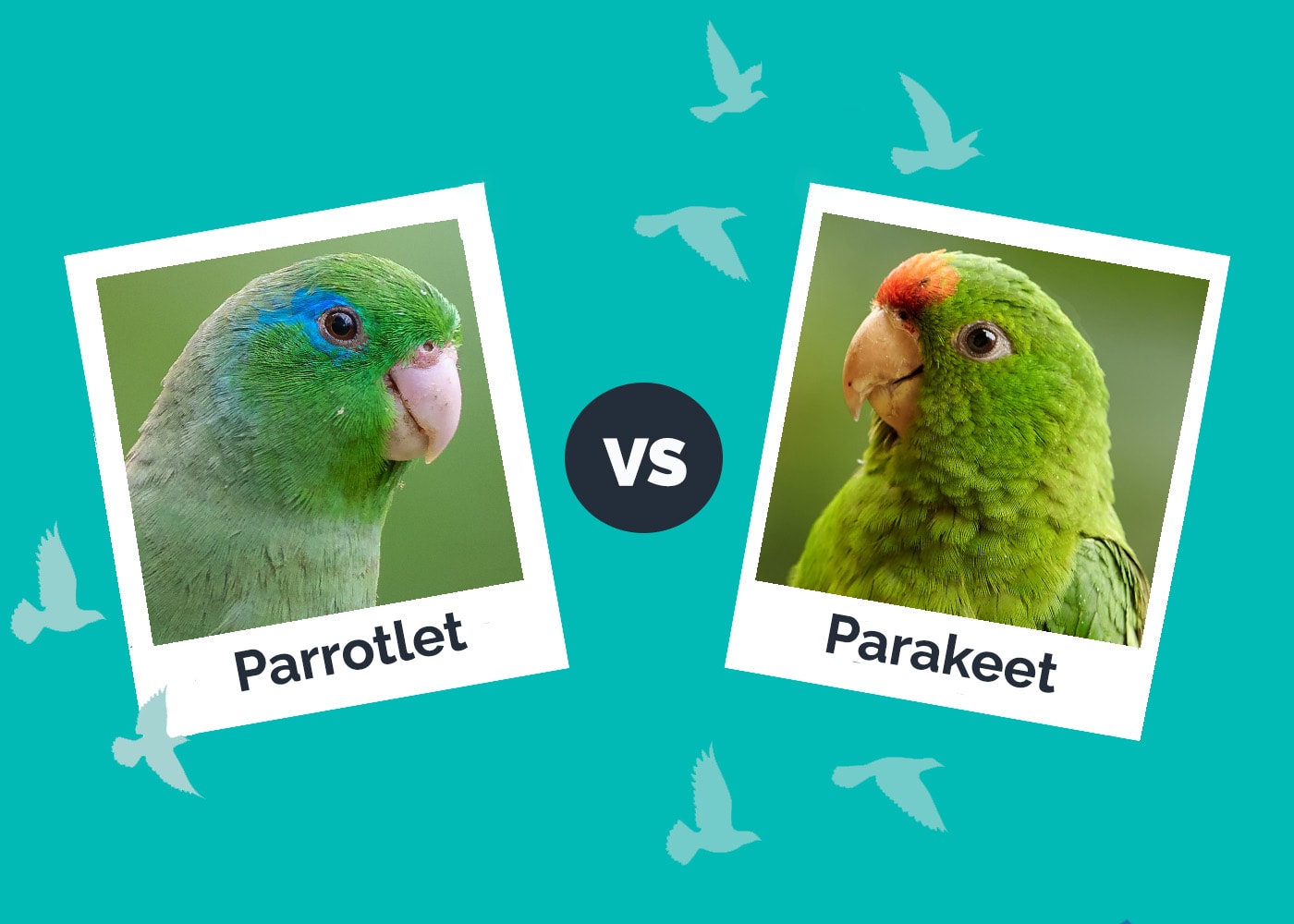
Parrotlets and parakeets are both popular varieties of small parrots to keep as pets. However, their differences can make it difficult to choose between them, especially if this would be your first bird. If this sounds like your situation, keep reading as we look at these two types of small parrots and discuss their personality, appearance, and trainability to help you make an informed decision.

Visual Differences
At a Glance
Parrotlet Overview
Personality / Character
Parrotlets are confident and bold birds with a fearless attitude despite their tiny size. They can be fun to watch as they explore their environment and investigate their toys. They are playful but not usually very noisy birds. They can learn to mimic sounds and words but are not considered to be the best talkers of the parrot family. They can be territorial and be protective of their cage or favorite toys. Pet parrotlets are usually kept as single birds.
Appearance
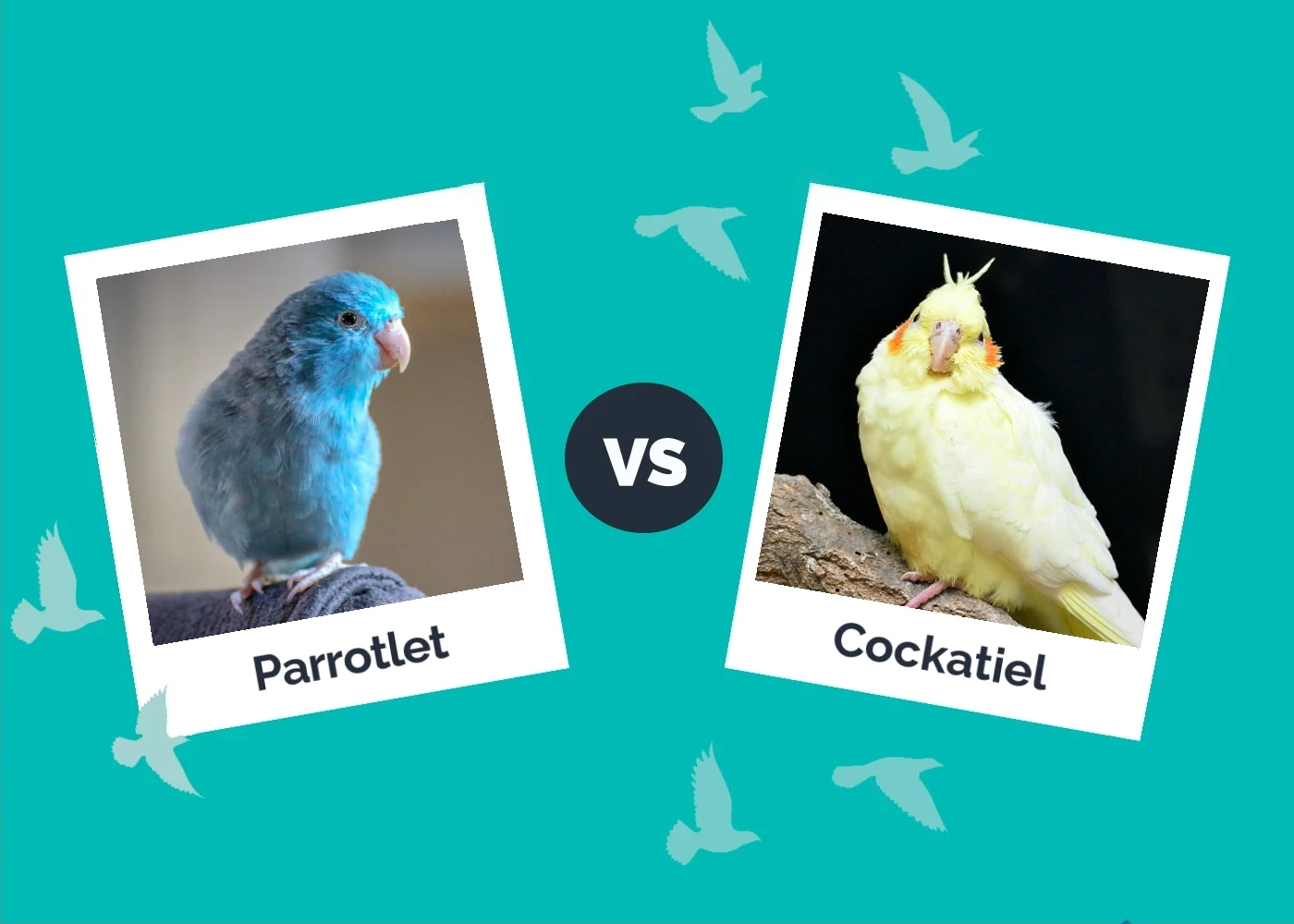
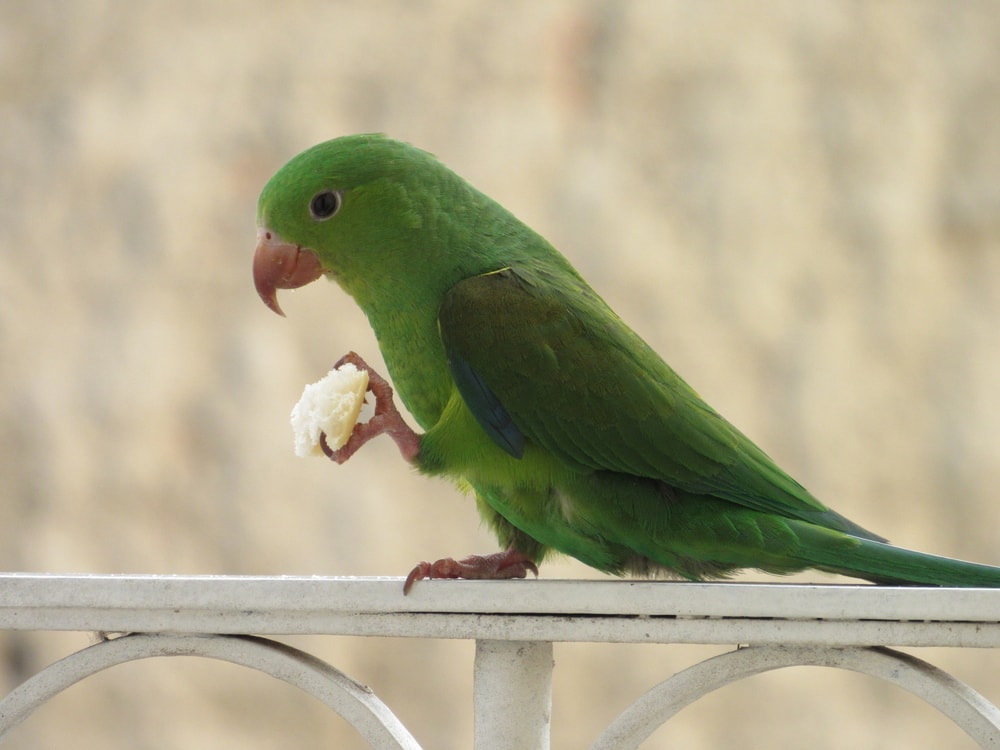
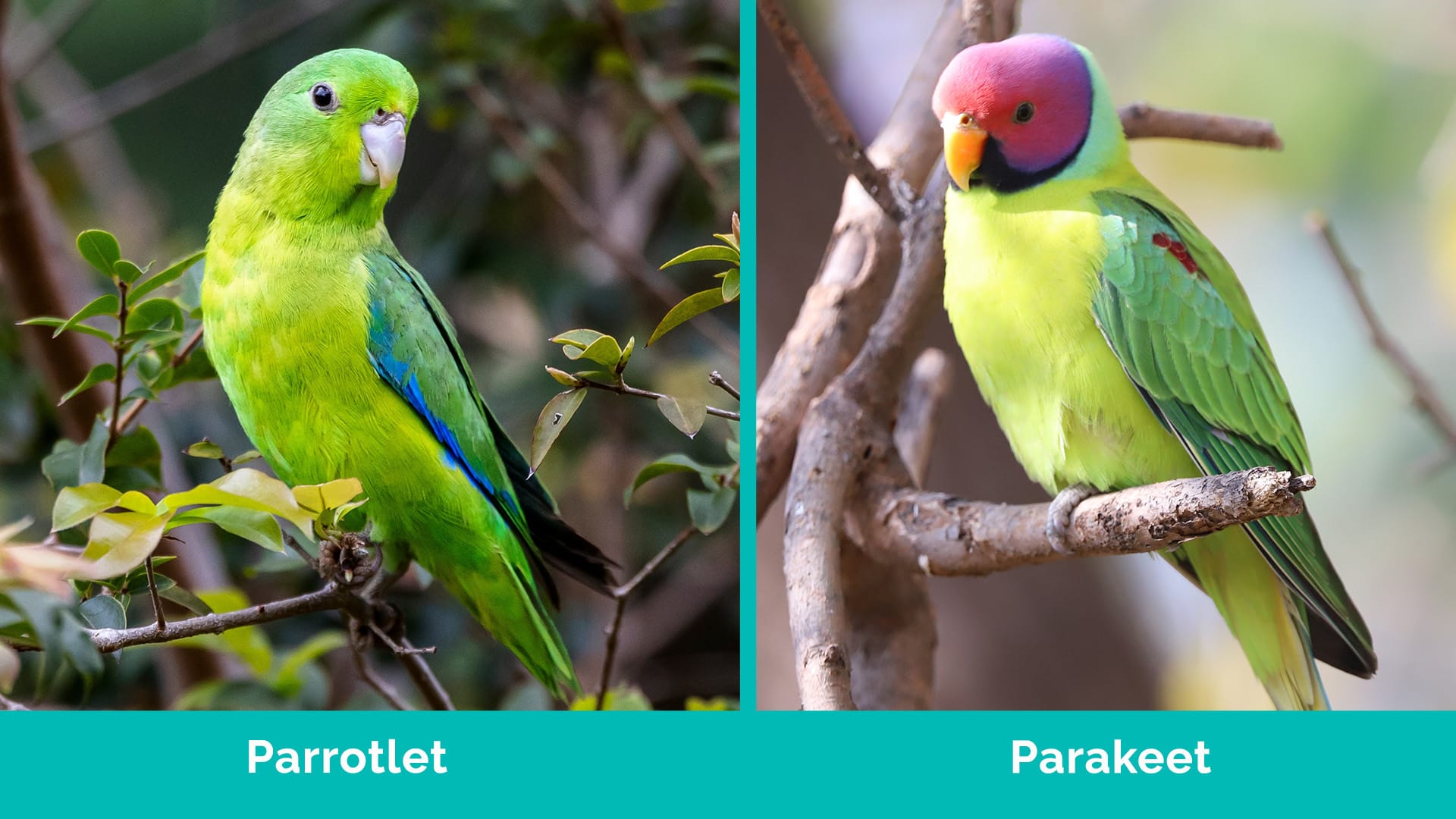
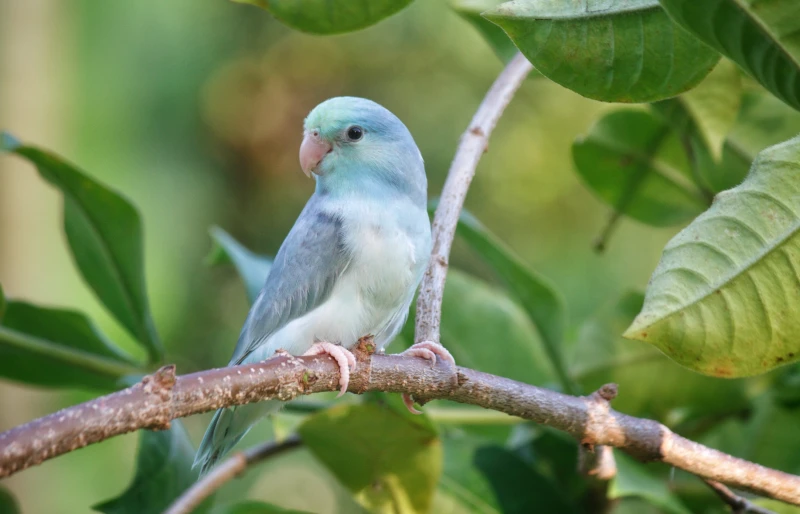
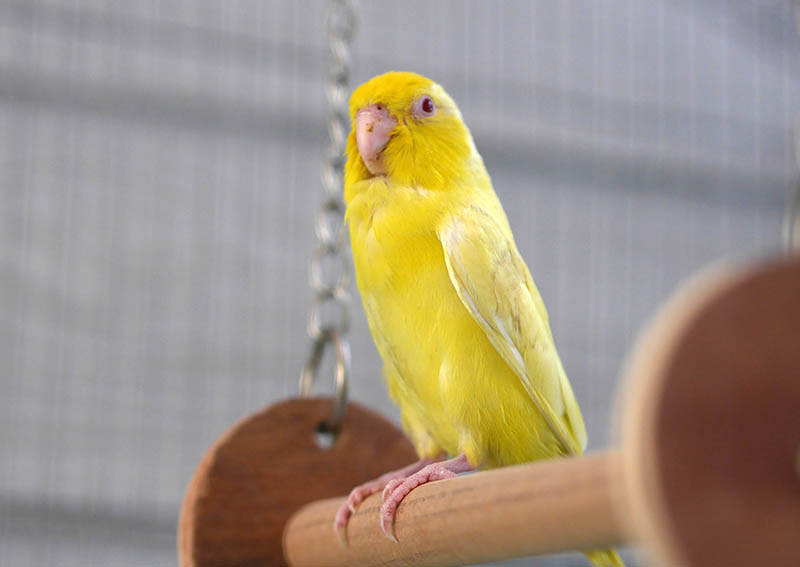
Parrotlets are among the smallest parrot species, with an average length of 4.5–5.5 inches from the top of their heads to the tip of their tails. They come in various colors and patterns, including bright greens, blues, and yellows, and mutations can produce even more color combinations. They have small, hooked beaks for cracking seeds and short square tails.
The two most common species of pet parrotlets are the Pacific parrotlet (Forpus coelestis) and the green-rumped parrotlet (Forpus passerinus). The Pacific parrotlet originates in Mexico and Central and South America. The male is green with a blue streak behind the eye and blue on their rump and win-coverts. Females do not have the blue coloring.
Training
Parrotlets are intelligent and capable of learning various tricks and behaviors. While their small size might limit the complexity of some tricks, there are many others that they can perform. For instance, you can teach your parrotlet to step onto your finger or a perch, touch a target stick with their beak or foot, make a 360-degree turn on a perch or your hand, fetch toys, wave hello, and play dead. For best results, keep your training sessions short and consistent, and provide plenty of positive reinforcement. If not handled regularly parrotlets can become aggressive and have a strong bite despite their small beak.
Suitable For:
Parrotlets can be a good fit for individuals who have experience with pet birds or have owned parrots before. Their intelligence and assertive nature may be better understood and managed by experienced bird owners. Their low noise level makes them a good choice for apartments, but owners need to be able to make a 15-20-year commitment, as that’s how long many of these birds live.
Parakeet Overview
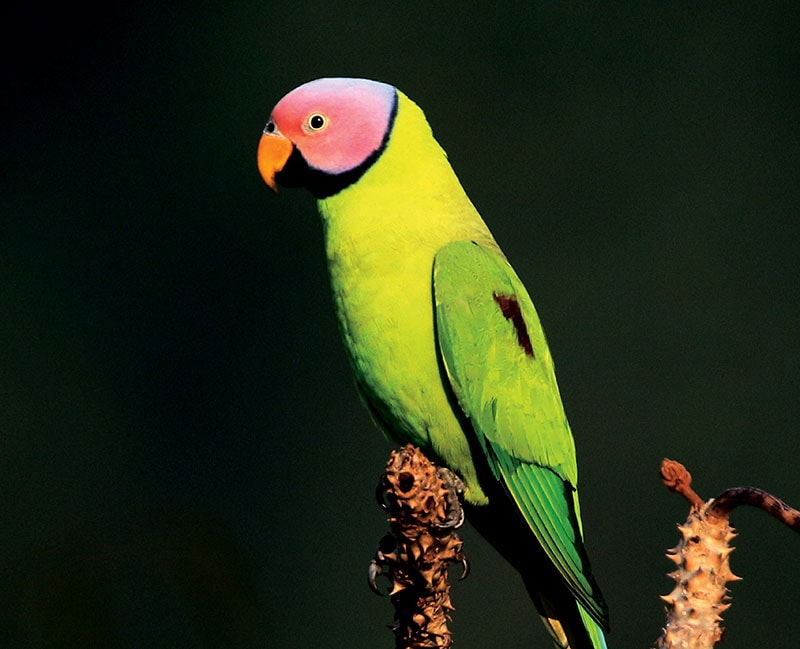
Personality / Character
Parakeets are highly social birds that enjoy interacting with their human keepers and often form strong bonds with them. As a general rule, if you are unable to dedicate a lot of time to your parakeet each day, they will be happier in pairs or small groups. They are curious, playful, vocal, and intelligent, so they can be great fun for the entire family. They enjoy mental challenges and problem-solving, and with proper training, they can become very tame and friendly. They are adaptable and can fit well into various living situations, including apartments and family homes. They are rarely aggressive but can occasionally become territorial over their habitat or their favorite toys, so it will be important to watch them carefully when introducing a new bird.
Appearance
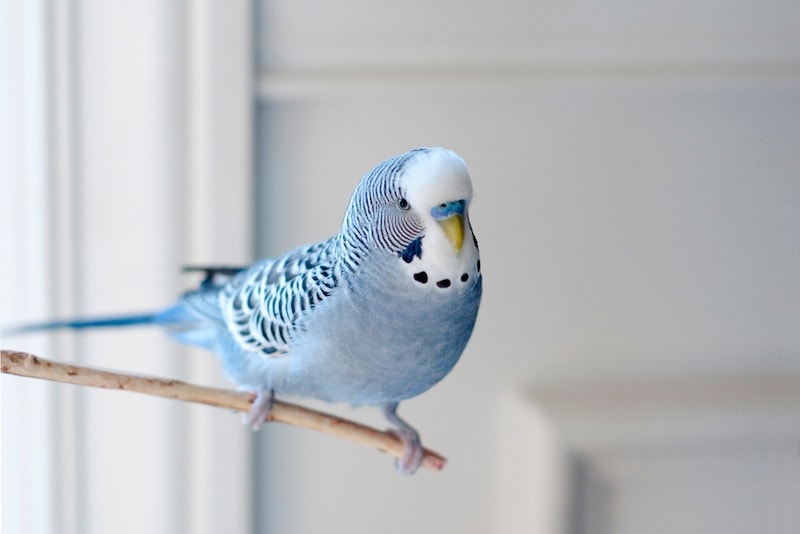
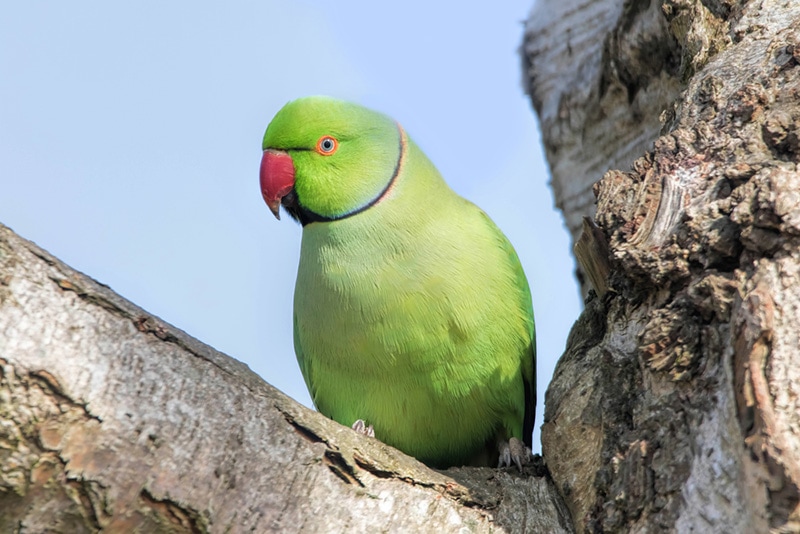
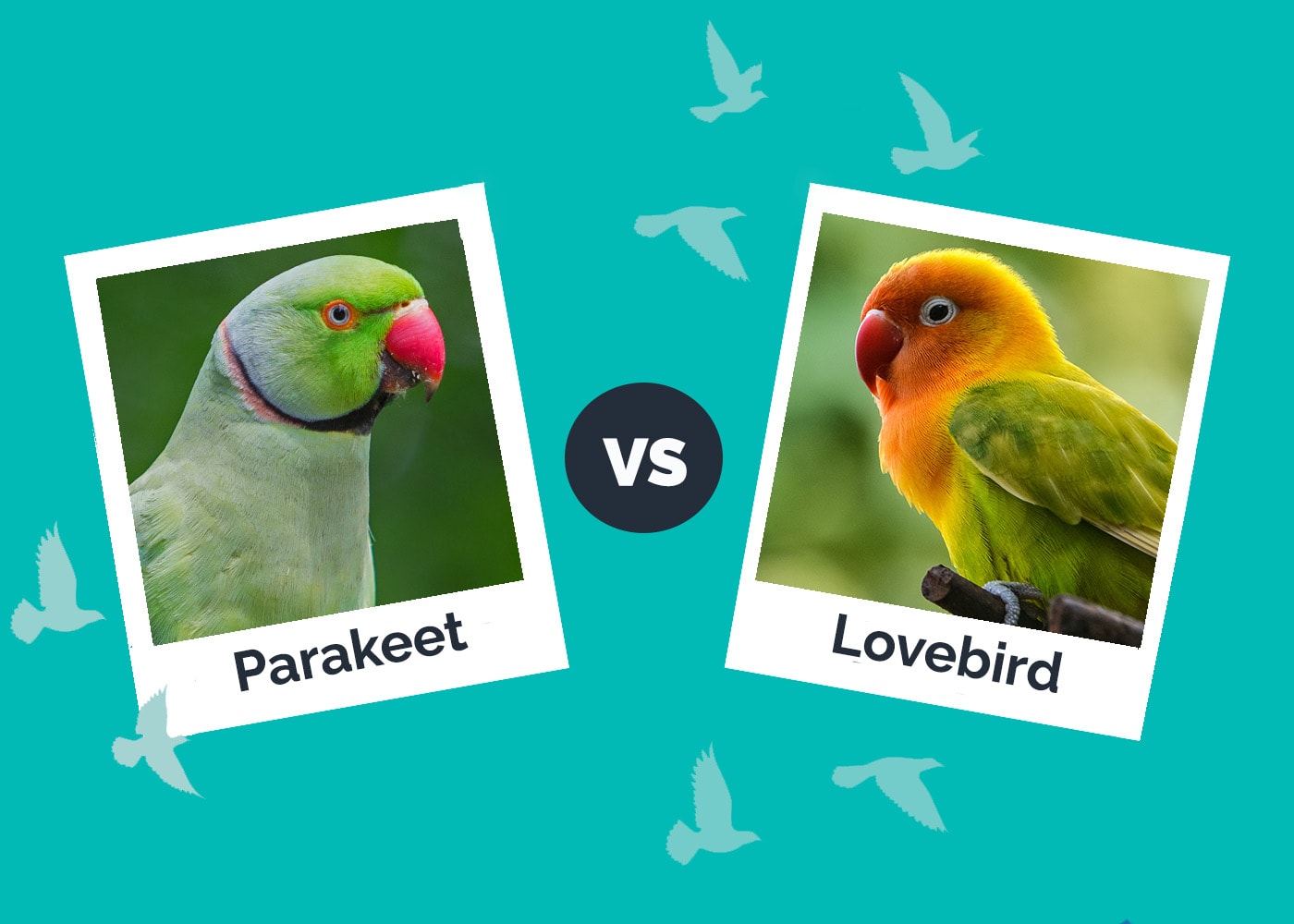
Parakeets refers to a number of small, slender parrots with long tapering tails that come in a wide range of different colors. Their size and appearance varies depending on the species but even the smallest budgerigar (Melopsittacus undulatus) is 7-8 inches long and larger than parrotlets. Indian ring-necked parakeets (Psittacula krameri) are around 16 inches long, and the largest species, the Alexandrine parakeet (Psittacula eupatria), can measure up to 24 inches.
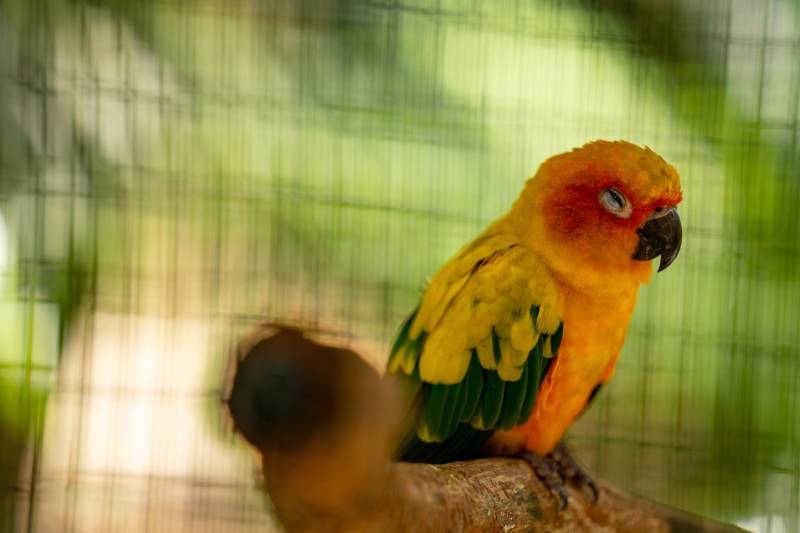
Training
Like parrotlets, parakeets are intelligent and trainable birds capable of learning various tricks and behaviors. However, they are often more enthusiastic about learning, so they’re a great choice for someone looking to get into bird training. Many parakeets can also mimic complex sounds and may even learn a few words if you are lucky and patient.
Suitable For:
Parakeets are great options for almost anyone looking to raise a bird, even first-time owners. They are usually gentle and calm birds so are well suited to families, and they are adaptable to small apartments. If kept alone they need plenty of time and companionship from their owners.
Which Breed Is Right for You?
The type of bird that is right for you comes down to your personal preferences, as both parrotlets and parakeets make wonderful pets and are available in a wide variety of colors. However, if it’s your first bird, we recommend a parakeet because they tend to be more docile and easier to train. Parrotlets have more of a tendency to be a bit feisty, and can be territorial and aggressive, so they may not be suitable for families with younger children and other pets.
Featured Image Credit: (L) Peter-Hg, Shutterstock | (R) Martin Mecnarowski, Shutterstock
Get Hepper In Your Inbox


Pet care tips from our vets and experts, straight to your inbox.
You may opt-out at any time. View our Privacy Policy for more information.
Ed Malaker is a veteran writer who has contributed to a wide range of blogs that cover pets, tools, guitars, fitness, and computer programming. When he’s not writing, Ed is usually performing DIY projects around the house or working in the garden. He’s also a musician and spends a lot of time helping people fix their guitars and composing music for independent films.
Join the conversation
Ask a question, share your story, or send private feedback.