Hepper is reader-supported. When you buy via links on our site, we may earn an affiliate commission at no cost to you. Learn more.
Parakeet vs Lovebird: Vet Reviewed Differences (With Pictures)
In this article
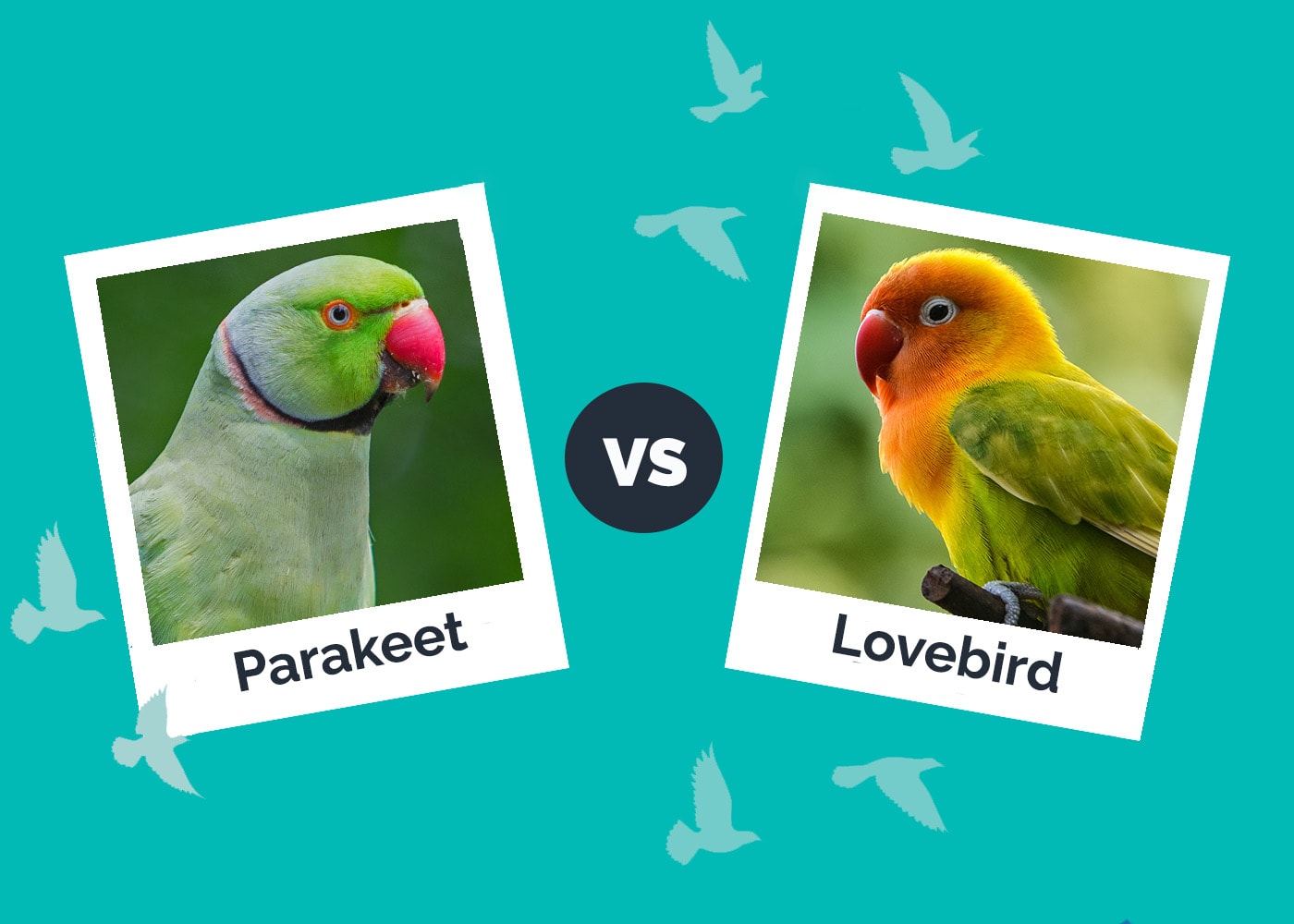
Birds are one of the most commonly kept pets worldwide, so if you’re considering becoming a bird-owning household, you would be in great company. The most challenging decision you’ll now face is what bird species to keep. Parakeets and lovebirds are among the two most popular parrot species, but neither is right for every family.
Parakeets tend to make better companions for families with young children as they’re easier going and less likely to nip. Don’t totally discount the lovebird, however, as these beautiful birds are more vibrant and less demanding than parakeets. Confused? Read on to learn everything you need to know about both species so you can decide which will fit better in your family.

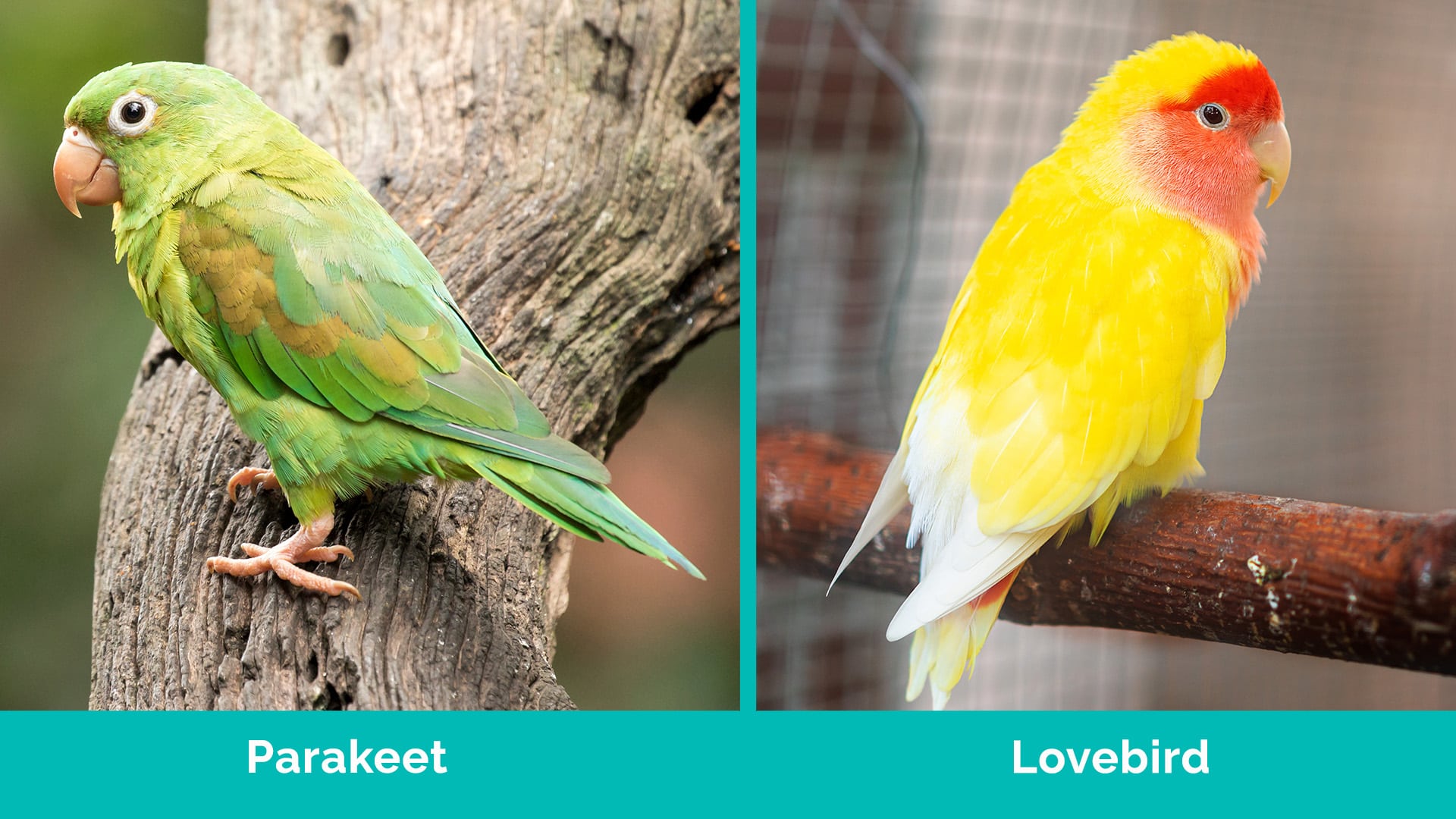
Visual Differences
At a Glance
Parakeet Overview
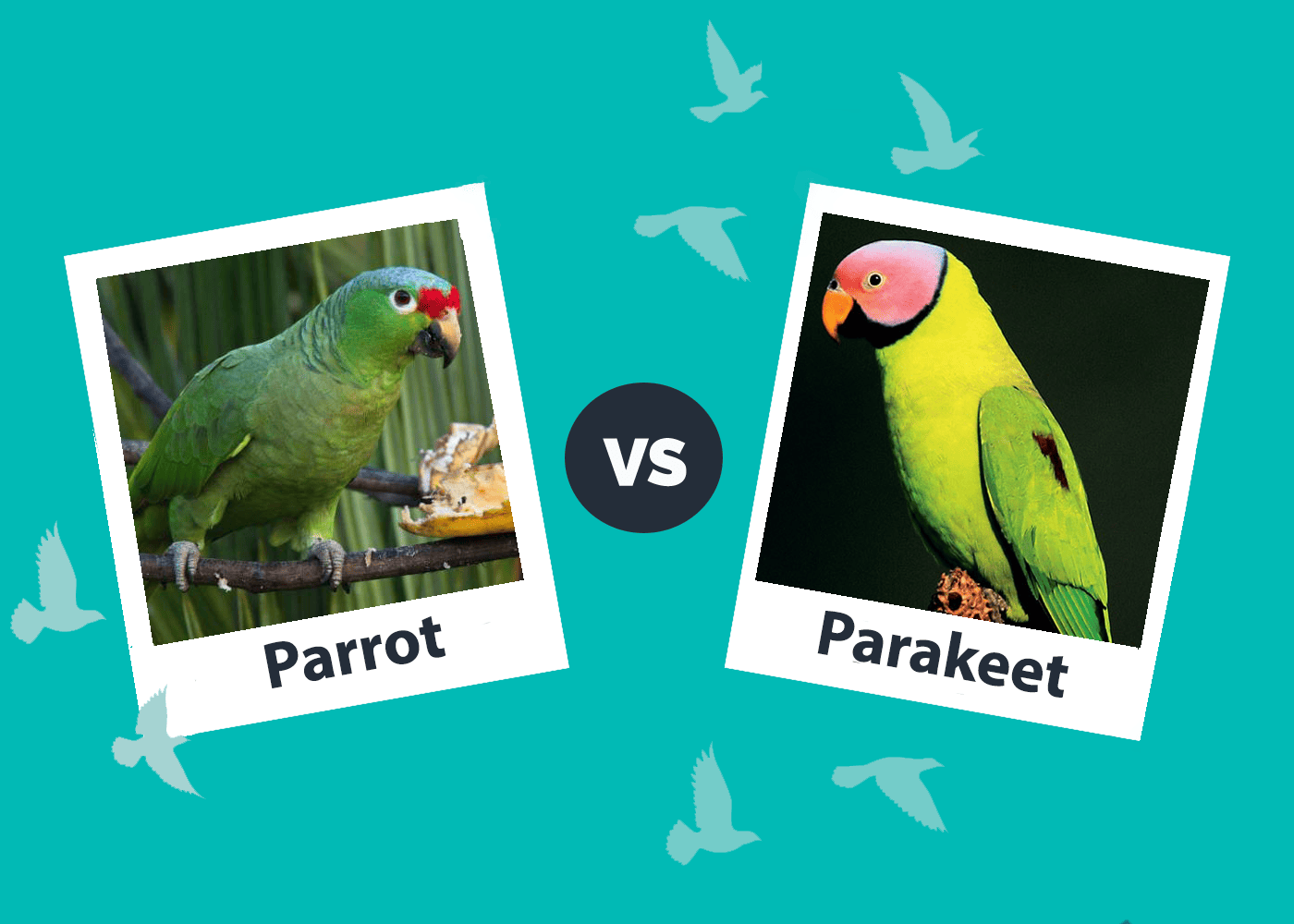
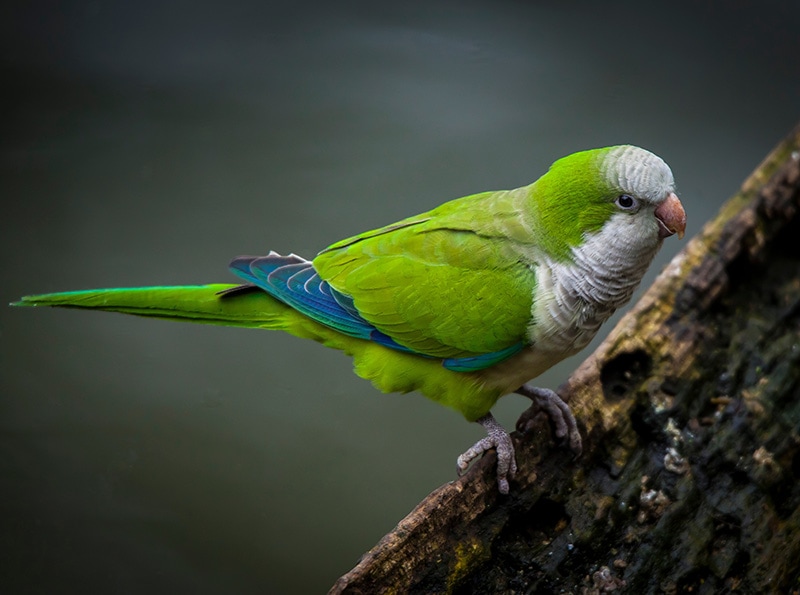
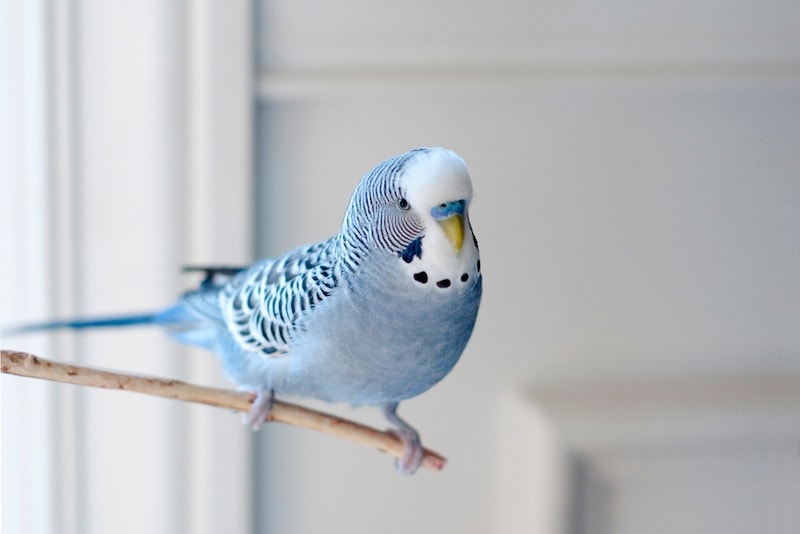
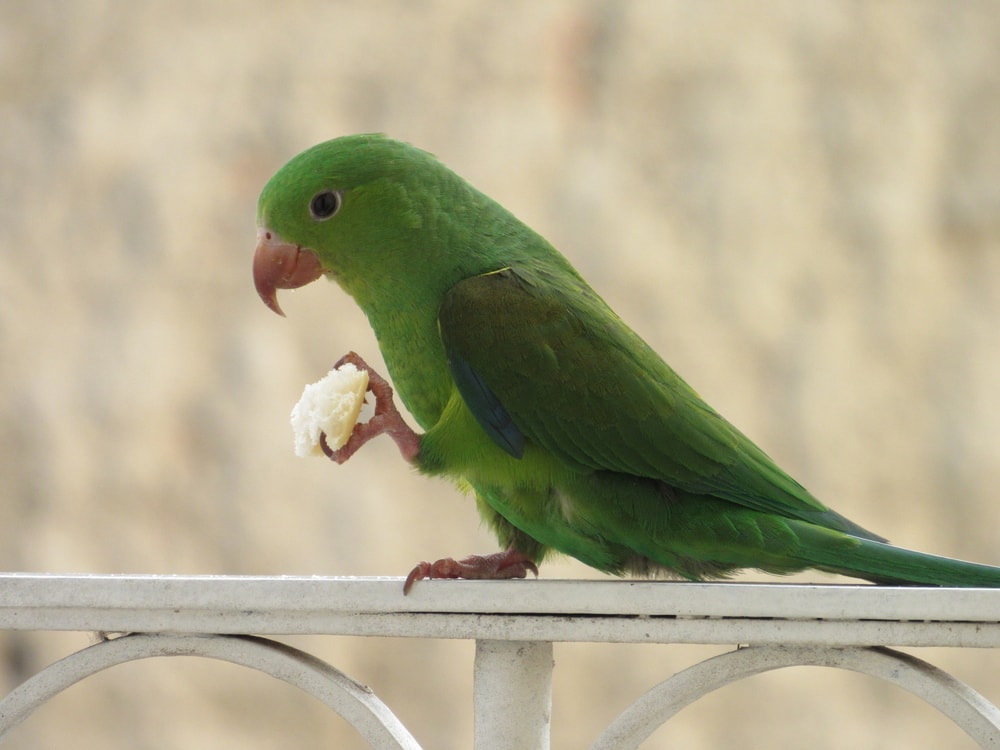
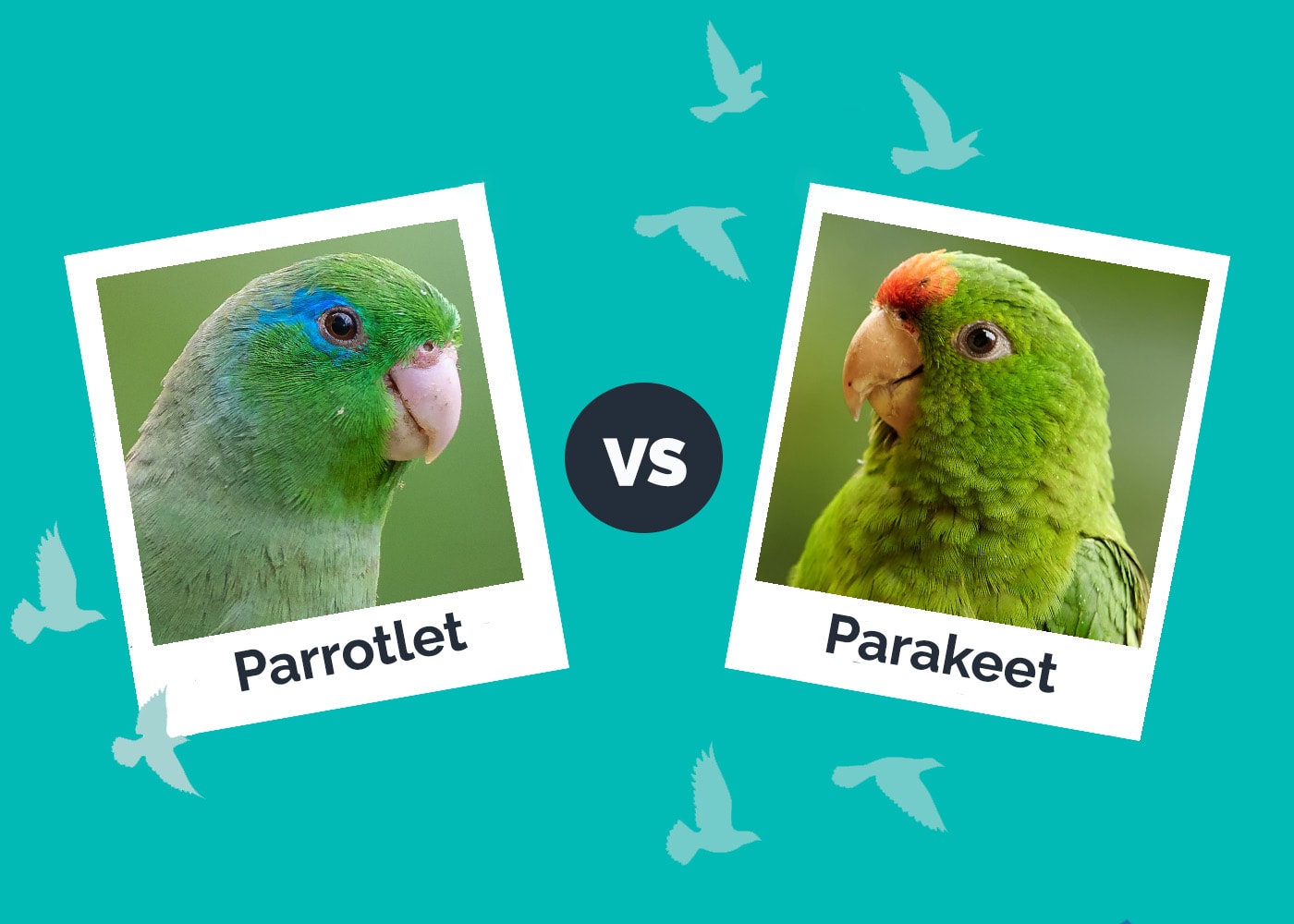
This is where it gets a little complicated. All parakeets are parrots but not all parrots are parakeets. There are around 115 different species of parakeet, which are generally small to medium-sized parrots with long tapering tails and belonging to the superfamily Psittacoidea. The Australian Budgerigar, Melopsittacus undulatus, is probably the most popular species of parakeet as it is the one most commonly kept as a pet throughout North America and Europe. Other names that you may come across are “budgie”, and “conure” and these should not be used interchangeably as they refer to different types of parakeet.
Appearance
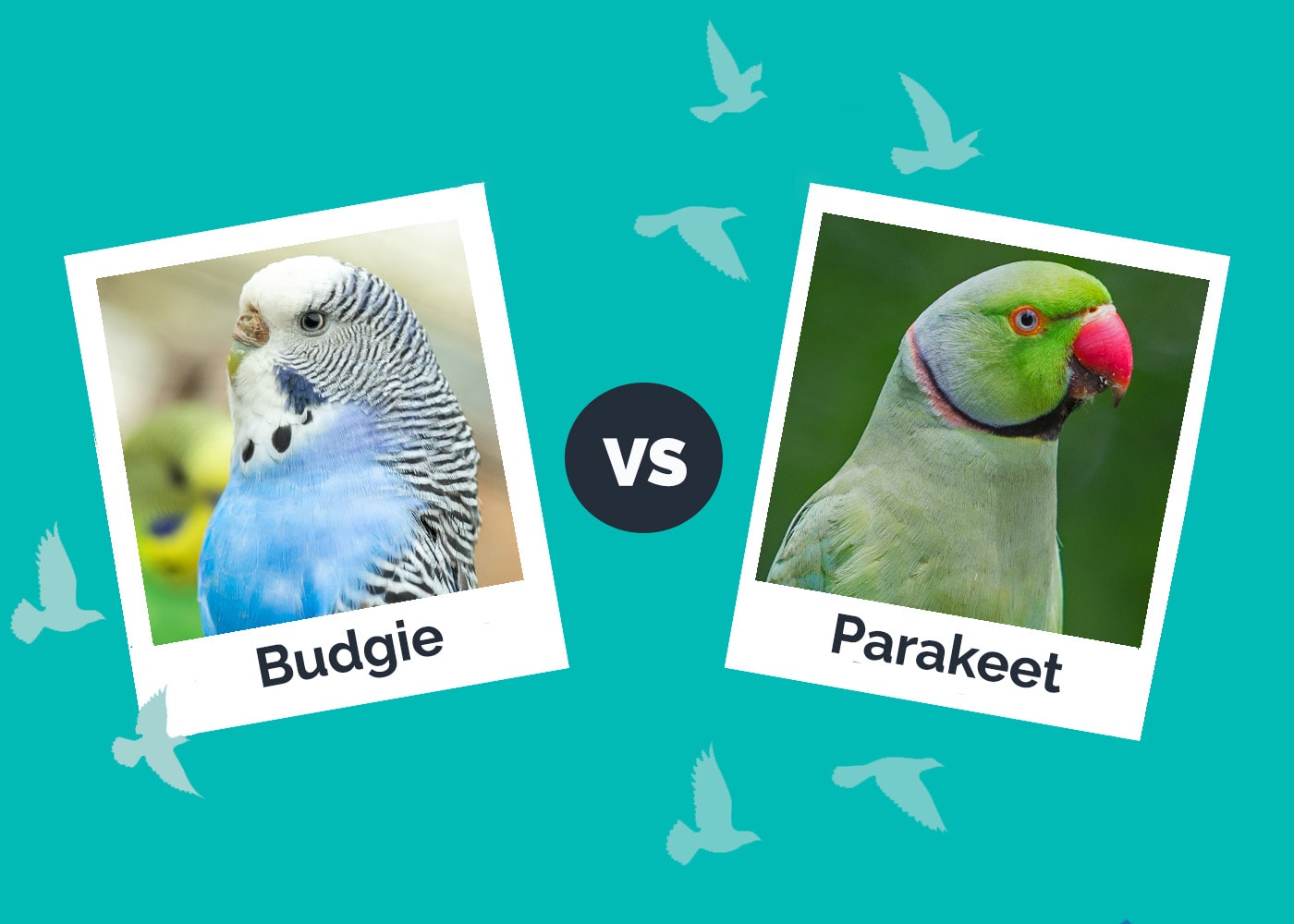
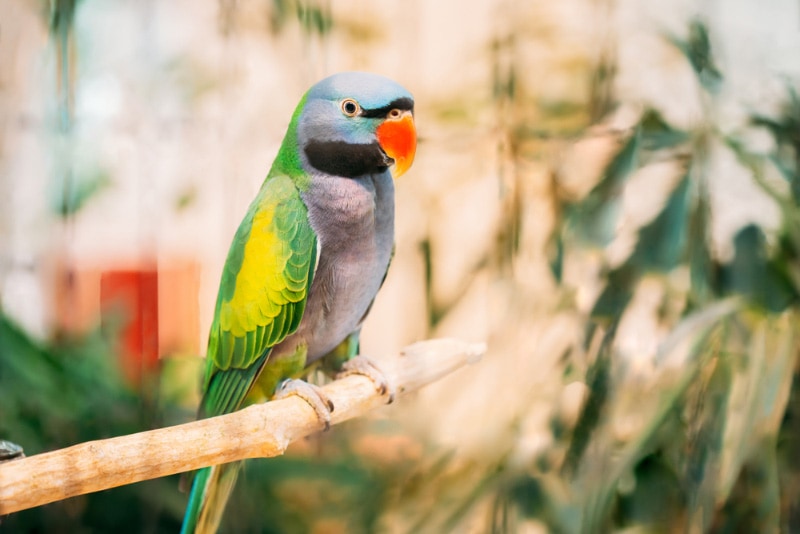
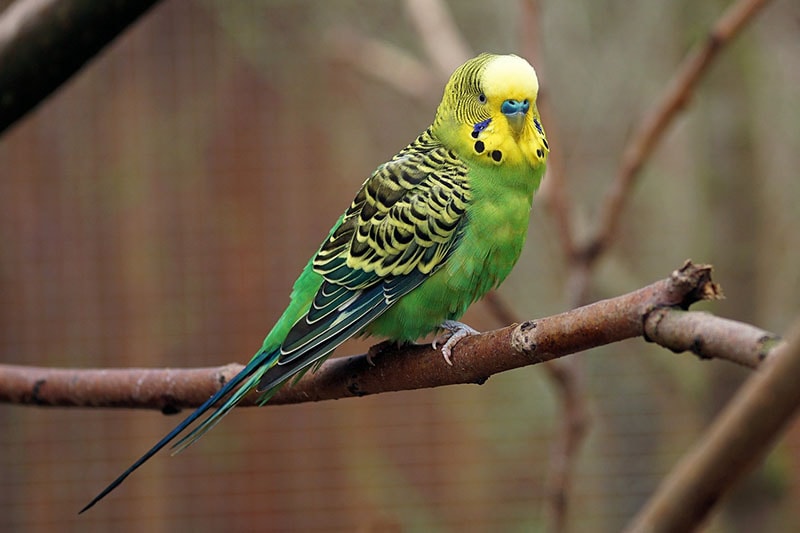
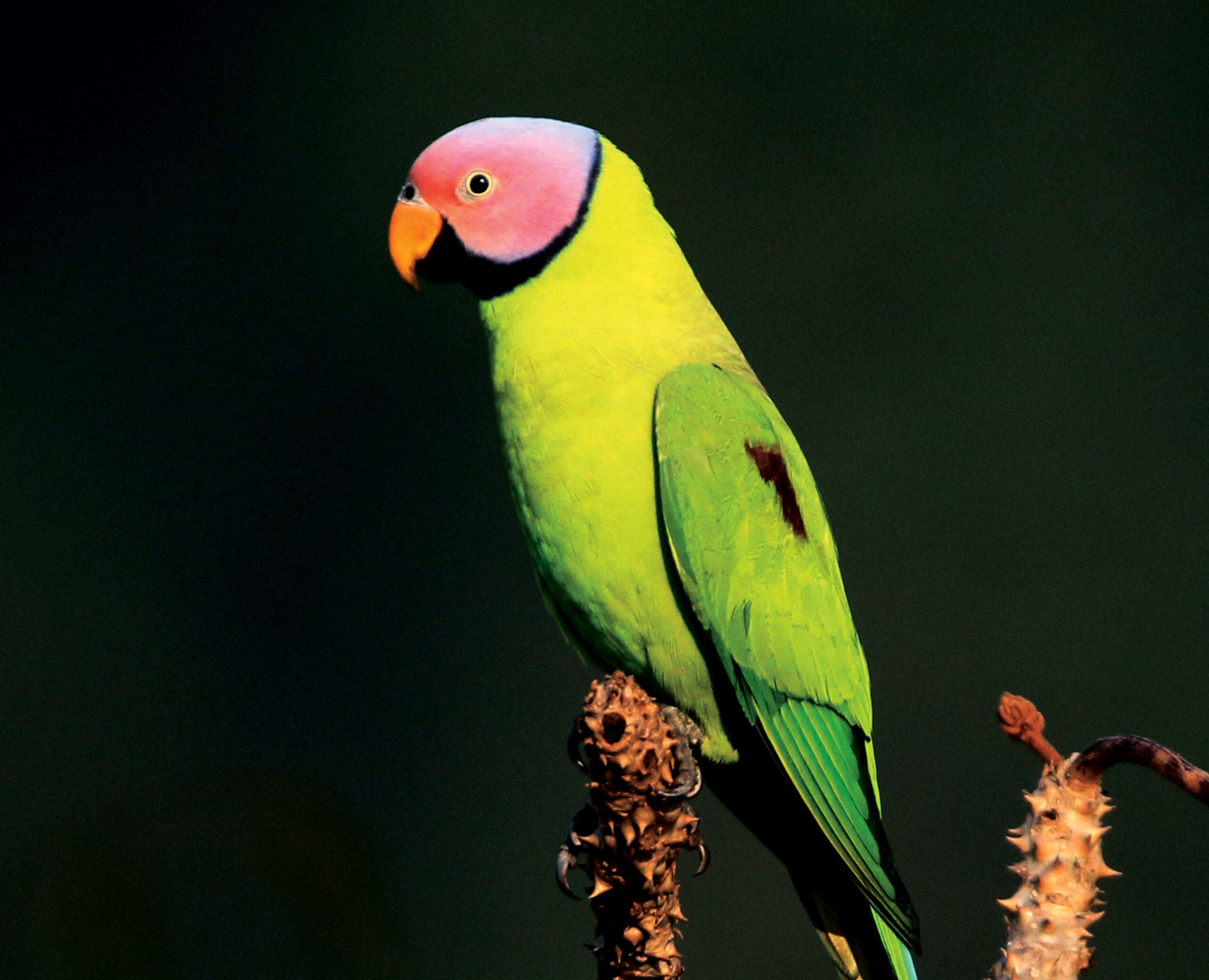
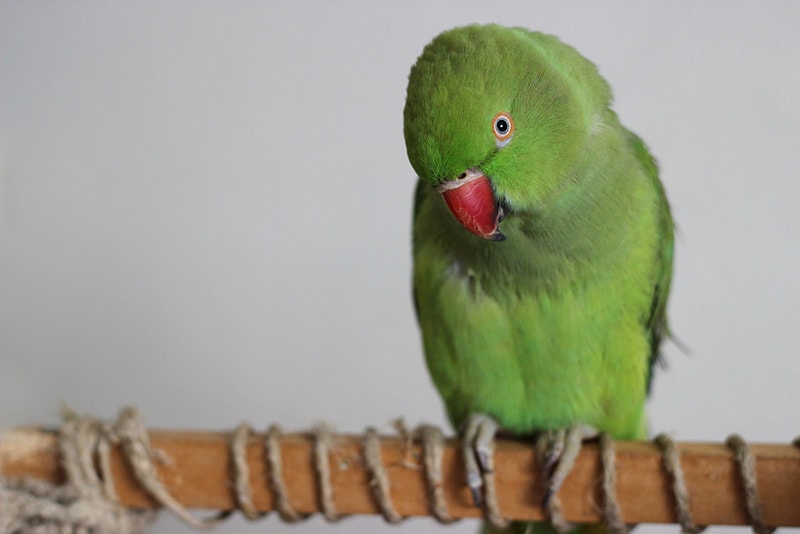
Parakeets have long tails and vary in color depending on their species. Their bodies are slender and vibrant in color. The parakeets most commonly kept as pets are typically pale green with black barring on their wings, heads, and backs.
Personality
Parakeets are generally very social little birds that can thrive solo or in groups. Most parakeet owners choose to keep at least two, providing their pets with a built-in friend. Wild parakeets often live together in large groups, so if you decide to have only one, you must spend as much one-on-one time with your bird as possible to keep them happy, healthy, and fulfilled.
Parakeets are very loving and playful creatures. They thrive in environments where their humans will give them attention and plenty of daily interaction. That said, they do have an independent streak, and some may require less attention because of it.
Training
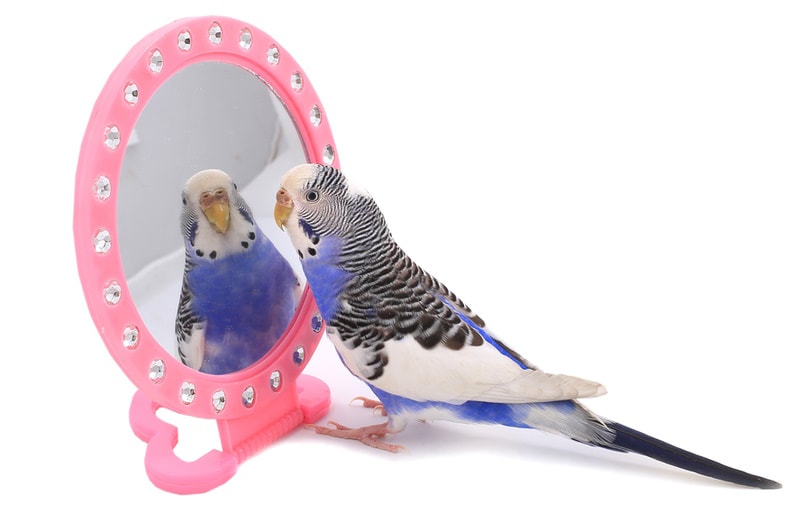
Parakeets are highly intelligent birds that can learn to speak if given the proper training. Because of their high intelligence, they require much entertainment and interaction to stay happy. They do best in homes where their humans can provide a large space to explore vertically and horizontally.
Positive reinforcement is key when training your parakeet. Offer plenty of praise and high-value rewards to keep them on task and promote the activities you want to see. Do not punish them for making mistakes; they are very sensitive, and punishments can be quite detrimental to the bond you’re building.
Care
Parakeets are granivores meaning that they eat primarily seeds and grains. When under human care pellets should make up the bulk of your parakeet’s diet. Additionally, they’ll need chopped greens and fruit to help meet their remaining nutrition goals. Treats can be offered during training sessions or throughout the day when interacting with your pet, but they shouldn’t make up more than 10% of their daily caloric intake. With more than 115 types of parakeet it is important to research the diet for the particular species that you have.
Parakeets should spend time outside of their cage every day, allowing them more room to explore, stretch, and practice flying. There should be plenty of toy options for further enrichment within their enclosure. We recommend having several sets of toys you can switch out weekly to prevent boredom and keep your parakeet happy.
Suitable For:
Parakeets are usually considered suited as family pets for homes with children. Of course, your children and bird(s) should be supervised together at all times, but parakeets tend to do really well in homes with kids. They’re not naturally territorial or nippy as a species, though some individuals may be.
Lovebird Overview
Lovebirds (Agapornis) are small parrots known for their monogamous pair bonding (hence their name). Though there are nine species of lovebirds, just three are considered good to keep as companion pets. All nine species originate in Africa.
Appearance
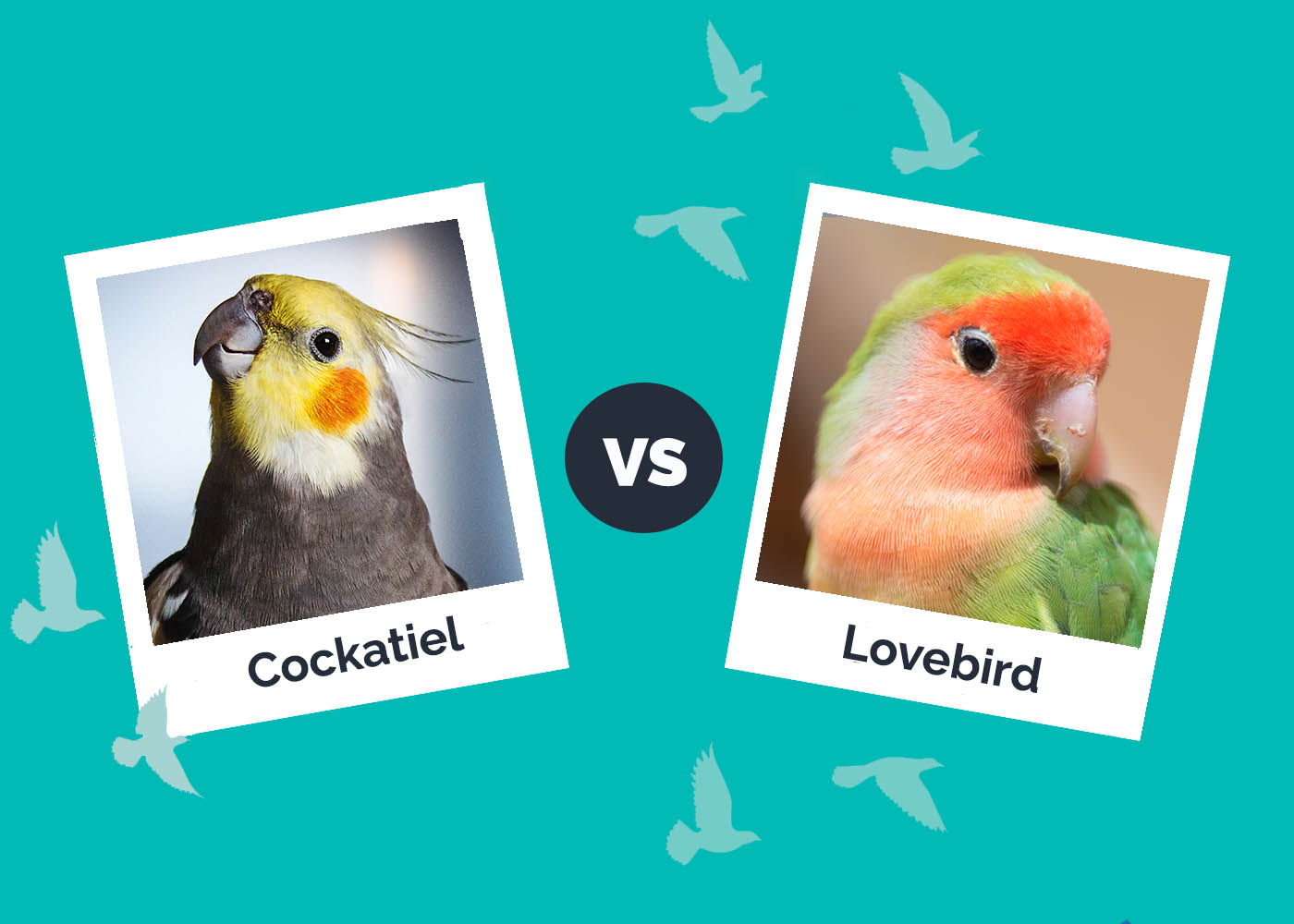
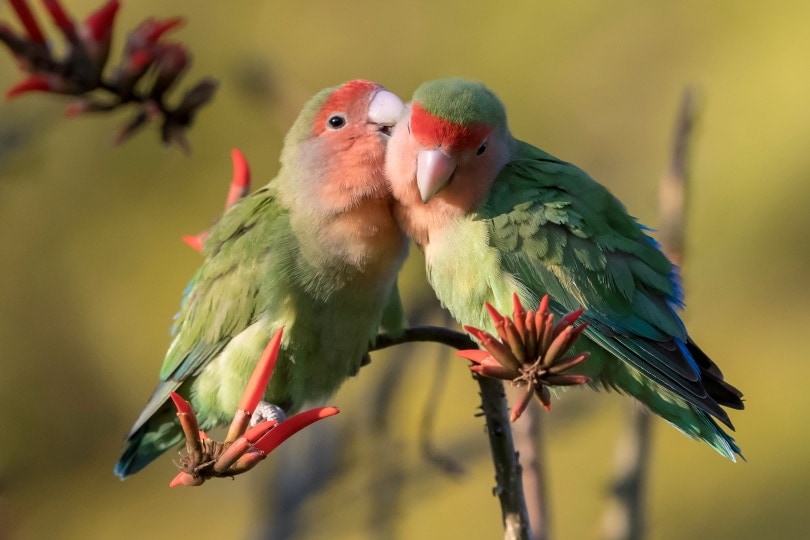
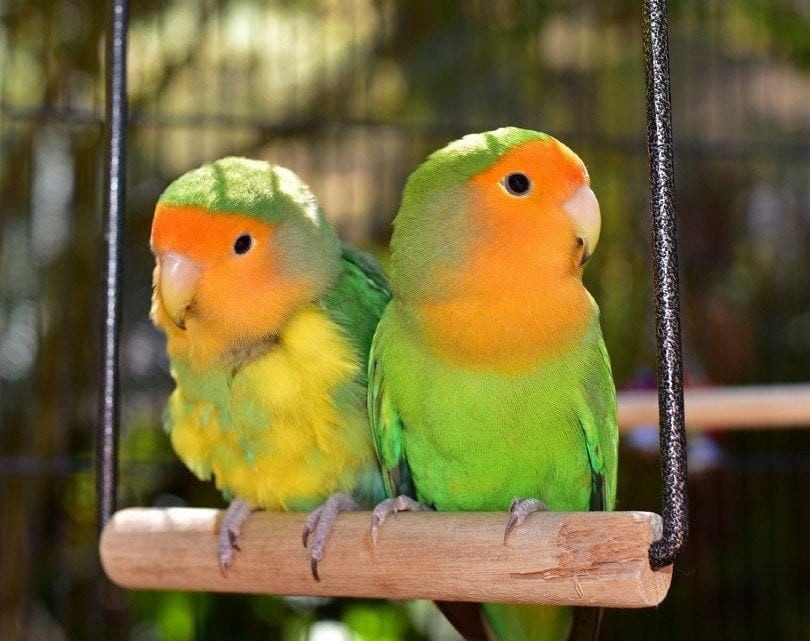
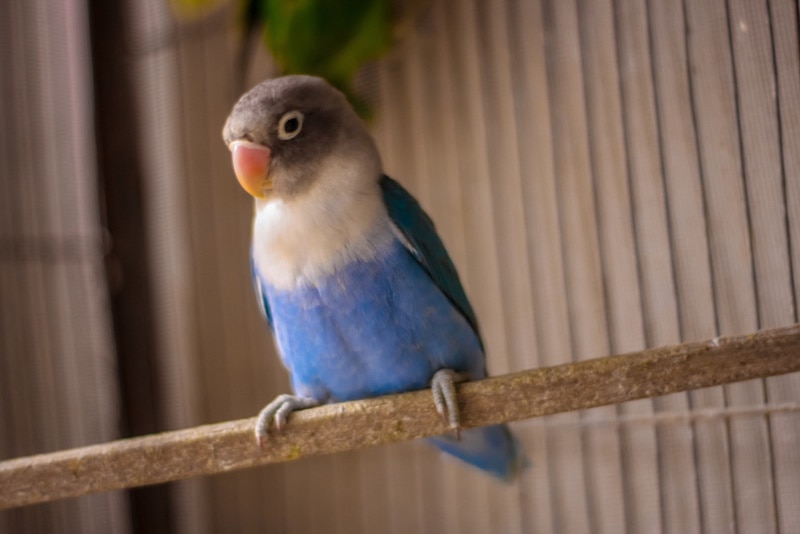
Lovebirds come in a variety of colors, including orange, yellow, red, black, or gray. They’re a stocky bird with a short, blunt tail. They’re typically just five to seven inches in size once they reach maturity. It is important to note that each lovebird species will vary in appearance, though all species have some shade of grade.
Personality
As mentioned above, lovebirds are known for the deep connections they form with other lovebirds. They can, however, be housed alone if you prefer only to keep one. However, it is important to know that you’ll need to give solo lovebirds near constant attention to fill the socialization void which is a huge commitment.
Though these birds are quite small, they’re very bold and chatty. They can learn to mimic speech and will be found chattering and chirping at one another if kept in pairs or more. In the wild, lovebirds will spend their entire day singing and whistling, so keep that in mind if you live in an apartment building with picky neighbors who prefer absolute silence.
Lovebirds may be small, but they’re rather fearless. They can and will stand up to other household pets, so it is best to keep them separate for everyone’s safety. Additionally, lovebirds can be very nippy, though with proper training and socialization, this shouldn’t be too much of a problem. Females can be quite defensive of their territory.
Lovebirds are a highly curious species, so you’ll want to keep a close eye on them at all times, especially when spending time outside their cage.
Training
Though lovebirds can learn to mimic some words, they aren’t known to be a super chatty parrot species. That said, those who learn to talk will have clear and distinct speech. They are highly vocal communicators, and most will spend a good portion of their day chirping and singing.
Just because your lovebird won’t be a chatterbox like some other parrots doesn’t mean you cannot train them to do other things. You can teach them to give kisses, step up, wave, and many other fun tricks.
Care
As with parakeets, the bulk of a lovebird’s diet should consist of commercially prepared pellets. Approximately 20 to 30% of their diet should come from fresh produce like vegetables. Wild lovebirds eat a lot of fruit and berries, so these are good to offer in moderation. Additionally, whole grains such as cooked quinoa or millet are acceptable occasionally.
Because lovebirds are highly curious creatures, they need a lot of stimulation. They can act out and become self-destructive without proper enrichment toys and social interaction. Lovebirds without access to toys will turn anything they come into contact with into toys, and it is in your best interests as a homeowner to avoid this situation. Choose toys that cater to your bird’s size and rotate them weekly to keep them interesting.
Suitable For:
Lovebirds are ideal for owners looking to make deep connections with their feathered family members. Their highly affectionate and loyal nature makes them adored pets, but they can get nippy if they’re not properly socialized, so you may want to think twice about adopting one if you have small children.

Which Breed Is Right for You?
Parakeets and lovebirds are similar in a lot of ways. They’re both small parrots, though parakeets have a longer wingspan. Lovebirds tend to be the heavier of the two birds thanks to their slightly larger frame. Lovebirds come in more color varieties than parakeets.
Both genus are very social and affectionate, though lovebirds may be more prone to nippiness than their parakeet counterparts. Lovebirds are quite chatty and chirpy, while parakeets can more easily be trained to talk. Lovebirds are generally louder and more sociable, so they may not do as well with families living in shared dwellings, such as apartments.
Ultimately, parakeets and lovebirds can make great pets depending on your living situation and what you’re looking for in a feathered companion but they are not suitable for everyone.
Featured Image Credit: (L) Joe Turner, Shutterstock | (R) Pieyu Art, Shutterstock
Get Hepper In Your Inbox


Pet care tips from our vets and experts, straight to your inbox.
You may opt-out at any time. View our Privacy Policy for more information.

Chantelle's life revolves around two passions: writing and animals. Raised on the prairies of Canada amidst a menagerie of pets, she now lives with five cats, two guinea pigs, and a bearded dragon. Together with her husband and child, Chantelle delights in being an exemplary animal parent, going as far as installing wall-mounted cat shelves to give their cats an indoor playground. When she's not cozying up with her cats or snapping their amusing antics, she enjoys venturing into the Rocky Mountains, binge-watching her favorite Netflix shows, and indulging in spontaneous reading adventures.
Join the conversation
Ask a question, share your story, or send private feedback.