Hepper is reader-supported. When you buy via links on our site, we may earn an affiliate commission at no cost to you. Learn more.
What Temperature Is Too Cold for Rabbits? 7 Vet Approved Tips


In this article
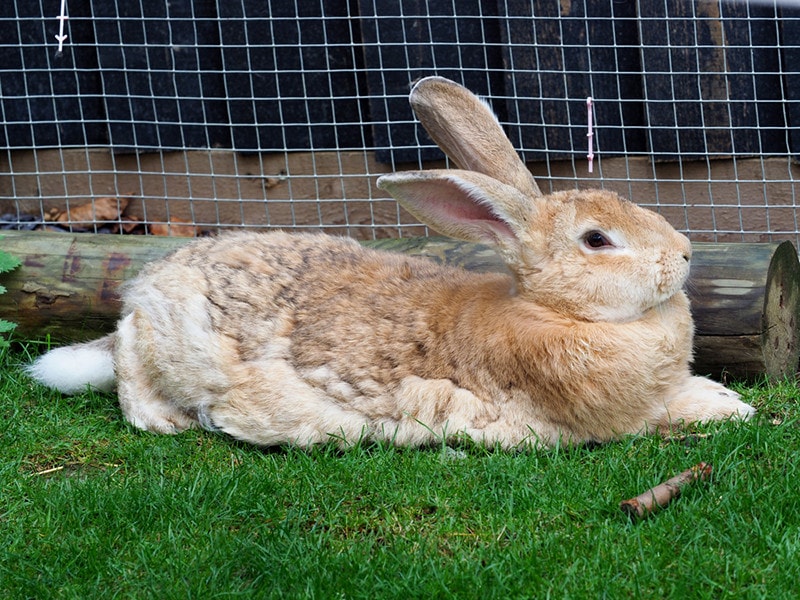
Rabbits have adaptations that allow them to survive in cold temperatures remarkably well. You may think of them as fragile due to their compact size, but they are surprisingly quite adaptable to cold environments. A domestic rabbit's ideal environment temperature in winter is no lower than 50ºF (10°C), with wild ones thriving in lower temperatures. In contrast, rabbits do not adapt well to warm temperatures, and they are very sensitive to high ambient temperatures. Anything above 80ºF can increase the risk of heatstroke. A rabbit's normal rectal temperature is 100.4 to 103.8ºF (38 to 39.9ºC).1
Generally, a temperature between 60 to 65°F (or 15.5 to 18.5°C) is ideal for indoor rabbits.2 With appropriate housing and nutrition, they may be able to live at temperatures as low as 50ºF (10°C). If you live in a colder area, you must take proper precautions to ensure your rabbit’s optimal health. This includes adequate housing, diet, and medical care.
Many rabbits living in low temperatures without adequate protection may become hypothermic. This occurs when a rabbit's body temperature drops dangerously low because they cannot adequately regulate their body temperature in the environment. When a rabbit's temperature drops under 100.2ºF (37.9ºC), they are considered to be at life-threatening levels. Therefore, you must know how to care for your rabbit when the temperature is too cold.

The Ideal Hutch for Rabbits in Winter
Rabbits prefer to live between 60 to 65°F (or 15.5 to 18.5°C). However, they can survive lower temperatures with proper housing and diet. It starts with your bunny’s hutch. Make sure that it’s waterproof with a solid structure.
If you plan to place the rabbit outside, keep the hutch’s roof sturdy and safe from rain and snow. It should also be free of cracks to prevent the wind from reaching the rabbit. Here are some tips to prepare your bunny’s hutch before the cold weather strikes:
The 7 Vet-Approved Tips to Keep Your Rabbit Warm
1. Make the Walls Well-Insulated
The outside temperature can be even more devastating if accompanied by chilly winds. So, your rabbit’s home or hutch shouldn’t have cracks to let the breeze come through. It must be facing south since cold winds blow from the north.

2. Make a Raised Foundation
Your bunny’s house should be placed a little off the ground. That is because frosting can quickly occur on the house's ground floor.
3. Add an Extra Bed
You must also add extra lining to the hutch’s floor and walls. Include newspaper at the bottom and fill it with plenty of dust-free straw or hay as the bedding to keep the pet warm. Their hutch should be dry and comfortable, just like their natural burrows would be. Ensure that you change the bedding periodically to maintain a clean and warm environment for them.

4. Ensure Insulation
The walls of your bunny’s hutch must be insulated with thick, heavy-duty cardboard and blankets. So, include them in the pet’s house to keep cold winds at bay.
5. Keep Your Pet Dry
Place a waterproof layer of tarp on the rabbit’s hutch to prevent water from entering and making the animal wet. Prolonged exposure to water can make your pet vulnerable to many health issues, especially hypothermia. While you’re at it, ensure there are no leaks in the tarp.

6. Ensure a Continuous Water Supply
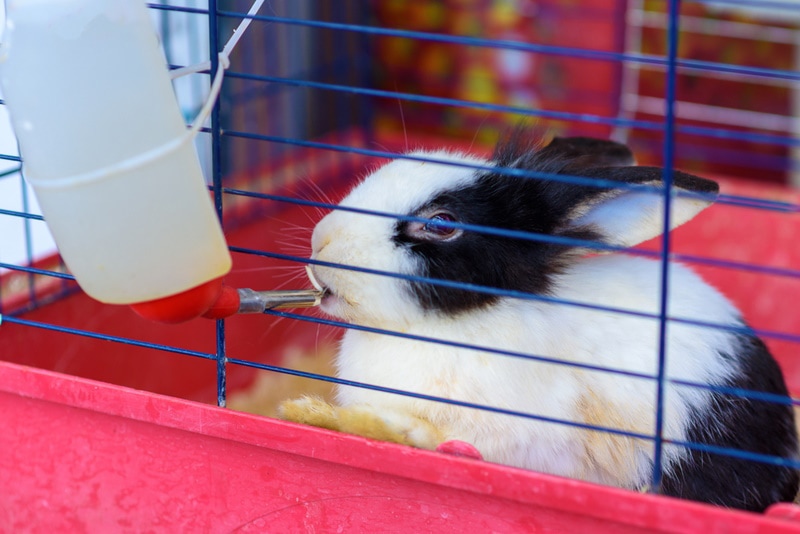
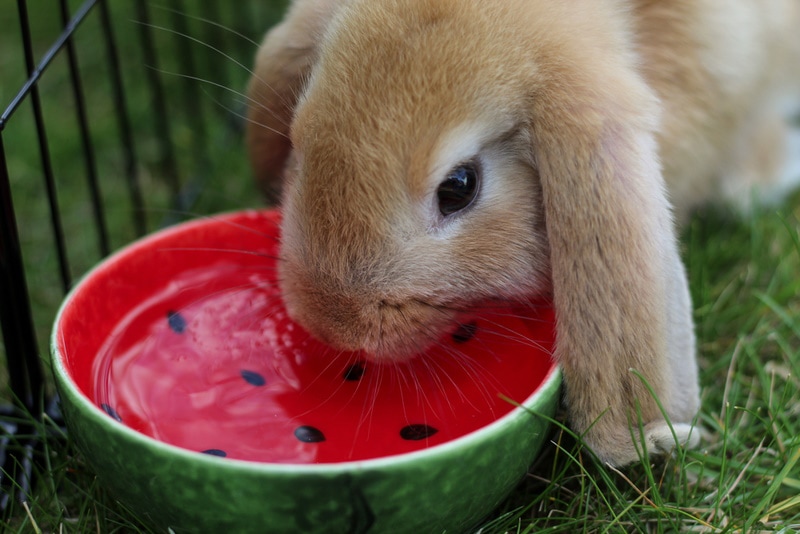
You must ensure a regular water supply to help the bunny survive in the freezing temperature. Check your rabbit's water bottle at least twice daily and replace it if the water has frozen. Always check that the ball at the end of the spout is turning and ensure that the water is flowing normally. Keep a spare water bottle indoors so that you can quickly swap out a frozen bottle.
7. Clean the Litter Box Frequently
Put enough litter boxes in your pet’s hutch and clean them often. Rabbits like to live in clean environments. Frequent cleaning also protects these animals from infections and parasites.


The Best Temperature for Outdoor Rabbits
Outdoor rabbits are more adaptable to cold temperatures than domestic ones. However, they also need proper nutrition and housing to maintain optimal health. As you know, rabbits need more energy and food in winter to retain their body temperature. Wet environments can make things even worse for them.
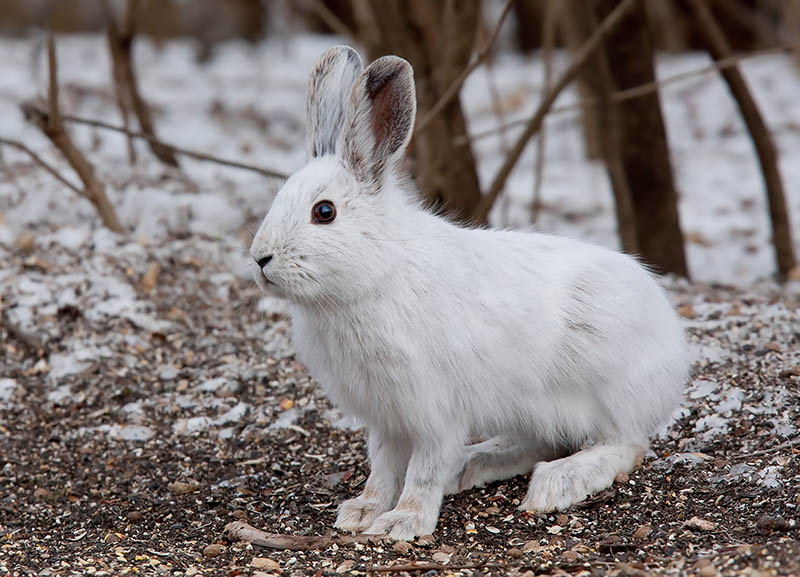
Temperatures lower than 40 to 50ºF can be too cold for wild rabbits as well. So, what if you want to move your indoor rabbit outdoors? In that situation, you must first build the ideal hutch for them to survive and then proceed. The best time to shift your rabbit outside is around the early fall. It will help the bunny adjust its body temperature gradually until the chilly winds blow.
Don’t forget to make the hutch waterproof, warm, and comfortable for your pet. You can add extra bedding, hay, and a tarp to achieve all these things. These adjustments would be enough to help your rabbit survive winters.
Remember, if your rabbit is still a juvenile or has any medical condition, you must keep them indoors. Bunnies can’t tolerate bone-chilling weather in both cases, even in the perfect house.
Do Cold Temperatures Raise Health Concerns in Rabbits?
Prolonged exposure to cold wind can lead to many health conditions in rabbits. Although you can prevent most of them with proper nutrition and housing, some are inevitable. Here are some common illnesses that affect bunnies in colder temperatures:
Hypothermia
Hypothermia is the most common condition affecting rabbits spending continuous time in cold temperatures, especially wet ones. The bodies of these animals are fully covered with thick fur that takes time to dry off completely.
Thus, when a rabbit gets wet, it remains like this for a long time. Of course, staying wet in winter is not suitable for living beings. As a result, these adorable pets become victims of hypothermia.
With hypothermia, rabbits lose their body heat faster than their generation speed. As a result, their body temperature drops to a life-threatening stage where all the critical body functions slow down. Rabbits have a body temperature of 100.4 to 103.8ºF. Lower than 100.2ºF is the initial level of hypothermia.
Signs of Hypothermia:

Frostbite
Frostbite is common in places with snow and chilly winds. If your rabbit is exposed to excessively low temperatures, they can get frostbite on their ears and feet. This happens when the blood vessels on their extremities (toes and tips of the ears) constrict as a response to cold and receive less blood supply.
You can identify frostbite by checking your bunny’s skin color. The skin will turn very pale, and if you don’t provide warmth to the pet, its skin will soon change into black, indicating severe damage to the tissues.
Final Thoughts
The normal body temperature of rabbits is between 100.4 to 103.8ºF, which allows them to live at 60 to 65°F (or 15.5 to 18.5°C) easily. These cute little creatures can tolerate cold temperatures quite well. To your surprise, you can live in an area at 50ºF with your bunny, as long as you have proper housing and nutrition, of course.
However, if you have an elderly or juvenile rabbit, do not try these adventures for your pet’s health. At these stages, bunnies are susceptible to many health issues, which could worsen with prolonged exposure to cold weather.
See Also: Can Rabbits Swim? Facts & Safety Tips
Sources
Featured Image Credit: Jim Cumming, Shutterstock
Get Hepper In Your Inbox


Pet care tips from our vets and experts, straight to your inbox.
You may opt-out at any time. View our Privacy Policy for more information.
Jeff is not only a writer but also a tech professional with lots of experience leading teams at various Fortune 100 startups. Jeff's hobby is photography but his real passion are his pets, whom he loved to spend time with.
Join the conversation
Ask a question, share your story, or send private feedback.