Hepper is reader-supported. When you buy via links on our site, we may earn an affiliate commission at no cost to you. Learn more.
6 Foods High in Potassium for Dogs (Vet-Reviewed Sources)


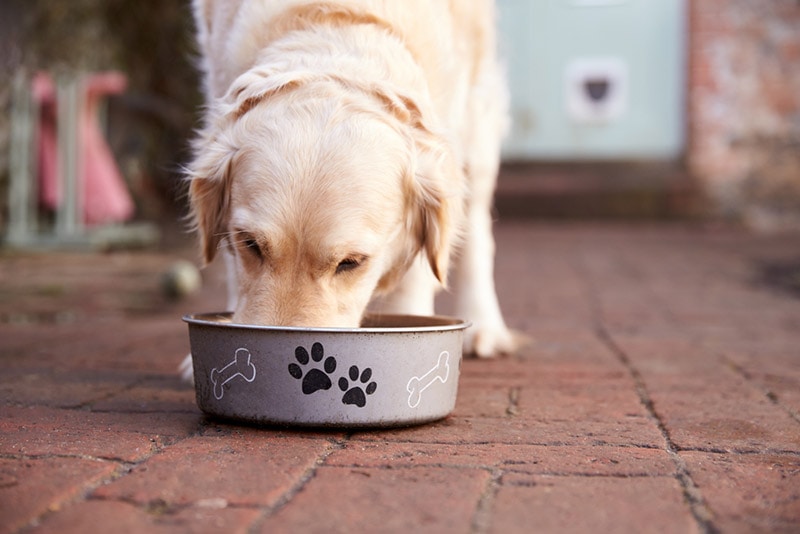
When comparing dog foods, we usually scan the ingredients label for keywords like “calories,” “protein,” and “fat.” But did you know that your dog also needs a certain amount of potassium every day to function and thrive? Most dogs need around 20 milligrams each day to support their muscular and neurological functions. Potassium deficiency can be dangerous. Let’s learn more.

Why Your Dog Needs Potassium
Sodium and potassium work together to create homeostasis in the blood. Potassium is an electrolyte that's responsible for regulating your dog's water levels and preventing dehydration. This essential mineral keeps the heart beating in rhythm and is necessary for voluntary and involuntary muscle contractions. Potassium also serves the neurological system by allowing nerve pulses. Although every cell in their body needs this vital mineral, your dog's body doesn't naturally produce potassium. Instead, you'll need to make sure they're receiving their daily recommended amount through their food or vet-approved supplements.
The 6 Foods That Are High in Potassium
If your dog is on a dry food diet that's been approved by the AAFCO, chances are good that the formula already contains the minimum daily recommendation of 20 milligrams of potassium. Dry food should always contain around 0.6% potassium to be considered a healthy diet. If your dog has a potassium deficiency, your vet may recommend a potassium supplement, or adding some of these potassium-rich foods to their bowl.
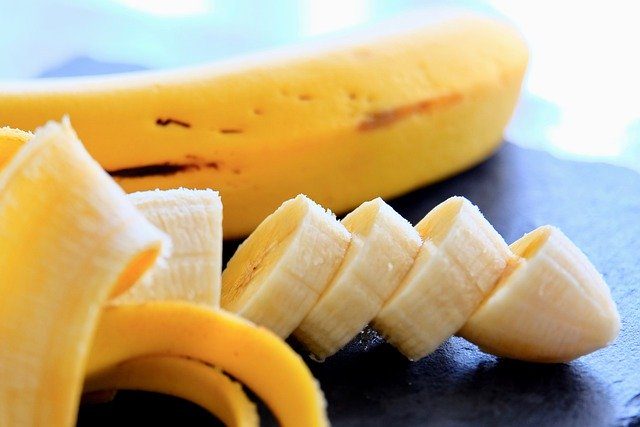
1. Bananas
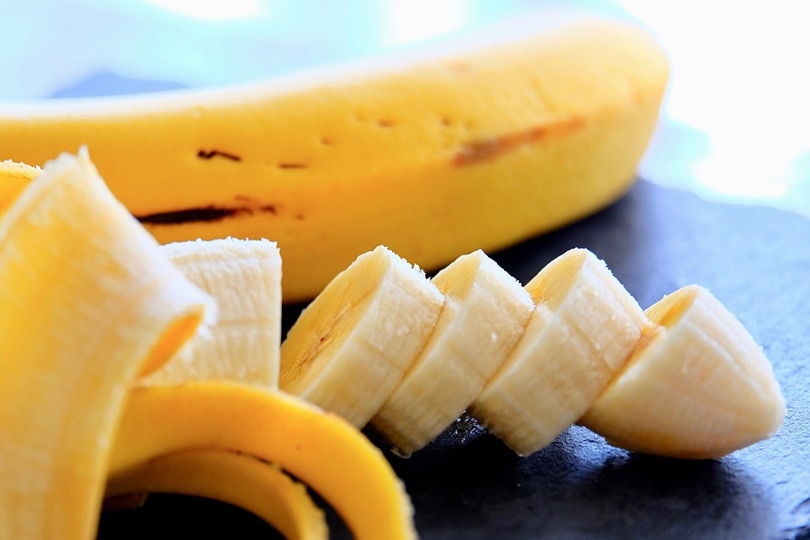
This fruit is one of the most convenient ways to treat your dog while giving them extra potassium, magnesium, and vitamin B. Large dogs should eat around half of a banana for a potassium boost. You'll only want to feed a smaller dog two or three slices since bananas contain natural sugar, as well, which is detrimental in large quantities. Alternatively, you can bake bananas into some healthy dog treats, or mix them into freeze pops.
2. Salmon
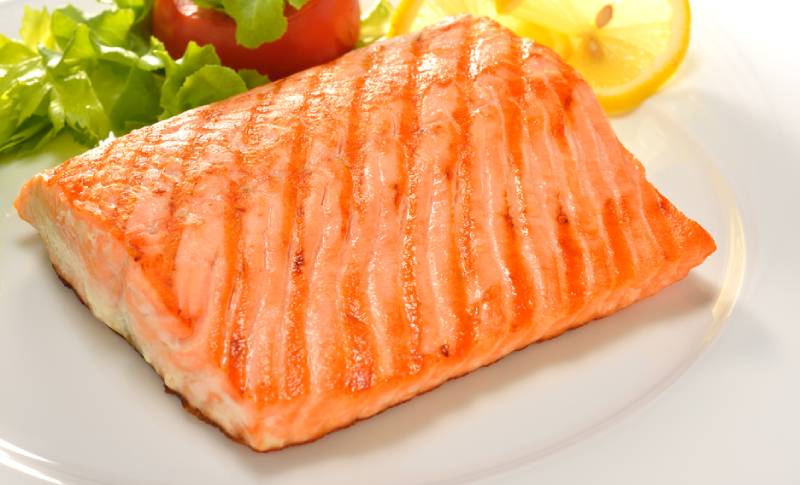
Your dog won't complain if you drop a few flakes of cooked salmon into their bowl. Like all meats, you'll want to make sure the salmon is cooked thoroughly, as well as served plain and free of toxic seasonings such as garlic and onion. Salmon is an excellent and tasty addition to your dog's plate that will add some beneficial omega 3s in addition to the hearty dose of potassium.
3. Apples

Canines crave the apple's satisfying crunch. Fresh apples are a healthy treat that supplies them with potassium and vitamin C. Avoid the apple core and seeds. The seeds contain cyanide, which is toxic to dogs.
4. Sweet Potatoes

Sweet potatoes load your puppy with potassium, fiber, iron, and an alphabet of vitamins (A, B, and C). Their nutritionally dense profile deems them a superfood by many nutrition specialists. Sweet potatoes are also starchy though, so they shouldn't comprise the bulk of your dog's diet. Sweet potatoes are often used in dog foods as substitutes for grains. However, recent studies suggest that they shouldn't replace heart-healthy, gluten-free whole grains such as oats. Think of sweet potatoes as a healthy addition, not a meal replacement.
5. Spinach
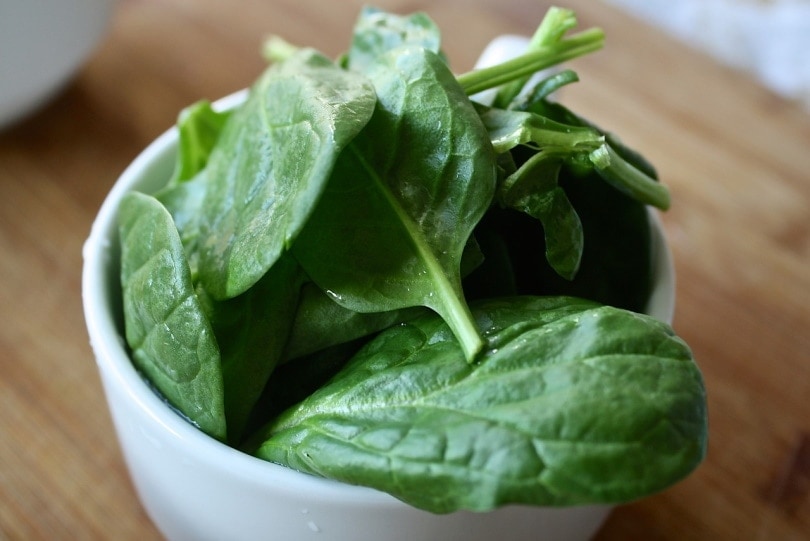
Spinach is a good source of potassium, iron, vitamins, and antioxidants. Raw or plainly cooked spinach can be a healthy snack for your pup. Just skip the spinach dip since most dogs are lactose intolerant.
6. Squash
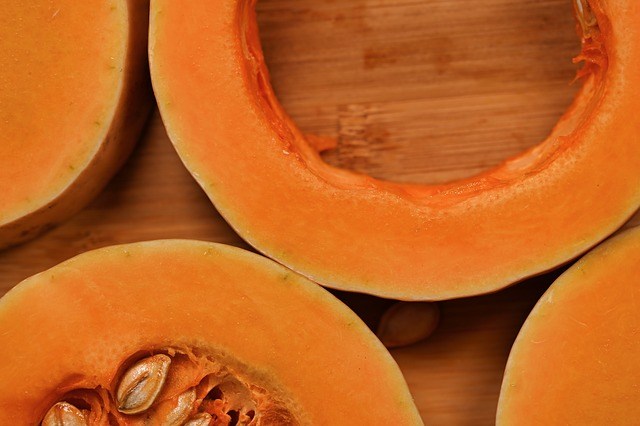
This veggie supplies a generous amount of potassium, fiber, and vitamin C. Like sweet potatoes, squash shouldn't substitute heart-healthy whole grains, but can be a beneficial addition to your dog's diet.

How to Tell If Your Dog Needs More Potassium
Potassium deficiency can be caused by a variety of factors, from poor diet to underlying conditions such as diabetes or kidney disease. Hypokalemia is the official diagnostic term for low potassium levels. Since potassium has such a major influence on your canine's core functions, severe cases of hypokalemia are deemed a medical emergency.
Some signs of severe or sudden hypokalemia include:
If your dog displays these signs, you should take them to the vet immediately. It is important to note that many of these signs overlap with other possible medical emergencies, such as heat stroke and hyperkalemia, a condition where your dog's body has too much potassium.
Unless their levels dip down sharply, most dogs who experience hypokalemia don't have such dramatic symptoms. Instead, they may simply feel more tired than usual, which can be the first sign that they need more potassium.

Conclusion
If you suspect your dog could use some more potassium, talk to your vet about ways to incorporate potassium-rich foods into their diet or possibly give them a supplement. Severe hypokalemia that manifests in signs such as extreme lethargy or respiratory distress requires an immediate trip to the vet. Potassium is a vital component of your dog's food, and too much or too little can cause a negative impact on your dog’s overall health.
Sources
Featured Image Credit: Monkey Business Images, Shutterstock
Get Hepper In Your Inbox


Pet care tips from our vets and experts, straight to your inbox.
You may opt-out at any time. View our Privacy Policy for more information.
Brooke Bundy is a freelance writer who graduated from the University of North Georgia with a B.S. in Media Studies. She is interested in storytelling across different mediums. When she isn’t writing, Brooke loves to spend time with her dog, and three cats, in New Orleans, Louisiana. Brook enjoys gardening, cooking, brewing coffee, and making her pet's house a home.
Join the conversation
Ask a question, share your story, or send private feedback.