Hepper is reader-supported. When you buy via links on our site, we may earn an affiliate commission at no cost to you. Learn more.
9 Foods High In Magnesium For Dogs: Vet Reviewed Benefits Explained


In this article
Magnesium is a mineral that plays an incredibly important role for your dog’s health. Most magnesium is stored in bones but there is also a large amount found in both the organs and muscles.1 Magnesium is essential for bone and muscle health, heart health, and plays a large role in many of the body’s metabolic processes.
As a dog owner, the responsibility of making sure your pup is getting a nutritionally balanced diet falls on your shoulders. High-quality commercial dog foods should already contain all the essential vitamins and minerals your dog needs, but it’s always a good idea to know what kind of foods provide a great source of magnesium especially if you think your dog has a deficiency.

The 9 Foods High In Magnesium For Dogs
1. Fish

Fish is rich in magnesium, especially fatty fish, such as salmon, mackerel, and halibut. Not only are fish an excellent source of magnesium but they are incredibly nutritious overall. Fish is packed full of protein, omega-3 fatty acids, potassium, selenium, and B vitamins.
Fish is an excellent source of primary protein for dogs that suffer from food allergies and has been associated with reduced inflammation, optimal skin and coat health, bone and joint support, and healthy immune function.
2. Bone Broth

Bone broth is a highly nutritious stock that is created by simmering animal bones and connective tissue. The process breaks down the collagen and tissue and leaves a nutritious and tasty broth that has many associated health benefits.
The nutrient content of bone broth is dependent on the ingredients and their quality. The bone itself is rich in calcium, phosphorus, magnesium, and potassium, while the marrow is packed full of vitamins A, B2, B12, vitamin E, and omega 3s and omega 6s. The connective tissue provides an excellent source of glucosamine and chondroitin.
All of these nutrients are key elements in canine nutrition and play a role in nervous system function, muscle health, organ health, bone and joint support, skin and coat health, and may even help with arthritis pain and inflammation.
Bone broth can be sourced from a variety of sources, but the most popular sources include:
3. Leafy Greens
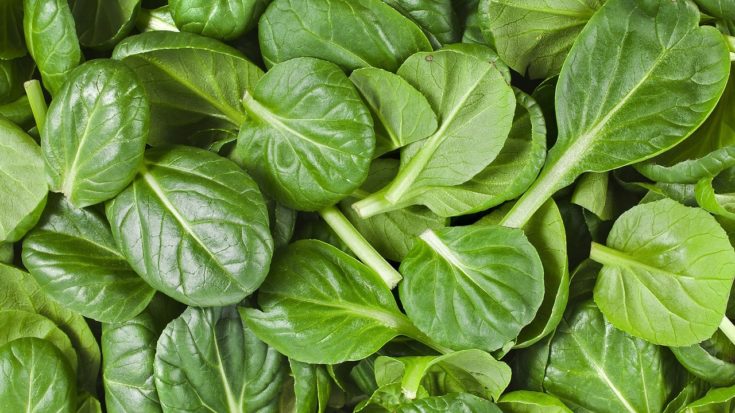
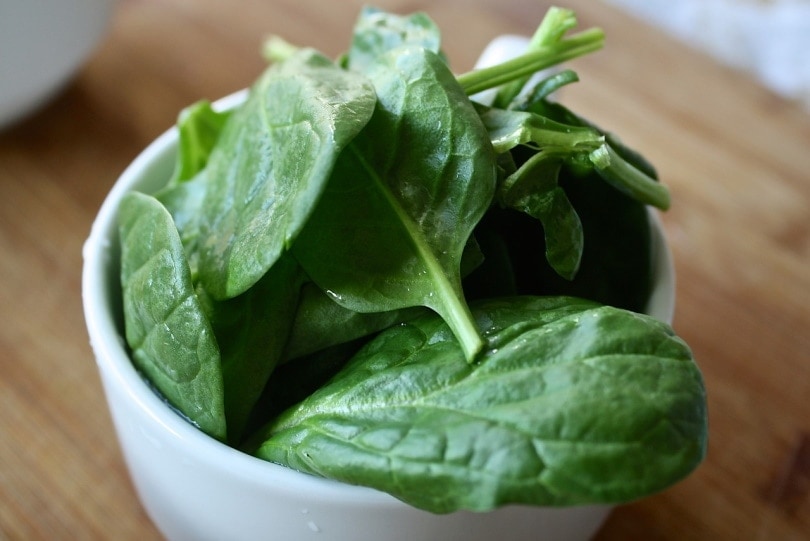
Leafy greens are highly nutritious, and many different kinds are packed full of magnesium including kale, spinach, collard greens, turnip greens, and mustard greens, all of which are safe for dogs to eat. Besides being rich in magnesium, leafy greens are also rich in vitamins A, C, and K, calcium, iron, and potassium. They are also an excellent source of fiber and can support healthy digestion. Just like humans, dogs will get the most nutrients when fed uncooked, well-rinsed greens.
Some dog foods will come with various greens added to their list of ingredients. Owners can also opt to add them to home-prepared dog food as an extra source of magnesium and other vitamins and nutrients.
4. Pumpkin

Pumpkin is often recommended as a way to help your dog that is suffering from mild digestive issues like constipation and diarrhea. This high-fiber food is nutritious and rich in fiber, making it great for digestion.
Pumpkin is also rich in other nutrients like vitamin A, vitamin C, vitamin E, potassium, and iron. Dogs can be fed either cooked or canned pumpkin as long as it is pure pumpkin and does not include any added sugars, spices, or other ingredients. Raw pumpkin is also an option but is more difficult to digest and could pose a potential choking hazard.
5. Zucchini

Zucchini is a very nutrient-dense food, making it a great source of vitamins, minerals, and antioxidants. Not only is it high in magnesium but also in vitamins A, C, B6, and K as well as many essential minerals like potassium, zinc, manganese, copper, and phosphorus.
Zucchini is perfectly safe to feed your dog and is included in certain fresh food diets. Raw zucchini will contain slightly higher levels of vitamin A, so if you plan on feeding it raw it’s best to puree it to make it easier to digest.
6. Butternut Squash

Butternut squash is a type of winter squash with orange flesh and a sweet, nutty flavor. While it is often mistaken for a vegetable, since it contains seeds and develops from the flower-producing part of a plant, it is technically considered a fruit.
It has various culinary uses and makes a great addition to both savory and sweet recipes in human cuisine. It’s also a common ingredient in dog food, especially fresh varieties. This is because butternut squash is rich in vitamins, minerals, and antioxidants and is a great source of fiber.
The primary nutrients in butternut squash include vitamin A, vitamin C, B vitamins, potassium, manganese, and magnesium, all of which play an essential role in immune function, bone health, and overall health.
7. Whole Grains
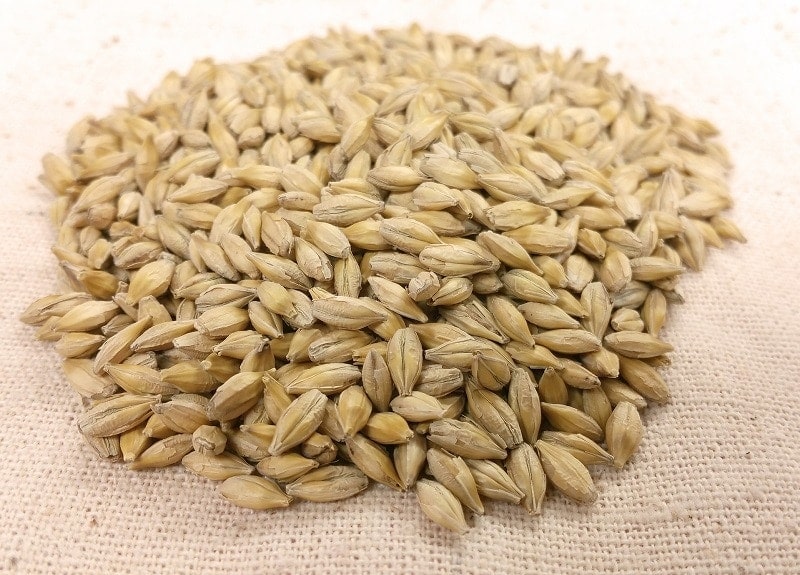
Whole grains such as wheat, oats, barley, buckwheat, and quinoa are all excellent sources of nutrients, including magnesium. They are also incredibly high in B vitamins, selenium, manganese, and fiber. Many high-quality dog foods on the market include healthy whole grains as part of their recipe since they provide nutritional value and a sustainable form of energy.
For pet parents who prefer to make homemade meals for their four-legged companions, certain whole grains make a great addition to your homemade dog food recipe. Many associate wheat with allergies, and while wheat is a potential allergen for dogs, protein sources like beef, chicken, eggs, and dairy are often the leading causes of food allergies and intolerance in dogs. If your dog is allergic to wheat, talk to your veterinarian about the best alternative magnesium sources.
8. Seeds
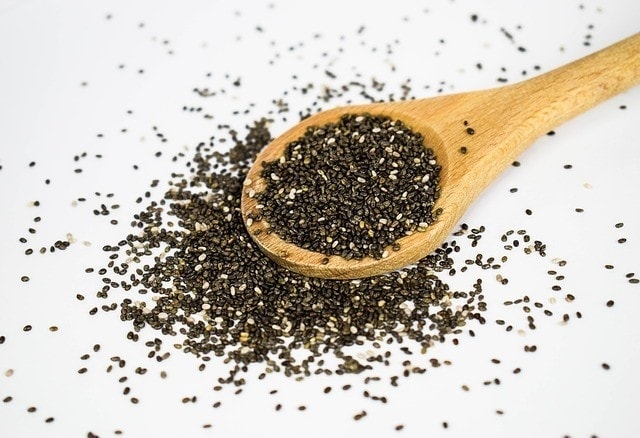
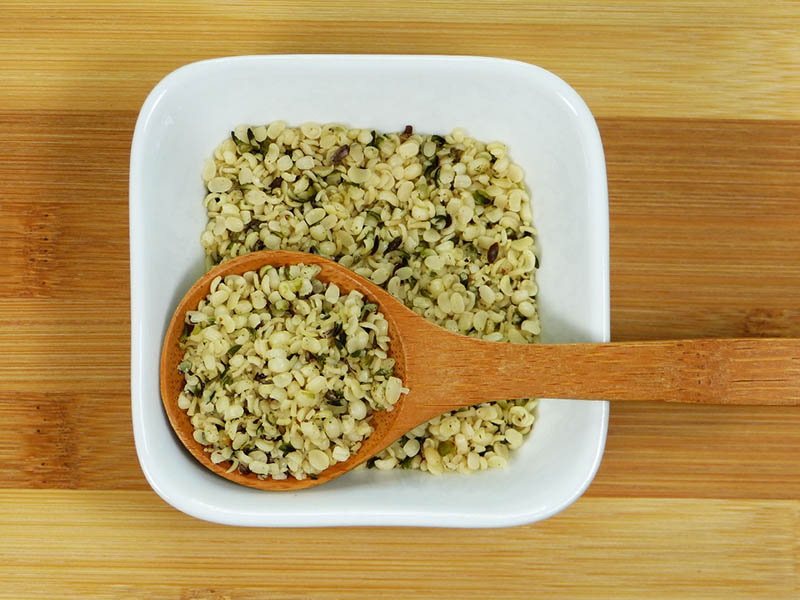
Seeds are incredibly healthy and packed with nutrients. They are a great source of fiber but are also high in magnesium, iron, monounsaturated fat, and omega fatty acids. Seeds also contain antioxidants, which protect cells from harmful free radicals, making them great for immune health.
The most common seeds that are added to commercial dog foods are flaxseed, chia seeds, and pumpkin seeds. Owners can also choose to add seeds to their dog’s dietary regimen, but it is recommended that it is done under the supervision of your veterinarian.
9. Legumes
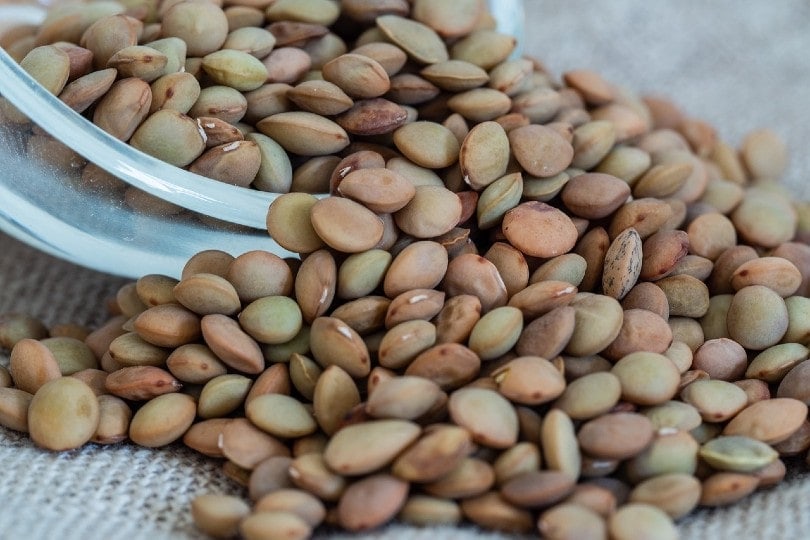
The legume family includes some very nutrient-dense plants including lentils, beans, chickpeas, peas, and soybeans. Legumes are well known for being particularly rich in magnesium but are also high in potassium, iron, protein, and fiber.
Various legumes are added to dog food, especially grain-free varieties. It is important to note that certain grain-free dog foods, many containing legumes, are currently under investigation by the United States Food and Drug Administration for a potential link to canine dilated cardiomyopathy.
For this reason, it’s best to exercise caution and talk to your veterinarian before switching your dog to a grain-free diet. If your dog is already being fed grain-free food, you can discuss any concerns with your vet since they are familiar with your dog’s unique health needs.

The Importance of Magnesium
Magnesium is actually the third most common mineral found in your dog’s bones, right behind calcium and phosphorus. Just like calcium, phosphorus, and iron, magnesium is a key mineral that is essential for bone health.
Magnesium is also very important for muscle and nervous system function, keeping the heart healthy, it is a vital component in red blood cells and aids in the absorption of other minerals including potassium, zinc, and calcium.
How Much Magnesium Do Dogs Need?
Just like with humans, the recommended daily intake of certain vitamins and minerals is going to vary depending on age, size, health, and if there are any nutritional deficiencies present.
According to AAFCO, magnesium should make up a minimum of 0.04 percent of your dog’s daily dry matter diet. The average amount required for an adult dog is 150 milligrams of magnesium per day.
Because it is so important for nutrients to remain balanced since too much and too little can be detrimental, you should always talk to your veterinarian about your dog’s needs to ensure they are being fed a healthy, well-balanced diet that suits their individual needs.
Should I Buy My Dog a Magnesium Supplement?
You should never add any type of supplement to your dog’s diet before first talking to your veterinarian. This is because nutritional balance is key to keeping your dog healthy and most dog foods are already formulated to meet these needs.
Adding a supplement could potentially cause more harm than good, so always have your dog evaluated for any suspected nutritional deficiencies or potential health concerns and follow your veterinarian’s guidance.
Final Thoughts
Magnesium is an essential mineral that is important for the bones, muscles, nervous system, and overall bodily function. There are plenty of foods that are naturally high in magnesium and can make an excellent addition to your dog’s diet. Always talk to your vet before making any dietary changes though, as most dog foods are crafted to meet a dog’s nutritional needs.
Related Read: Can Dogs Eat Buckwheat? Vet-Reviewed Facts & FAQ
Sources
Featured Image Credit: Ponce_photography, Pixabay
Get Hepper In Your Inbox


Pet care tips from our vets and experts, straight to your inbox.
You may opt-out at any time. View our Privacy Policy for more information.
Lindsay is a wife, mother, nature enthusiast, animal lover, and business major. She was born and raised in the United States and now lives in Tulsa, Oklahoma. She shares her home with a German Shepherd, several snakes, tarantulas, and a couple of rescue cats.
Lindsay and her husband enjoy traveling the US with their children and photographing wildlife. Lindsey is passionate about proper animal care and education around it!
Join the conversation
Ask a question, share your story, or send private feedback.