Hepper is reader-supported. When you buy via links on our site, we may earn an affiliate commission at no cost to you. Learn more.
Preventive Care for Cats: A Vet-Approved Healthcare Guide


In this article
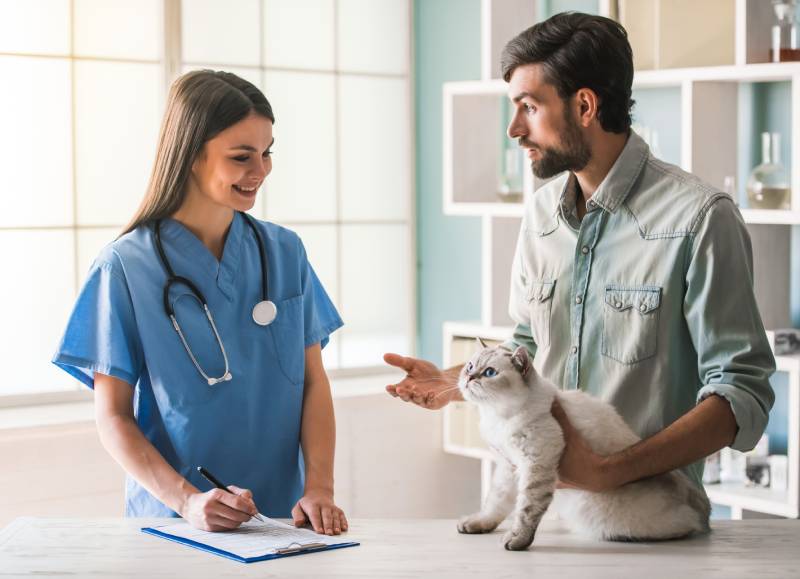
Cat owners have one thing in common—they all want their pets to thrive. This goal is achieved by giving them love, caring for their needs, and looking after their health. To stay on top of your cat’s health and prevent certain health issues, it is essential that you take your cat to the veterinarian regularly for a wellness exam and preventative care.
Preventative care is about being proactive about the health of your cat, from giving them the correct diet to taking them for their vaccinations. Preventative care isn’t about treating a sick cat but rather about preventing the illness in the first place. There are things you can do and things that only your vet can do to improve your cat’s health, help them thrive, and set them up to live a long and happy life.

How Does Preventative Care Help My Cat Thrive?
Preventative care impacts your cat as a whole and can potentially add years to their life. Preventing illness eliminates complications and discomfort in your cat. It aims to give your cat a balanced and nutritional life through the right diet, exercise, hygiene, and stimulation.
Preventative care includes taking your cat to the veterinarian at least once a year. By doing this, the vet will be able to pick up on health problems early on and intervene with a lifestyle change, treatment, or management. Catching illness early is easier to treat than when it is in an advanced stage. Not only is preventative care necessary for your cat, but it may save you money in the long run because it is more affordable than paying for treatment and surgeries that result from health problems that go unnoticed for a long time.
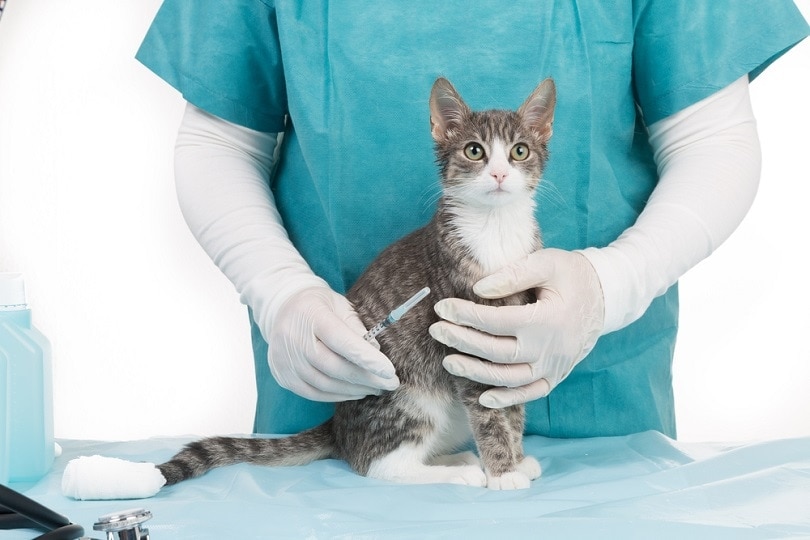
Your veterinarian will also give your cat preventative treatment such as vaccinations for certain viruses as well as deworming, and flea and tick treatment. Once again, preventing a flea infestation is easier than trying to rid your home and pets of them and eliminates the discomfort that these parasites can cause your cat, as well as any complications, such as tapeworms.
Preventative care also includes neutering and spaying to prevent unwanted pregnancies as well as certain cancers and behavioral issues from developing. It also includes microchipping your cat so that should they ever wander off or be stolen, they will be identified through their microchip and reunited with you. This prevents your cat from becoming one of the millions of homeless cats in the United States.
What Does Preventative Care Include?
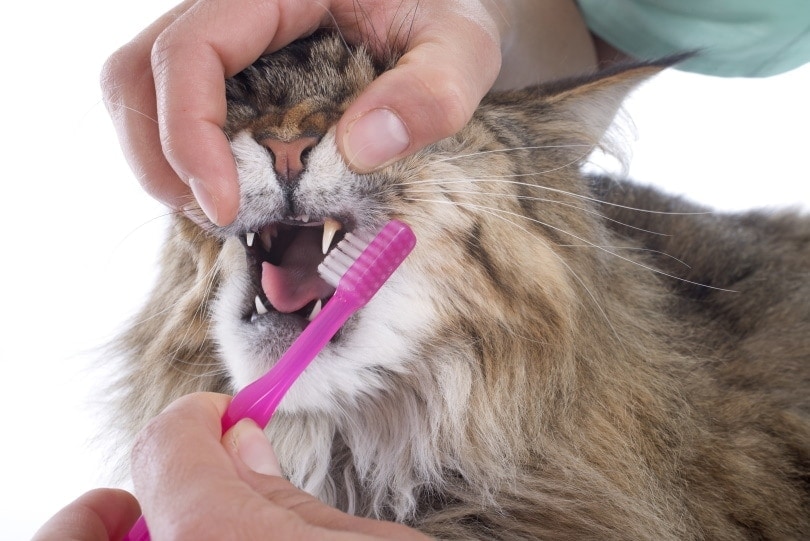
There are things you can do at home to provide your cat with preventative care, such as feeding your cat a nutritious diet and giving them clean water, encouraging them to exercise to prevent obesity, grooming their coat to prevent mats and tangles, brushing their teeth to prevent dental problems, and taking them to their check-ups regularly.
One of the most important aspects of preventative care is the wellness examination that your veterinarian will perform at least once a year. For kittens and seniors, it will be much more frequent.
There are several things you can expect from your veterinarian during a preventative care appointment. However, appointments may include certain tests depending on your cat’s age, lifestyle, and health:
1. History
Your vet is going to ask you about your cat, so be prepared to give them all the information you have on their normal behavior, diet, eating habits, exercise, litterbox habits, lifestyle, previous injuries or illnesses, and general health. If you have any concerns, this is the time to tell your vet. Your vet uses the information you give them to understand your cat’s health status. It will also be recorded so that your vet can identify any changes in future wellness exams.
2. A Physical Examination
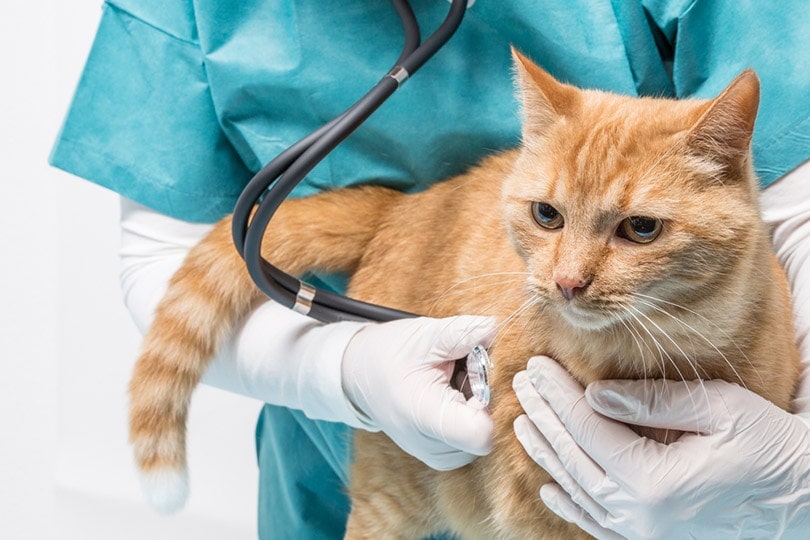
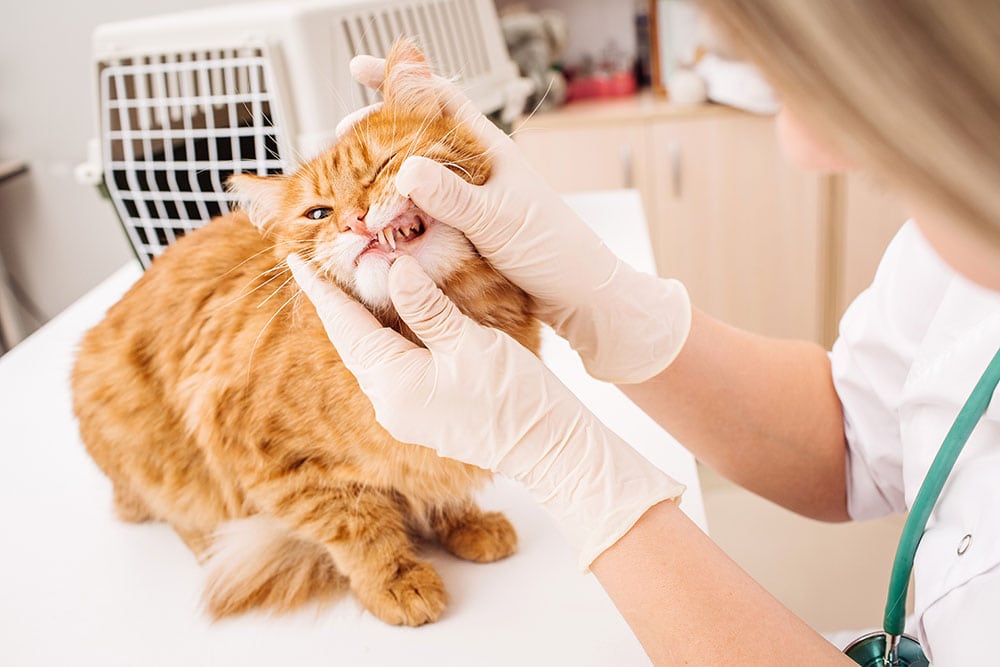
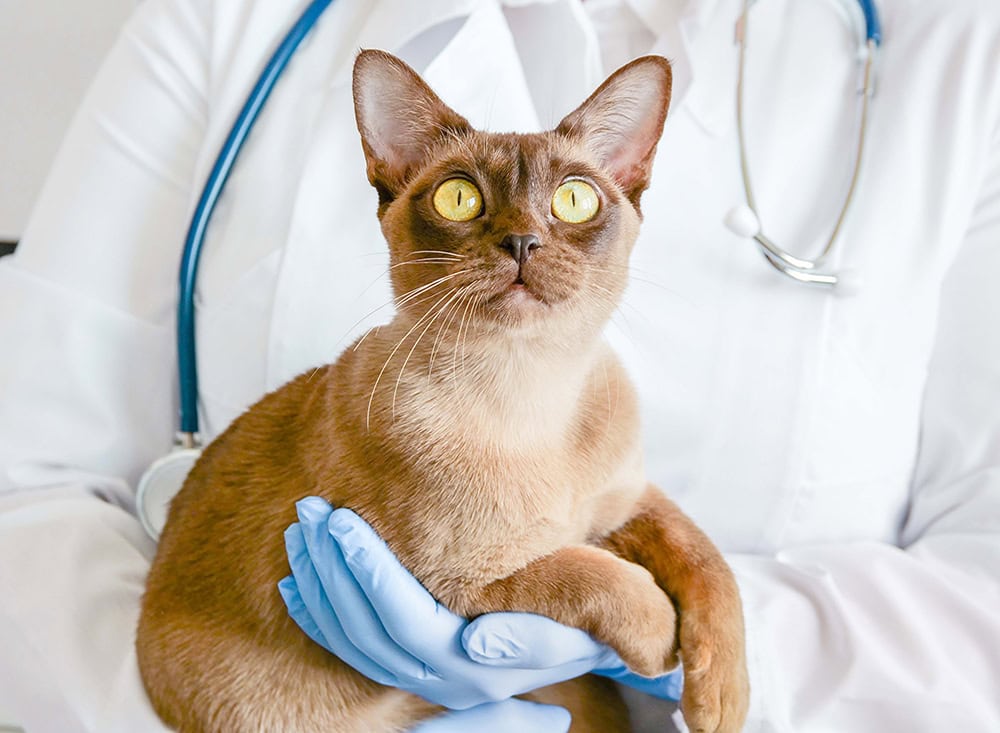
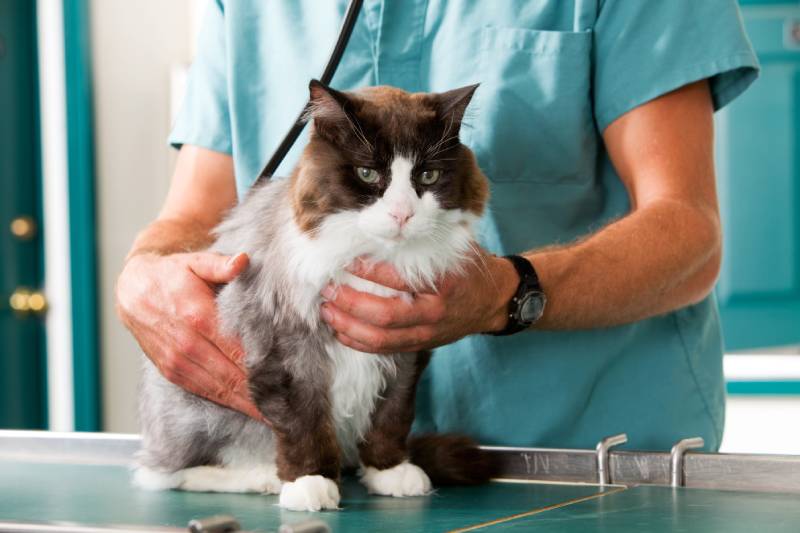
Your vet will measure and write down your cat’s weight, temperature, heart, and respiratory rate. They will keep these measurements on record to refer back to in future appointments, too. They’ll also examine your cat’s whole body, including their coat, skin, nose, gums, teeth, eyes, ears, lymph nodes, reflexes, and anus. They’ll listen to their heart and lungs and press your cat’s abdomen to feel for any abnormalities.
3. Check Samples
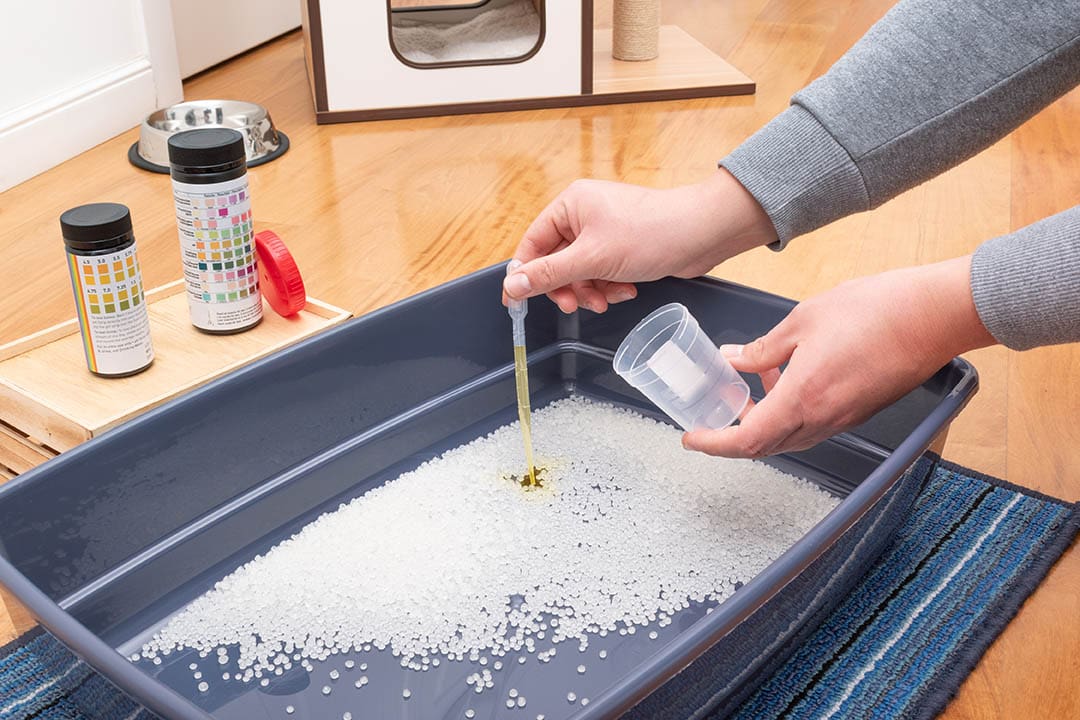
Your vet may have asked you to bring along a fresh urine or fecal sample to the appointment, which they’ll examine and evaluate. These samples will be part of the diagnostics that your vet will use to check for issues like internal parasites or urinary problems.
4. Screening Tests
Your vet may also recommend several tests, such as a complete blood count, a biochemical profile, thyroid hormone testing, a heartworm test, and a FeLV/FIV test depending on your concerns or exam findings.
5. Vaccinations
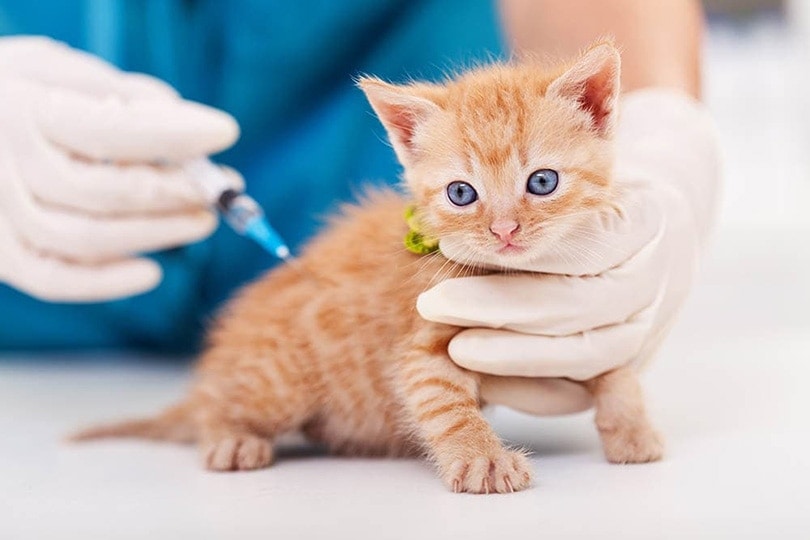
If your cat is due for vaccine boosters, this is the time they’ll receive them. Some booster vaccinations are only necessary every 3 years, while others must be given annually. It depends on the brand and type of vaccination as well as your cat’s lifestyle.
6. Preventative Treatment
You can expect your vet to recommend preventative treatments for your cat that will kill any fleas, ticks, worms, and other parasites. The parasite prevention plan they give you may require you to administer treatment to your cat every month or every few months depending on the product.
7. Veterinary Advice
Based on your vet’s examination of your cat, they may offer you some dental, grooming, diet, and exercise advice. By applying their advice, you can work to prevent problems down the road. For example, your vet may recommend that you get your cat’s teeth professionally cleaned and incorporate daily tooth brushing to prevent gingivitis.


Is At-Home Preventative Care Enough?
Feeding your cat a nutritious diet, grooming them, and encouraging exercise are important parts of at-home preventative care, but it is not enough to help your cat thrive. The problem is that cats like to hide their injuries and signs of illness to avoid looking vulnerable. As pet owners, we often struggle to pick up on subtle health issues because we don’t always know what we’re looking for.
Your vet is the best person to get advice from because they know your cat personally from the wellness examinations. They are also able to pick up on early health problems because they are trained to interpret what your cat is telling them. At-home preventative care alone won’t prevent your cat from contracting diseases and parasites and leaves them at risk of becoming sick.
Frequently Asked Questions
Why Are Some Cats Not Taken for Preventative Care Appointments?
Preventative care is important for cats to thrive. However, some cats rarely, if ever, are taken for preventative care appointments. It is usually because of a lack of education on the subject, so people aren’t aware of the importance of it. Many owners base their vet trips around the appearance of their cat, and if their cat looks healthy, they don’t think a checkup is necessary. Unfortunately, that cat could be in the early stages of diabetes, cancer, or kidney disease.
It can also be because wellness exams cost money. However, these appointments are important for keeping costs low because preventing a health problem or catching it early saves you money in the long run, whereas catching it late is often a lot more expensive to treat.
Others may miss their cat’s preventative care appointments because it is stressful. Some cats hate leaving their environment and will put up a fight every step of the way, from running away from their cat carrier to not cooperating with the vet. However, taking your cat to their appointments regularly may help get them used to it and make it less stressful.
What Can Be Avoided with Preventative Care?
Many viruses, parasites, and diseases can be avoided with preventative care. Vaccinations help protect your cat from diseases and viruses, such as rabies and feline leukemia. Preventative treatments help protect your cat from fleas, ticks, and worms. The correct diet will help protect your cat from gastrointestinal problems and obesity. Gingivitis and other dental problems can be avoided through oral examinations and dental advice. There are countless possible conditions that can be averted through preventative care.
How Often Should I Take My Cat to a Checkup?
Kittens should go for wellness checkups every month until they have received all of their vaccinations. They may go a few more times in their first year of life to be microchipped and spayed or neutered. Healthy adult cats should go for a wellness appointment at least once a year, but twice a year is recommended. Senior cats need to go more often because they are at the highest risk of developing issues, such as arthritis, which requires a treatment plan.
Conclusion
Your cat is dependent on you to take care of them and give them the best chance to thrive. You can do this through preventative care, which starts at home. However, the most important aspect of preventative care is wellness appointments, where your vet will examine your cat’s whole body internally and externally to ensure that they are healthy.
Your vet will recommend preventative treatment for your cat, such as vaccinations and flea, tick, and worm treatment, to ensure they stay free from certain diseases and parasites.
Sources
https://www.petmd.com/general-health/pet-wellness-exams-how-prepare
https://www.avma.org/resources-tools/avma-policies/aaha-avma-feline-preventive-healthcare-guidelines
https://vcahospitals.com/know-your-pet/preventive-health-care-guidelines-for-cats
https://www.aspcapetinsurance.com/resources/why-your-cat-should-go-to-the-vet/
https://www.felinemedicalclinic.com/how-often-should-you-take-your-cat-to-the-vet/
Featured Image Credit: VGstockstudio, Shutterstock
Get Hepper In Your Inbox


Pet care tips from our vets and experts, straight to your inbox.
You may opt-out at any time. View our Privacy Policy for more information.
Keri-Beth is from South Africa and is a freelance writer who specializes in the pet niche. She has grown up with a range of pets, volunteered at countless pet shelters, and is highly passionate about pet care. Currently, Keri-Beth is raising two dogs - Benji, the Golden Cocker Spaniel, and Gracie, the Boerboel. With so much information out there, Keri-Beth has made it her mission to make pet care as easy and straightforward as possible.
In her spare time, Keri-Beth enjoys camping, photography, and spending time with her husband, who is a professional drummer. She not only has a heart for pets but people too.
Join the conversation
Ask a question, share your story, or send private feedback.