Hepper is reader-supported. When you buy via links on our site, we may earn an affiliate commission at no cost to you. Learn more.
How Often Should You Take a Cat to the Vet? Care Tips & FAQ


In this article
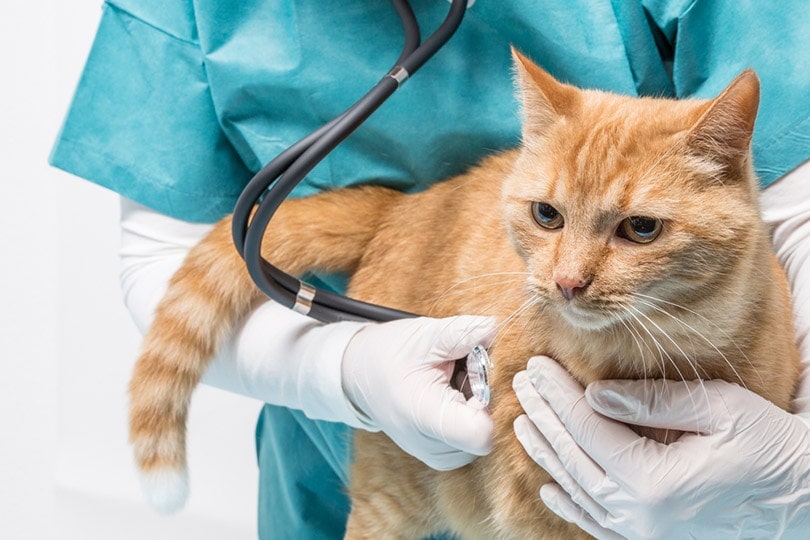
New and experienced cat parents sometimes ask, "how often should I take my cat to the vet?" Thankfully, there's a straightforward answer depending on your cat's age and overall health. We break this down for you below, as well as what to expect from these vet visits and how to make them easier for you and your kitty.

How Often to Take Your Cat to the Vet
1. Kittens (Cats Under 1 Year)
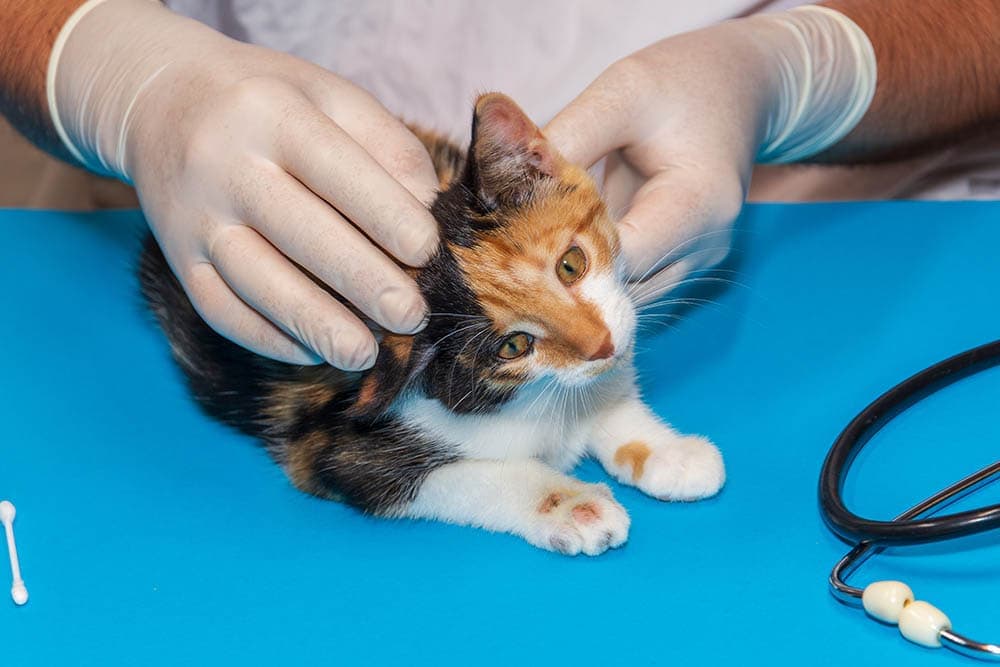
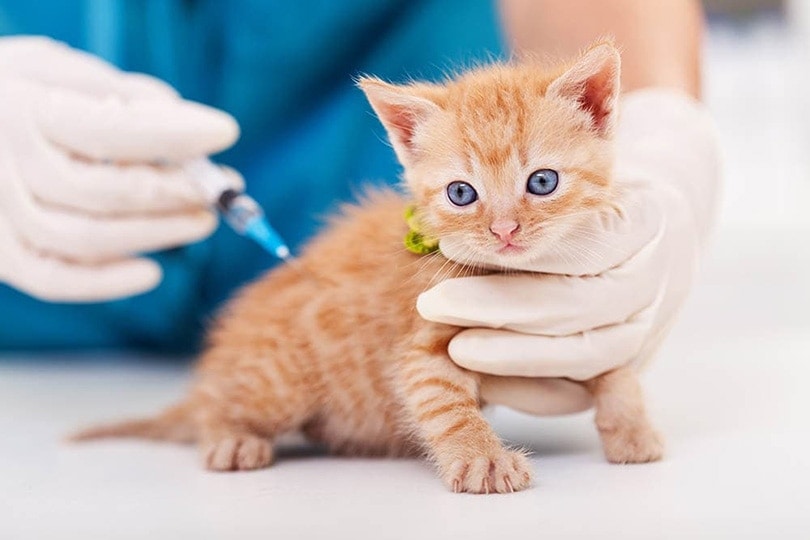
Young cats need a series of vaccines to ensure they are protected against minor and severe feline diseases. Worms and other parasites are prevalent in kittens, and they will most likely get a series of deworming medications, even if there aren't any signs of them.
Because kittens grow so quickly, having several physical exams early in life can help your vet spot any potential problems that should be monitored. These visits are often scheduled 3 to 4 weeks apart, depending on what your kitty needs at the next one.
This is a great time to ask your veterinarian and their staff about your kitten and their care. Do you need a demonstration about trimming their nails? Are you having trouble with litter box training? Is one kitten acting differently than the others? What about the type of food you should be feeding them? Your vet team is an excellent resource when you are raising a kitten!
Even after they've had all the required kitten care, it's a great idea to make a few more appointments for them. This establishes a routine and helps set them up for less stressful vet care in the future. Your clinic may also have socialization opportunities for healthy kittens, so be sure to ask which services are available.
What to Expect:
2. Adult Cats (Between 1 and 10 Years)
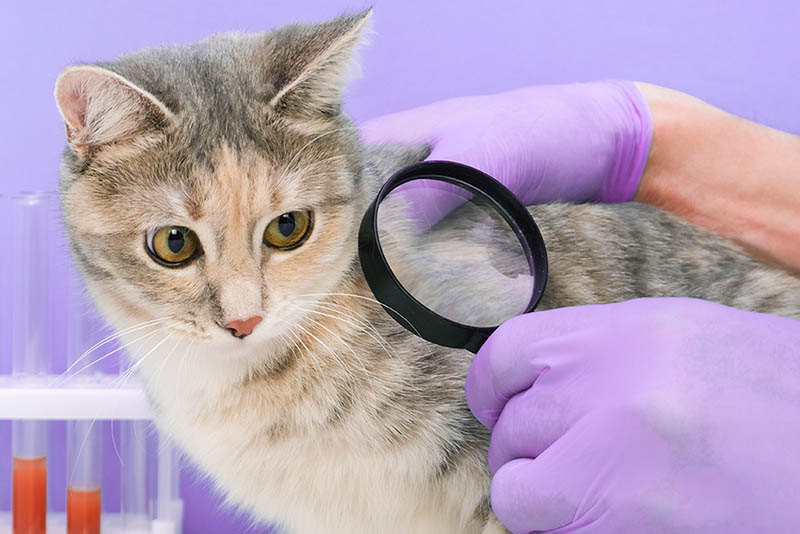
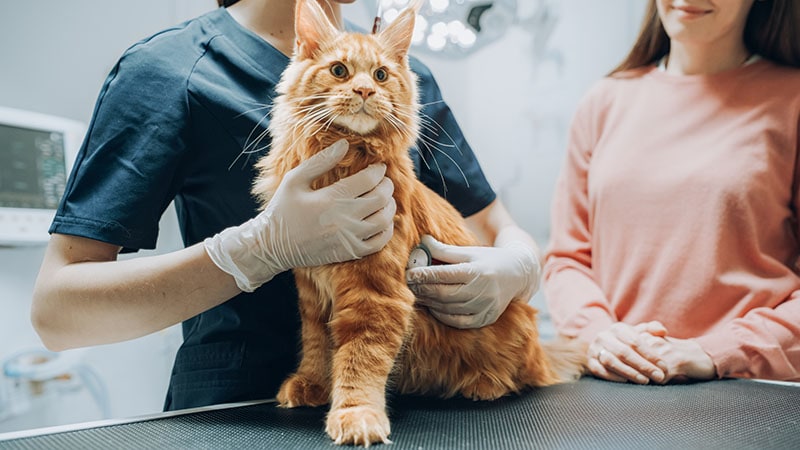
Once your kitty reaches adulthood at one year, it will only need to see the vet once per year for a wellness checkup. This is similar to an annual physical that is recommended for most humans. Your vet can look for any signs of illness or disease that may need treatment. If your kitty has already been diagnosed with anxiety, high blood pressure, or diabetes, they will evaluate their symptoms for changes in their health. Most vets will recommend basic bloodwork to test for health problems that aren't physically apparent.
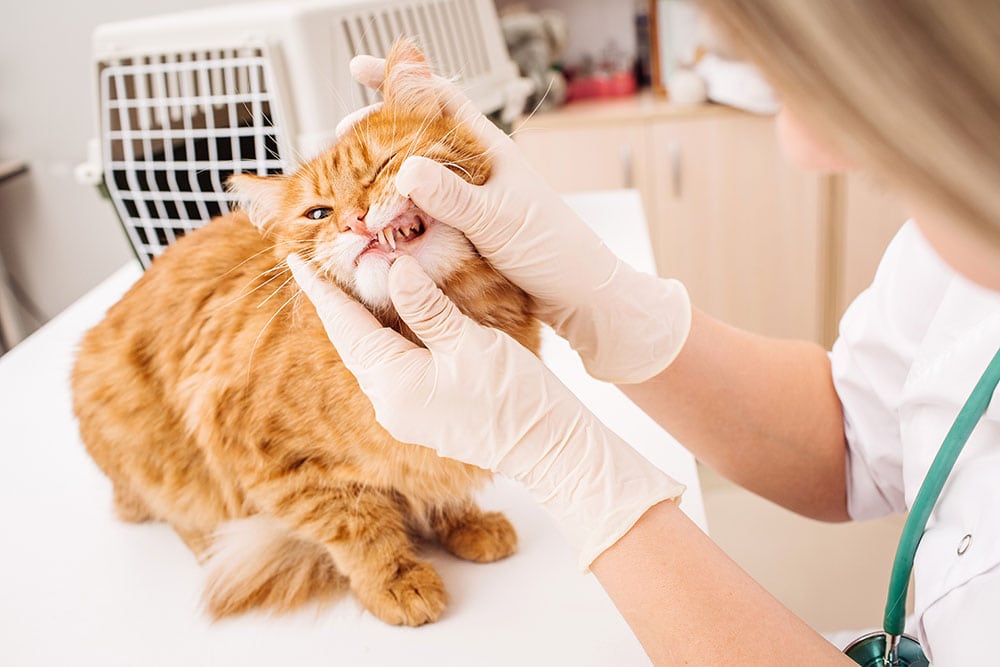
At this visit, they will check your cat's teeth for signs of decay and tartar buildup. Dental disease is common in cats and can cause big trouble if not caught early. Their veterinarian may recommend a cleaning to prevent problems down the road. They will get annual vaccines to protect them against common feline illnesses. These yearly visits help your cat stay healthy and happy. It's important to schedule them regularly so any potential problems can be addressed as soon as possible.
What to Expect:
3. Senior Cats (10+ Years)
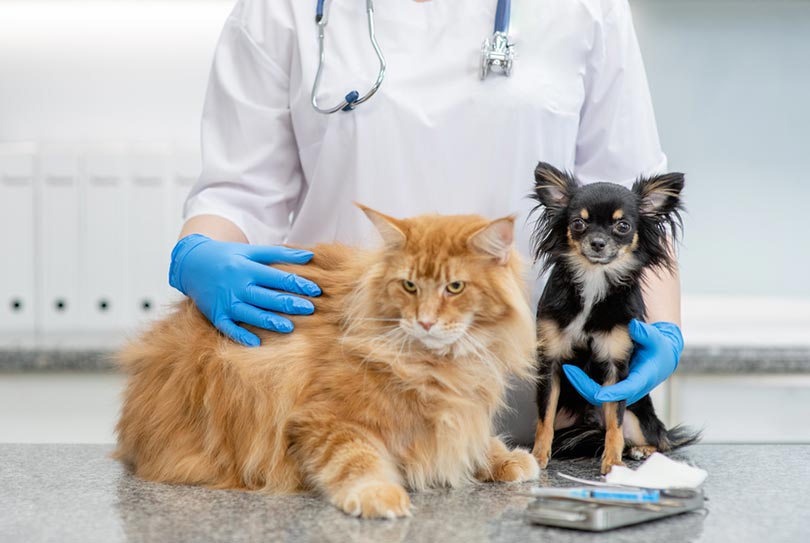
Once cats reach 10 years, the chances for health complications increase, and the importance of catching them early also does. Most vets recommend a wellness exam every 6 months to stay on top of any potential problems and check for new symptoms. Bloodwork and other diagnostic tests may become more frequent to check for signs of the most common ailments in elderly cats, which are diabetes, kidney disease, and hyperthyroidism.
Pet parents should also become more vigilant in looking for physical symptoms and signs of behavioral changes that could indicate a problem and make more frequent vet visits if needed. Their care team will make specific recommendations for care and frequency based on their individual needs, so at-home and follow-up care will differ for every kitty.
What to Expect:
4. Emergency Care
Planned visits to the vet are essential for preventing most feline diseases and chronic illnesses that may develop as they age. It's the best way to ensure they remain as healthy as possible, especially if their breed is prone to certain conditions.
However, sometimes emergency care is needed if they get sick or injured unexpectedly. If you have doubts that your kitty needs immediate care, you can call the vet and ask, but you can take them to the clinic anyway to be safe. Common cat emergencies include a urinary blockage, ingestion of something toxic, or a traumatic injury.
What to Expect:
The 5 Tips for Bringing Your Cat to the Vet
1. Make it Part of Their Routine
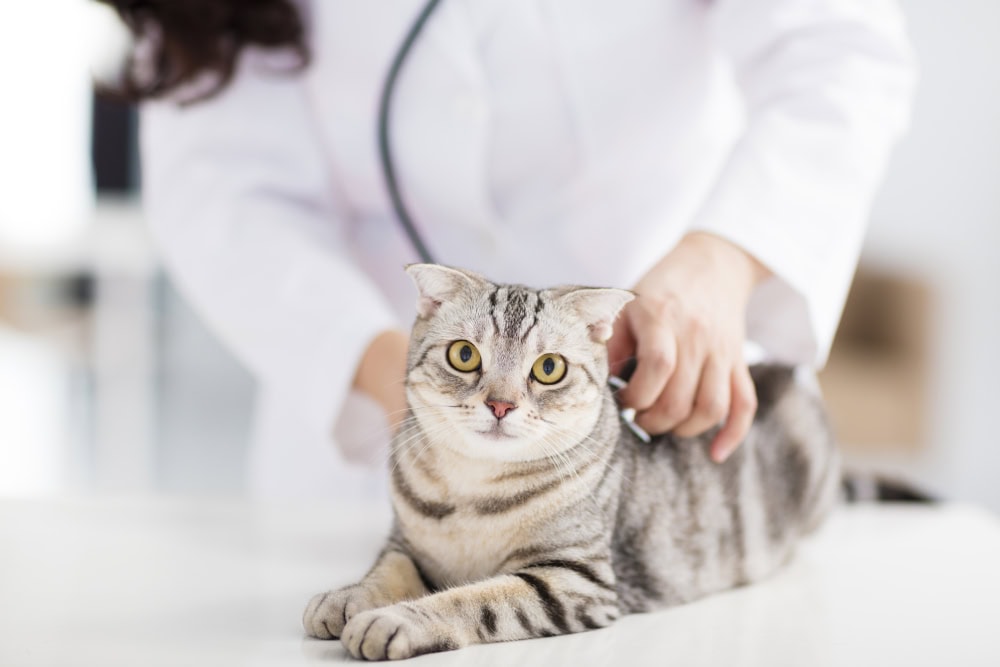
If you regularly bring your cat to the vet, another trip doesn't seem like a big deal. While it still may be stressful, it probably won't be nearly as bad for them. Cats that only come to the vet when they are sick will likely be even more anxious on top of their symptoms because they are unsure of their surroundings and what's happening.
2. Remember to Stay Relaxed
Your pet will tune into your own emotions. They will also feel that anxiety if you are nervous about their condition or how you will pay the bill. Remember to stay calm, and they will too.
3. Choose the Right Carrier

The right carrier for your pet will allow them plenty of room to move around and be comfortable. They should also not be afraid of it. You can start getting them accustomed to it by leaving it out somewhere they can investigate it and even climb inside. Taking a few trips in it with no particular destination but treats as a reward can help reduce anxiety.
4. While at the Clinic
Some vet clinics can be crowded and busy. If possible, pick a quiet corner or room where your cat isn't as stressed. Be sure to let their vet team know if your cat is anxious because they can take steps to help calm them.
5. When You Get Home
Your cat may not want to socialize when they get home. Let them find a quiet place to relax after their ordeal and come back out when they are ready. Even if they need medical care, giving them time to decompress will help both of you in the long run.
Conclusion
Now you know how often you should bring your favorite feline to the vet. Every cat is unique, and if yours requires any special medical care, it may need more frequent visits. You should always consult your vet if you have any questions about which services are needed. If you follow this guide and the recommendations of your cat's vet, you can rest assured that they will always feel their best.
See Also:
Featured Image Credit: Presslab, Shutterstock
Get Hepper In Your Inbox


Pet care tips from our vets and experts, straight to your inbox.
You may opt-out at any time. View our Privacy Policy for more information.
Krysha is a proud mom to Shelly, a tortoiseshell “Tortie” rescue kitty that loves to talk back, especially if I’m late with breakfast. Shelly’s big personality, despite her small stature, has been a driving force behind my ambition to spread awareness about local shelters and the small things residents, support groups, and non-profits can do to support them. Growing up, Krysha experienced the care of many pets, from cats and dogs to turtles and small lizards to hamsters and tropical fish.
Krysha is a freelance content writer specializing in pets, travel, and wellness. Her writing career began in 2009 while still studying English and Creative Writing at the University of Nevada, Las Vegas. Now, her creative writing skills combine with technical SEO experience to provide high-quality blog and web content for eCommerce and service-based websites.
Join the conversation
Ask a question, share your story, or send private feedback.