Hepper is reader-supported. When you buy via links on our site, we may earn an affiliate commission at no cost to you. Learn more.
What Vaccines Do Kittens Need? Vet-Approved Advice


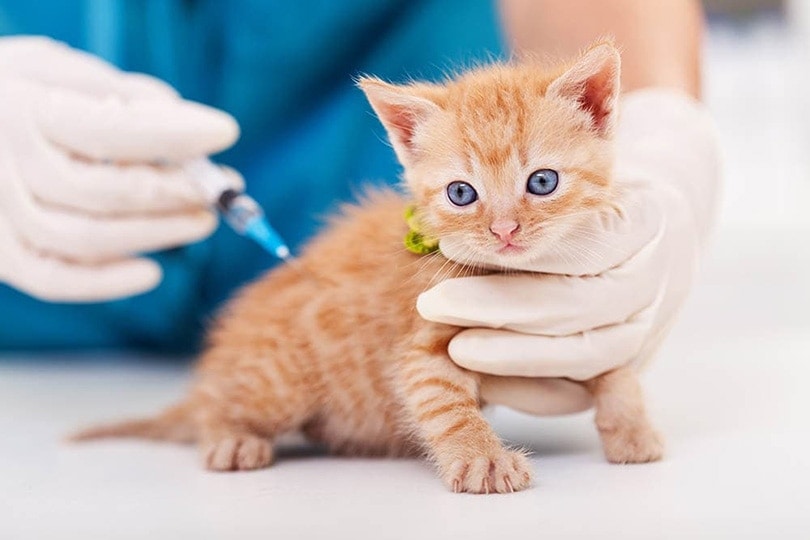
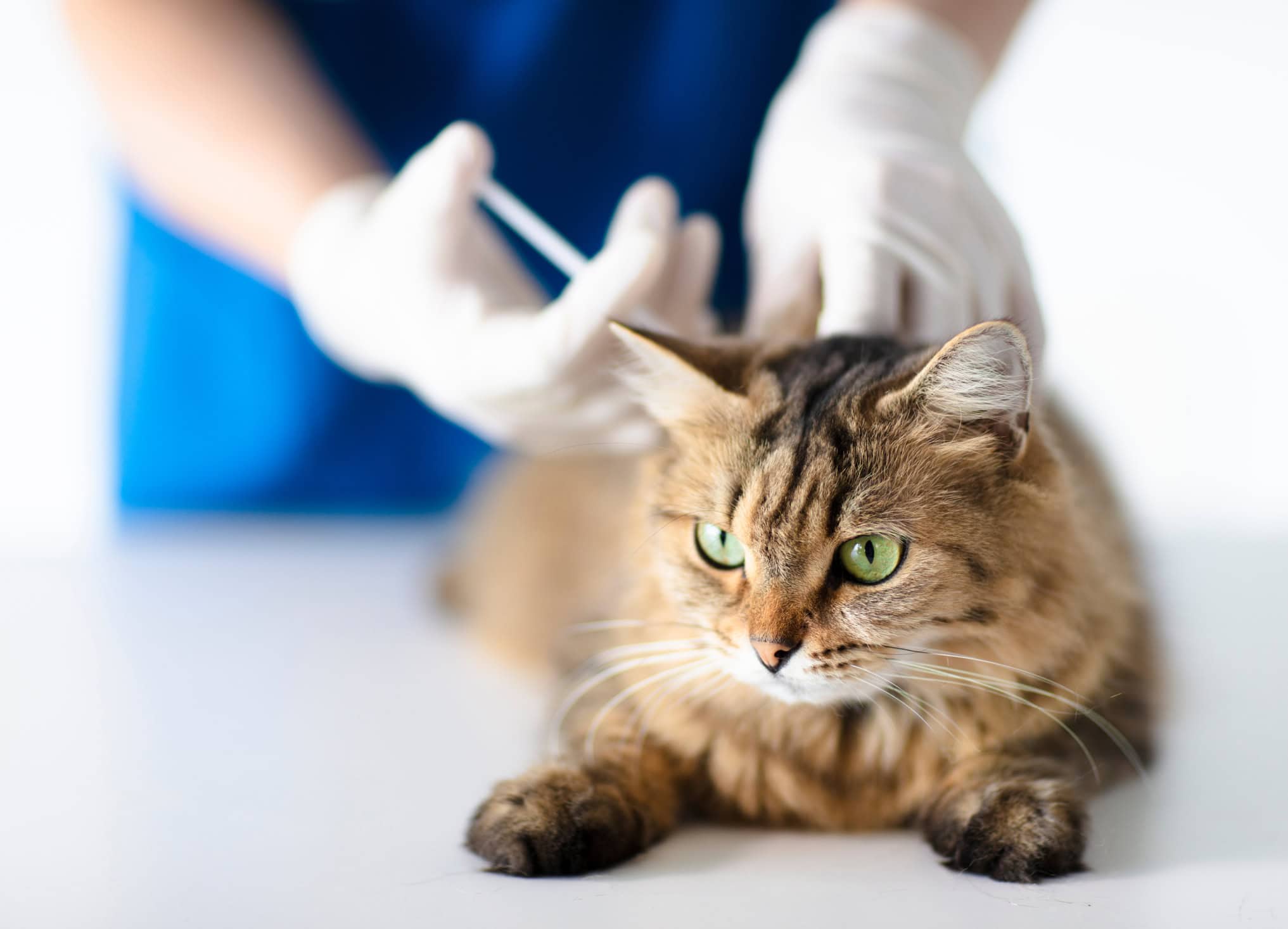
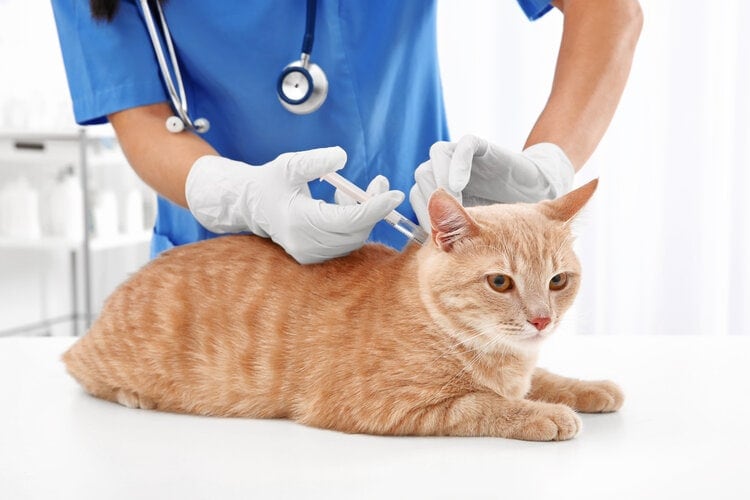
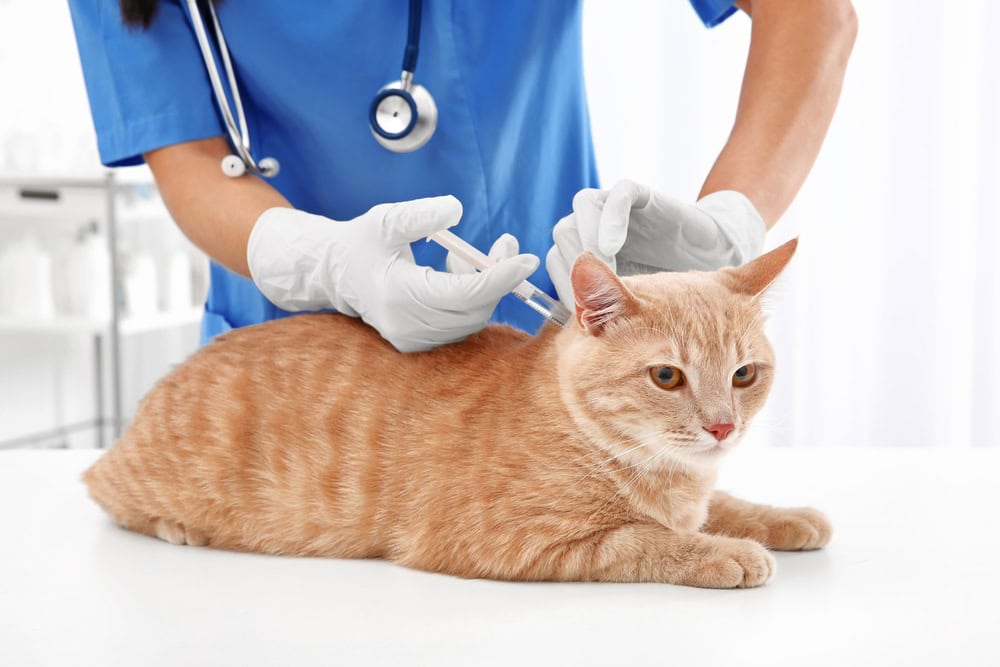
Young cats, like young humans, are still developing robust immune systems. This temporary weakness leaves kittens vulnerable to catching deadly diseases as they grow. Fortunately, we have effective vaccines to prevent many of these diseases.
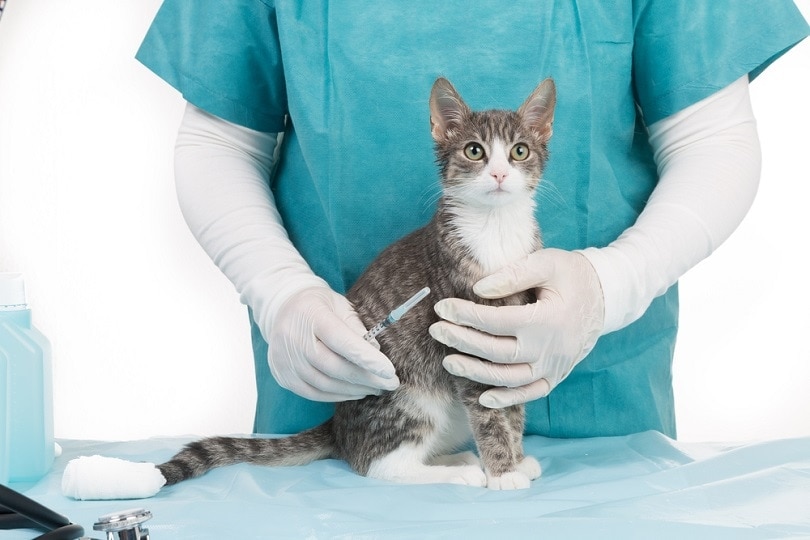
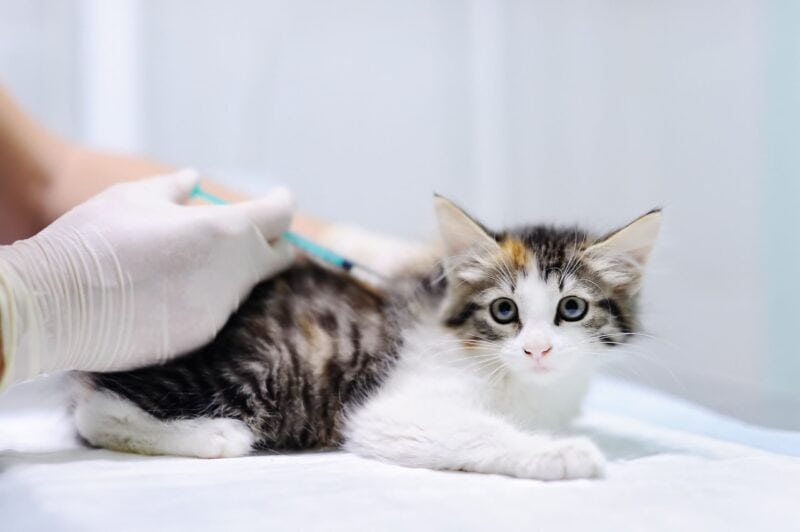
According to the most recent research and recommendations, kittens need three core vaccines: FVRCP (a combination vaccine), rabies, and feline leukemia (FeLV.) Keep reading to discover a sample kitten vaccine schedule and information about the diseases these shots help prevent. We’ll also discuss the preventative care kittens should receive and when they’ll need booster vaccines as adults.

Core Vaccines for Kittens and What They Prevent
In 2020, the American Animal Hospital Association (AAHA) and the American Association of Feline Practitioners (AAFP) published updated guidelines on the vaccines kittens under a year old should receive.
FVRCP Vaccine
The FVRCP vaccine is a combination vaccine that prevents several of the most common and infectious cat diseases:
- Feline panleukopenia (feline distemper)
- Feline herpes virus-1 (feline viral rhinotracheitis)
- Feline calicivirus
Calicivirus and herpes virus both cause upper respiratory infections in cats and are highly contagious. Feline panleukopenia is similar to parvovirus in dogs. It is extremely contagious and can be life-threatening. Kittens receive their first FVRCP vaccine at 6–8 weeks of age. To receive full protection, kittens should get an FVRCP shot every 3–4 weeks until they are 16 weeks old.
Rabies
Rabies is a virus that is almost universally fatal once contracted. It’s a threat to both human and animal health. Because of this, rabies vaccination is required by law in most places. Kittens need a single rabies vaccine, typically given at 12-16 weeks of age.
Feline Leukemia Vaccine
Not all vets consider the feline leukemia vaccine to be necessary for all kittens. However, it is included in the core vaccine recommendations for cats less than a year old. Recommendations for adult cats vary, but we’ll cover those later in this article.
Feline leukemia is a contagious virus that impacts the immune system of infected cats. Long-term, it causes multiple medical concerns, including cancer, blood disorders, and a poorly functioning immune system.
Kittens need one feline leukemia vaccine at 8–12 weeks of age and a second 3–4 weeks after the first shot. Before receiving the shot kittens should ideally be tested for FeLV, depending on their history, because infected mother cats can transmit the disease to their babies.
Kitten Vaccine Schedule
Based on the current recommendations, here’s a sample kitten vaccine schedule:
6 - 8 weeks
10 - 12 weeks
14 - 16 weeks
Why Are Kitten Vaccines Repeated So Often?
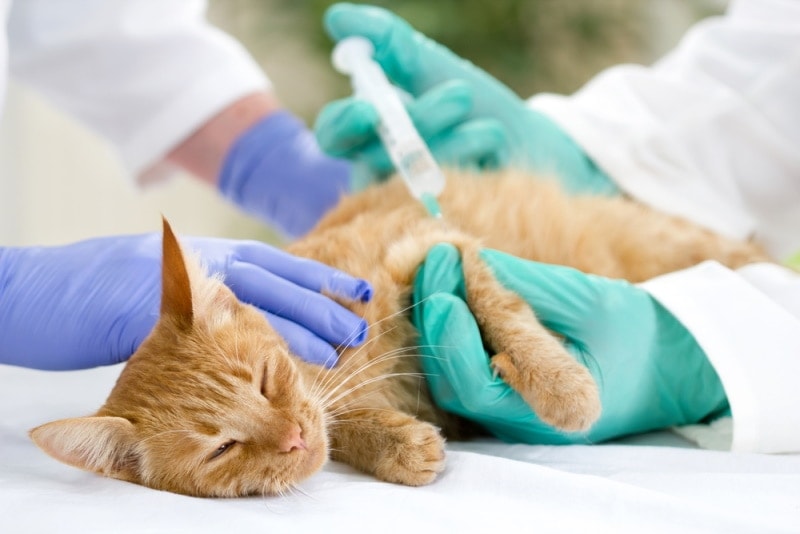
As you noticed, kitten vaccines are repeated several times. This step is necessary to provide full protection from the diseases targeted by the vaccines. When they nurse, kittens receive some protection through antibodies passed from their mother if she is fully vaccinated/immune. However, these antibodies also prevent the kitten vaccines from being fully effective. Their presence is the reason why kitten vaccines are repeated so many times.
What Other Preventative Wellness Do Kittens Need?
Kittens are often infected with intestinal parasites or worms. Veterinarians typically recommend that kittens receive several doses of dewormer starting as early as 2-3 weeks old. They may also suggest having a stool sample tested to look for uncommon parasites that require different medications. Kittens should also be started on a flea preventative as soon as they are old enough. You can also talk to your vet about whether a heartworm preventative is appropriate for your kitten.
What Booster Shots Do Adult Cats Need?
After a cat is older than 1 year, the vaccine recommendations change slightly. Adult cats should receive an FVRCP and rabies booster one year after completing their kitten shots. However, the FeLV is considered an optional or non-core vaccine after 1 year.
Non-core vaccines are only given based on a cat’s potential exposure to the disease. For example, a cat that lives exclusively indoors is unlikely to be exposed to feline leukemia and probably doesn’t need to receive the vaccine. Other non-core vaccines include Chlamydia and Bordetella.
Conclusion
To protect against dangerous and potentially deadly diseases, kittens need a series of three core vaccines: FVRCP, rabies, and FeLV. Your veterinarian can discuss your kitten’s vaccination schedule, and after your pet is an adult, they’ll need vaccines less frequently. Your vet can also monitor your kitten for other health concerns as they grow and provide recommendations on a healthy diet, preventative medications, and dealing with behavior issues.
Sources
Featured Image Credit: Ilike, Shutterstock
Get Hepper In Your Inbox


Pet care tips from our vets and experts, straight to your inbox.
You may opt-out at any time. View our Privacy Policy for more information.
A lifelong lover of all creatures great and small, Elizabeth got her first cat at 5 years old and at 14, she started working for her local veterinarian. After spending more than 20 years working as a veterinary nurse, Elizabeth decided to step away to become a stay-at-home parent to her daughter. Now, she is excited to share her knowledge with our pet parents. Elizabeth lives in Iowa with her family, including her two fur kids, Linnard, a husky mix and Algernon, the worldʻs most patient cat. When not writing, she enjoys reading, watching soccer, and spending time outdoors with her family.
Join the conversation
Ask a question, share your story, or send private feedback.