Hepper is reader-supported. When you buy via links on our site, we may earn an affiliate commission at no cost to you. Learn more.
Pygmy Chain Sword: How to Plant & Grow (Complete Care Guide)
In this article
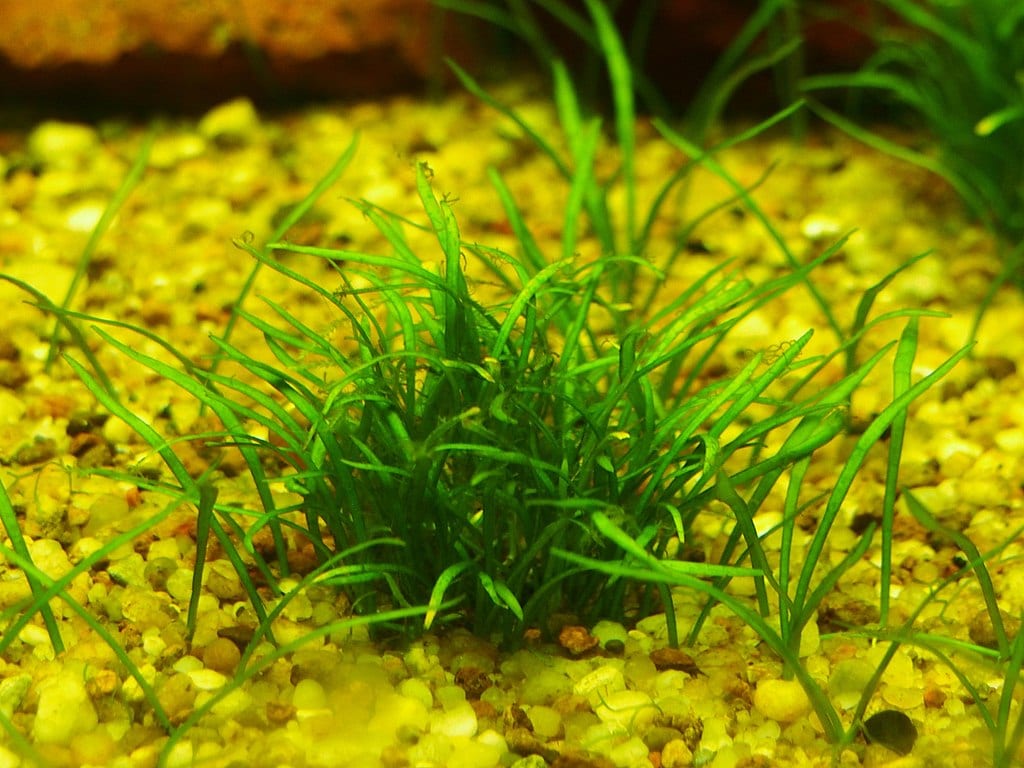
Native to South America, the Pygmy chain sword, also known as Echinodorus tenellus, is commonly called the chain sword or narrow leaf. Pygmy chain swords are one of the more interesting-looking aquarium plants available on the market, with a dark green grass-like look, creating the appearance of a lush green carpet along the bottom of your aquarium.
Pygmy chain sword is quite a sought-after plant that is treasured in the nano tank aquascaping community for its variety of benefits that include: providing a place for inhabitants to hide in, creating a renewable food source, and helping with water quality. Pygmy chain sword makes an excellent carpeting plant for all levels of aquarists, from beginners to advanced.

Useful Information About Pygmy Chain Swords
| Family Name: | Alismataceae |
| Common Name: | Narrow-leaf chain sword |
| Origin: | South America |
| Color: | Dark to light Green |
| Size: | 10 cm or 4 inches |
| Growth Rate: | Rapid |
| Care Level: | Beginner |
| Lighting: | Moderate to high |
| Water Conditions: | Tolerates a variety of water temperatures and conditions |
| Minimum Tank Size: | 5 gallons |
| Supplements: | High-quality aquarium fertilizers |
| Placement: | The bottom of the aquarium so it forms a green carpet |
| Propagation: | Produces runners, self-propagation |
| Compatibility: | Does well with a variety of low-growing aquatic plants |

Pygmy Chain Sword Appearance
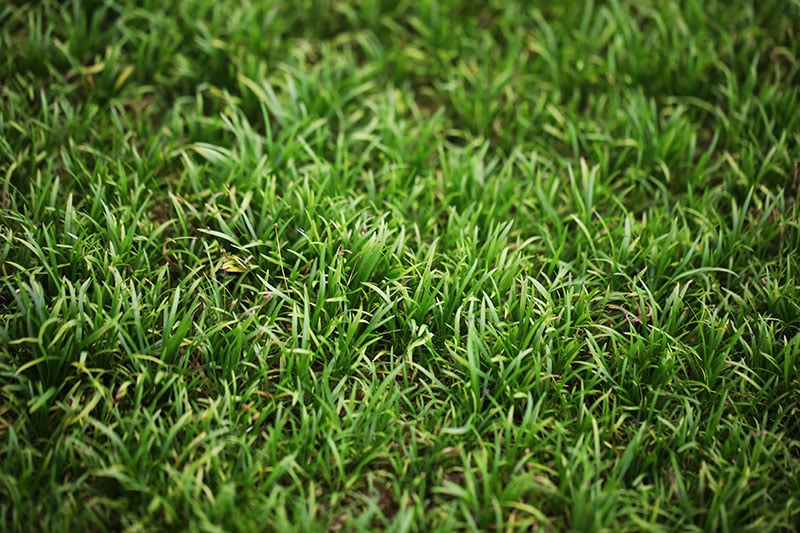
The pygmy chain sword has a light green to lush dark coloration and appears to be an aquatic version of grass with broader leaves and a thinner tip. It grows low and rapidly, making the bottom of the aquarium a vibrant green carpet. The pygmy chain sword looks like a clump of grass, with thin blades that broaden towards the ends. This plant does not grow very tall; in good lighting, it grows to a maximum size of 10cm or 4 inches in height, so it does not overrun an aquarium.
Pygmy chain sword broadens and multiplies by creating runners that will start small and soon reach full size. The plant has a main root from which several grass-like blades grow in no particular pattern or order. If you prefer to have the blades all at the same length and height, you can trim them to your desired size. You will have to keep this as a routine due to its rapid growth. The pygmy chain sword plant is also commonly referred to as ‘underwater grass’ and it adds an exceptional look to an aquarium with its unique features and growth not found in other aquatic plants.
Where to Find It?
Most pet stores will stock pygmy chain swords, although you will pay for the individual bunch (a few green blades attached to one root system). Depending on how big your aquarium is, you may want to buy several bunches; but keep in mind they create runners that will rapidly grow and carpet your aquarium. They are also available from reputable online stores, although due to the shipping, they may not arrive in the best condition and there is no guarantee they will be able to be revived. A reputable online store should give you a refund if this is the case. Pygmy chain swords are generally inexpensive both online and in pet stores.

General Care
Pygmy chain swords are for all levels of aquarists, so it does not make a difference if you are experienced with aquarium plants, or just beginning to get the hang of it. Although pygmy chain swords are not as hardy as some other aquarium plants, they need some special care methods to keep them healthy and to maintain their lush and vibrant green coloration.
Habitat, Tank Conditions & Setup
Tank/aquarium size:
Because pygmy chain swords propagate horizontally in the foreground of your aquarium, they are ideal for at least a 5-gallon tank; otherwise, the tank may not be able to handle the growth and fast developing runners when the plant propagates. They can also seem unappealing in small aquariums due to the carpeting formation.
Water temp and pH
Pygmy chain swords do well with a temperature range from 68ºF to 84ºF, making them ideal for both tropical and cold-water aquariums. They do prefer neutral water with a pH of 6.2 to 7.5, making this a flexible plant when it comes to temperature and pH differences.
Substrate
Pygmy chain sword grows best in fine gravel filled up to at least 2 inches for proper rooting. One of the ideal options is aquarium sand, which is nutrient-rich. Pygmy chain swords benefit from supplements such as CO2, fertilizers, and root tabs, although it is best not to overdo supplementation, and dosage depends on tank size and how many pygmy chain swords are in your aquarium. Make sure to add enough substrate to allow appropriate root growth.
Plants
Pygmy chain sword grows well with plants that do not block out their light source such as floating plants. They are not compatible with middle-ground over-hanging plants, as they generally grow in such a way that they block out some light needed for survival. Choose plants that do not grow close leaves, but rather slow-growing broad-leaf plants.
Lighting
Pygmy chain swords appreciate moderate to high lighting, although they grow faster with more light available. They don't do well in low-lit aquariums and will lose color, display slow growth, and will not thrive to their full potential. You can choose between bright natural lighting or you can get artificial lighting to place over the tank (do not place an aquarium in direct sunlight).
Filtration
Pygmy chain swords are excellent water purifiers and are great for plant-filtered tanks. They readily absorb ammonia, nitrites, and nitrates to use for growth, keeping the aquarium’s water in better condition and reducing the need for water changes, a great benefit for you! They are even used in unfiltered shrimp tanks since they do such a great job of biologically filtering an aquascaped nano tank.

Planting Tips
Pygmy chain swords should be planted in either sand or fine gravel leveled to at least 2 inches for appropriate rooting. Before planting pygmy chain swords, it is a good idea to add root tabs and fertilizers to optimize the growth rate and health of your plant. When planting into your aquarium, make sure you cover the roots, leaving the leaf blades and stem showing. This ensures your pygmy chain sword can root appropriately to avoid it from coming loose and then floating out of place.
If you find that they do not seem to root in the substrate, you can try using plant weights, although they are not found in most pet stores, they are widely available online. Avoid planting in a tank that does not receive much lighting or is cramped with a variety of plants, as they may block out light and too many plants will be competing for growth space and nutrients.

The 5 Benefits of Having Pygmy Chain Sword in Your Aquarium
1. Water Purification
Pygmy chain swords are great biological aquarium filters and keep water parameters under control by absorbing ammonia and nitrates to help them grow, this keeps the water condition to a good level and helps contain harmful parameters that would harm the aquarium inhabitants. Aquatic plants, especially pygmy chain swords, are generous when controlling ammonia and nitrate levels in the tank.
2. Hiding Place
The 4-inch grass offers a great safe and secure hiding space for the aquarium inhabitants, especially for fry, shrimps, and young apple snails. Larger fish can be observed resting in the grass at nighttime as it makes them feel safe.
3. Grows in the Foreground of the Aquarium
A benefit of this is that they won’t overrun the tank like other aquarium plants seem to do. They grow into a lush green carpet on the bottom of your aquarium and do not make your aquarium seem cramped with live plants.
4. Propagates on its Own
Pygmy chain swords grow and spread quite well on their own, they seem to grow well by themselves and spread runners through the tank as well as producing seeds when mature, multiplying without your help.
5. Cost Effective
Pygmy chain swords are relatively affordable both online and at a pet store, making them an inexpensive aquatic plant.
Concerns About Pygmy Chain Swords
Due to their structure, it can be hard to see smaller invertebrate aquarium inhabitants since they will most likely hang out within this plant because they feel safe and secure, so you will not be able to see them much unless you investigate the aquarium from the top. Pygmy chain swords grow quite rapidly and may require you to do regular trimming and propagation control—that is, if you do not want the whole foreground of the tank to be carpeted with pygmy chain swords. They also seem to not grow well without added supplements such as C02, root tabs, or special aquarium fertilizers.

Final Thoughts
If you've ticked off most of the care requirements in your head, you can appropriately care for the pygmy chain sword aquarium plant. Its vibrant green and lush coloration will add an appealing green carpet to the foreground of your tank. Pygmy chain swords offer so many essential benefits that can greatly help keep your aquarium in good condition, mostly through the great biological filtration it offers.
The pros outweigh the cons, making this a great beginner and easy-to-care-for aquarium plant. Always make sure new aquatic plants are compatible with the current plants you have, to avoid the plants from competing for nutrients and light availability.
Featured Image Credit: Pygmy Chain Sword (Image Credit: Agnieszka Kwiecień, Nova, Wikimedia Commons CC BY-SA 4.0 International)
Get Hepper In Your Inbox


Pet care tips from our vets and experts, straight to your inbox.
You may opt-out at any time. View our Privacy Policy for more information.

Lindsey discovered her passion for fish keeping after a junior high school field trip to the Shedd Aquarium in Chicago. Prior to becoming Editor-in-Chief of It's a Fish Thing, Lindsey studied marine biology at the University of California-Santa Cruz. She loves goldfish, tetras, and mystery snails, and recently began experimenting with a saltwater aquarium.
Join the conversation
Ask a question, share your story, or send private feedback.