Hepper is reader-supported. When you buy via links on our site, we may earn an affiliate commission at no cost to you. Learn more.
Raw vs. Cooked Dog Food: Vet-Reviewed Main Differences, Pros & Cons


In this article
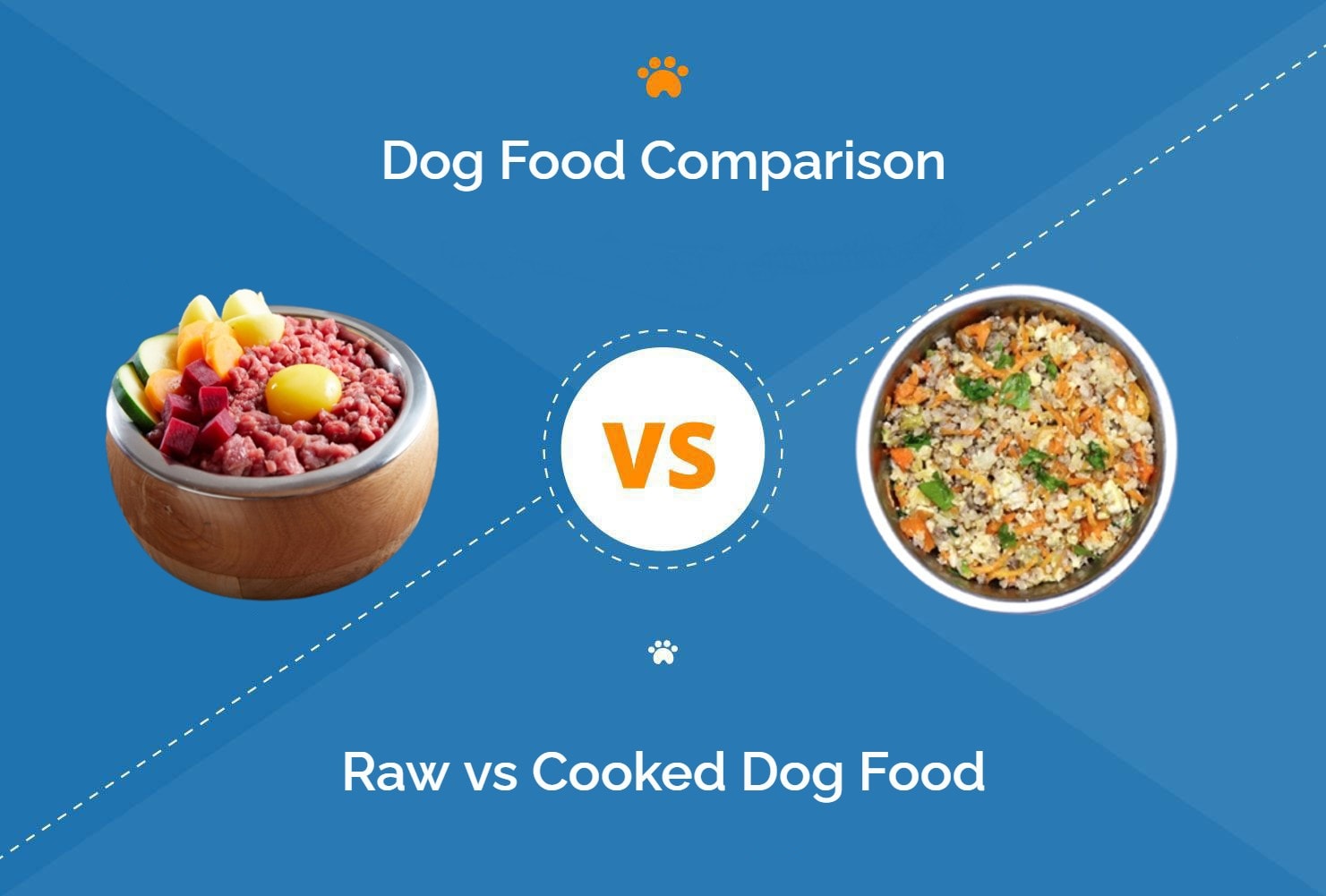
In 1993, Australian veterinarian Ian Billinghurst1 wrote a book promoting raw food for pets. Raw feeding then became a trend that has recently seen a resurgence in popularity. Conversely and as the name suggests, cooked dog food is food that has been cooked to an internal temperature high enough to kill all pathogens. This type of food is, therefore, safe for consumption. Cooked dog food can be fresh, wet, or dry.
There's a great deal of conflicting information out there about which type is better for dogs. Here, we compare the two and go over their pros and cons, so you can decide which one will best suit your own dog.

Overview of Raw Dog Food
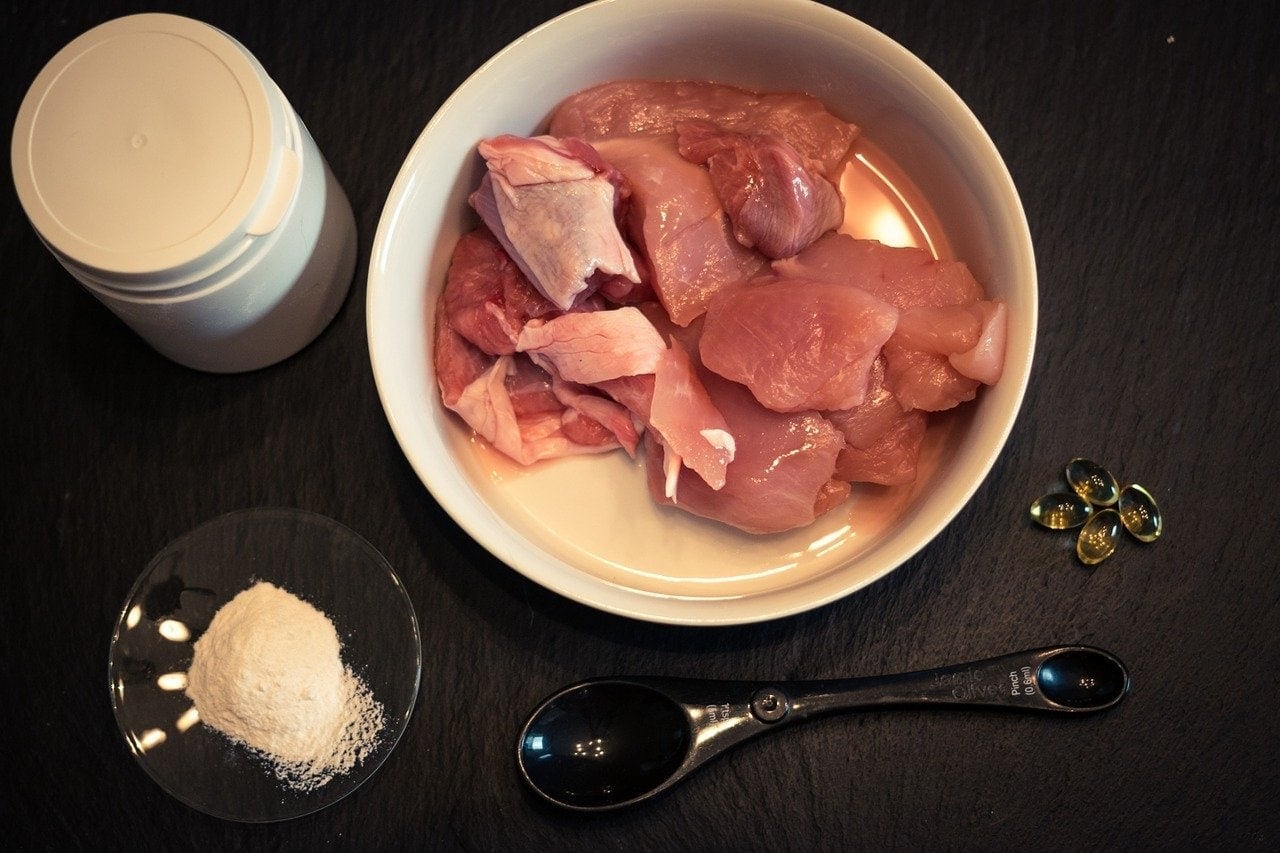
You can offer your dog two types of raw food: homemade and commercial.
Homemade Raw Dog Food
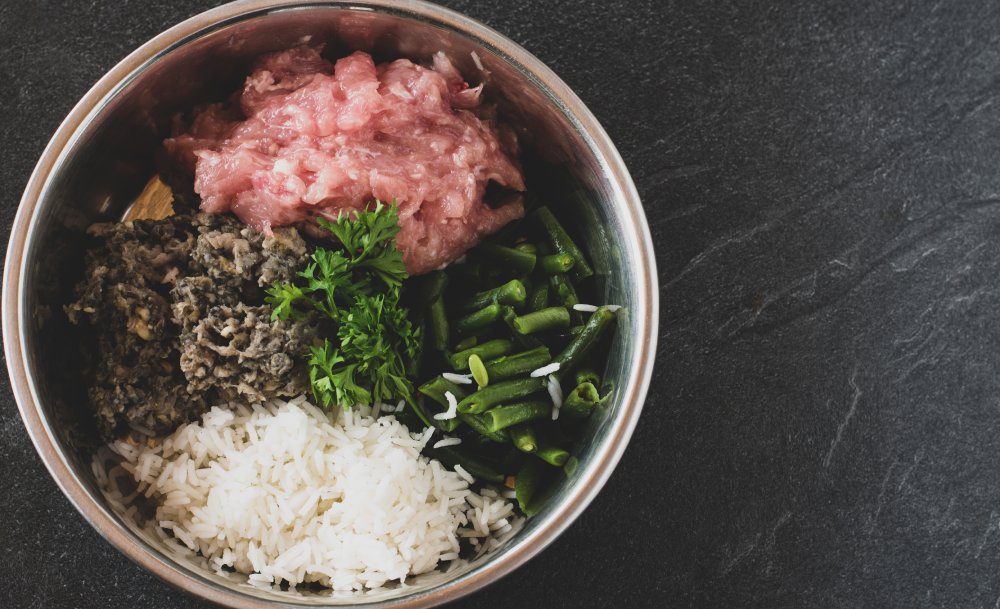
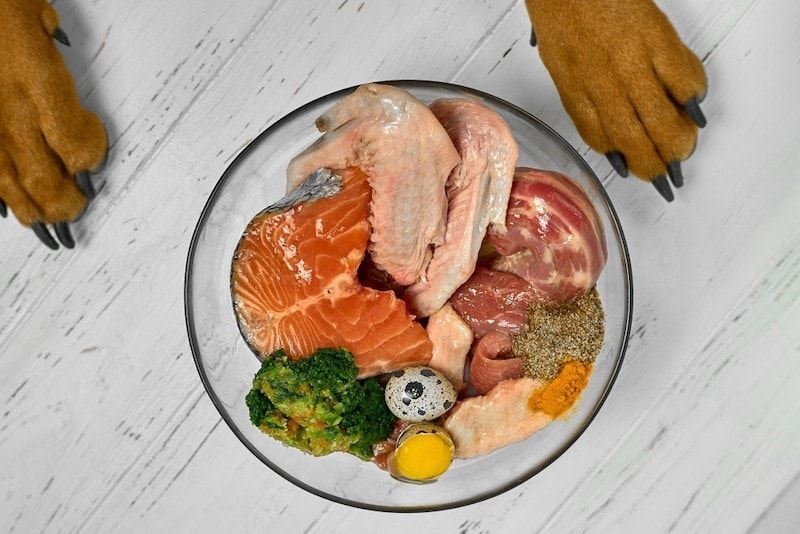
For homemade diets, you must select, purchase, portion, and assemble the various ingredients to provide your dog with a complete and balanced diet. However, this can get complex, as what you need for a balanced diet depends on your dog's age, breed, and physical condition.
Commercial Raw Dog Food
You can buy these products online or at some pet stores. They come in various forms, including freeze-dried. However, even if a commercial diet seems complete, it is still recommended to obtain the advice of a veterinary nutritionist before opting for this type of product.
Key Highlights
At present, the benefits of raw food diets for dogs are unproven, while the risks and consequences for public and animal health are well documented. Pet owners should be aware that there is a risk in feeding their pets raw food.
Health Benefits
The potential benefits of a raw diet include a shinier coat, cleaner teeth, better breath, a more efficient immune system, increased muscle strength, reduced risk of cancer, more efficient digestion, better vision, and longer life expectancy. However, these supposed benefits have yet to be backed up by evidence-based research.
Potential Health Risks
Increasingly objective information tends to show that raw foods present risks for the health of animals and for the humans who handle them.
One of these risks, documented many times, concerns the possible contamination by dangerous bacteria, including Salmonella, Clostridium, and E. coli. Fortunately, these will rarely bother healthy adults. However, children under 5, adults over 65, pregnant people, and immunocompromised people should not come into contact with these bacteria; otherwise, they may suffer from potentially severe or even fatal health problems.
Pros
- Strengthens the dog's immune system
- Greater longevity
- Fewer food allergies
- Higher protein digestibility
- Healthier and shinier coat
Cons
- High risk of contamination by pathogenic bacteria
- Can cause nutrient deficiencies or imbalances
- May cause gastrointestinal health issues
- Benefits of raw diets are still poorly documented
- Time consuming and expensive
- Most veterinary associations discourage the unregulated feeding of raw foods for pets
- Side note: To date, these benefits have yet to be proven by peer-reviewed scientific studies.

Overview of Cooked Dog Food
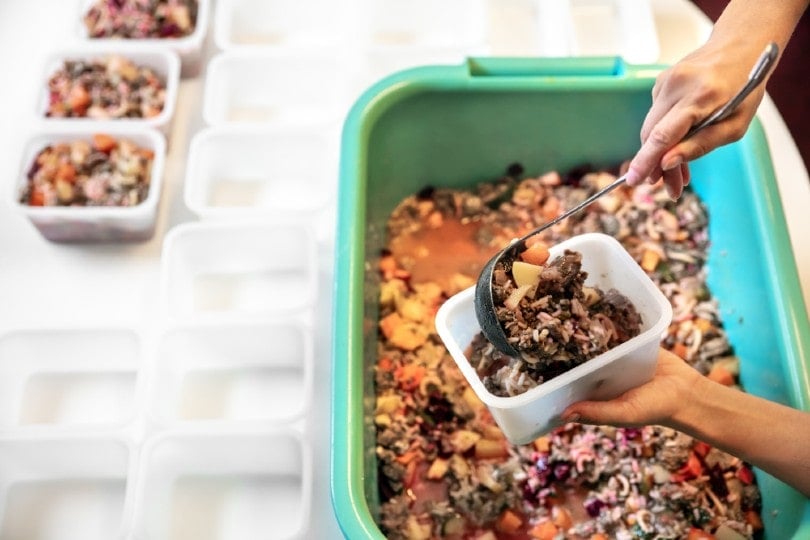
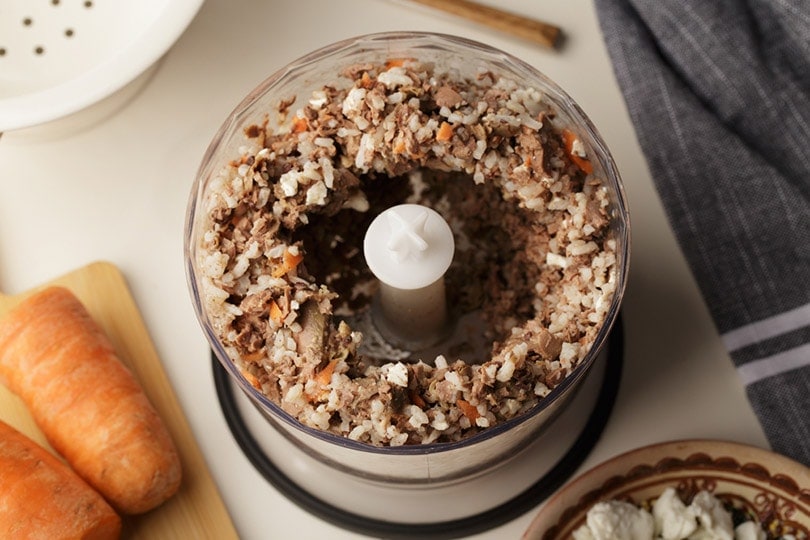
The shelves of pet stores and veterinary clinics are full of cooked foods, products with or without grains, and meat or meat by-products. You can also cook your dog's meals yourself, although this is a tedious process that requires time, organization, and good knowledge of animal nutrition. Ideally, you should seek advice from a veterinary nutritionist to ensure that your dog's meals are balanced and complete.
It is also possible to use fresh dog food delivery services through a monthly subscription. These companies generally collaborate with veterinarians and nutritionists to ensure that their recipes meet the Association of American Feed Control Officials standards.
Health Benefits
Homemade cooked dog food offers a few interesting benefits for your pet's health: better control of your dog's diet, use of whole and minimally processed ingredients, control of food intolerance or allergy problems, tastier meals, better digestion, etc. That said, cooked dog food purchased at the store or through a dog food delivery service has many of the same benefits while requiring less time for meal preparation.
Potential Health Risks
The main downside of homemade cooked dog food is that it can lead to nutritional deficiencies. Indeed, if you don't prepare balanced and individualized meals according to your dog's needs, from recipes formulated by a certified veterinary nutritionist, your animal could suffer from a deficiency (or an excess) of certain nutrients. An unbalanced diet can lead to a host of health issues for your dog, including malnutrition or obesity.
Pros
- Easier to store and prepare
- Reduced risk of bacterial contamination
- Greater digestibility than commercial foods
- Can provide adequate nutrition if complete and balanced
Cons
- Can cause nutrient deficiencies or imbalances
- No evidence supports the claim that home-cooked dog food is superior to commercial food
- Expensive if you opt for commercially cooked dog food

What Are the Differences Between Them?
Health Risks
- Edge: Cooked dog food
Although home-cooked diets for dogs can possibly lead to nutritional deficiencies, the risks associated with raw food are significant and widely documented in the scientific literature. Indeed, raw diets can cause problems for pets and their owners due to the presence of bacteria and other pathogens. If you want to feed your pet a raw diet, be sure to consult your veterinarian first.

Price
- Edge: Varies
Both types of food can be expensive, as you have to buy fresh ingredients and meat, cooked or not. If you decide to use dog food delivery services instead, you will incur a monthly cost that will likely be higher than the average cost of commercial dog food.
Time
- Edge: Varies
Both types of dog food are time consuming and require a great deal of planning and organization. You can save time if you opt for carefully prepared, ready-made meals that you can buy online or at certain pet stores.

Conclusion
As a dog owner, it's your responsibility to ensure that your pet receives a healthy, complete, and balanced diet. What pets need to thrive is good quality food, whether raw or cooked. However, if you opt for raw foods, you must consider the risks of contamination with pathogens, in addition to the high cost and time involved in preparing balanced meals. This is why we recommend that you speak to your veterinarian before opting for either diet.
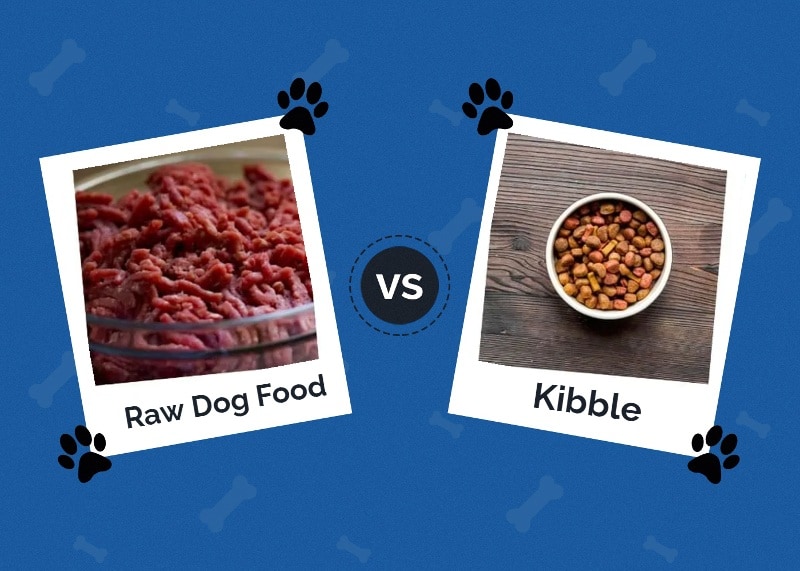
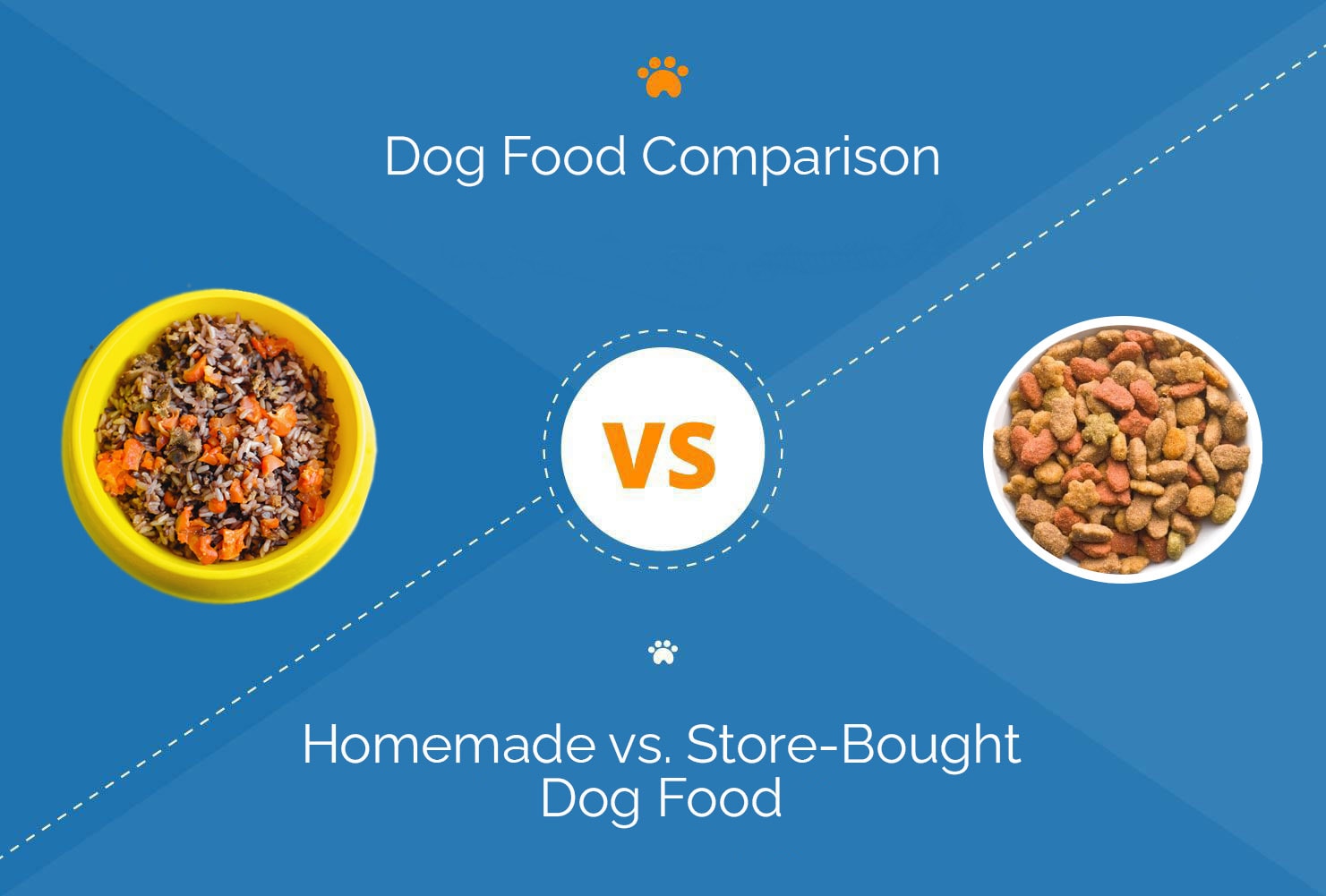
Featured Image Credit: Left: Raw Dog Food [stockcreations, Shutterstock] | Right: Cooked Dog Food
Get Hepper In Your Inbox


Pet care tips from our vets and experts, straight to your inbox.
You may opt-out at any time. View our Privacy Policy for more information.
Genevieve, a biologist and science writer, who harbors a profound affection for capuchin monkeys, pumas, and kangaroos. This passion has led her to travel extensively, volunteering and working at wildlife rehabilitation centers in Bolivia, Guatemala, Canada, and Australia. Now residing in Argentina as a Canadian expat, Genevieve enjoys the view of horses and cows greeting her from the vast plains outside her home office window. She proudly cares for three rescued dogs—Lemmy, Nala, and Pochi—and a playful kitten named Furiosa. Sharing her extensive knowledge and love for animals brings her immense joy and fulfillment.
Join the conversation
Ask a question, share your story, or send private feedback.