Hepper is reader-supported. When you buy via links on our site, we may earn an affiliate commission at no cost to you. Learn more.
Is Homemade Dog Food Better Than Commercial Brands? What You Should Know
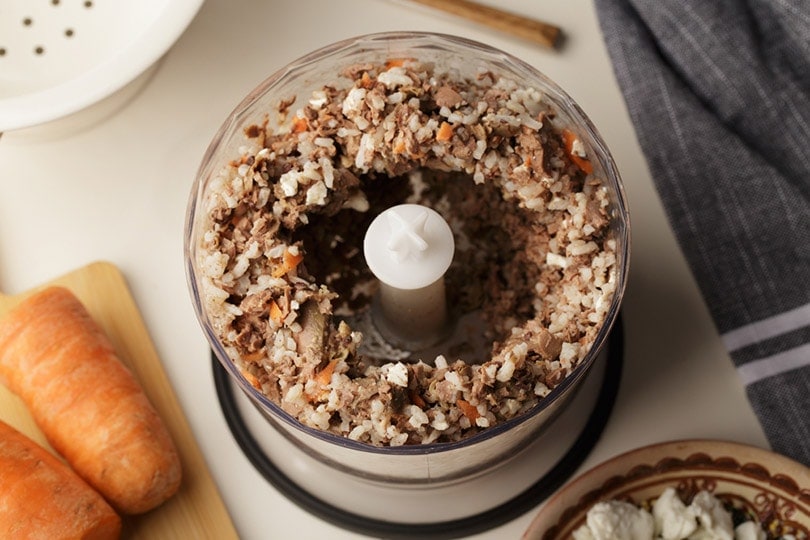
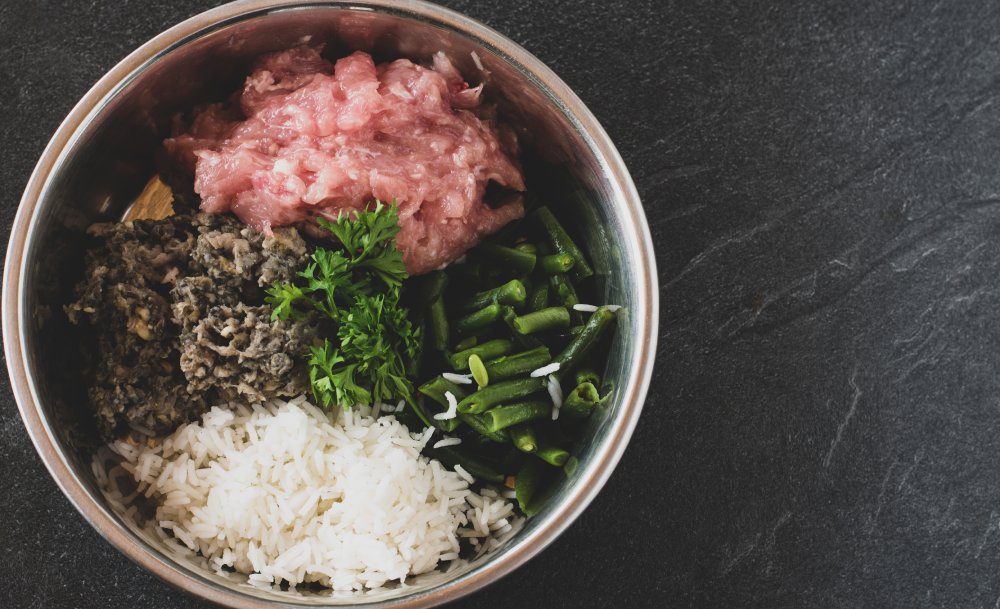
You might wonder if it’s easier just to cut out the middleman and make your own dog food. It’s certainly an option if you have the time, but there is more to consider than just how time-consuming it will be.
There are your dog’s nutritional needs and the cost, for example. And the question of whether homemade is better than commercial dog food is tied up in all these complexities. It depends on your definition of “better.” Generally, it could be said that if you have enough time to research your dog's exact nutrient needs, you will have better results with homemade food. If you’re thinking about making this culinary leap, keep reading to find out what it will entail and whether or not this choice is the best for your pup.

Is Homemade Better Than Commercial?
If you lived in a world where you had all the time you needed with no distractions to research what your dog needs from his food, source ingredients, and make the food, then yes, homemade dog food could be better for your pet’s individual needs than commercial.
That is why subscription boxes have become such a success. They’re expensive services, but they’re designed for your dog and are delivered to your door. It makes sense, then, that you’ve wondered about cutting these costs. You only have to make food for your dog; it shouldn’t be that difficult, right? Unfortunately, it is.

Commercial Dog Food Requirements
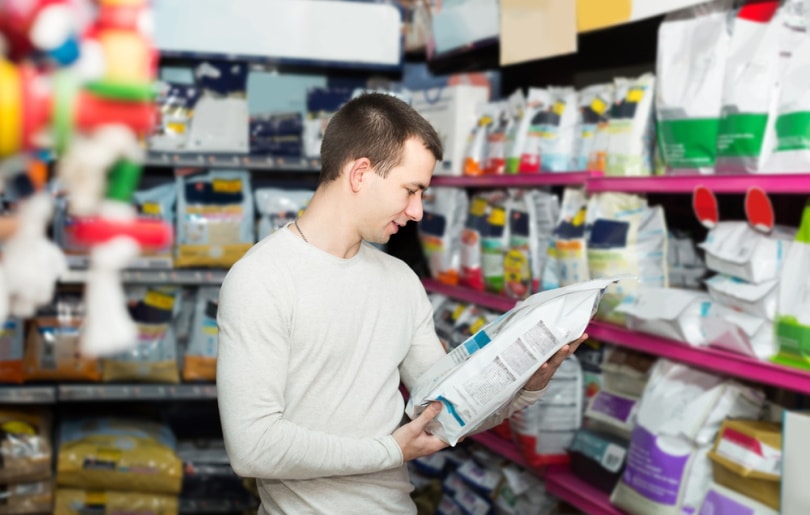
After looking at the ingredients label on dog food, you’d be excused for assuming it isn't very healthy, and all those complicated names sound like harsh chemicals you don't want anywhere near your dog. They are however mostly just the scientific names for ingredients such as vitamins and proteins. However, commercial dog food has a lot of hoops to jump through before it can land on shelves. The ingredients are regulated by the Food and Drug Administration (FDA) and are chosen based on cost, taste, how digestible it is, and nutritional content to name a few.
Commercial foods must meet the minimum requirements of the Association of American Feed Control Officials (AAFCO). Manufacturers must verify their product meets the AAFCO’s set of guidelines. If they don’t, the product will state that it should only be used as a supplement.
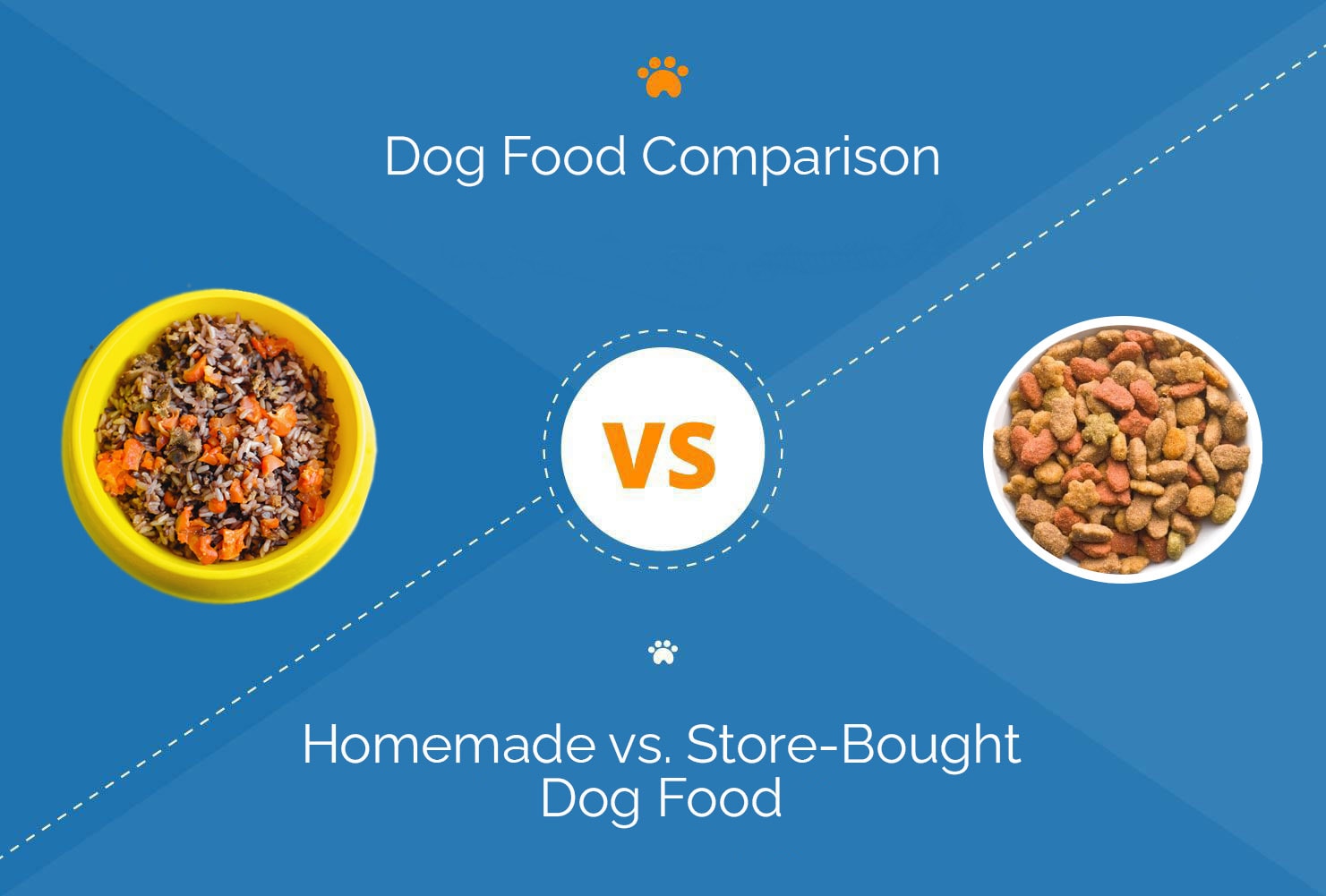
Homemade vs. Commercial
The answer to which way of feeding your dog is best can be examined by identifying why you’re thinking of making this change. Do you think homemade dog food is nutritionally more beneficial? Is it safer? We’ll take a closer look below.
1. Nutritional Value
You might think homemade dog food would win this category, but that’s not always true. Your dog’s daily nutritional requirements include the following:
- Protein
- Fat
- Carbohydrates
- Calcium: Phosphorus in the right ratio
- Essential fatty acids
Even two dogs living in the same house will require different nutrients based on age, sex, breed, size, activity level, and whether they have any health conditions. Commercial dog food formulas have been created (with the help of nutritionists or veterinarians) to target specific needs and meet all nutritional requirements.
Larger dogs can suffer from joint pain. Overweight dogs need a diet to lower and maintain their weight without compromising their nutritional needs. Large breed puppies need food to support the rapid growth that puppies from a smaller breed won't require. Commercial dog food offers convenient, trustworthy options for your dog’s dietary needs. The pressure is on you to get it right if you choose to make the food at home. It’s difficult but not impossible if you do your research first. It is recommended that a veterinary nutritionist formulates the diet for you.

2. Fresh Ingredients
Homemade food will always win in this category because you’re never going to get fresher food than you can make at home. Unopened canned dog food typically lasts two years, while unopened dry dog food is good for 18 months. Even with subscription services, there’s a delay between the food being made and reaching your house. So, if serving fresh ingredients drives you to make this change, homemade wins.
3. Cost
What cost goes into making dog food, and will it work out cheaper for you to make it yourself? Here are some factors to consider:
- Time and Effort: How much is your time worth? Not only will you need to research exactly what your dog needs, but you’ll also need to buy the ingredients and make the food. Commercial dog food is convenient and straightforward to prepare.
- Ingredients: Ingredients cost money, and fresh ingredients have shorter expiration dates, which you need to plan for. Figure out how you will store the food and ingredients, too. Can you source your ingredients locally? If not, you need to factor in travel costs. Duck, for example, is a common ingredient in commercial dog food, but it is harder to find year-round than chicken and is also more expensive.
- Budget: Lastly, work out your budget. Compare these factors with how much you currently pay per meal and see how much it will cost to switch.
4. Safety
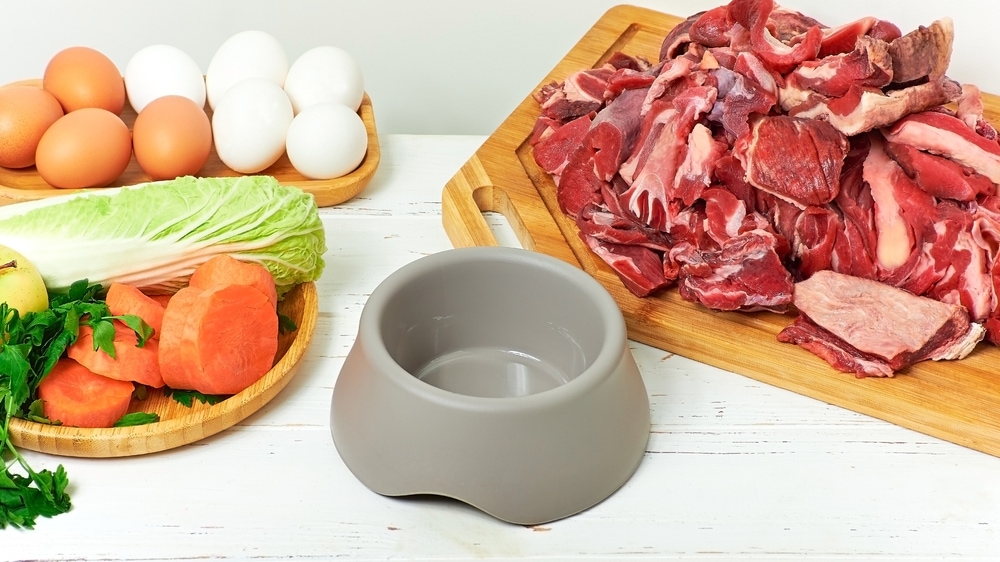
Switching to homemade gives you more control over how the food is prepared. Many of the biggest names in the commercial dog food world have had dog food recalls in the past, and they probably won't be the last we’ll see. However it is equally possible to have food safety problems when home cooking as cooking temperatures, surface preparation and so forth can affect if a food has any bacterial or parasite contamination.
5. Consistency
Introducing a new diet can play havoc with your dog’s tummy, which is why you should always take it slowly. Pet parents are advised to introduce a new diet by mixing it with the old food and gradually phasing out the old brand. If you take on this challenge, be prepared that you will have to be consistent and stick to your plan.
Commercial dog food is convenient but not always consistent. A brand can change its recipe, and dogs may object to the new smell, texture, or taste. Likewise the same can be said of homemade diets. An ingredient may not be available for some time and even ingredients such as chicken can contain different nutrients from batch to batch.
Final Thoughts
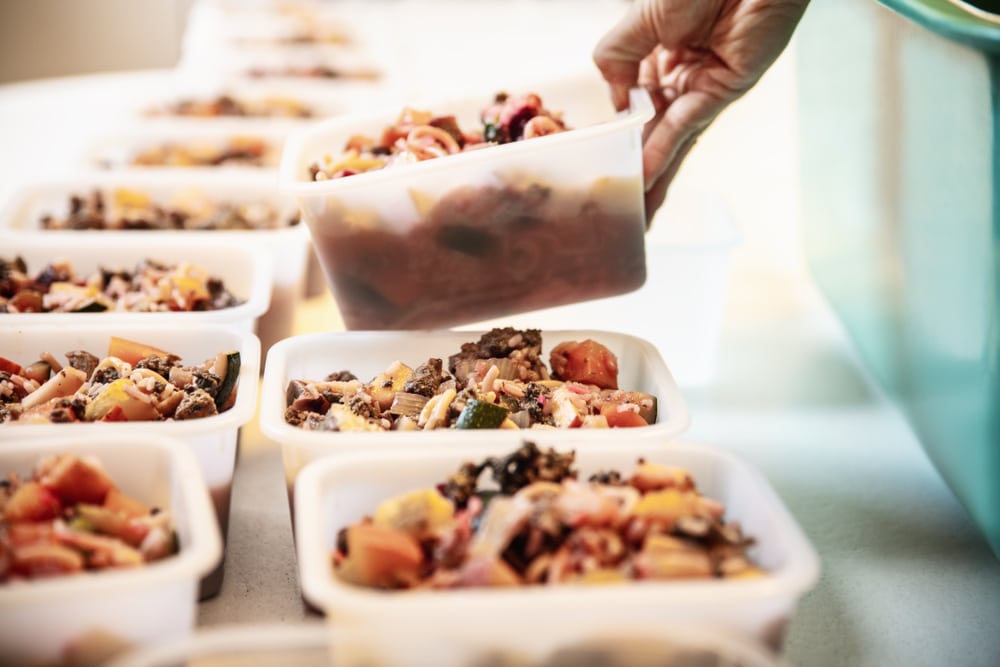
Whatever your reason for changing from commercial dog food to homemade, you need to be aware of the risks of switching. An improperly formulated diet can drastically change your dog’s life quality and even affect how long they live. Making your dog’s food is possible and rewarding, but it can be challenging, and we would recommend using the services of a qualified veterinary nutritionist.
Remember, if you have any questions or are thinking about changing your dog’s diet, always speak to your vet first.
Sources
Featured Image Credit: 8H, Shutterstock
Get Hepper In Your Inbox


Pet care tips from our vets and experts, straight to your inbox.
You may opt-out at any time. View our Privacy Policy for more information.

Kerry-Ann lives in Scotland and wishes her garden was bigger so she could have her very own Highland cow. But her dogs probably wouldn’t like that very much. She has a La Chon called Harry who was poorly with a liver shunt when he was a puppy. It wasn't likely he would make it into adulthood, which was difficult, but he beat the odds and is a healthy old man now. She also has a Pug called Maddie who is a big foodie. She’s small, sassy, and every day she finds a new way to mess with her brother.
When she isn’t writing you can find Kerry-Ann going for long walks when the weather isn't bad, reading, or watching cartoons when she should be tidying her house. She would one day like to be a tourist in her own country and travel through the Highlands with her family.
Join the conversation
Ask a question, share your story, or send private feedback.