Hepper is reader-supported. When you buy via links on our site, we may earn an affiliate commission at no cost to you. Learn more.
Is Kibble Bad for Dogs? Vet Approved Advice


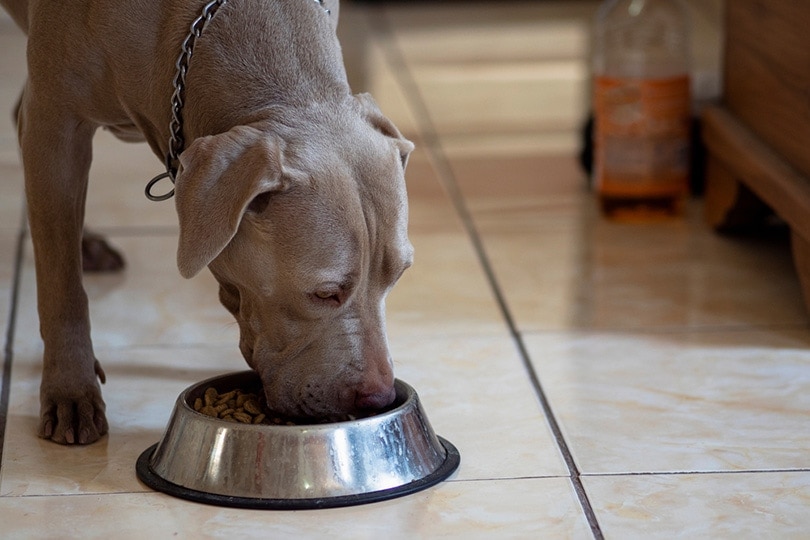
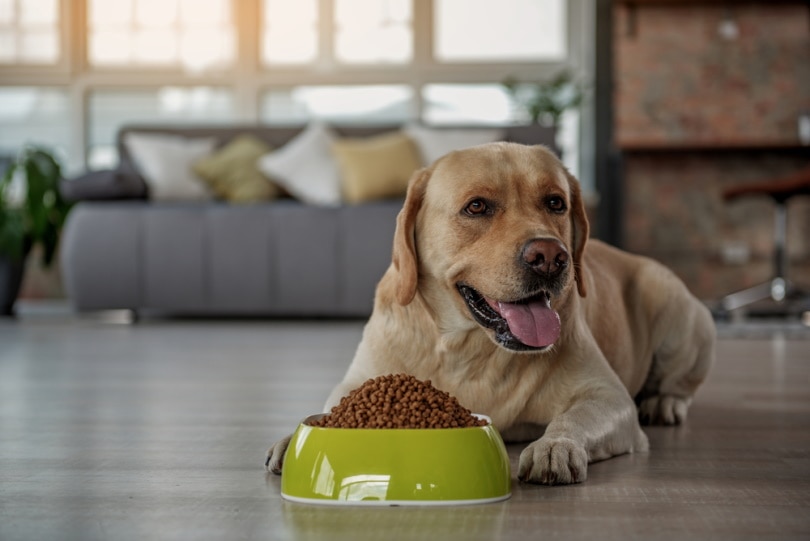
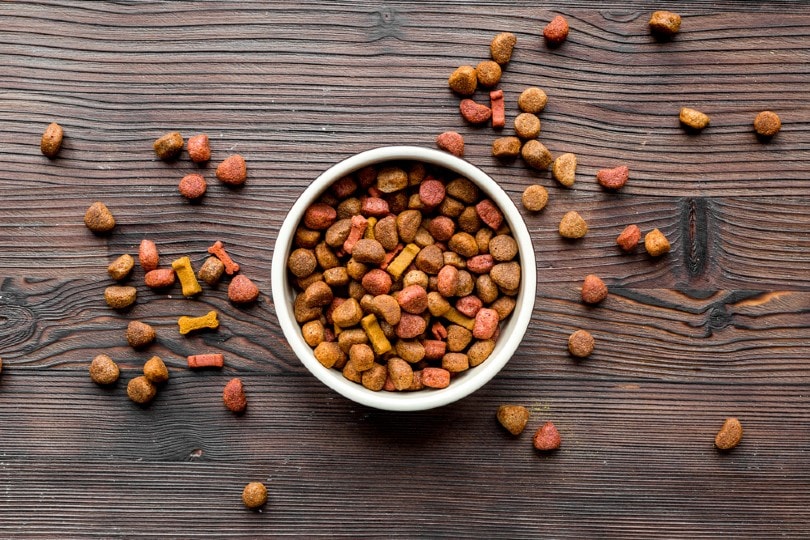
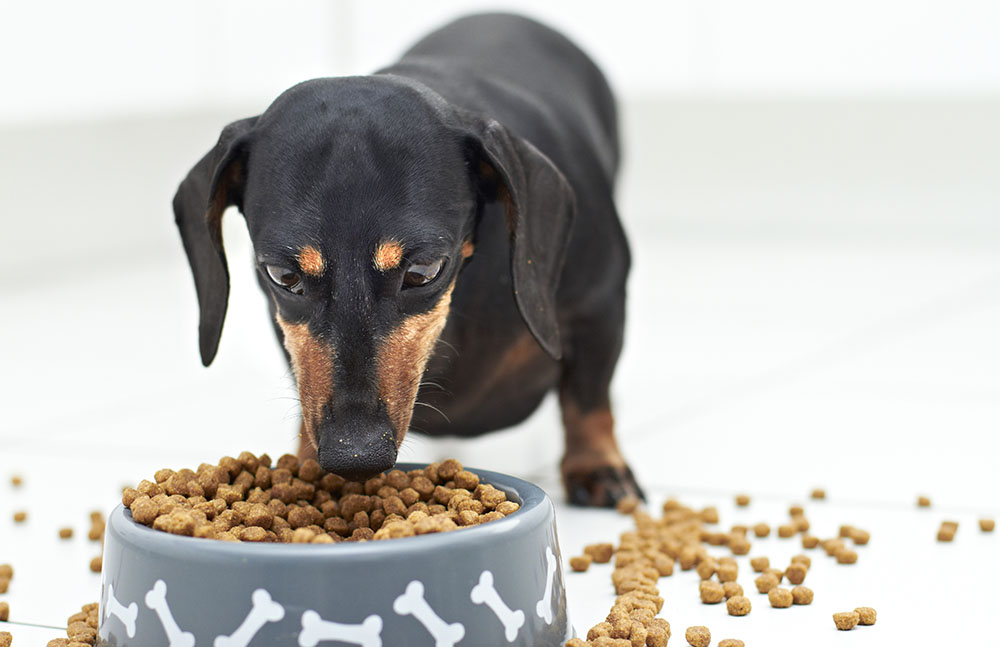
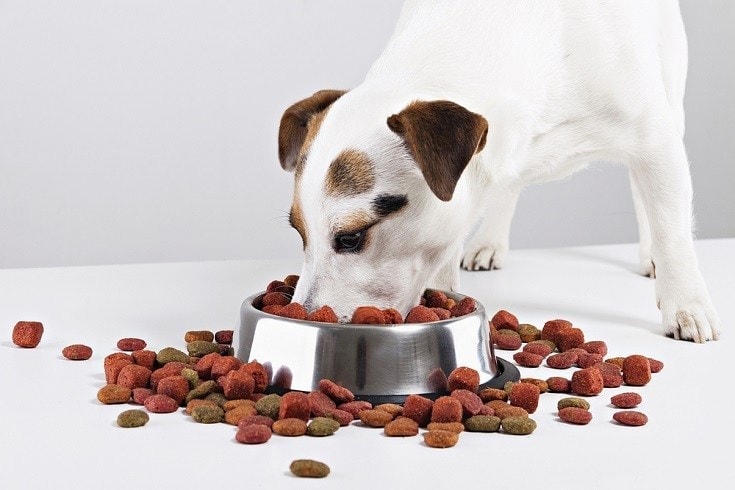
Kibble is the standard diet for most dogs and has been commercially produced and fed to dogs since 1956. Dogs don't get to choose what they eat, but typically when they are presented with a bowl of tasty kibble, they don’t reject it and wolf it down pretty fast. However, there is some controversy around dry food, especially since more diets and food options have become available, such as raw food diets. As a general answer, kibble is not bad for dogs, but it must be a well-balanced high-quality product to keep your dog's nutrition at its best.
In this article, we’ll discuss the pros and cons of serving kibble and help you decide if kibble is the best option for your favorite canine.

Is Kibble Bad for Dogs?
Kibble is not bad for dogs. However, it must meet all your dog’s nutritional needs and be a complete, well-balanced, high quality product. It may not work or agree with every dog, depending on your dog’s health requirements. A low-quality kibble may not provide the correct balance and quality of protein, fats, vitamins, minerals, and fiber.
Kibble can be considered bad if it’s nutritionally deficient. Furthermore, if your dog has complex medical issues, there may not be a suitable kibble formulated to suit its dietary needs. The bottom line is that you need to be careful about the quality of kibble you choose for your dog.
The ingredients and quality will vary by brand, but certain certified dry dog foods are required to meet the nutritional needs of a dog, be produced in sanitary conditions, and be truthfully labeled. Typically, such quality kibble will meet all the nutritional requirements of the Association of American Feed Control Officials (AAFCO) and be labeled as such 1.
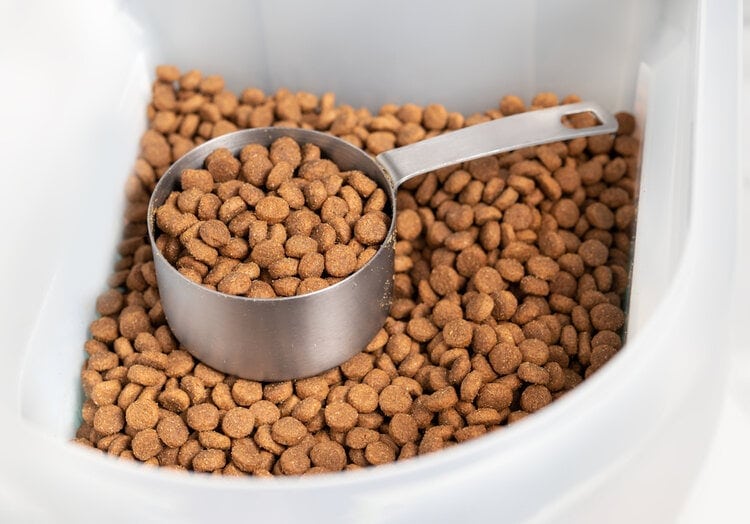
Disadvantages of Low-Quality Kibble
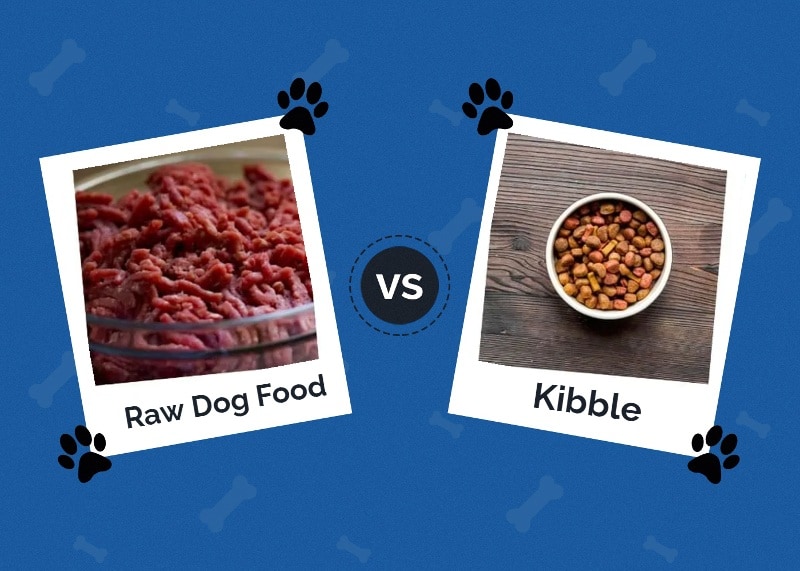
Like most things, especially food, kibble has its pros and cons. A low-quality kibble can be considered bad for a few reasons, which may encourage dog owners to opt for a raw or wet food diet.
The most significant disadvantage of dry dog food is that it is not 100% natural. Even if most ingredients are natural, it undergoes processing to become kibble. The processing means that the true quality of the ingredients can easily be masked, and often, especially in low-quality kibble, these ingredients are "feed grade," which can be compared to leftovers. This results in food that is not fresh or highly nutritious.
Heavy Carbs
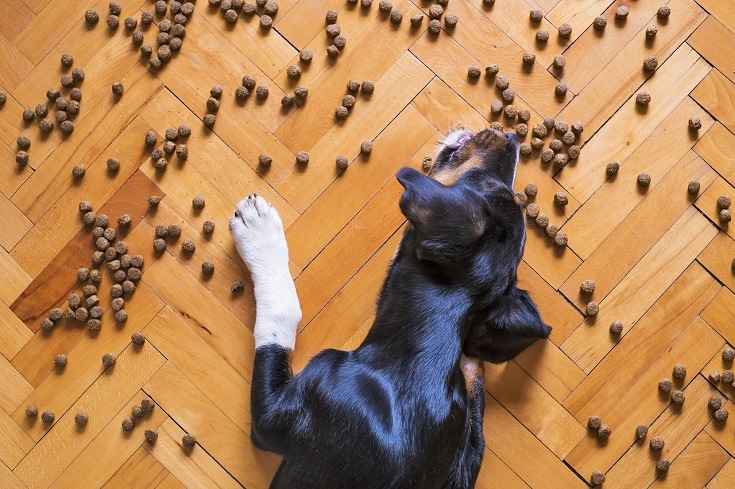
The most prevalent type of carbohydrates in commercial dog food is high-starch carbs. Since it is easier to store simple carbohydrates in kibble form, dry dog food is considered a contributor to obesity. While starchy carbs might give your dog an energy boost, too many carbs can result in an overweight dog. Kibble is also not rich in fiber, which is vital for digestion, so if your dog is primarily on a kibble diet, it may battle digestive issues.
Preservatives
Kibble contains chemical preservatives. These chemicals preserve the ingredients and enhance the flavor. Low-quality dry dog food frequently contains ethoxyquin, butylated hydroxyanisole (BHA), and butylated hydroxytoluene (BHT) as artificial preservatives. They prevent the fats that coat kibble from going rancid, which increases its shelf life, but some studies have connected consuming high doses of ethoxyquin to medical issues.
While there are no serious red flags about the effects of preservatives, it's understandable that a lot of pet owners prefer to avoid them. Kibble can go bad if it doesn't have preservatives, so unfortunately, the ingredients are unavoidable. However, most manufacturers have switched over to safer preservatives. Look for brands that use mixed tocopherols or ascorbic acid. Ascorbic acid is derived from vitamin C, and mixed tocopherols come from vitamin E.
Storage Issues
Storage mites can thrive in a container of kibble that is improperly sealed. Kibble provides enough moisture for mold to grow, which feeds the mites, and they quickly reproduce. If your dog consumes a small portion of rancid food containing these mites, they are at risk of developing an allergic reaction which can cause skin inflammation and hair loss.

Benefits of Kibble for Dogs
Several pet owners who feed kibble to their dogs choose to do so because of its dental health benefits, cost-effectiveness, and easier storage.

Complete Nutrition
The basic requirements for dog food manufacturers are that their formulas are complete and balanced and that their labeling is truthful. You can rest assured that your dog is getting what it needs in good quality kibble. Depending on your dog's age and weight, it should contain the correct quantities of protein, fat, vitamins, minerals, and fiber.
Specialized Blends
In the last 20 to 30 years, pet food makers have made improvements in the quality of dry dog food. Kibble is better formulated, and a lot of brands produce kibble that is specialized. For example, some dry food is formulated for dogs with allergies, and live probiotics are sometimes included to support immunological and digestive health.
Dry dog food contains very similar ingredients to wet food, but instead of being moist with sauce and gravy, the mixture is pulverized to create a dough that can be cooked. After it is dried, the kibble is sprayed with fats, oils, vitamins, and minerals before being packaged and before the fats and oils go bad.
Dental Health Benefits
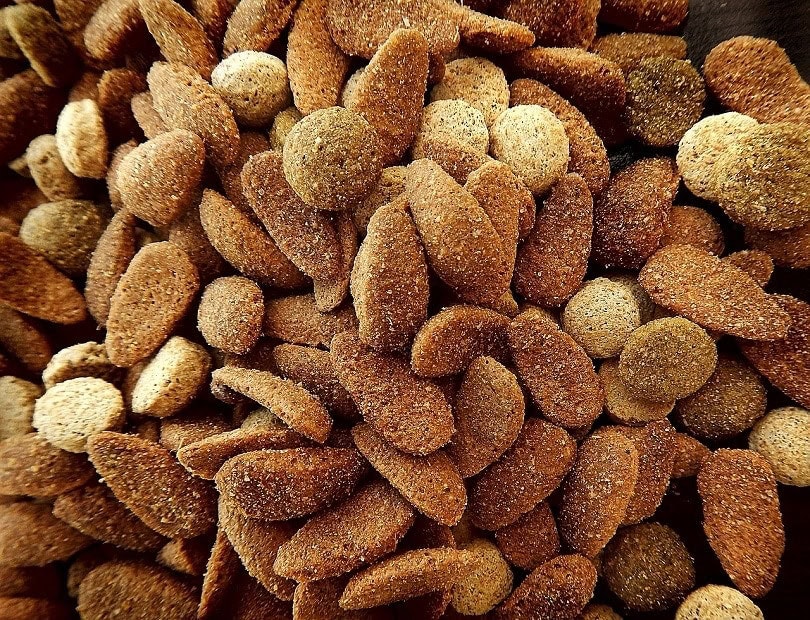
One of the most significant benefits of feeding your dog kibble is improved dental health. Kibble encourages your dog to chew, which helps prevent plaque and tartar buildup that can lead to gum disease. Kibble also provides food enrichment as it's easier to incorporate into food puzzles and slow feeders, which can help with mental stimulation.
What to Look for in Kibble
When choosing a kibble for your dog, it is first and foremost recommended to consult your vet. Your vet can help guide you in the right direction brand-wise and will know what your dog needs.
There are several differences when it comes to brands, and it may be overwhelming trying to choose the right one. More expensive kibble is generally higher quality, and the price may indicate that they use higher quality ingredients. Some expensive brands also employ nutritionists, so in that case, you would be paying for the additional research and expertise that have gone into formulating a product.
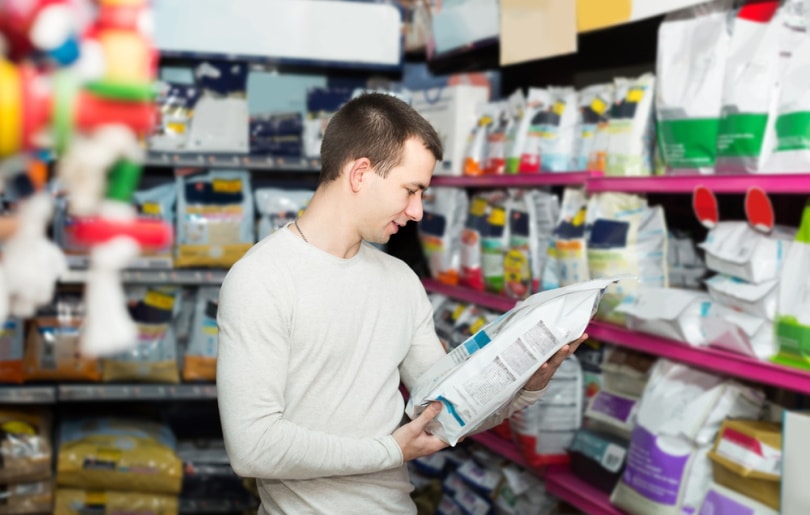
Read the label and research the company. The first ingredient should be a protein such as beef, lamb, fish, or chicken, along with grains, cereals, vitamins, minerals, and antioxidants.
Before spending money on a huge bag of kibble, check the company’s reputation and customer reviews, and see if the product has had any recalls.

How to Choose a Dog Food
Whether you choose to feed your dog wet or dry food, or a combination of both, the first step is to talk to your veterinarian. There are a few other points to keep in mind to ensure you are making the best choice for your companion.
Conclusion
While kibble is not bad for dogs, it has the potential to be bad. It's important to choose a high-quality kibble that meets your dog's dietary requirements, is not past its shelf life, and of course, your dog enjoys it. Balance is key, and high-quality kibble combined with high quality wet food is an excellent combination.
Kibble has been around for many years, but several companies have improved the quality of their ingredients. Whenever you’re considering a switch to a new kibble, contact your veterinarian to ensure it’s the correct formulation for your dog.
Sources
Featured Image Credit: Roberto Cabrera Castro, Shutterstock
Get Hepper In Your Inbox


Pet care tips from our vets and experts, straight to your inbox.
You may opt-out at any time. View our Privacy Policy for more information.
Nicole is a lover of animals of all sizes but is especially fascinated with the feline variety. She’s the proud mom of Baby, a Burmese, and works every day so he can relax in the sunshine or by the fire. She’s always had a cat in her home and has spent countless days with others, observing behaviors and softening up even the grouchiest of the lot. Nicole wants to share her kitty expertise with you so you and your cat can live happy, healthy, and care-free.
Join the conversation
Ask a question, share your story, or send private feedback.