Hepper is reader-supported. When you buy via links on our site, we may earn an affiliate commission at no cost to you. Learn more.
Why Is My Cat Drooling All of a Sudden? 8 Vet-Verified Reasons


Cats have a reputation for being fastidious about their appearance and hygiene. They are known for being one of the cleanest animals in the world. Cats exert a lot of control over their body and bodily functions and biological processes. They spend a lot of time grooming themselves and they have a very strong sense of smell. Your feline friend will typically not like to be messy and will avoid situations that would make them grimy.
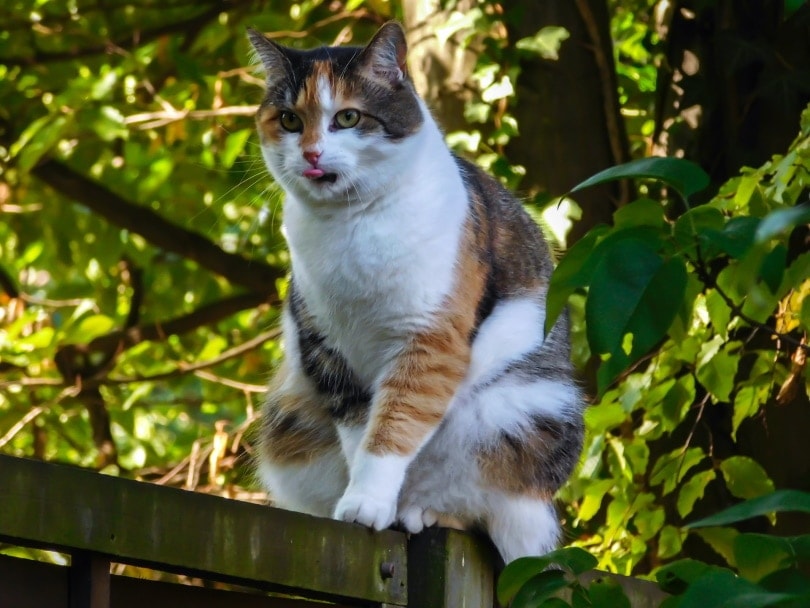
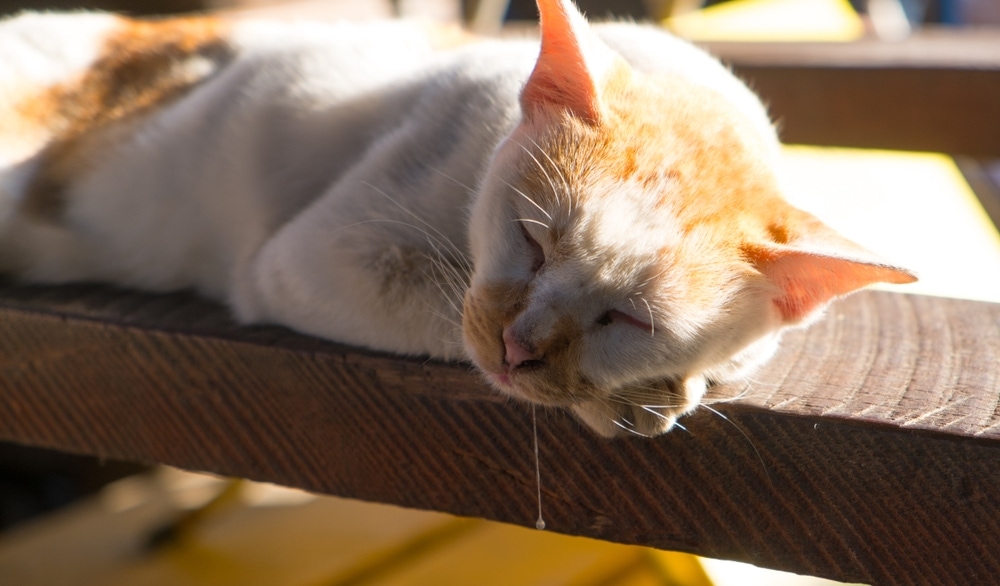
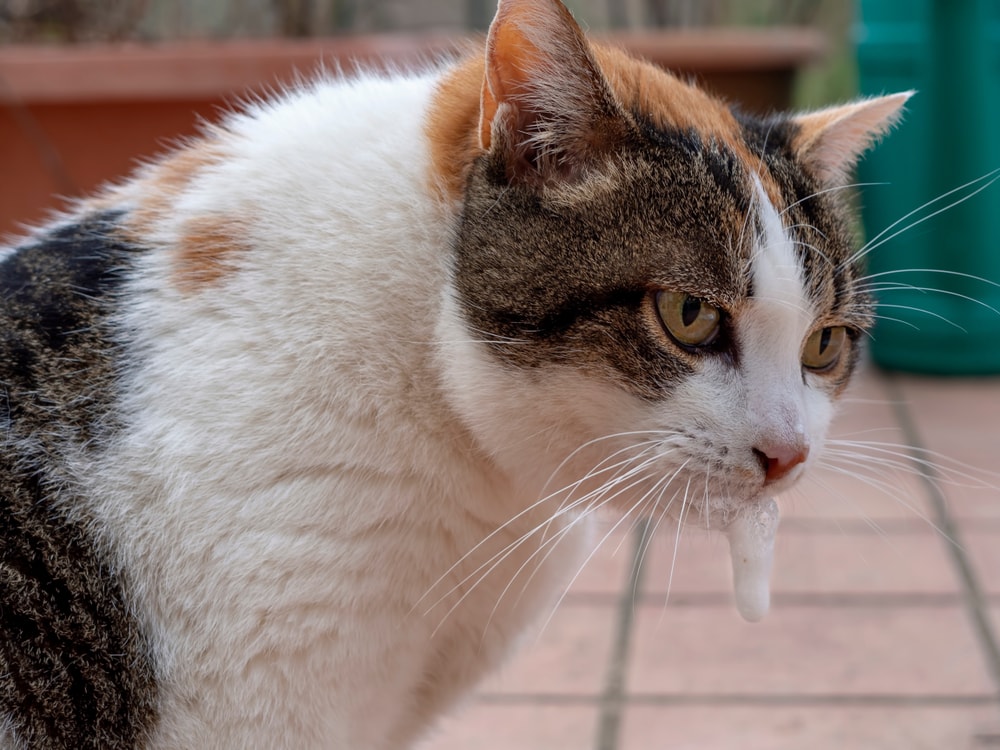
When it comes to drooling, unlike dogs who create a lot of slobber, excessive salivation in cats is not a common issue. Cat drooling can have many different causes. Many people think that cats drool only when they are sick, but this is not always the case. Cats may drool when they are happy, excited, or nervous. Other times, it very well may be a sign of an underlying medical condition. If your cat is drooling excessively, it is important to seek veterinary care to rule out any health concerns. In this article, we'll examine some possible reasons why your cat has suddenly started drooling.

The 8 Reasons for Sudden Excessive Cat Drooling
1. Bitter Flavors
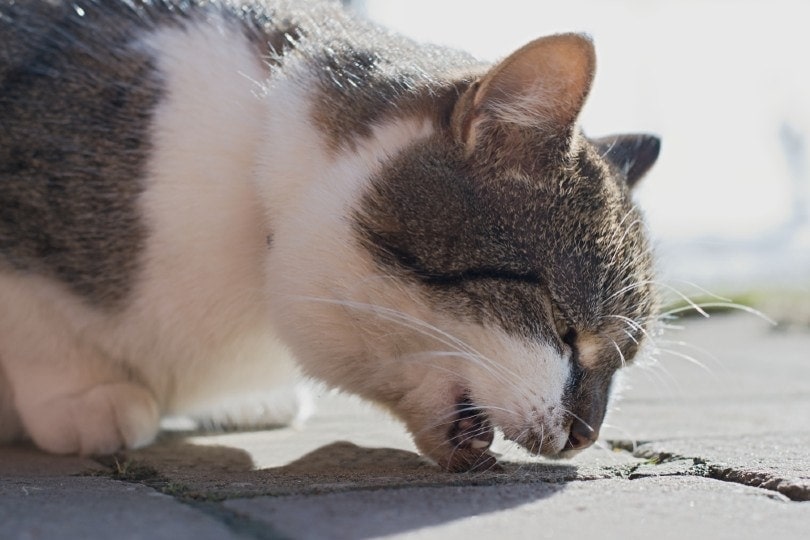
Most cats don't like the taste of bitter foods, but there are times when you may have to give them something bitter, such as medicine. If your cat is drooling excessively after taking their medicine, there's no need to worry. There are a few things you can do to help your cat if they're drooling excessively after taking their medicine. First, try giving them a small amount of water to drink. This will help to wash the bitter taste out of their mouth.
If your cat is still drooling excessively, you can try giving them a small piece of dry food to eat. This may also help absorb the excess saliva. However, most cats will probably not feel like eating or drinking, and the drooling will resolve on its own fairly quickly. Some cats may even vomit or retch after taking oral medication.
2. Dental Disease and Stomatitis
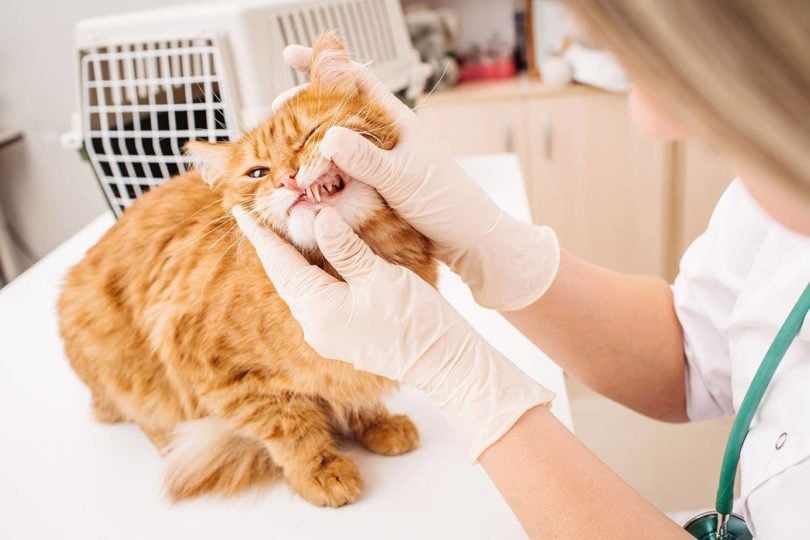
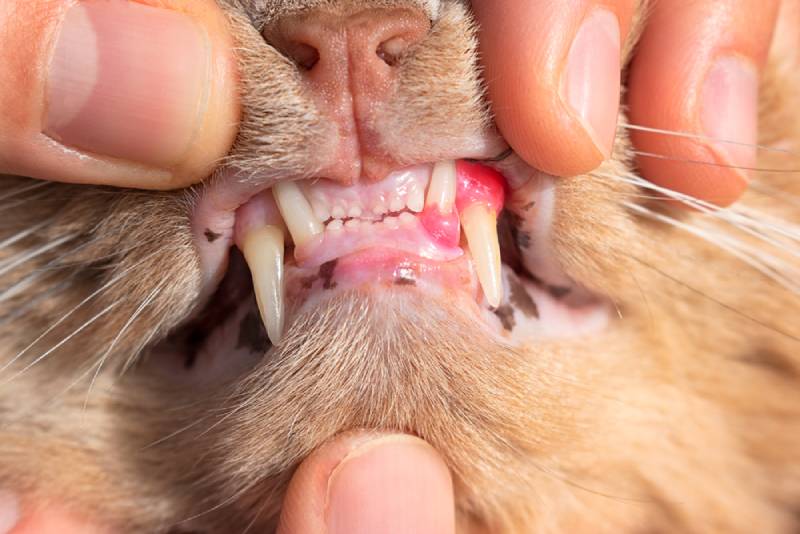
Dental disease is one of the most common problems in cats, and it can have a number of different causes. One of the most common signs of dental disease is excessive drooling, which can be caused by anything from gingivitis to tooth decay.
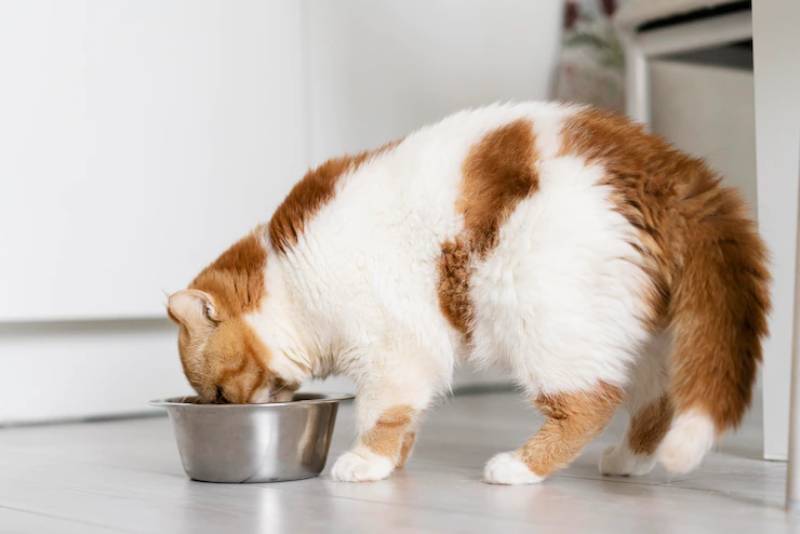
Alongside drooling, cats will become more fussy with food and may prefer the wet food over dry, chew awkwardly or on one side, have a bad breath, drop food, paw at their mouth, and lose weight. Sometimes cats may also develop stomatitis or inflammation of the mouth, which exhibits as generalized swelling and redness, sometimes with ulceration of the lips, gums, tongue, soft and hard palate, and back of the throat. This seems to be related to an exaggerated immune response to plaque and bacteria in the mouth.
If your cat is drooling more than usual, it's important to take them to the vet as soon as possible for a check-up. Dental disease and stomatitis can lead to a number of other health problems, so it's best to get it treated early.
3. Upper Respiratory Infections
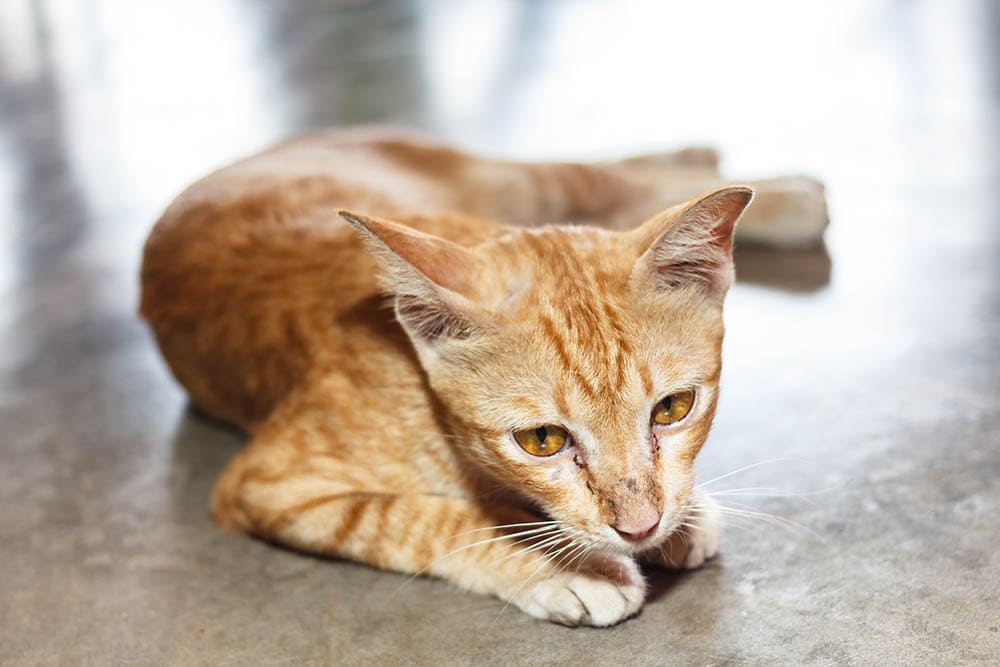
Upper respiratory infections are a common ailment in cats, and one of the possible signs may be drooling. While a little bit of drool is normal for cats, over-salivation can be a sign that your cat is sick. If your cat is drooling more than usual, it's important to take them to the vet to get checked out.
Other signs include everything you would expect from a human cold or flu, including sniffling and sneezing, discharge from the nose and eyes, and a lack of appetite. Some cats can also develop mouth inflammation and ulcers, depending on the culprit.
There are several possible causes of upper respiratory infections in cats, including viruses, bacteria, and fungi. The most common causes are feline herpes and calicivirus, which are highly contagious among cats. Treatment for upper respiratory infections typically includes supportive care, painkillers, and sometimes antibiotics. Left untreated, upper respiratory infections can lead to serious complications, so don't delay in seeking medical attention for your cat.
4. Nausea
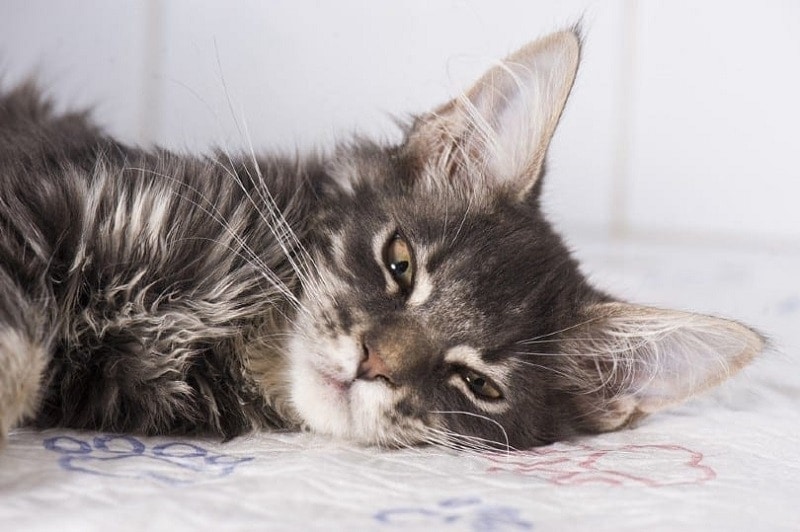
Another possibility is that your kitty is nauseous and they may be about to vomit. Other signs may include lack of appetite, lethargy, and vomiting. If your cat is exhibiting any of these signs, it's important to take them to the vet for an examination. There are a variety of potential causes of nausea in cats, such as organ system disease, gastroenteritis, gastrointestinal neoplasia, and pancreatitis, so it's important to get a diagnosis from a professional in order to determine the best course of treatment.
5. Trauma
If your cat has been in a recent accident or has suffered any type of trauma, this could cause them to start drooling. Cats who have been hit by cars or who have fallen from heights are especially susceptible to this. When a cat suffers from trauma, it can cause the jaw to become dislocated or fractured. This can lead to drooling because the cat is unable to close their mouth properly. In the majority of cases, surgery is required to fix the jaw.
As any cat owner knows, our feline friends like to chew on electric cords. Unfortunately, this can sometimes lead to burns on the cat's tongue and mouth. These burns can be extremely painful and may cause the cat to drool excessively. Your vet will be able to provide pain medication and your furry friend will need to be on a soft diet until their injuries heal.
6. Gastrointestinal Blockage
When a cat's gastrointestinal tract is blocked, it cannot move food properly through its system. This blockage can be caused by many things, including eating something that's not digestible like a bone or swallowing a foreign object like a marble. Signs of gastrointestinal blockage in cats include drooling, vomiting, loss of appetite, weight loss, abdominal pain and lethargy. If your cat is showing any of these signs, take them to the vet right away for medical attention.
7. Cancer
One of the most serious possible causes of excessive salivation is cancer. While not all cancers will cause drooling, it can be a sign of certain types of the disease. These include oral tumors, throat tumors, and gastrointestinal tumors. Oral tumors can grow on the tongue, gums, or roof of the mouth and can make it difficult for your cat to swallow. Throat tumors can also block your cat's airway, making it difficult to breathe and swallow and causing them to produce extra saliva.
Cancer can also cause physical changes in the stomach and intestine that make it difficult for food to pass through. This can lead to drooling as well as vomiting and weight loss. Cancer treatment for your cat will depend on the type and stage of the disease.
8. Other Underlying Diseases
There are a number of diseases that can cause drooling in cats. Diabetic ketoacidosis, hyperthyroidism, toxin ingestion, kidney disease, liver disease, presence of a foreign body in the mouth, and pancreatitis are all potential causes. Each of these diseases can lead to the production of excess saliva, which can then exhibit as drooling.
In some cases, salivation may be the only sign of the underlying condition. In others, it may be accompanied by other signs, such as vomiting or diarrhea. When your veterinarian examines your cat and their mouth, they can test their blood and urine to identify these diseases.
Feline inflammatory bowel disease (IBD) is a chronic inflammation of the gastrointestinal tract that can cause a variety of signs, including drooling. Cats with IBD may also have vomiting, diarrhea, weight loss, and appetite changes. Treatment for IBD usually includes anti-inflammatory medication and dietary changes. Your veterinarian may recommend abdominal ultrasound, endoscopy, or biopsy if they suspect IBD has taken hold.
Conclusion
In conclusion, there are a number of possible reasons your cat is drooling all of a sudden. If your cat is normally healthy and has started drooling, it could be due to something as simple as eating something bitter or having something caught in their teeth or mouth. However, if the drooling persists or is accompanied by other signs—like vomiting, lethargy, changes in drinking or urination, oral pain, or refusal to eat—it's best to take your cat to the vet to rule out any underlying health problems.
Sources
Featured Image Credit: kwanza, Shutterstock
Get Hepper In Your Inbox


Pet care tips from our vets and experts, straight to your inbox.
You may opt-out at any time. View our Privacy Policy for more information.
Nicole is a lover of animals of all sizes but is especially fascinated with the feline variety. She’s the proud mom of Baby, a Burmese, and works every day so he can relax in the sunshine or by the fire. She’s always had a cat in her home and has spent countless days with others, observing behaviors and softening up even the grouchiest of the lot. Nicole wants to share her kitty expertise with you so you and your cat can live happy, healthy, and care-free.
Join the conversation
Ask a question, share your story, or send private feedback.