Hepper is reader-supported. When you buy via links on our site, we may earn an affiliate commission at no cost to you. Learn more.
Why Is My Cat Drooling Thick Saliva? 8 Vet-Approved Reasons


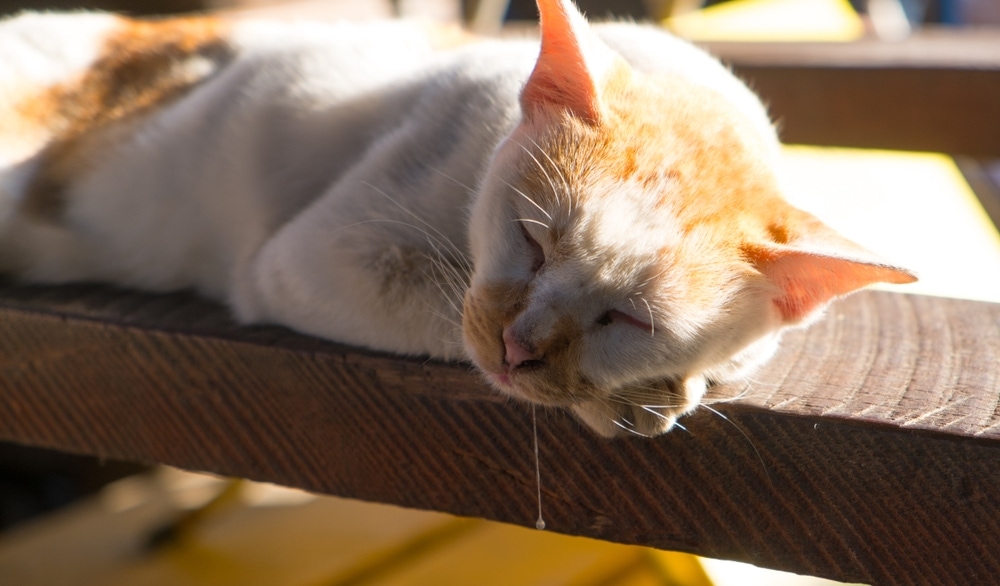
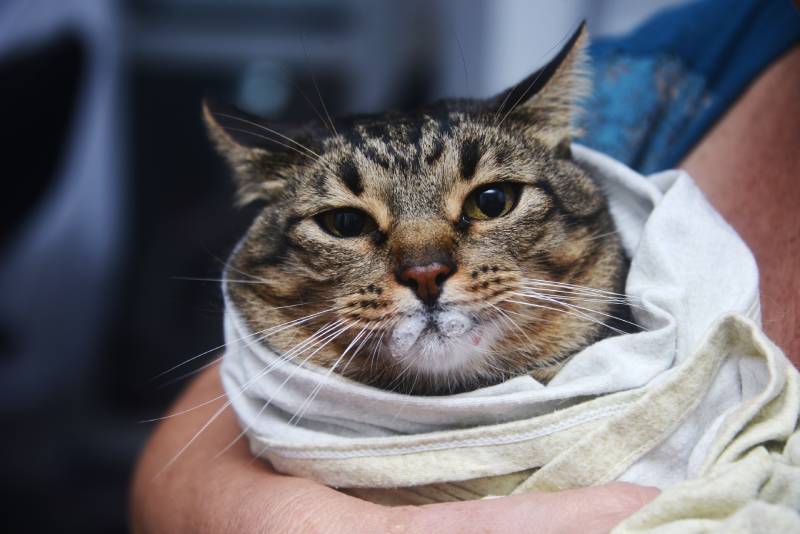
It’s common to see our dogs drooling, but when it comes from your cat, it may raise some eyebrows. Cats can drool when they are content and relaxed, and they will typically drool a minimal amount. Their drool is often watery but can become thicker when there is a lack of moisture or if they are feeling ill or stressed.
If your cat is drooling thick saliva, it is vital to visit your vet as it could be a medical condition that needs attention. Understanding why your cat is drooling can help you provide the best care and understand when it is time to see a medical professional. Here are eight possible reasons why your cat may be drooling thick saliva.

The 8 Reasons Why Cats Drool Thick Saliva
1. Dental Disease
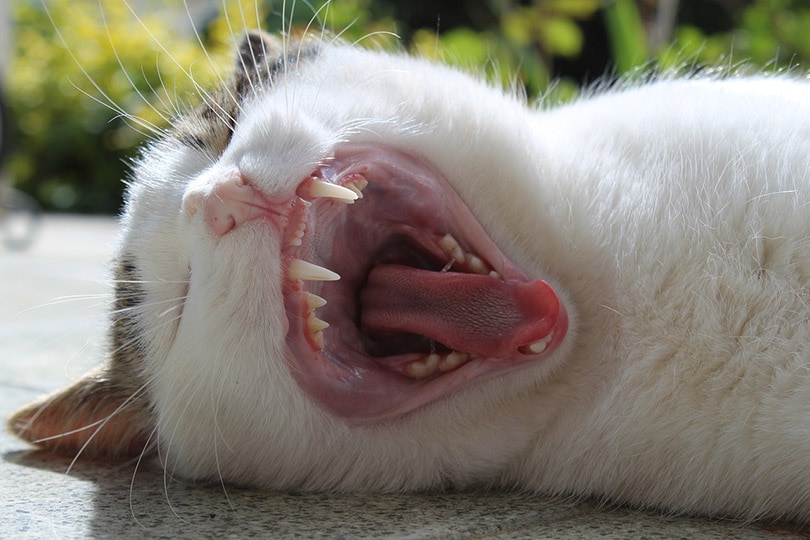
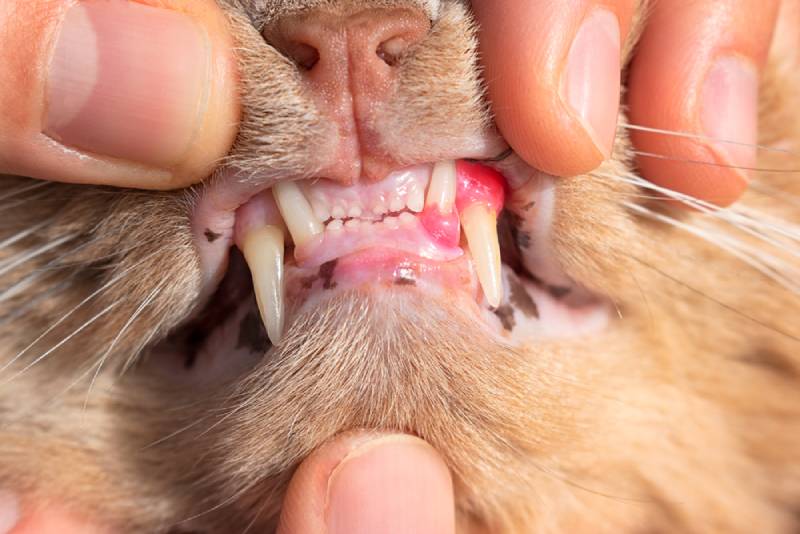
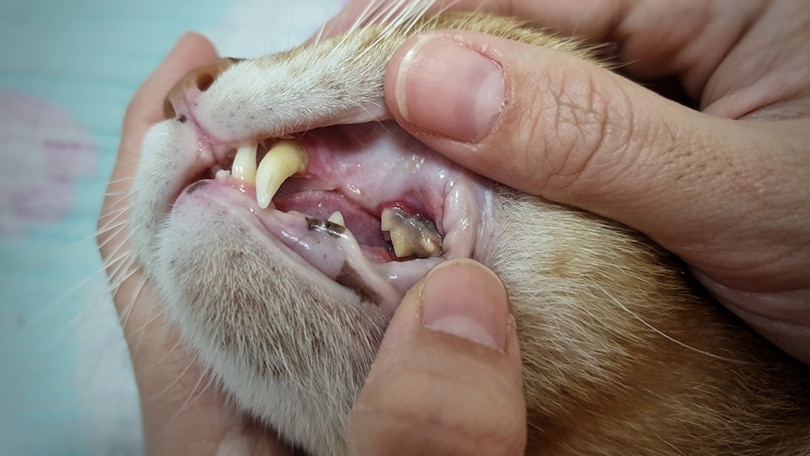
Dental disease occurs in cats of all ages but is more common as cats age. It usually starts with a buildup of plaque, which leads to tartar, gingivitis and periodontal disease if it is not removed. With gingivitis, the gums will be inflamed, and your cat’s mouth will be swollen, red, and in pain. Some cats may also experience severe inflammation called stomatitis which affects not only the gums but other areas of the mouth as well. The exact cause of stomatitis is unknown, but it is very painful and usually causes excessive drooling.
Often, a cat battling with dental disease may stop eating, which can lead to more serious health issues. In addition to thick and excessive saliva, if your cat has dental disease, they may show signs such as:
If you suspect your cat has dental disease, get them to the vet as soon as possible. Your veterinarian will do an evaluation and follow up with the necessary treatment if dental disease is present.
2. Upper Respiratory Infection
An infection in the upper respiratory tract can also be the reason for excess saliva. Unfortunately, respiratory infections are a common occurrence, and cats that are more likely to get a respiratory infection are those that are surrounded by other cats. Feline herpesvirus and feline calicivirus make up 90% of infections. Affected cats can get mouth ulcers and inflamed mouths which contributes to the drooling.
Some other signs of respiratory infection are:
Most upper respiratory infections require symptomatic and supportive care. You should consult with your vet, severe cases may require medication or even hospitalization.
3. Ingestion of Poison
If your cat's drooling came off suddenly, it could be due to the ingestion of something toxic. The most common types of poisoning in cats are human medication, house products, gardening products, and food products.
Along with drooling thick saliva, your cat may show signs of:
If you suspect your cat has ingested something poisonous, get to your vet immediately. Try to bring as much information for your vet as possible, such as bottle labels, how much was ingested, and when the signs started to show. Your vet may induce vomiting, which is something you should never try at home.

4. Bitter Taste
Your cat may drool excessively after tasting something bitter such as oral medication. To help your cat along, offer some water to help wash down and dilute the taste. You can also give your cat a treat to help get rid of the bad taste and distract it from it.
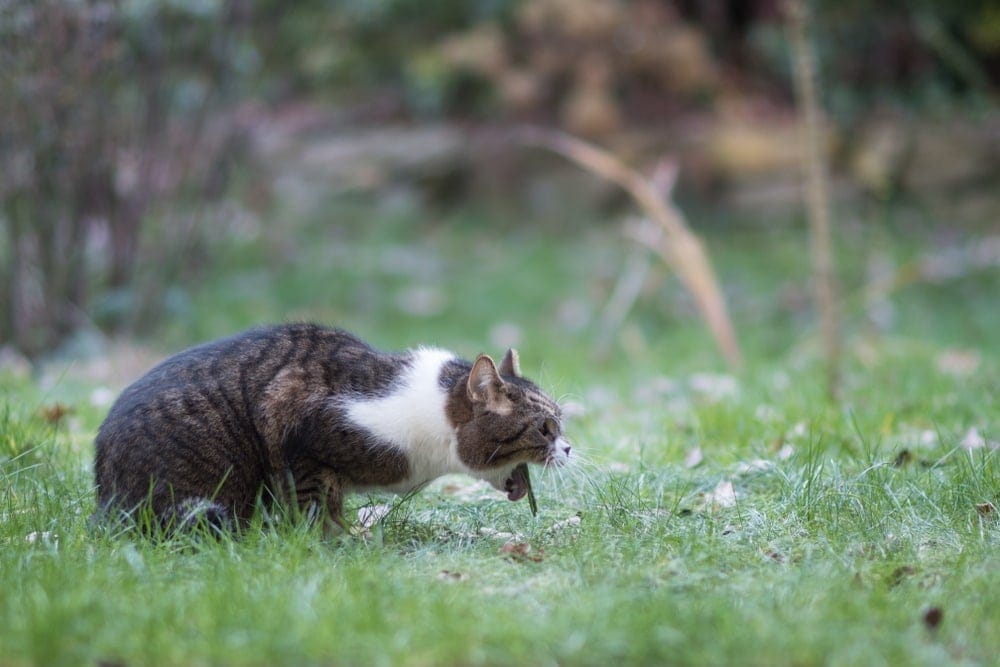
5. Nausea
Nausea may also cause your cat to drool thick saliva. Often a cat will vomit after feeling nauseous but not always. Other signs of nausea may include:
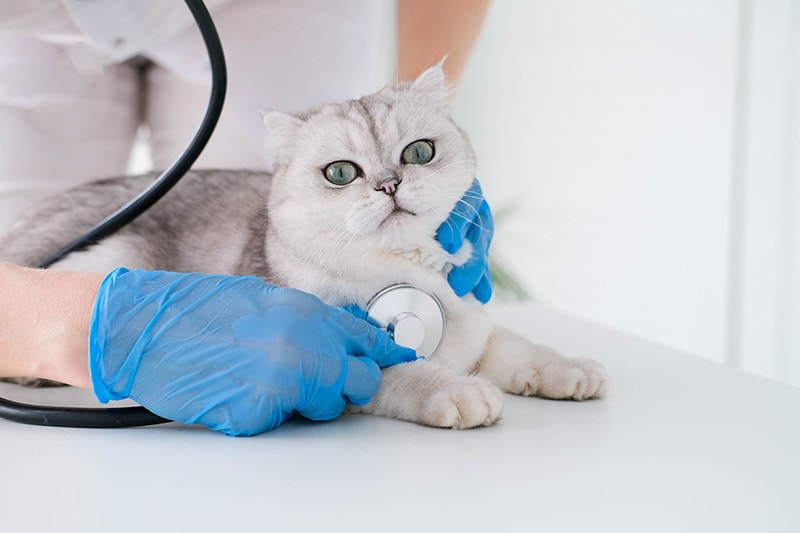
Nausea may resolve on its own, but it is dependent on the cause. Get your cat to the vet for an examination, and your vet can determine if further testing and treatment need to be done.
6. Trauma
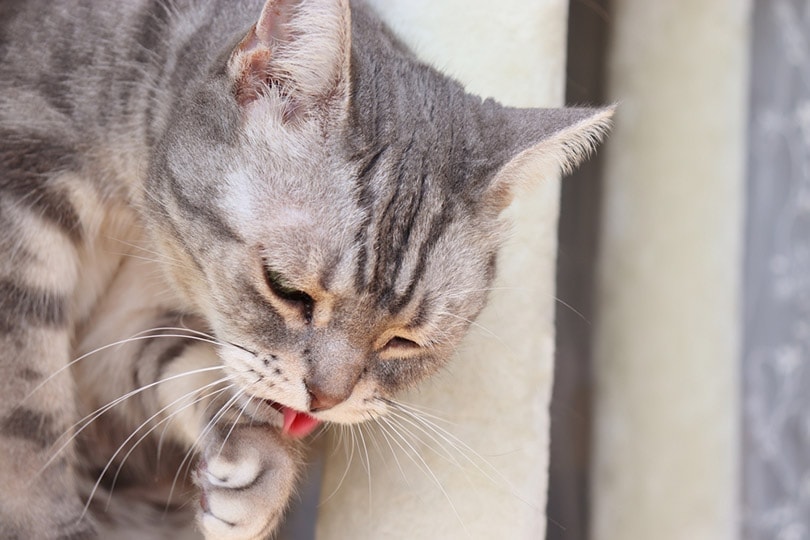
If your cat drools with thick saliva, it can be caused by trauma to the mouth, such as a fight with another animal, chewing on electrical cords, broken or fractured jaws, and eating insects that may have stung. Other signs may include:
Sometimes trauma to the mouth cannot be identified, but drooling may be a sign that something is wrong. Get your cat to the vet, as it may need urgent treatment, medication, or surgical intervention.
7. Kidney Failure
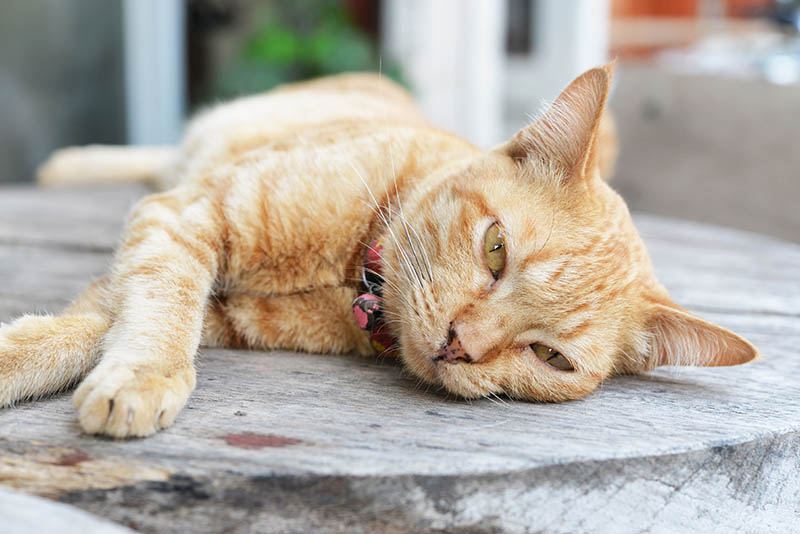
Kidney failure occurs when the kidneys are unable to function properly. Chronic kidney disease is the most common type, it is a progressive disease usually affecting older cats. Acute kidney failure occurs from sudden damage and can often be caused by poison, such as antifreeze ingestion. When the kidneys stop working properly there is a build up of waste products in the bloodstream which can cause painful ulcers in the mouth and foul smelling, thick drool.
Signs of kidney failure may include:
Your vet can diagnose kidney failure with blood tests and urine samples and determine the best treatment. Unfortunately, chronic kidney disease is incurable, but treatment may include a specialized diet, medications, and fluid therapy.
8. Squamous Cell Carcinoma
Squamous cell carcinoma is a type of cancer that can affect the mouth. Many of them will appear under the cat’s tongue, which will go unnoticed until they are more advanced. They can also arise on the lips and jaw. These tumors often become infected, which will produce a foul smell, pus, and thick saliva which may be blood-tinged. Other signs may include:
Squamous cell carcinoma must be addressed early for a more positive outcome. It progresses rapidly and is often quite advanced by the time the signs appear. Treatment may include a combination of radiation and surgery, but the prognosis is not promising.

How Do I Know If My Cat's Drooling Is Normal?
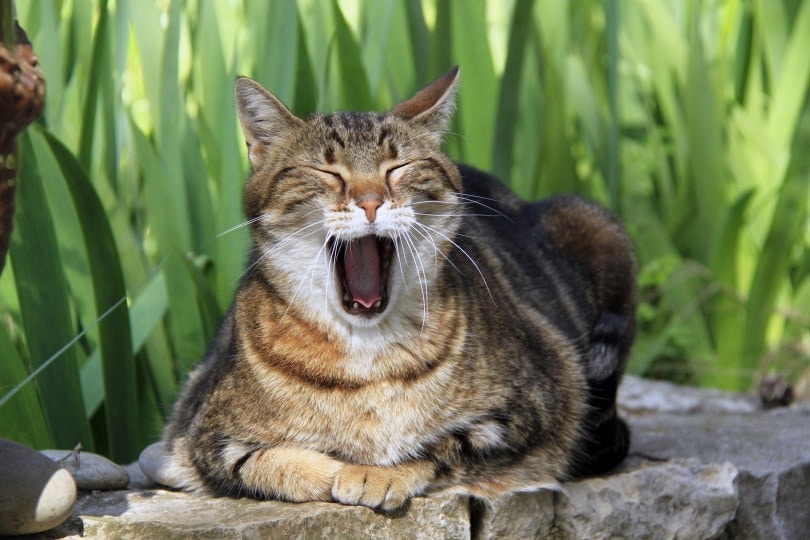
If your cat is purring and kneading and appears to be in a state of bliss, the drooling is normal and will usually be watery. Your cat may also drool temporarily if it is stressed. For example, a car ride, a visit to the vet, or even loud noises can cause momentary stress and cause your cat to drool.
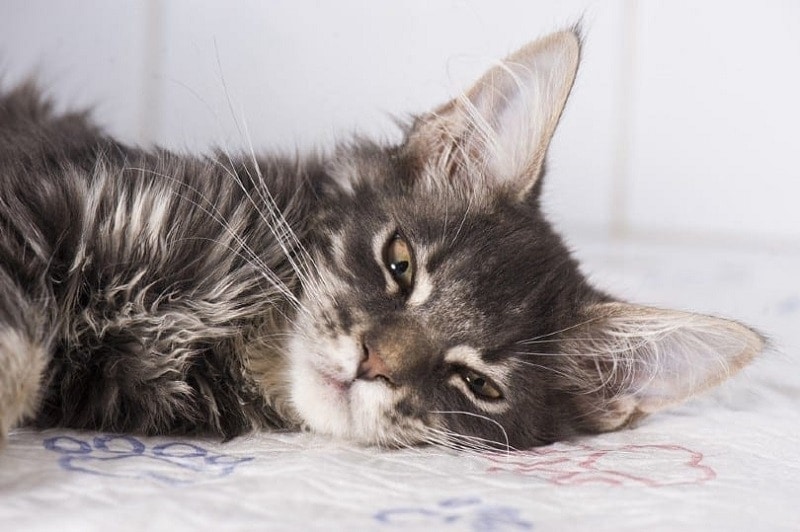
However, if your cat drools excessively and their saliva is thick, blood-tinged, or foul-smelling and occurs along with other signs such as lethargy, loss of appetite, and weight loss, there could be an underlying health issue that may require medical attention. Get your cat to a veterinarian immediately for an examination to get to the root cause and treat your cat accordingly.
Final Thoughts
While it is normal for some cats to drool when content and relaxed, thick or excessive saliva may be caused by an underlying health issue that may need veterinary attention. As a rule of thumb, if your cat eats and behaves as usual, it is most likely okay. However, if your cat drools thick saliva that may be tinged with blood, has bad breath, a loss of appetite, or is weak, you should get to your vet immediately.
Sources
Featured Image Credit: elwynn, Shutterstock
Get Hepper In Your Inbox


Pet care tips from our vets and experts, straight to your inbox.
You may opt-out at any time. View our Privacy Policy for more information.
Nicole is a lover of animals of all sizes but is especially fascinated with the feline variety. She’s the proud mom of Baby, a Burmese, and works every day so he can relax in the sunshine or by the fire. She’s always had a cat in her home and has spent countless days with others, observing behaviors and softening up even the grouchiest of the lot. Nicole wants to share her kitty expertise with you so you and your cat can live happy, healthy, and care-free.
Join the conversation
Ask a question, share your story, or send private feedback.