Hepper is reader-supported. When you buy via links on our site, we may earn an affiliate commission at no cost to you. Learn more.
Why Cats Drool When They Purr? 3 Likely Causes
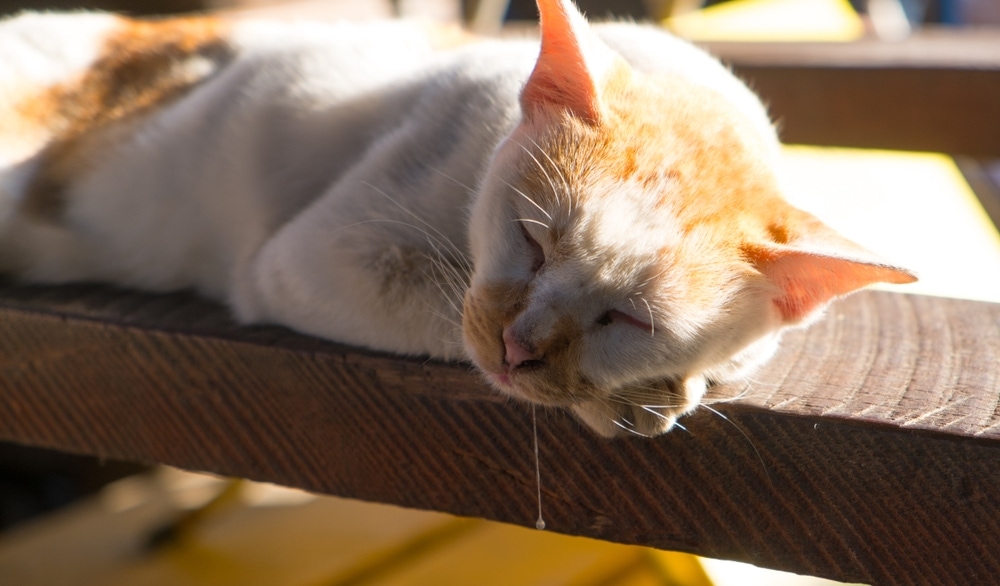
Like many animals, cats purr and drool for different reasons. Some of these reasons are far more likely than others, especially if these are stand-alone behaviors.
Usually, purring and drooling at the same time are positive behaviors. They represent happiness and contentment. However, this isn’t always the case. There are other situations where these behaviors may be less-than-positive.
Below, we’ve gone over several reasons to help you figure out why your cat is drooling and purring.

The 3 Possible Causes Why Cats Drool When They Purr
1. Contentment
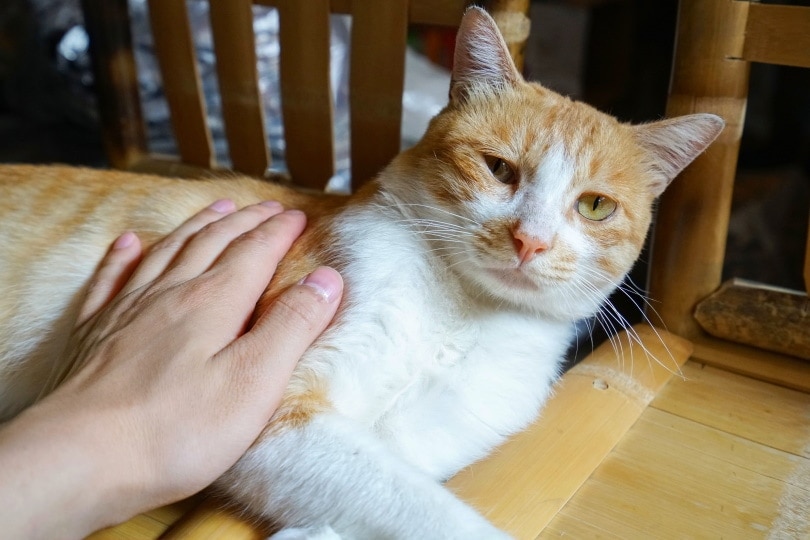
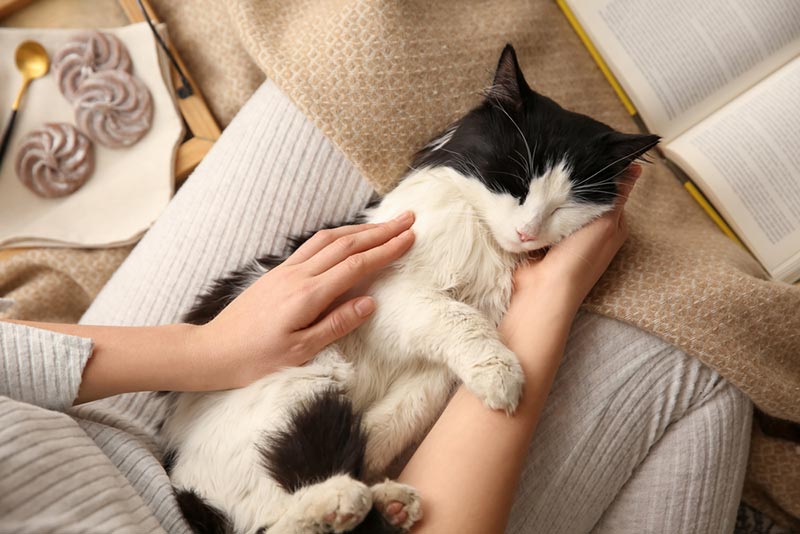
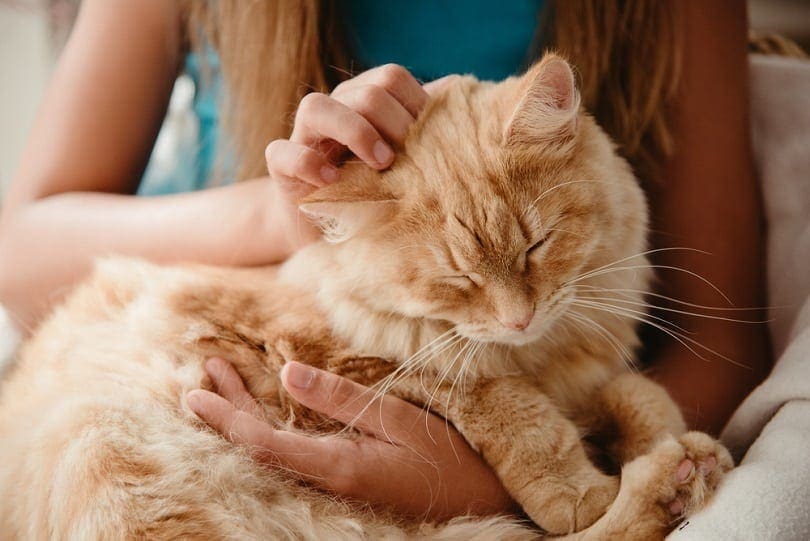
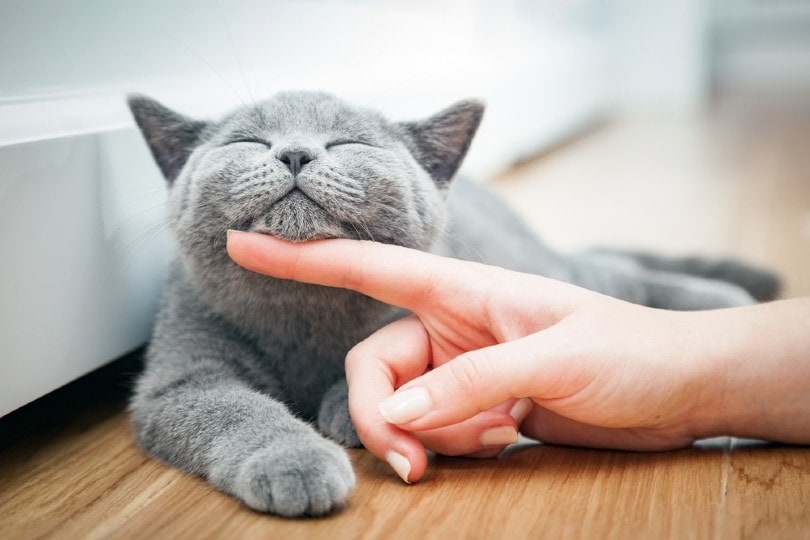
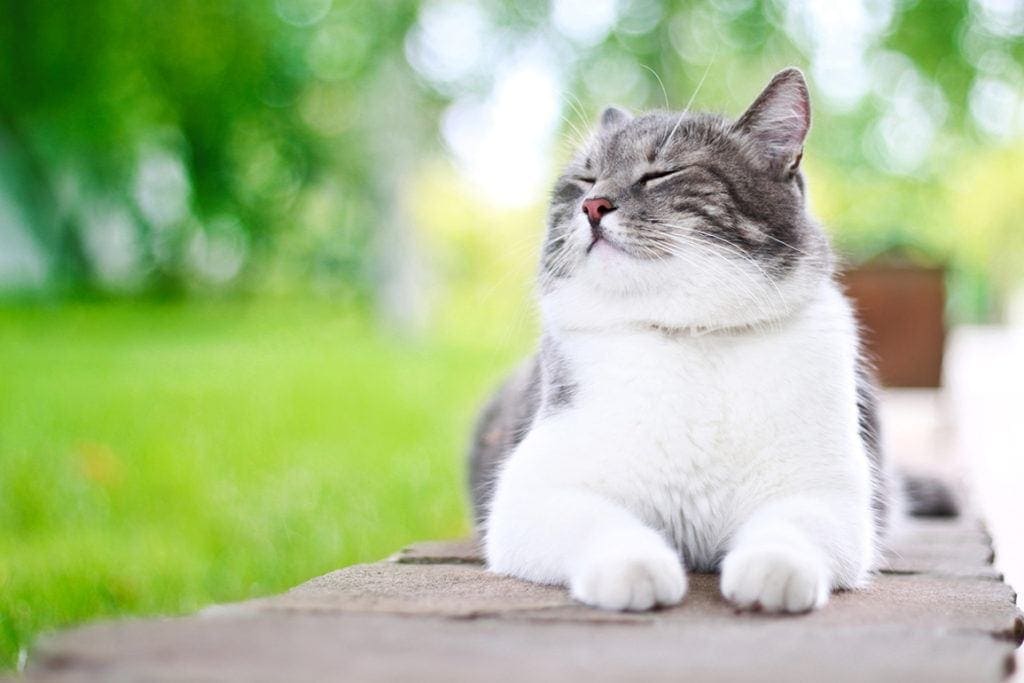
Many people know that cats purr when they are relaxed and happy. Drooling can also occur when a cat is happy. When a feline drools, it may be because they are so very relaxed that their saliva is “leaking.” Therefore, a purring and drooling cat is usually a happy one.
However, to be sure, there are some other behaviors you can look for, too. Here are some other signs that your cat is content:
- Head Nudging. Cats may push their head against you and rub their body against you when they want to be petted. Often, cats may purr to signal that they’re happy you’re here, as well. Usually, when a cat actively seeks attention like this, purring, and drooling, they are very happy.
- Relaxed Body Language. Often, cats will drool and purr when they are very relaxed. You can look at your cat’s body language to see if their muscles are relaxed or tense, which helps you determine what they’re feeling. A cat’s tail is an excellent measurement of their comfort, as well. A tail that is relaxed is much different from a tail that is twitching.
- Kneading is a behavior that comes from kittenhood when kittens would knead on their mother’s tummy to help the milk flow. Many cats carry this behavior to adulthood, kneading when they are particularly happy. Cats rarely knead for other reasons, so this behavior is a good sign that they are content.
2. Pain
Cats may purr when in pain, as purring is a natural pain reliever. Cats may also drool when in pain or experiencing certain illnesses. For instance, oral issues may cause excessive drooling and quite a bit of pain. Therefore, while purring and drooling are signs of contentment, this isn’t often the case.
If your cat gets something stuck in their mouth, it may cause a decent amount of pain and drool. The body may produce more saliva to get the foreign body unstuck, and your cat may purr to relieve the pain.
Trauma can also cause excessive drooling and purring, especially if it's located within the mouth. However, cats on pain medication may drool due to the medication and purr in an attempt to lower their pain levels even more. Vets often recommend providing pain medication when your cat starts purring for no apparent reason after surgery.
Toxins can also cause pain and may prompt your cat to make more saliva than normal, leading to drooling. If your cat ate something toxic, their body would usually produce drool in an attempt to flush the toxin out of their mouth. Depending on the toxin, it may also lead to pain.
3. Anxiety
Finally, though it's less common, many cats purr when they are anxious. Purring is both a sign that your cat is relaxed and a sign that they are trying to relax. Therefore, an anxious cat may purr as a way to calm down. Just like purring is a pain reliever, it can also be a natural stress reducer.
Stressed cats may also drool, though this is rarer. Again, anxiety rarely causes purring and drooling simultaneously, but it's possible.
Remember, cats are much more sensitive to environmental changes than we are. If your schedule changes slightly or your neighbor adopts a new cat, your feline may become anxious until they adapt to the change. Of course, large events can cause stress too. However, it's also possible for our cats to become stressed about something that we haven’t even noticed.
Conclusion
Cats can purr and drool for all sorts of different reasons. However, most commonly, cats purr and drool because they are content. Both of these behaviors can signal contentment by themselves. When paired together, there is a very good chance that your feline is relaxed and happy.
However, contentment isn’t the only thing that can lie behind these behaviors. Sometimes, pain can cause drooling and purring, especially if it involves the mouth or digestion. Consuming toxins or oral trauma can cause drooling, and anything that causes pain can lead to purring. Therefore, if your cat is doing both of these behaviors but looks tense, then it may be because something is wrong.
Related Read: Do Big Cats Purr? The Surprising Answer
Sources
Featured Image Credit: kwanza, Shutterstock
Get Hepper In Your Inbox


Pet care tips from our vets and experts, straight to your inbox.
You may opt-out at any time. View our Privacy Policy for more information.

Kristin is passionate about helping pet parents create a fulfilling life with their pets by informing them on the latest scientific research and helping them choose the best products for their pets. She currently resides in Tennessee with four dogs, three cats, two fish, and a lizard, though she has dreams of owning chickens one-day!
Join the conversation
Ask a question, share your story, or send private feedback.