Hepper is reader-supported. When you buy via links on our site, we may earn an affiliate commission at no cost to you. Learn more.
7 Signs of Toxicosis in Cats & What to Do: Our Vet Explains


In this article
Many substances are toxic and dangerous to our feline friends—some are obvious, while others are a bit more unexpected. Different types of toxicities affect different parts of the body, which means there's a wide range of clinical signs. For example, some may affect the nervous system, others the gastrointestinal tract, and still others the clotting factors of the blood.

Causes of Toxicosis in Cats
The most common poisons that affect cats include common ones like rodenticides used to eliminate mice and rats, insecticides used in gardens, cleaning agents and chemicals, antifreeze used in cars, and lead contained in old paint. Other common toxicities include common household drugs like paracetamol and acetaminophen, lilies, and veterinary products like flea-and-tick products or canine medications that are mistakenly used on cats.
Poisoning typically happens after a cat has swallowed or inhaled a toxic substance. However, sometimes it can be as simple as your cat stepping in a toxin or brushing against it, then licking their fur. Considering that cats can spend up to 50% of their day grooming themselves, it doesn’t take much for them to ingest a toxin that they only briefly came into passing contact with.

The 7 Signs of Toxicosis in Cats
There are several common signs associated with toxicosis, but they aren't limited to only poisoning and can be caused by other issues. Similarly, the signs of toxicosis vary widely, and some may not be included in this list. If you have any concerns at all about your cat, please contact your veterinarian for advice.
1. Salivation
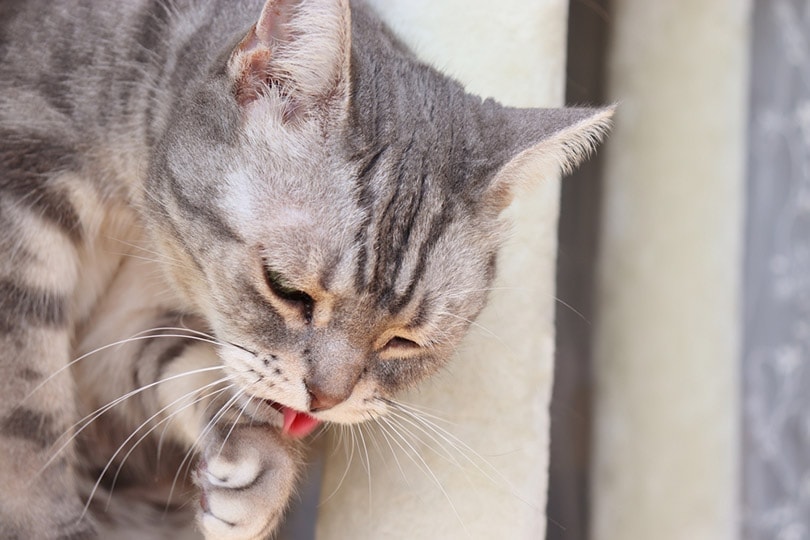
When a toxic substance has been ingested, cats may begin to hypersalivate, or drool. This is often one of the first signs that they show and can happen quite quickly after they first encounter the toxin. It can also sometimes indicate that they are feeling nauseous.
2. Vomiting and Diarrhea
Many toxic substances irritate the gastrointestinal tract. While many causes of vomiting and diarrhea in cats are far more common than toxicities, it is still advisable to consider whether your cat has encountered any potentially harmful substances if they are showing signs of gastrointestinal upset. It could be the bouquet of fresh lilies on your table that somebody brought over or certain essential oils that you use in a vapor diffuser. If you have a flea or tick product that wasn’t dispensed by your veterinarian, always check the product and the dose first, and if in any doubt, take the packaging to your vet to ensure that it is safe.

3. Twitching, Trembling, Fitting
More obvious signs of toxicosis are the neurological signs, such as tremors, twitches, and seizures, especially if they occur suddenly. The brain is sensitive to many toxins, and if not treated quickly, these can cause many complications that lead to damaging effects. Prolonged seizure activity can lead to the body overheating, leading to multi-organ failure. If your cat is showing any neurological signs, it is an emergency, and you need to get to your vet as soon as possible.
4. Difficulty Breathing
Respiratory distress can be caused by inhaling certain toxins, such as aerosol sprays, diffusers, carbon monoxide, and smoke inhalation. Some toxins also weaken respiratory muscles, causing difficulty breathing. You may also see other respiratory signs, such as coughing, sneezing, and wheezing.

5. Collapse
Sometimes, toxicosis will manifest as acute collapse, and it is common for owners to have no idea what their pet has been exposed to. Most people spend a long time out of the house, away from their pets, and exposure to a toxin can occur without them realizing it. That said, there are many other causes of collapse, unrelated to poisoning.
6. Pale Gums
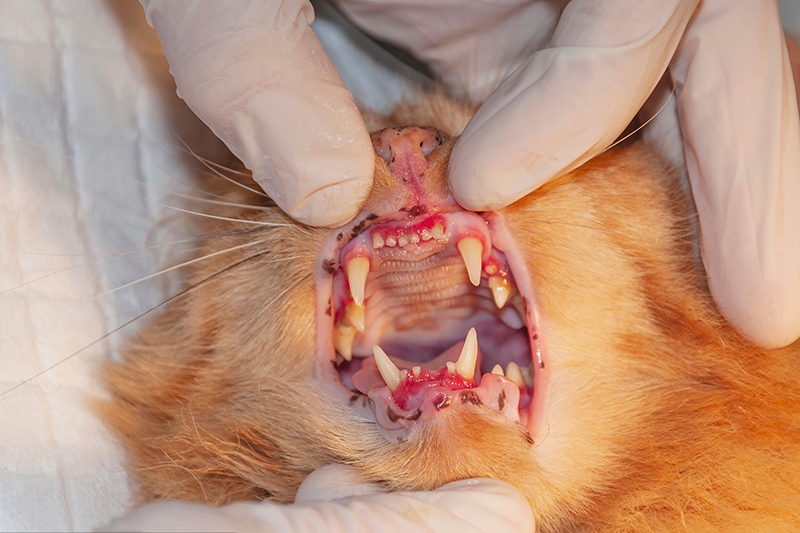
Pale gums can be caused by circulatory shock or blood loss. An example of a toxin causing pale gums is rodenticide poisoning, which results in a depletion in the clotting factors, causing spontaneous bleeding. This may manifest as bleeding from the nose and gums or bleeding under the skin, causing bruising. Other times, the cat may be bleeding internally, such as into the abdomen, brain and spinal cord, or chest cavity. You will often see pale gums alongside other signs, such as lethargy, coughing, difficulty breathing, enlarged bloated abdomen, bloody stools, and occasionally, neurological signs. But pale gums is a common sign of many poisonings, as it is how the body responds to circulatory shock.
7. Changes in Thirst, Appetite, and Urination
Certain toxicities cause changes in how much a cat drinks and urinates. Many potential toxins affect a cat’s kidneys, which are sensitive to injury. The toxins include antifreeze, lilies, certain pesticides, many human medications, and an overdose of certain pet medications. This can be fatal, so it is essential to seek veterinary attention immediately.
What Do I Do If I Think That My Cat Has Been Poisoned?
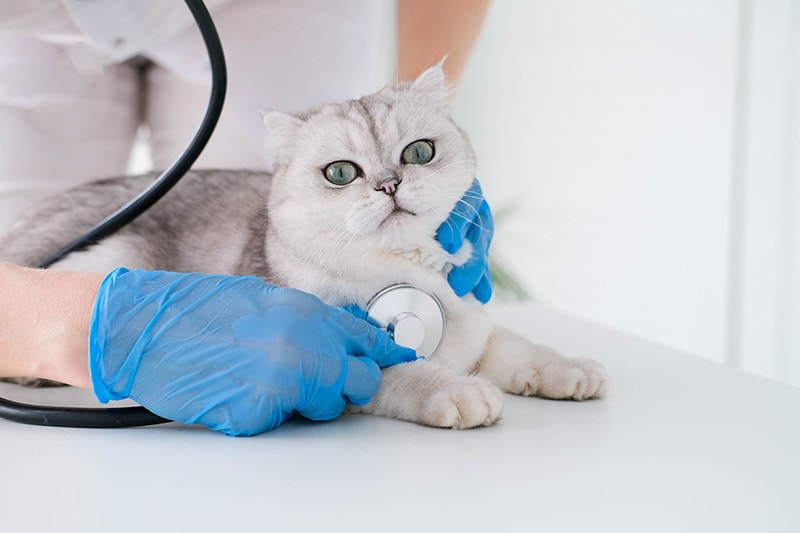
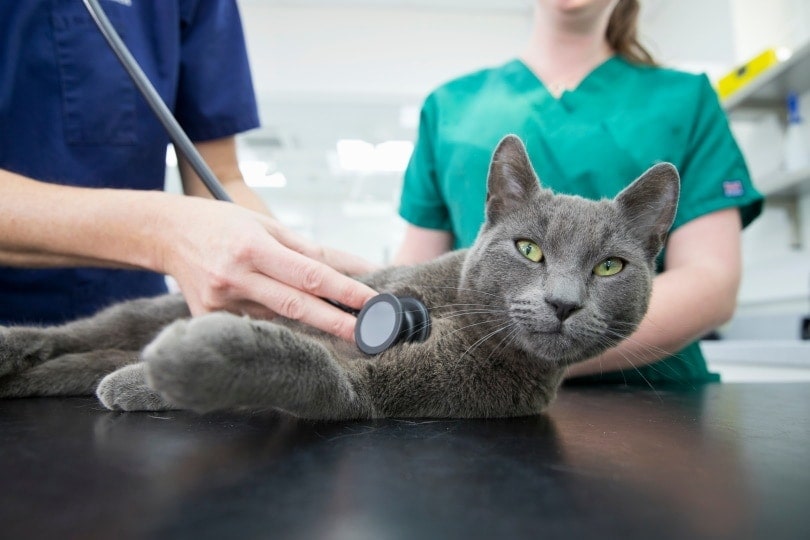
If your cat is showing signs of potential toxicosis, it is essential to seek immediate veterinary care.
If you know what they were exposed to (a certain medication, chemical, food, plant, etc.), package it safely, and take it with you to the veterinary office. This way, they can identify what has potentially caused toxicosis. Depending on when the poison was ingested, your vet may try to make your cat vomit and prevent further absorption by giving them activated charcoal. Supportive treatment is usually required until the poison has been metabolized and excreted by the liver and kidneys. Overall, it depends on your cat’s condition and the potential toxin. Also, there are antidotes for certain poisons, which can be given if the toxin is known or suspected.
Tips to Keep Your Cat Safe
- Prevent your cat from free roaming outdoors.
- Ensure that all human and pet medications are kept in an inaccessible cupboard.
- Ensure that any house, garden plants, or flower bouquets are not toxic to cats.
- Make sure cleaning products, pesticides, and anti-freeze are stored somewhere that your cat cannot access. Your cat can jump surprisingly high, so avoid storing it on open shelving in the garage.
- Double-check the doses of any medications prescribed to your cat, especially if one requires the use of a syringe. If you are unsure about exactly how much to give your cat, check with your veterinarian first.
Final Thoughts
Cats may be intelligent and fastidious creatures, but they are not immune to avoiding harmful substances. Although toxicosis is unavoidable on occasion, it is invariably our responsibility as cat owners to limit their potential exposure to poisons as much as possible. If you have any concerns that your pet may have been exposed to a potential toxin, even if they are not yet showing signs of poisoning, please contact your veterinarian for advice immediately.
Sources
Featured Image Credit: Sisacorn, Shutterstock
Get Hepper In Your Inbox


Pet care tips from our vets and experts, straight to your inbox.
You may opt-out at any time. View our Privacy Policy for more information.
Meg is a veterinary surgeon and writer originally from Australia, who currently is living and working in Scotland with her family. She is a passionate advocate of preventative medicine, client education and believes medicine never has a one size fits all approach. When not practicing veterinary medicine, her happy place is out walking the hills with her baby daughter and over-excited Labrador, and writing.
Dr. Meg is from Australia and currently lives with her family in Scotland. When she's not working, you can find her taking her clan out on the hills, writing, and consuming books. She enjoys the variety of general practice and the feeling that there is always something new to learn. There is never a boring day behind the doors of a veterinary clinic!
Education
Meg graduated in 2015 from James Cook University, Australia.
Experience
Dr. Meg has been in practicing veterinary medicine for over seven years. Before traveling and working in the United Kingdom, she spent her formative years after graduating from university obtaining a wide variety of experience in rural Australia, with a focus on both small animal and equine medicine. She has developed a keen interest in client education, learning over the years that once the patient has had the surgery or the medicine to "fix" an issue, it is ultimately awareness that improves patient outcomes.
Join the conversation
Ask a question, share your story, or send private feedback.