Hepper is reader-supported. When you buy via links on our site, we may earn an affiliate commission at no cost to you. Learn more.
Why is My Cat Twitching in Their Sleep? 3 Vet-Verified Reasons


In this article
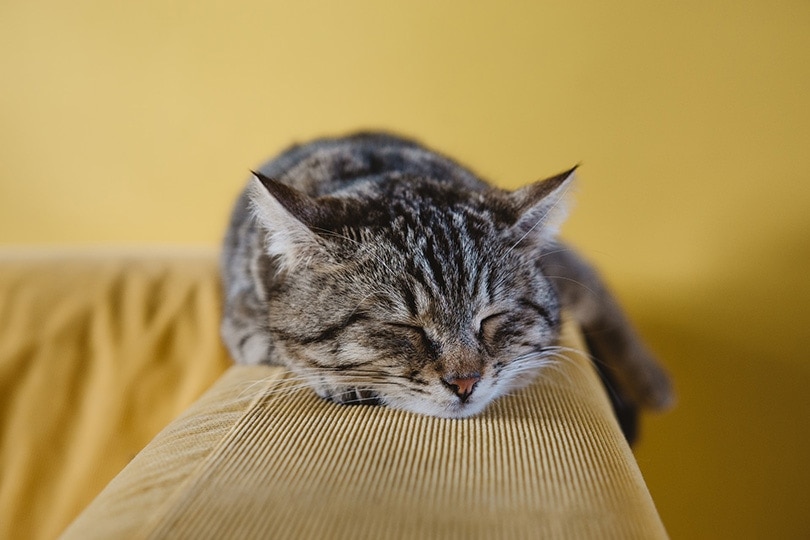
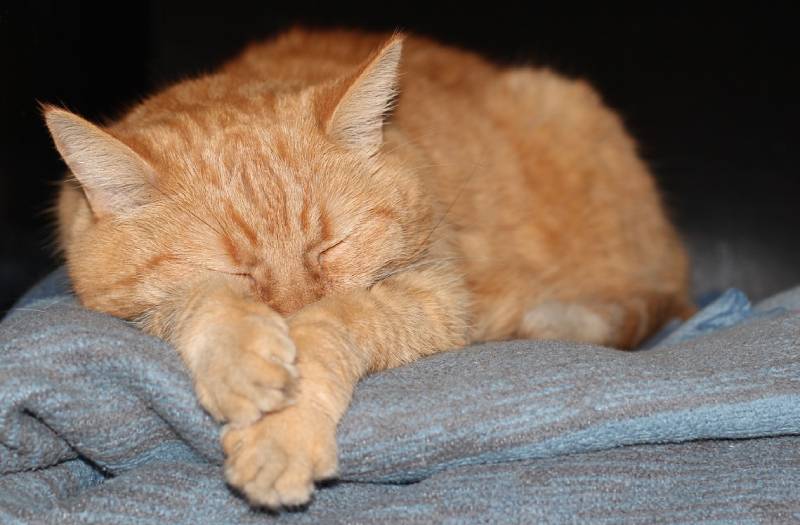
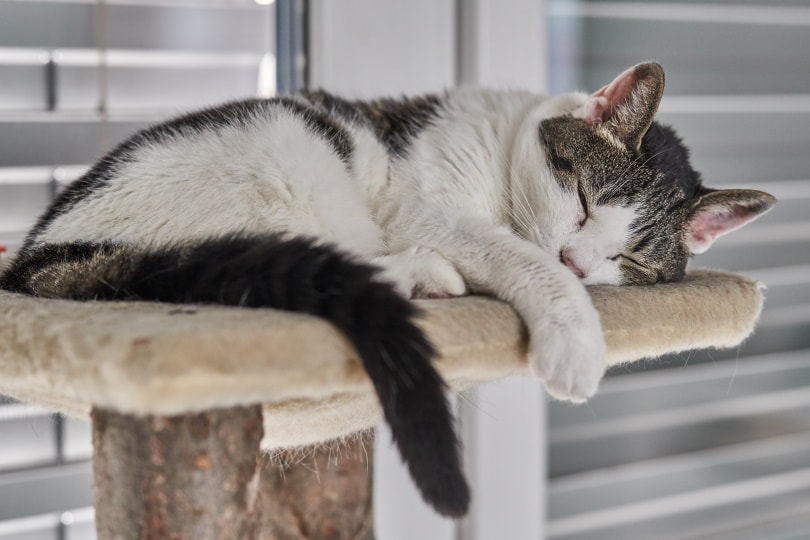
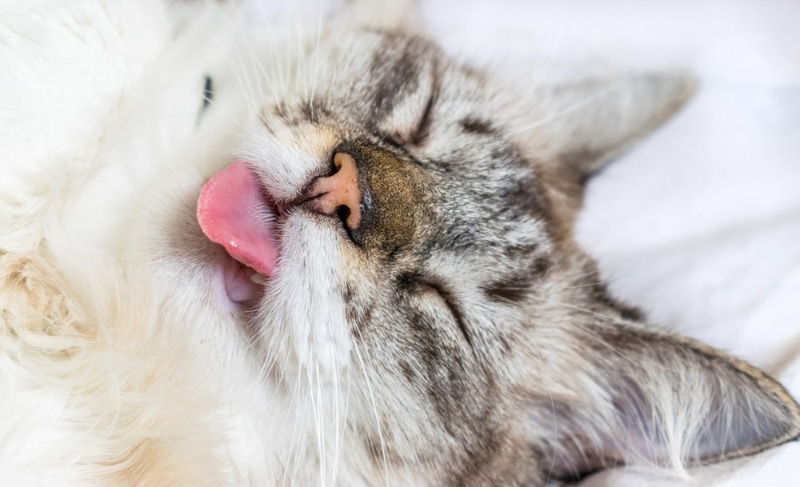
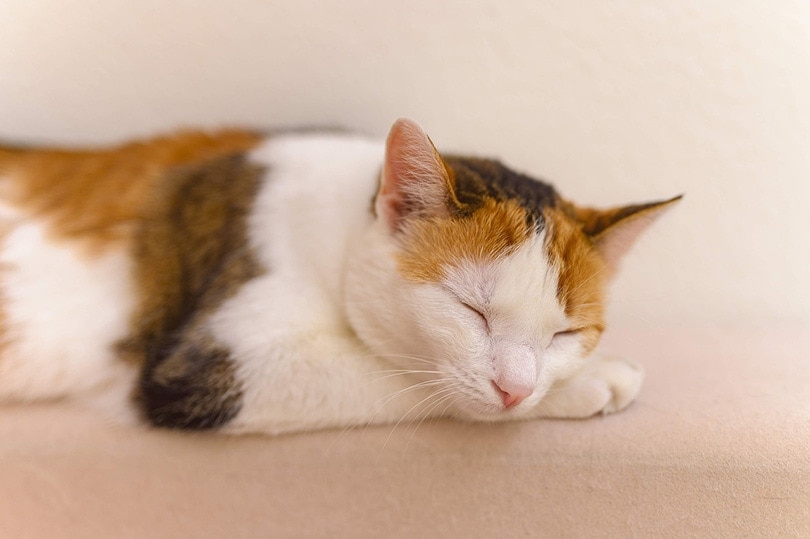
If you have ever witnessed a cat twitching while asleep, you have been lucky enough to see one of the cutest sights known to man. Whenever cats dream, the sight is downright adorable.
Luckily, most sleeping twitches are nothing to be concerned about. However, there are times when you should worry about your cat’s health, such as if the twitching is present in the awake state, is excessive, abnormal, or violent during sleeping, or is accompanied by other signs of illness.
If you are interested in learning three main reasons why cats may twitch in their sleep, read on.

Understanding a Cat’s Sleep Cycle
Before we dig into the three main reasons cats twitch while asleep, it’s important to understand a cat’s sleep cycle. In people, non-REM sleep can be divided into several different stages, usually three, while REM appears more consistent, although some also recognize two substages, tonic and phasic sleep. However, this distinction is not as easy to make in mammals, and the majority of studies have been focused on rodents and primates.
A study published in 1974 looked into the sleep-wake cycle of the cat and described four states: alert-awake, drowsy-awake, quiet or slow-wave sleep (SWS), which is also referred to as non-REM, and active or REM sleep.
Just like us, a cat’s sleep can be divided into stages. Each one of these stages serves a different function in the cat’s well-being.
Catnaps
The first stage of a cat’s sleep is often called a catnap, and is what researchers have called the drowsy-awake state. They are often very short, and the cat is still awake enough to respond to their surroundings. The most obvious sign that your cat is in stage one sleep is that the cat’s ears turn or twitch in response to sounds.
Non-REM or Slow Wave Sleep
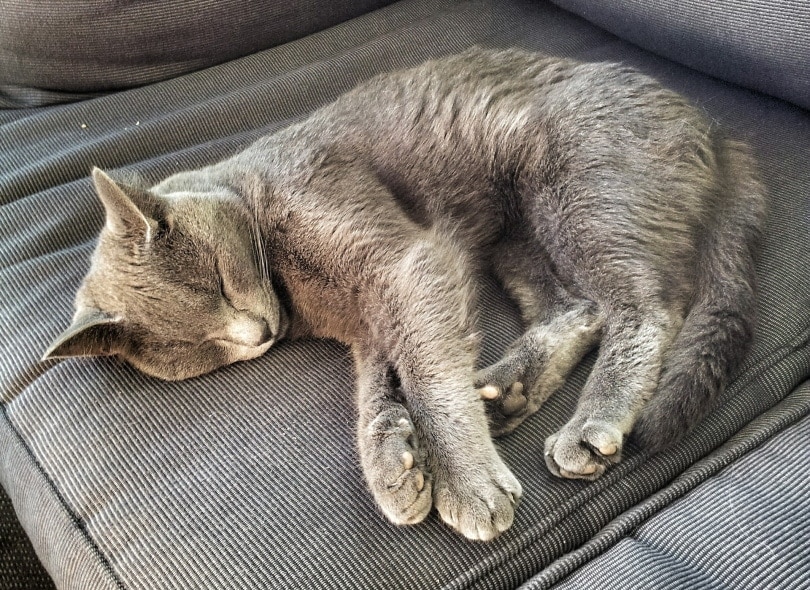
The second stage of cat sleeping is light sleep. Light sleep can vary in time length and awareness levels. The cat isn’t quite as alert as during a catnap, but they aren’t deeply sleeping and are unlikely to be dreaming yet either. Cats must go through stage two to get from stage one to stage three.
REM or Deep Sleep
The third stage of sleep is deep sleep or REM. REM sleep lasts around 14 to 26 minutes, or on average around 18.5 minutes. If your cat is twitching, they are most likely in this stage of sleep because this is the stage when cats dream. Your cat will be the least responsive during the deep sleep phase.
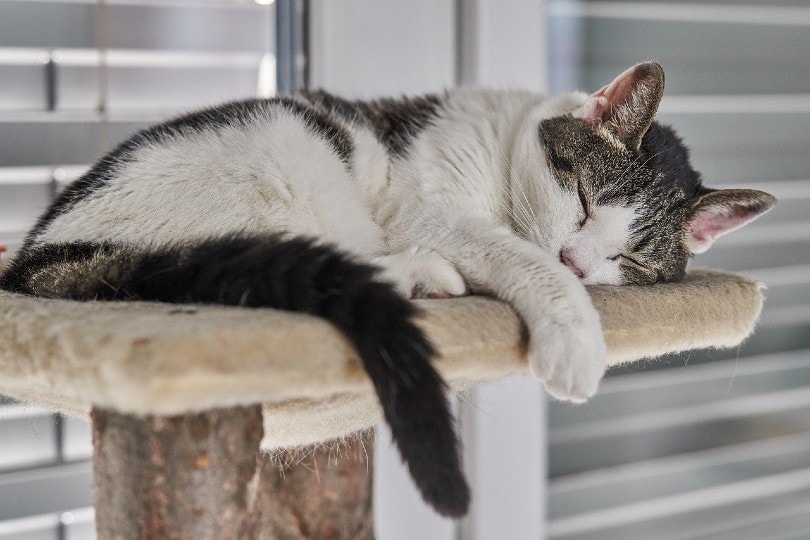
The 3 Reasons a Cat Twitches While Sleeping
Now that we have learned about the cat’s sleeping cycle, let’s learn the three most common reasons why your cat could be twitching while asleep.
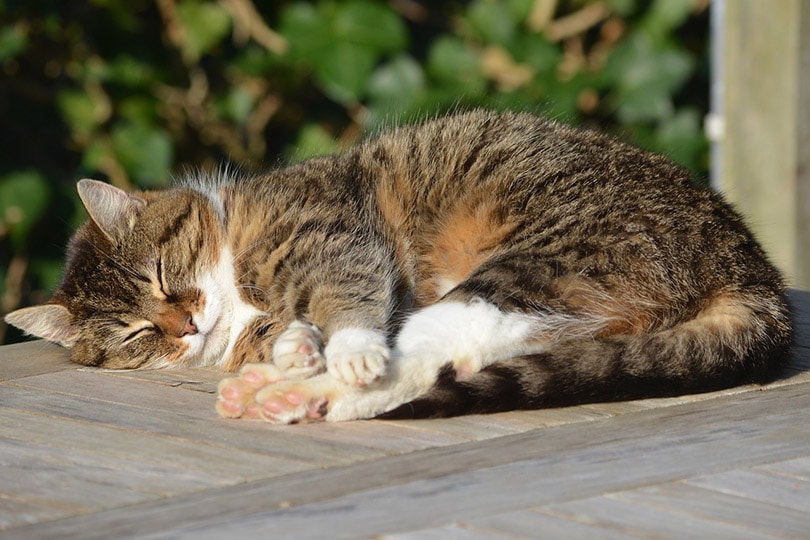
1. Muscle Spasms
No matter what stage of sleep your cat is in, they may just be having involuntary muscle spasms. Spasms are caused whenever the body’s muscles contract and relax back and forth. Occasionally, muscle spasms can be caused by various different health conditions, but most muscle spasms are just a natural part of the sleeping cycle.
Muscle spasms that are concerning and need veterinary attention are those that are present in the awake state or that are violent and excessive even in the sleep state. They may be caused by various metabolic disorders, low blood glucose, electrolyte imbalance, organ system disease or organ failure, toxin exposure, neurological disorders affecting the brain, and many more. If your cat is twitching and they are not asleep, they should see a veterinarian urgently.
2. Dreaming
It is believed that most mammals are able to dream in the REM or deep stage of sleep, but this definition differs between species, as some, such as aquatic mammals, may also experience atypical kinds of dreams even in the non-REM sleep.
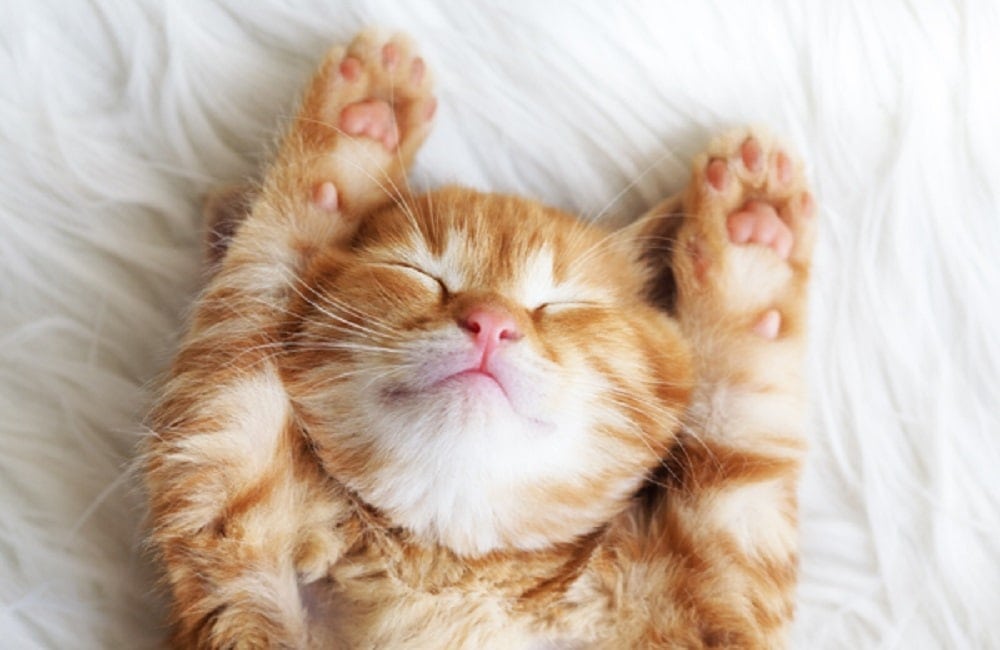
When in the REM stage of sleep, the brain wave activity is similar to the awake state, but the body movements are generally minimized and there is rapid eye movement and increased breathing, heart rate, and blood pressure. A study recorded finger movements in people while sleeping and these were found to be increased during REM sleep, particularly late REM sleep. This is similar to twitching of the paws, tails, ears, and whiskers in animals. Whenever dreaming, your cat may twitch as a response.
Just as before, you don’t have to worry about your cat’s health if their twitching is due to dreams. This is completely normal, and even we twitch while we dream. Let your cat continue dreaming and wake up as normal.
3. Having Seizures
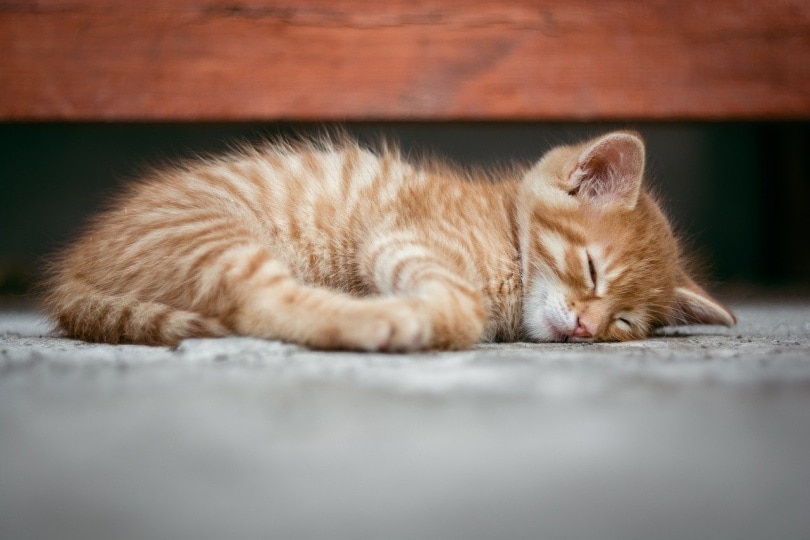
Although the reasons above are completely safe and normal explanations for why your cat twitches during sleep, the twitching could be due to something more serious, such as seizures. Although twitches caused by partial seizures are less common, they’re still possible.
Seizures can occur when the animal is either awake or asleep, commonly when they are transitioning from one state to the other, and they indicate an abnormal surge in electrical brain activity. They can be generalized, affecting the whole body, leading to involuntary movements, such as paddling or running movements, legs becoming rigid, head and neck bending backward, and loss of bowel and urinary control. They usually last 1-2 minutes. Seizures less commonly only affect certain body parts in cats and may lead to these areas twitching, or strange behaviors, such as tail chasing or biting at imaginary objects.
All seizure activity requires urgent veterinary attention, as it may lead to prolonged seizures without a recovery, lasting 5-10 minutes, that raise the animal’s body temperature to dangerous levels and lead to organ damage.

Signs the Twitching is Due to Seizures
If your cat’s twitching is excessive, abnormal, occurs in the awake state, or is accompanied by any signs of illness or changes in behavior, you should take your cat to the vet immediately.
Keep in mind that seizures can happen when the cat is asleep, awake, or somewhere in between. They can also occur during excitement or feeding, and most cats can appear normal between seizures. If you notice your cat suddenly twitching violently all over, paddling, drooling, passing urine or feces during this episode, no matter whether they were previously asleep or awake, they need to see the vet urgently.
Final Thoughts
Nine times out of 10, your cat is twitching for reasons that are healthy and normal. For example, muscle spasms, and regular dreaming cause cats of all ages to twitch. However, twitches can be a sign of seizure if the twitching is accompanied by any of the above-mentioned signs. Take your cat to the vet if you suspect twitching is due to illness.
See also:
Why Do Cats Curl Into Balls When Sleeping? 3 Reasons For This Behavior
Why Do Cats Wag Their Tails While Sleeping? 4 Possible Reasons
Sources
Featured Image Credit: biglinker, Pixabay
Get Hepper In Your Inbox


Pet care tips from our vets and experts, straight to your inbox.
You may opt-out at any time. View our Privacy Policy for more information.
Nicole is a lover of animals of all sizes but is especially fascinated with the feline variety. She’s the proud mom of Baby, a Burmese, and works every day so he can relax in the sunshine or by the fire. She’s always had a cat in her home and has spent countless days with others, observing behaviors and softening up even the grouchiest of the lot. Nicole wants to share her kitty expertise with you so you and your cat can live happy, healthy, and care-free.
Join the conversation
Ask a question, share your story, or send private feedback.