Hepper is reader-supported. When you buy via links on our site, we may earn an affiliate commission at no cost to you. Learn more.
5 Rottweiler Colors, Markings & Patterns (With Pictures)
In this article
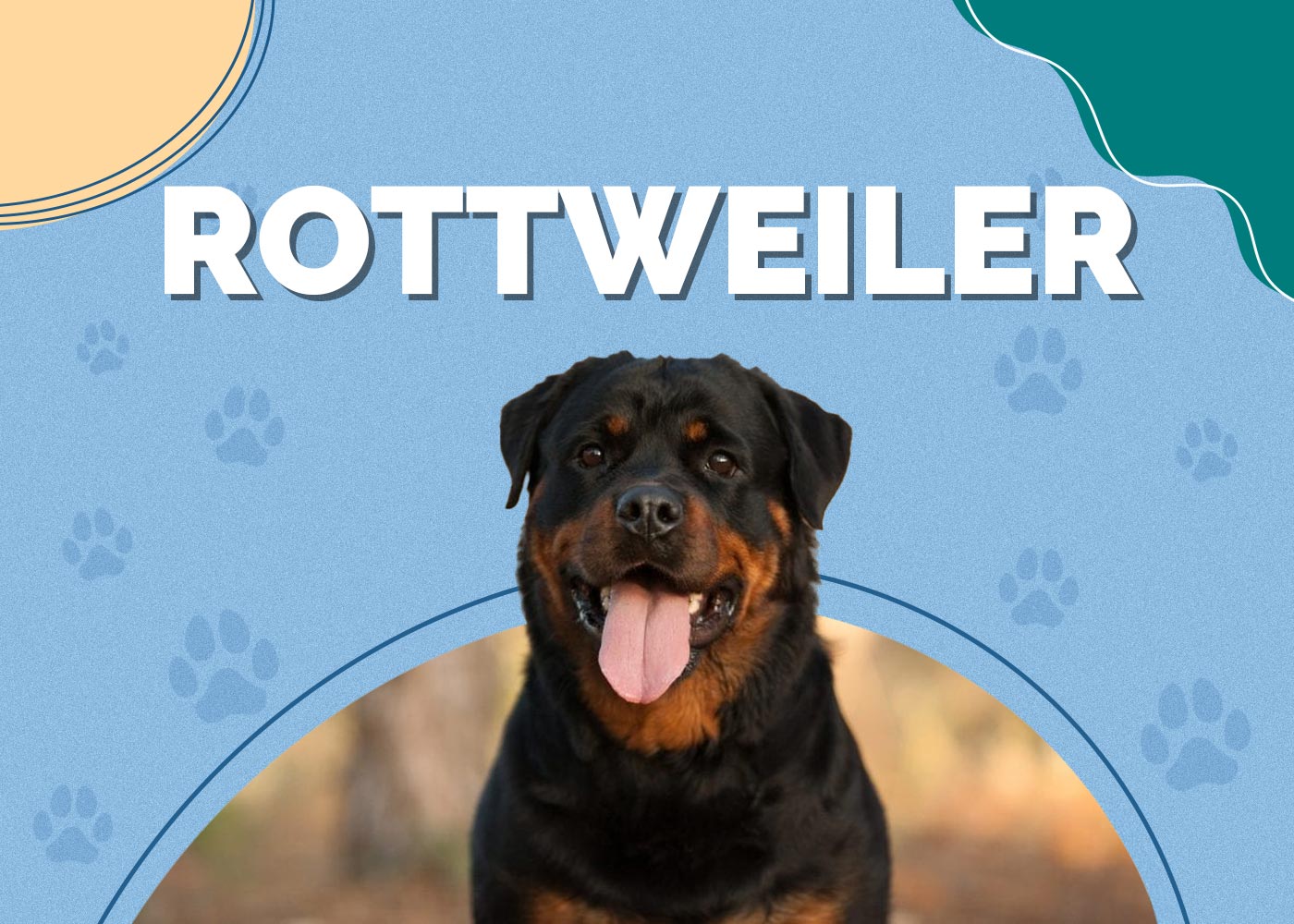
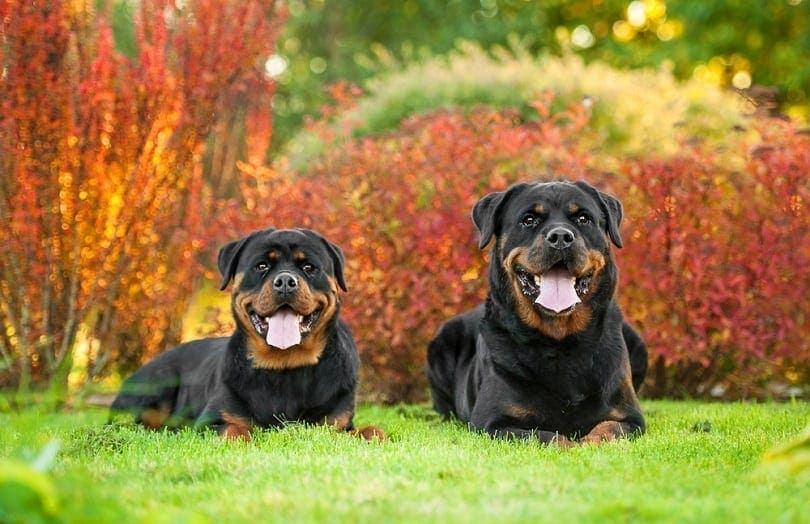
The Rottweiler is a tough, protective, and loyal canine that is a great favorite among families and singles alike. They are known for their calm demeanor, intelligence, and confidence. Their main attribute, however, is their excellent guard dog capabilities.
This fierce-looking pup is also easy to spot for its size and fur color. They have the slick and smooth dark coloring that gives them a stoic yet beautiful appearance. Contrary to popular opinion, this canine comes in more than one coat style; however, there are actually five Rottweiler colors you can choose from.

Recognized Rottweiler Colors
Also known as the Rottie, this breed is recognized by the American Kennel Club. As we mentioned above, there are five known Rottweiler colors, yet only three of them are recognized by the AKC.
As this dog is on top of the working-class canine group, many pet parents are opting to show their Rotties at competitions. For them to qualify, their fur coloring needs to fall within these guidelines set forth by the AKC:
The 5 Rottweiler Color Overview
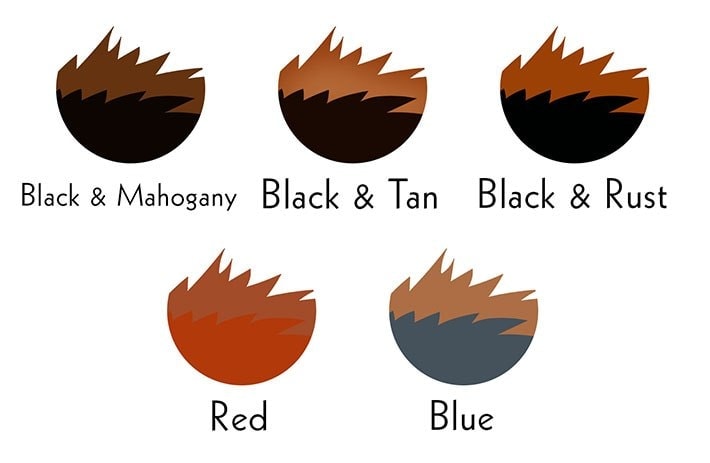
In addition to the AKC-recognized colors, there are five possible Rottweiler colors or combinations.
The 5 Rottweiler Colors
1. Black and Mahogany Rottweiler
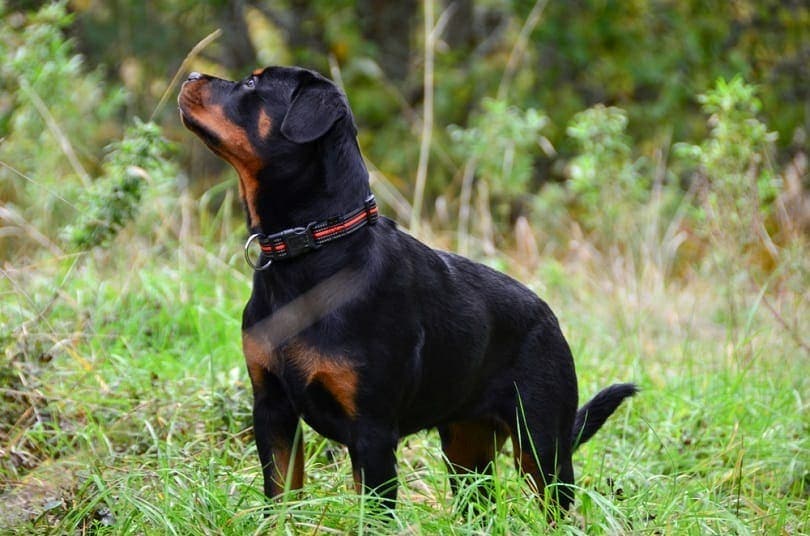
This first coat type is the most common Rottweiler color. They have the darkest coloring among their other counterparts. This is most apparent with their markings that are a rich brown, cognac color that gives them a handsome and robust appearance.
2. Black and Rust Rottweiler

This next color combo is another common Rottweiler color. In fact, many people are not able to tell the difference between rust and mahogany fur. The rust, however, is a bit lighter and not quite as deep or rich as the first. Interestingly, there are only two breeds that have what is considered a “true” rust coat: the Rottweiler and the Affenpinscher.
3. Black and Tan Rottweiler
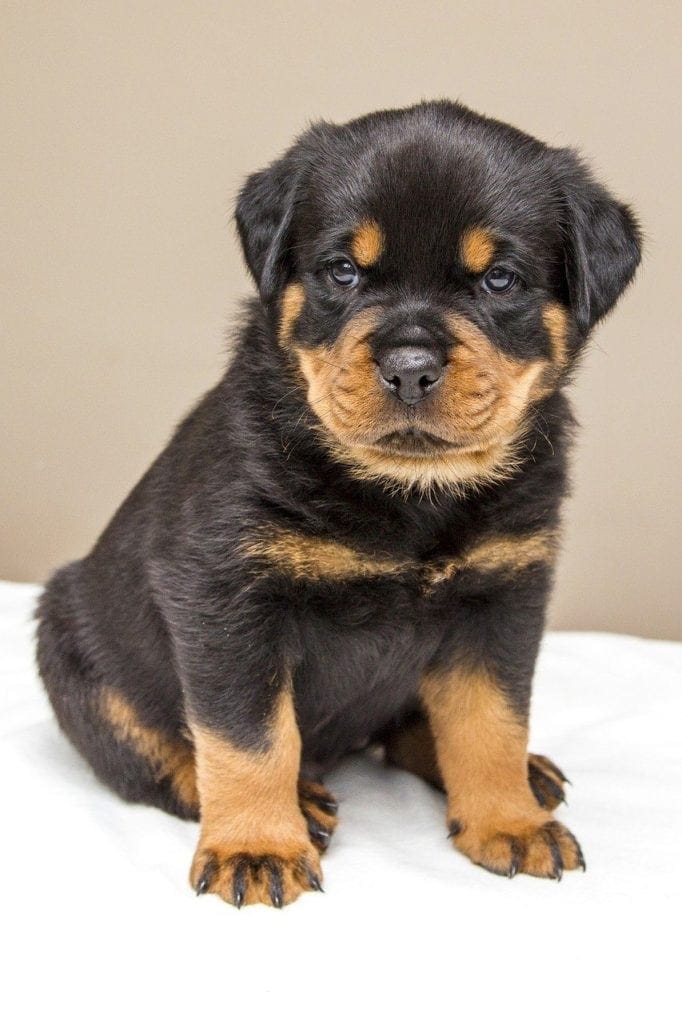
The third and last AKC approved Rottweiler color combo is black and tan. The black and tan Rottweiler has the lightest markings of the other two with a cooler undertone. Also, although tan and black are common colors in the canine community, it is rarer in the Rottweiler breed. On the other hand, as this pup is popular, you will most likely run into one at some point.
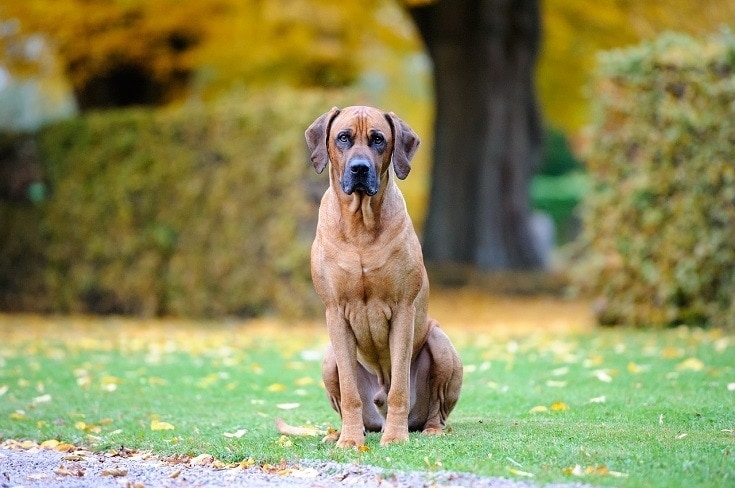
4. Red Rottweiler
The red-coated Rottweiler color is the rarest of this breed. They do not have the black saddle pattern in their fur, and they are often mistaken for other breeds. It’s also important to note that, besides the health issues we mentioned above, many of these pups are bred unethically due to their unique rarity. It is possible to have a “surprise” red Rottweiler puppy in a litter, but because they have been bred with the black fur gene for so long, it is not likely.
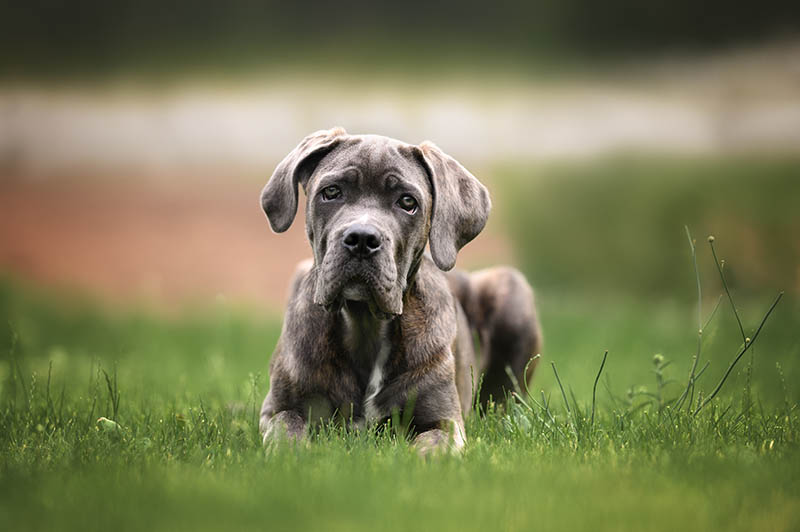
5. Blue Rottweiler
The blue Rottweiler is also rare, although not as rare as red. Like we talked about above, blue furred-dogs often suffer from health issues, so it is not a lucky color to be, but they are stunning to look at. With the blue Rottweiler, the color can look blue, gray, slate, or even silver. This color occurs when the black Rottweiler pigment is diluted causing it to be lighter. Typically, a blue Rottweiler will have various tones while the other “lesser colors” may still be present.
Besides the coat colors, they also need to have specific markings that we will discuss next.

Rottweiler Markings and Patterns
As far as the Rottie patterns, they have what is typically known as the saddle pattern. This makes them look like they are wearing a “saddle” on their back. This is also defined by having a lighter coloring on their belly, legs, paws, and face.
The base of the Rottweiler’s coat is typically black, but some have a diluted base causing them to have a lighter fur color.
As we mentioned, however, the AKC only recognizes three fur colors for a purebred Rottweiler. Not only that, but they have defined markings that should be apparent on their coat. These marks, though it can vary, should only take up 10 percent of their fur.
Take a look at these coat markings below:
Again, these are all markings and spots that need to be present if you wish to show your Rottweiler at dog shows. If these marks are not present, you will not be able to qualify, yet there are no other known health or temperament concerns if they do not possess them.
Other Rottweiler Coat Details
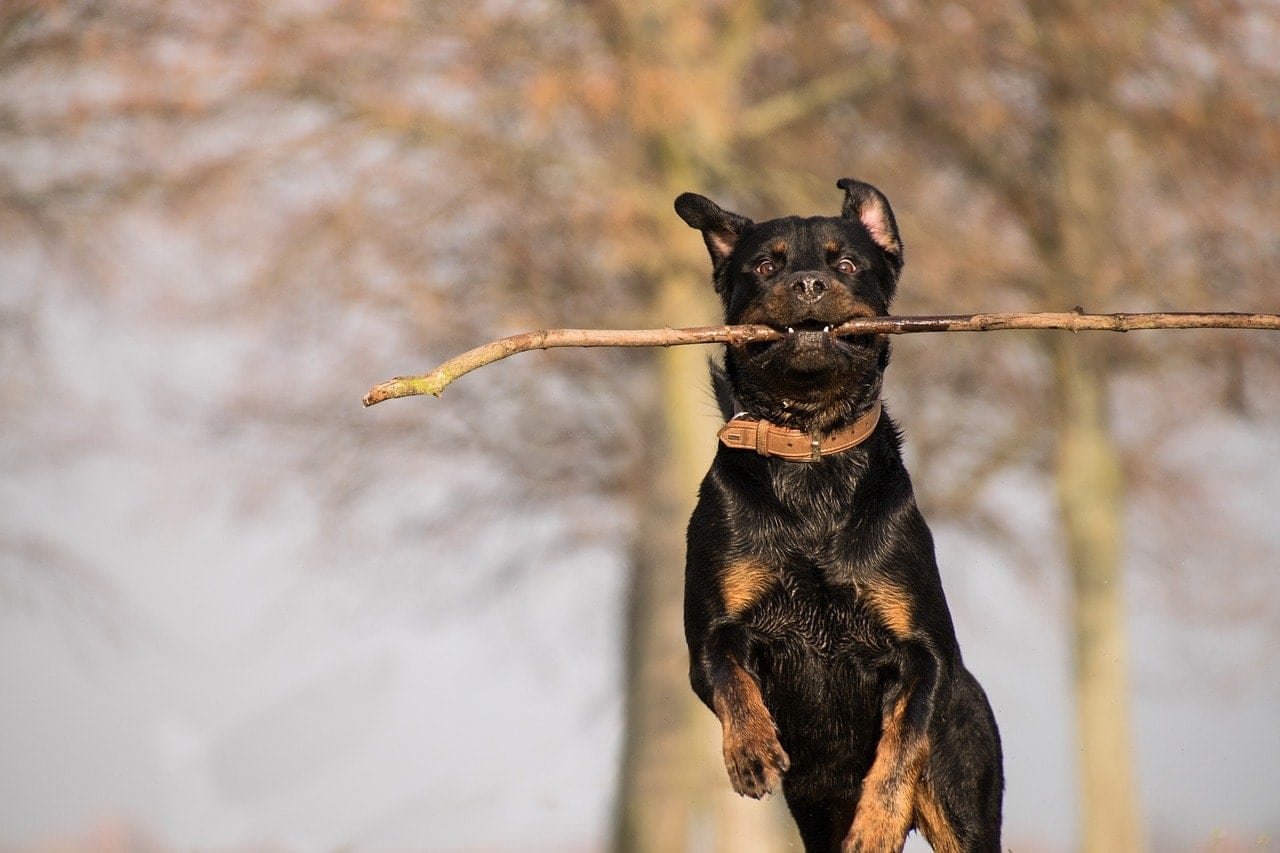
Besides those guidelines, there are some other details you should note about this breed. For example, although it has more to do with their physique than their fur, the Rottweiler’s tail should be docked according to the breed standard. This means the excess tail is removed when they are puppies to “improve” their appearance.
There are a few other details, such as:

Rottweiler Health Issues
As you can see from above, the three accepted Rottie colors (besides the black Rottweiler) are mahogany, rust, and tan. There are two other colors, however, that are uncommon. These two colors are blue and red. While they are interesting to look at, there have been some issues associated with both fur colors.
Red Rottweiler
In the Red Rottweiler's case, many experts believe that there are no purebred redhead Rotties. That being said, those that argue that they do exist, are confident in the idea that they are heavily crossbred causing many health issues. They can have heart disease, joint problems, and eye conditions.
Blue Rottweiler
When it comes to blue Rottweilers, they are likely to develop a condition called alopecia, which affects their skin and coat. This is not an ailment centered on Rotties, either. Many blue-coated dogs suffer from this malady as a result of their fur.
Usually, you will notice signs of alopecia within the first few years of your dog’s life. Their fur can become brittle and thin in spots. They can also have skin rashes and other uncomfortable conditions. You will likely need to consult a vet about these problems.

Conclusion
We hope that you have enjoyed this review of the five different Rottweiler colors. Each one of them is beautiful and striking, but as you can see, some of the rarer tones have their consequences. Regardless of the color, these dogs are protective, loyal, and loving. They will add comfort to your home, and be a great companion for the whole family.
Related Reads:
Featured Image Credit: Rita_Kochmarjova, Shutterstock
Get Hepper In Your Inbox


Pet care tips from our vets and experts, straight to your inbox.
You may opt-out at any time. View our Privacy Policy for more information.

Nicole is a lover of animals of all sizes but is especially fascinated with the feline variety. She’s the proud mom of Baby, a Burmese, and works every day so he can relax in the sunshine or by the fire. She’s always had a cat in her home and has spent countless days with others, observing behaviors and softening up even the grouchiest of the lot. Nicole wants to share her kitty expertise with you so you and your cat can live happy, healthy, and care-free.
Join the conversation
Ask a question, share your story, or send private feedback.