Hepper is reader-supported. When you buy via links on our site, we may earn an affiliate commission at no cost to you. Learn more.
Rottweiler vs. Cane Corso: Which One Is Right for Me? (With Pictures)

In this article
Rottweilers and Cani Corsi are dogs that turn heads wherever they go. They both have an imposing stature, a beautiful square face, and expressive eyes! But their stunning looks are nothing compared to their intense loyalty and devotion to their human family. Both dogs make exceptional companions, but they are not for everyone!
They must be trained and socialized early and throughout their lives to bring out the best of their amazing qualities. They also need an owner with excellent canine leadership abilities. Otherwise, they might start making decisions on their own, and that's a recipe for disaster. Their takeover instinct can be a problem for pet owners who cannot establish their role as pack leaders and control this behavior.
These breeds share many traits, but a few things set them apart. Read on to learn more about the many facets of these great dogs so you can figure out which one is right for you.

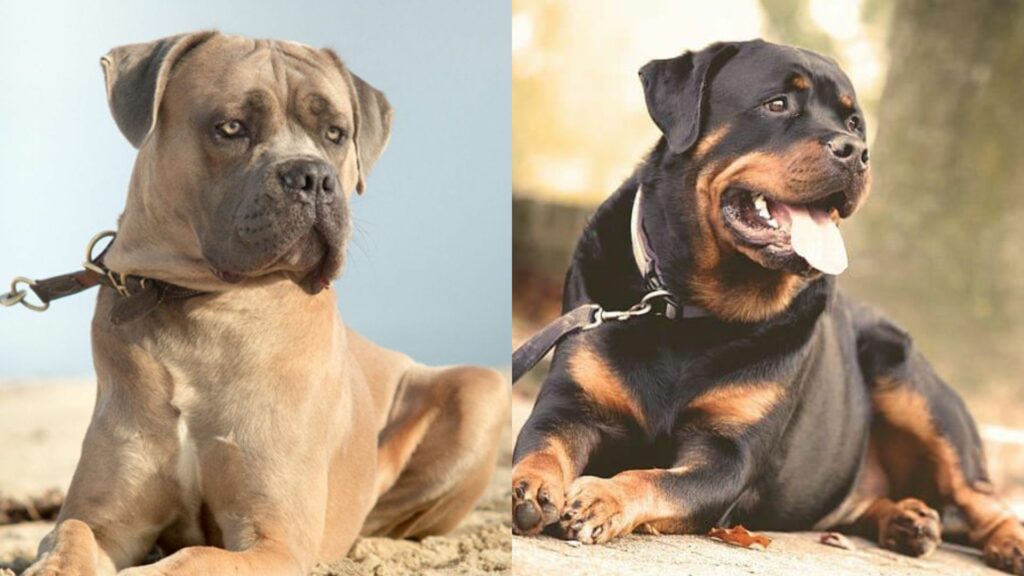
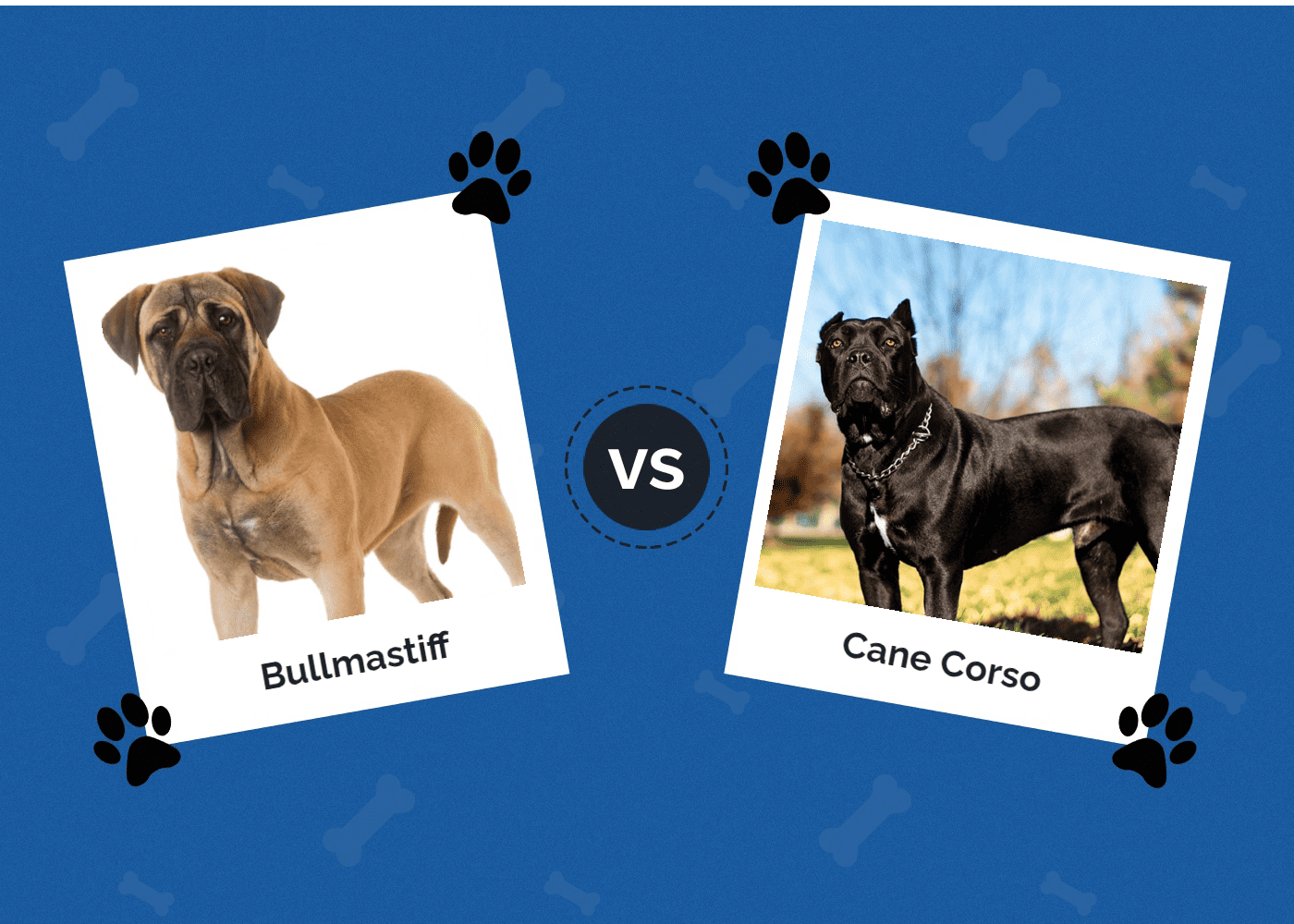
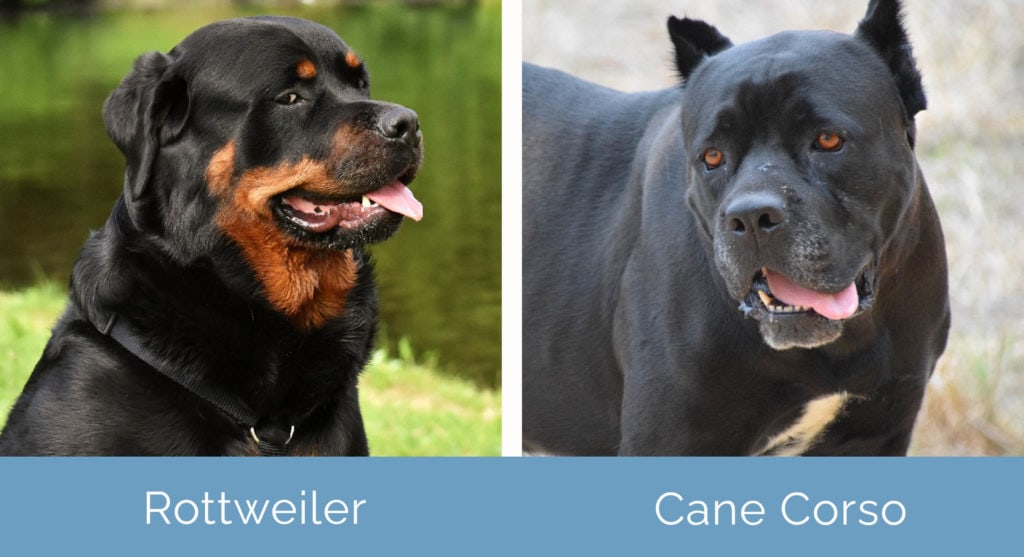
Visual Differences
At a Glance
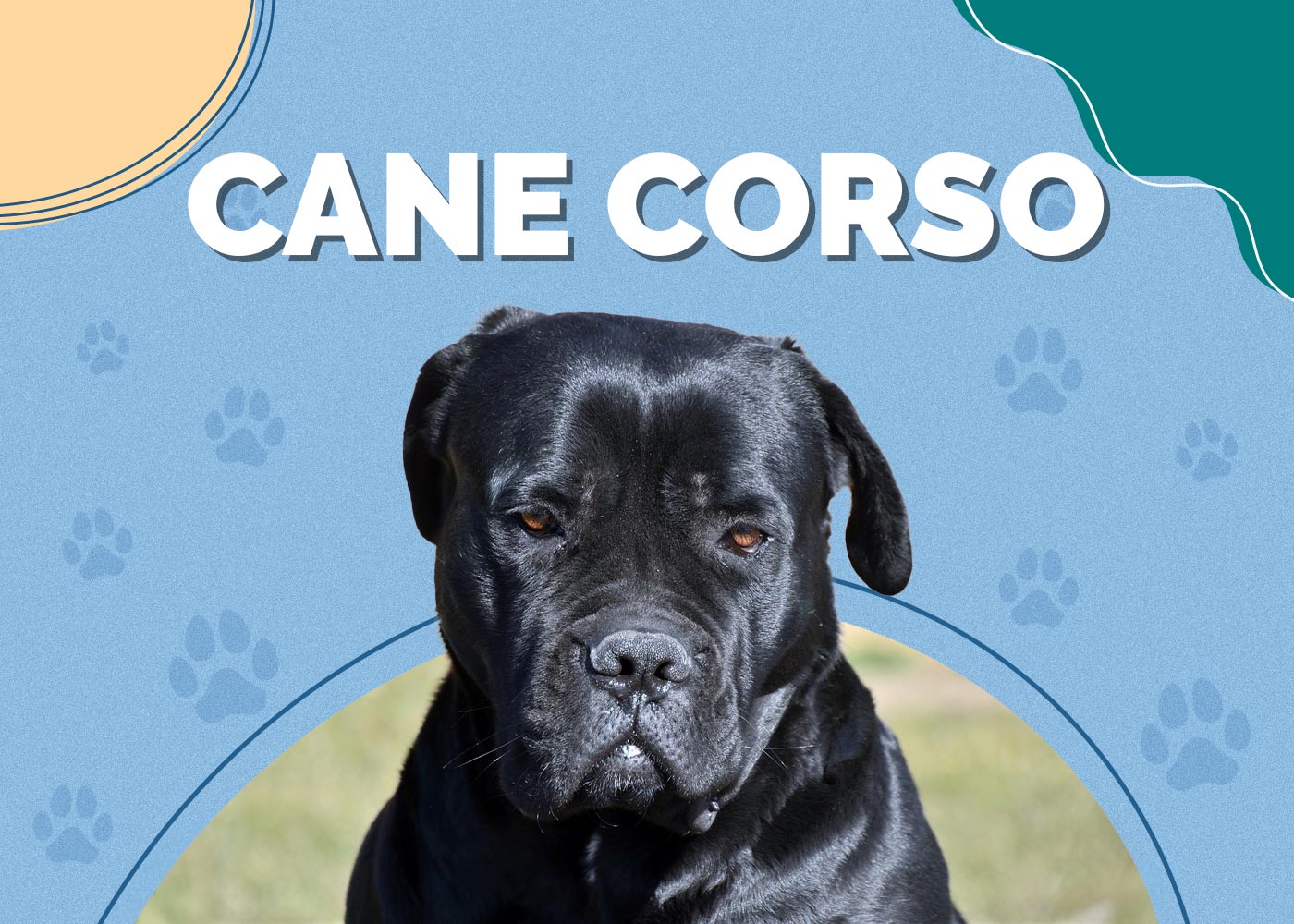
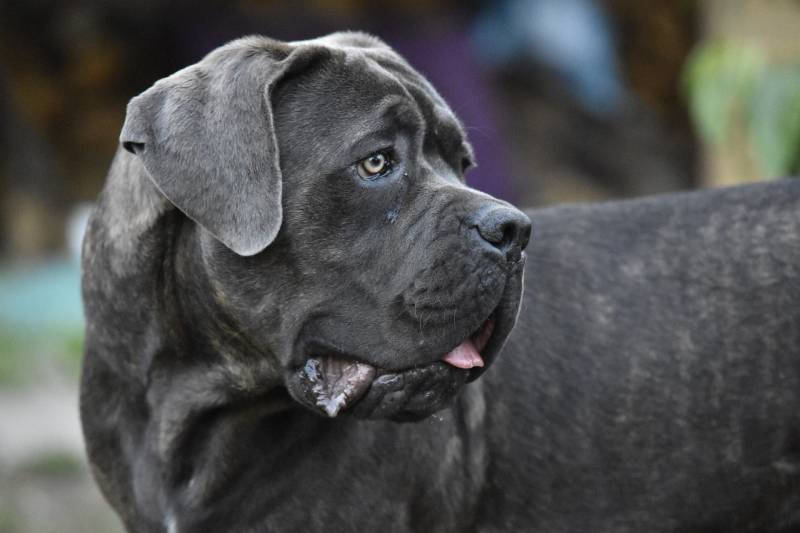
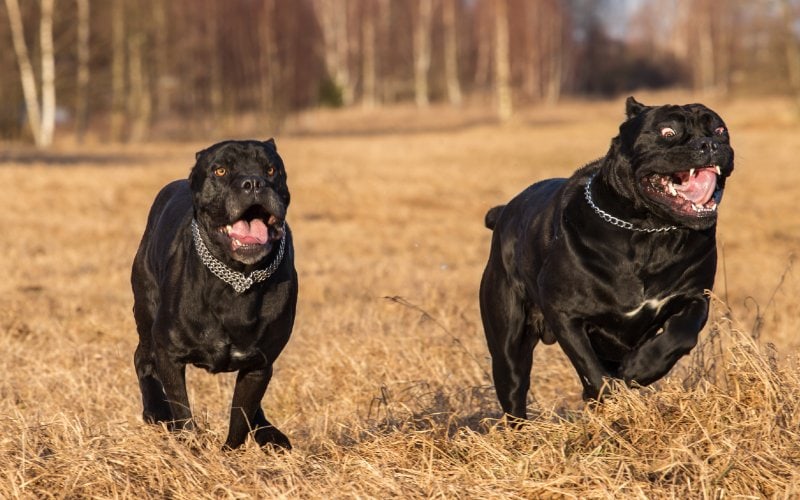
Cane Corso Overview
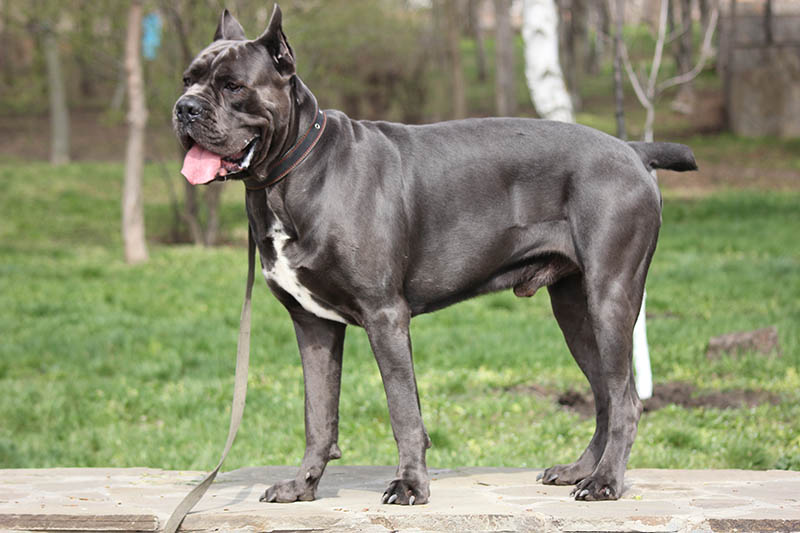
Despite their intimidating appearance, these big beasts are sensitive, serious, highly intelligent, and incredibly loyal. All these traits make them appealing to people who want to develop a special bond with their dogs. You won't get that kind of relationship with all breeds, which is what makes the Cane Corso so unique.
The downside is this dog’s potential to be dominant over a shy, less assertive dog owner. This is why Corsi is best suited for experienced handlers, those with solid canine leadership abilities. It’s not that Corsi will become overly dangerous without a strong owner, but they will start making decisions on their own if no one is showing them the way, which is when problems can arise.
Personality
Cani Corsi are confident, devoted, protective, reserved, and serious dogs. Any potential owner should carefully consider this combination of traits before making their decision. These large dogs will be gentle and affectionate in the right hands, but if the pet parent is inexperienced or unkind, Corsi can become dominant, even aggressive.
Also, they don't wear their heart on their sleeve: They are laid back and calm and don't usually exuberantly show their affection. But Corsi are absolutely devoted to their human family and will love you to the core. They just don't show it the way that Goldies or Labs do.
Exercise
Agility training, nose games, dock diving, and similar activities are great for keeping these working dogs occupied and mentally stimulated. In fact, daily mental stimulation is mandatory for this breed; basically, they need a job to do. It will drain their energy far more than a walk around the block.
However, if you're looking for a playful pup that will obediently retrieve the ball and play with their toys for hours on their own, you might want to consider another breed. Corsi aren't as toy-oriented as some other breeds, and most are simply not interested in retrieving.
Training
It is imperative to train and socialize Cani Corsi from an early age to ensure that their dominant nature does not turn into aggression toward other pets and people. Indeed, their future behavior will largely depend on the care and training that they receive during puppyhood.
Be sure to use gentle but firm encouragement rather than angry yelling and punishment. Positive reinforcement and praise are essential for properly training these sensitive and intelligent dogs.

Health & Care
Corsi are generally hardy, but they are prone to the same health issues typically found in large breeds, such as:
- Obesity
- Hip dysplasia
- Epilepsy
- Skin diseases
- Eye infections
- Bloat and gastric dilatation volvulus
Grooming
The short, double-coated coat of the Cane Corso does not require much maintenance. Regular brushing (about once a week) with a medium-bristle brush is usually enough to remove dead hair and keep the coat shiny. However, you can increase the frequency of brushing during the shedding season in the spring. Trim their nails regularly to avoid sore paws during vigorous exercise and daily walks.
Suitable for:
Calm, confident, patient, and assertive are the qualities that you must have to be a Cane Corso parent. Don't be fooled by their too-cute-to-be-true puppy phase: They will grow into assertive and powerful dominant dogs. By being a positive pack leader and training them properly throughout their life, you will get an exceptional companion for the whole family.
Be sure to supervise your Cane Corso when they’re interacting with toddlers, as they can easily knock over small children due to their massive size.

Rottweiler Overview
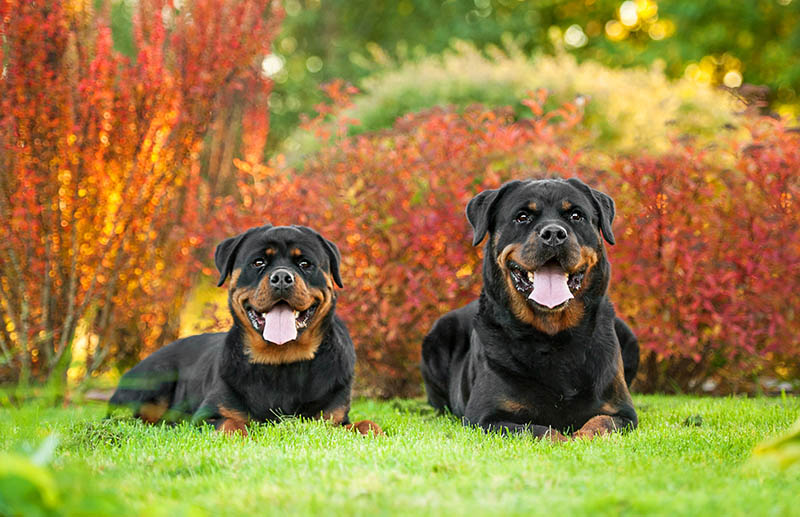
Rottweilers, also affectionately known as Rotties, can be as rambunctious as they are reserved. They are magnificent creatures with tender eyes and are overflowing with love for their owners. When well-trained and socialized from an early age, they will be gentle and protective of their family, while still repelling intruders with their imposing presence. However, they can develop aggressive behaviors and be overly territorial if their education is left in inexperienced hands.
If you choose to become a proud Rottweiler parent, be sure to first check if it is legal to own such a dog where you live. It is forbidden to own a Rottweiler in certain cities in the U.S.A. due to breed-specific legislation.
Personality
Most Rottweilers are big love balls that adore spending time with their favorite humans. They can be stubborn at times, but they usually have a strong desire to please, which makes their training easier. They are fearless but gentle creatures that will interact positively with strangers and other pets when socialized early. Good training and early socialization are essential for your Rottie to grow into a well-balanced, non-aggressive dog.
Exercise
Keep your Rottie fit and healthy by doing fun activities with them, like hiking, swimming, tracking, agility classes, and obedience training. You must exercise these wonderful dogs on a daily basis to ensure that they do not become overweight, bored, or depressed.
Training
Rottweilers are remarkably intelligent and learn new commands quickly. They like to please their people, but they can also be willful and stubborn. Puppy socialization and basic training classes should begin early to prevent behavioral problems. As the owner of a Rottie, you must devote all the time and energy necessary for them to grow up as balanced, healthy dogs. Be a positive, firm, fair, and consistent leader at all times.

Health & Care
Sadly, Rottweilers can have several serious health issues that may require lifelong management. Work alongside your veterinarian to get an early diagnosis of any health problems and to ensure that your Rottie receives the proper treatments.
- Hip dysplasia
- Cranial cruciate ligament rupture
- Bone cancer
- Bloat and gastric dilatation volvulus
- Heart disease
Grooming
The coat of the Rottweiler is straight, coarse, and of medium length. A weekly bath followed by a good brushing session will keep their coat healthy and shiny while reducing the amount of loose hair and dander throughout your home!

Suitable for:
With early training and socialization, Rottweilers make excellent family and guard dogs. However, experienced dog owners will more easily recognize problematic behaviors that some Rotties may exhibit and know how to act accordingly.
While owning any type of pet comes with responsibilities, they’re even more important for large, protective breeds like Rottweilers. As the potential owner of such a powerful dog, you must know how to care for and control a pet that will be stronger than most people.

Which Breed Is Right for You?
Both Rottweilers and Cani Corsi dogs are loyal, confident, protective, and fiercely devoted to their families. They need an experienced owner who is calm, firm, and dedicated to giving them the best education possible so they don't develop problematic behaviors. In this sense, daily exercise and mental stimulation are essential tools to incorporate into their training throughout their lives.
However, Rottweilers tend to be a bit more demonstrative and affectionate toward their owners, while Corsi are more serious and sensitive. But keep in mind that every dog is different, and this physical description is no guarantee of the puppy's personality. Living conditions, training, and early socialization are key factors in the development of their temperament.
That said, they are different breeds for different needs. Think about your lifestyle and whether it suits the needs of your future dog and vice versa. This way, you will end up with a loving, well-rounded, extremely loyal, and cheerful companion to cherish for many years to come. Whether it's a Corso or a Rottie is up to you.
If you'd like to adopt either of these amazing breeds, here are two rescue centers dedicated to each: Cane Corso Rescue and Rottweiler Rescue Foundation.
See also:
Sources
Featured Image Credit: (L) Phillip van Zyl, Shutterstock | (R) Babeshkin, Shutterstock
Get Hepper In Your Inbox


Pet care tips from our vets and experts, straight to your inbox.
You may opt-out at any time. View our Privacy Policy for more information.

Genevieve, a biologist and science writer, who harbors a profound affection for capuchin monkeys, pumas, and kangaroos. This passion has led her to travel extensively, volunteering and working at wildlife rehabilitation centers in Bolivia, Guatemala, Canada, and Australia. Now residing in Argentina as a Canadian expat, Genevieve enjoys the view of horses and cows greeting her from the vast plains outside her home office window. She proudly cares for three rescued dogs—Lemmy, Nala, and Pochi—and a playful kitten named Furiosa. Sharing her extensive knowledge and love for animals brings her immense joy and fulfillment.
Join the conversation
Ask a question, share your story, or send private feedback.