Hepper is reader-supported. When you buy via links on our site, we may earn an affiliate commission at no cost to you. Learn more.
Rottweiler vs. Mastiff: Key Differences (With Pictures)

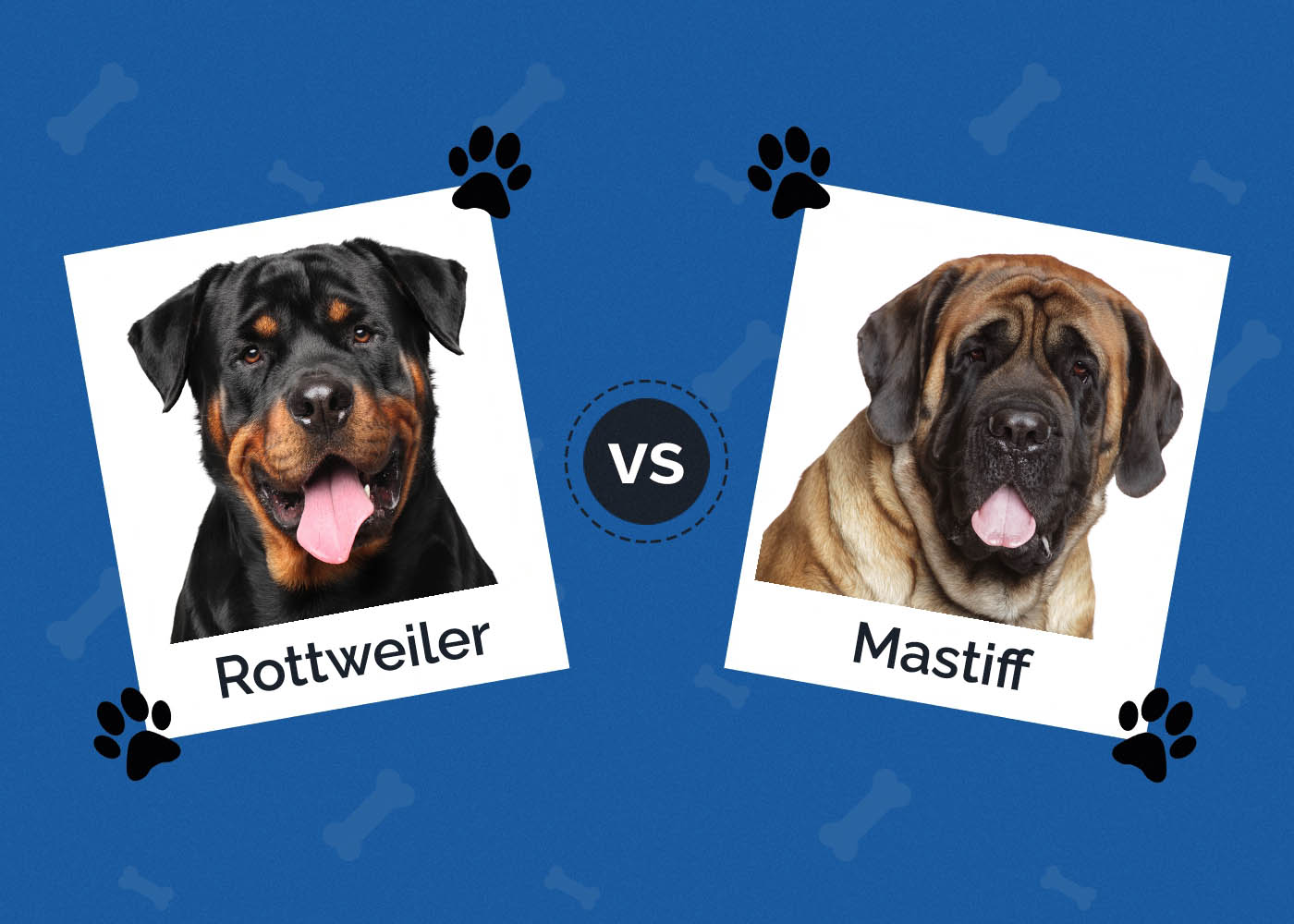
Rottweilers and Mastiffs make wonderful companions, but they have stunningly different personalities and needs, making them best suited for different environments. Rottweilers are gorgeous, muscular dogs that were bred to protect and defend. Although Mastiffs may or may not be related to Roman war dogs, the modern breed is known for being extremely patient and gentle.
Rottweilers require more intense exercise than Mastiffs, but neither breed has outsized physical activity needs. Rottweilers are incredibly powerful and often protective by nature. While incredibly smart, they often do best with experienced dog owners, as training can be difficult. Rottweilers are not always great choices for homes with children or other pets. Due to their size, Mastiffs are expensive to maintain, and there are extra costs associated with purchasing oversized items such as giant doggy beds.

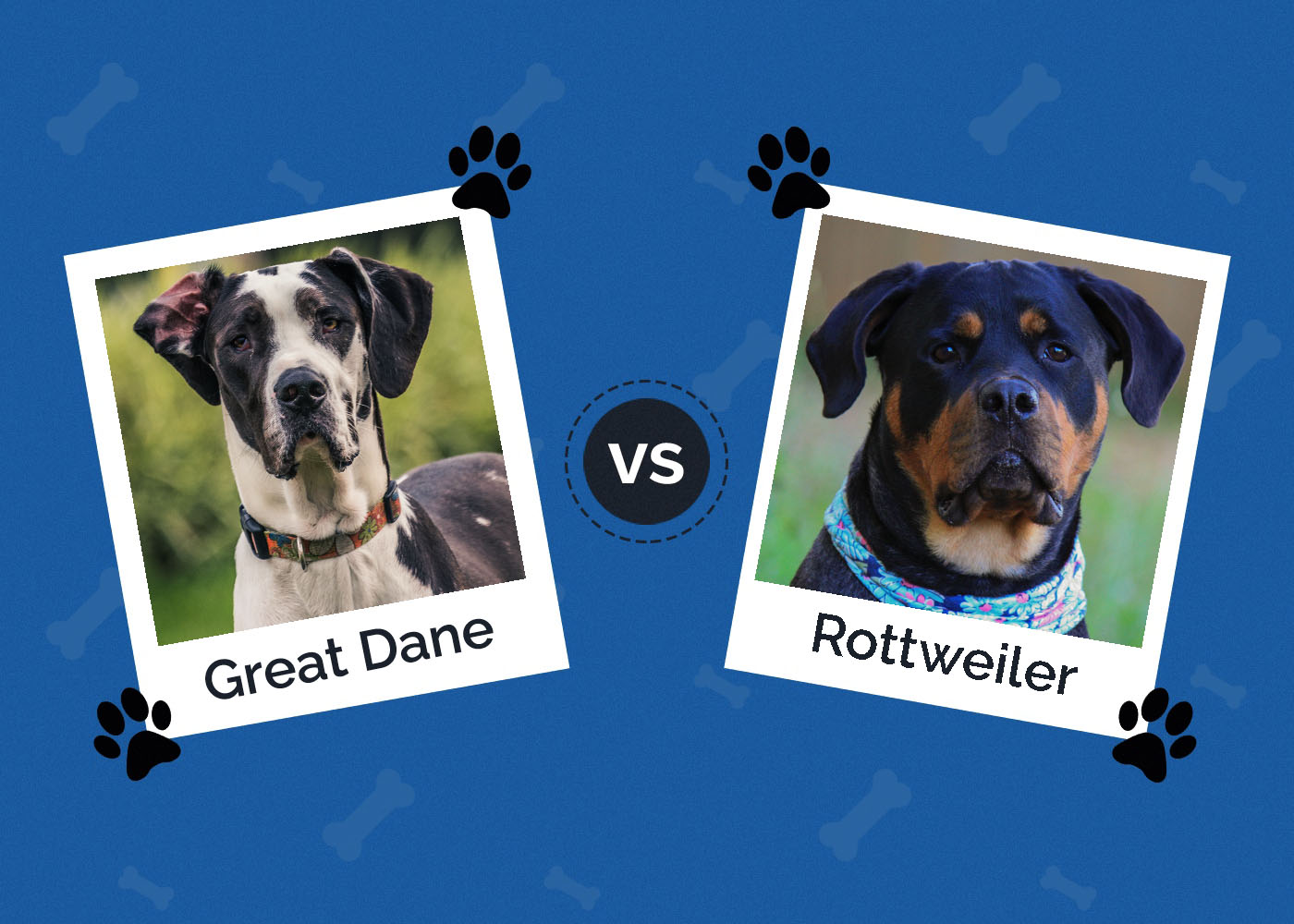
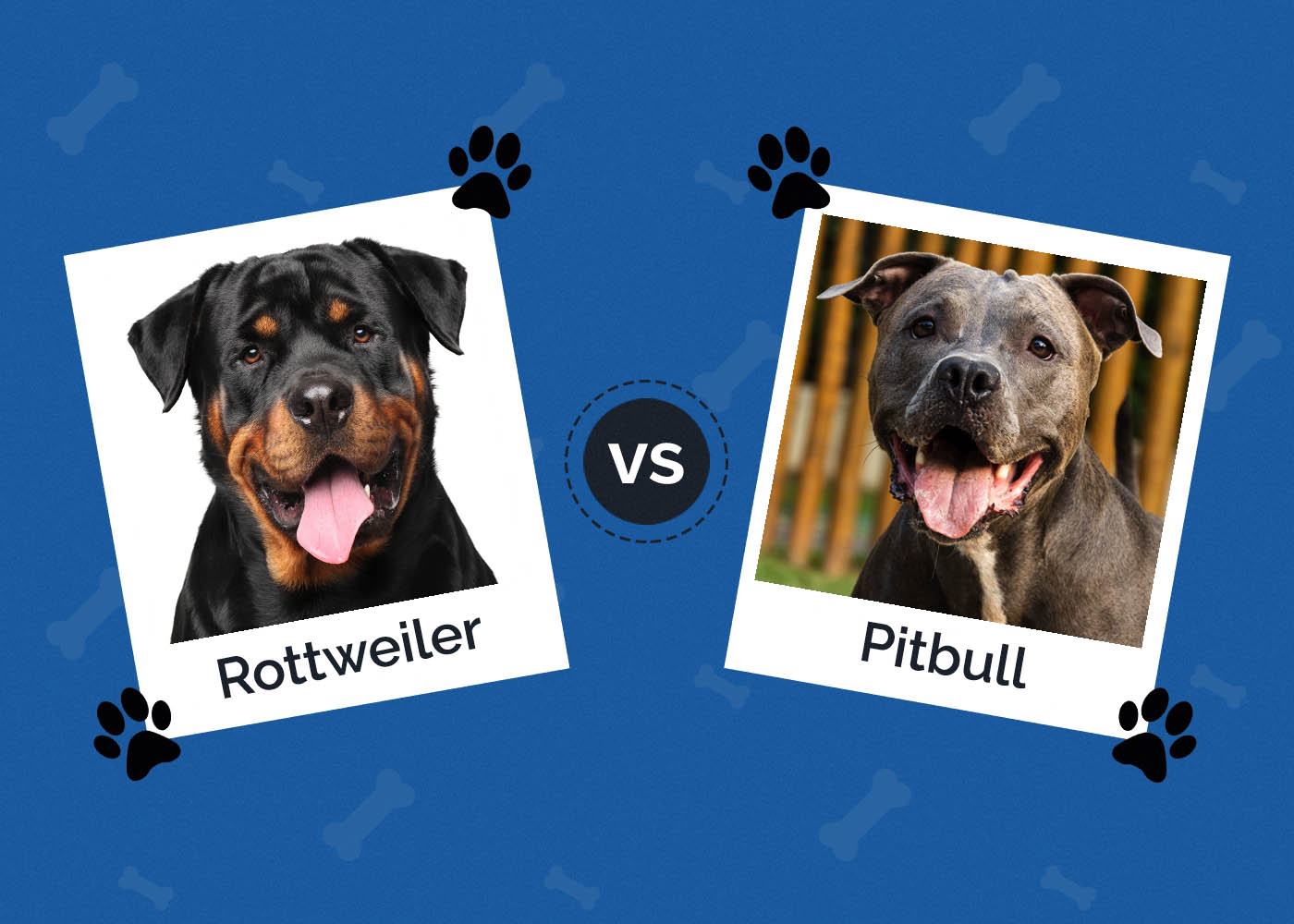
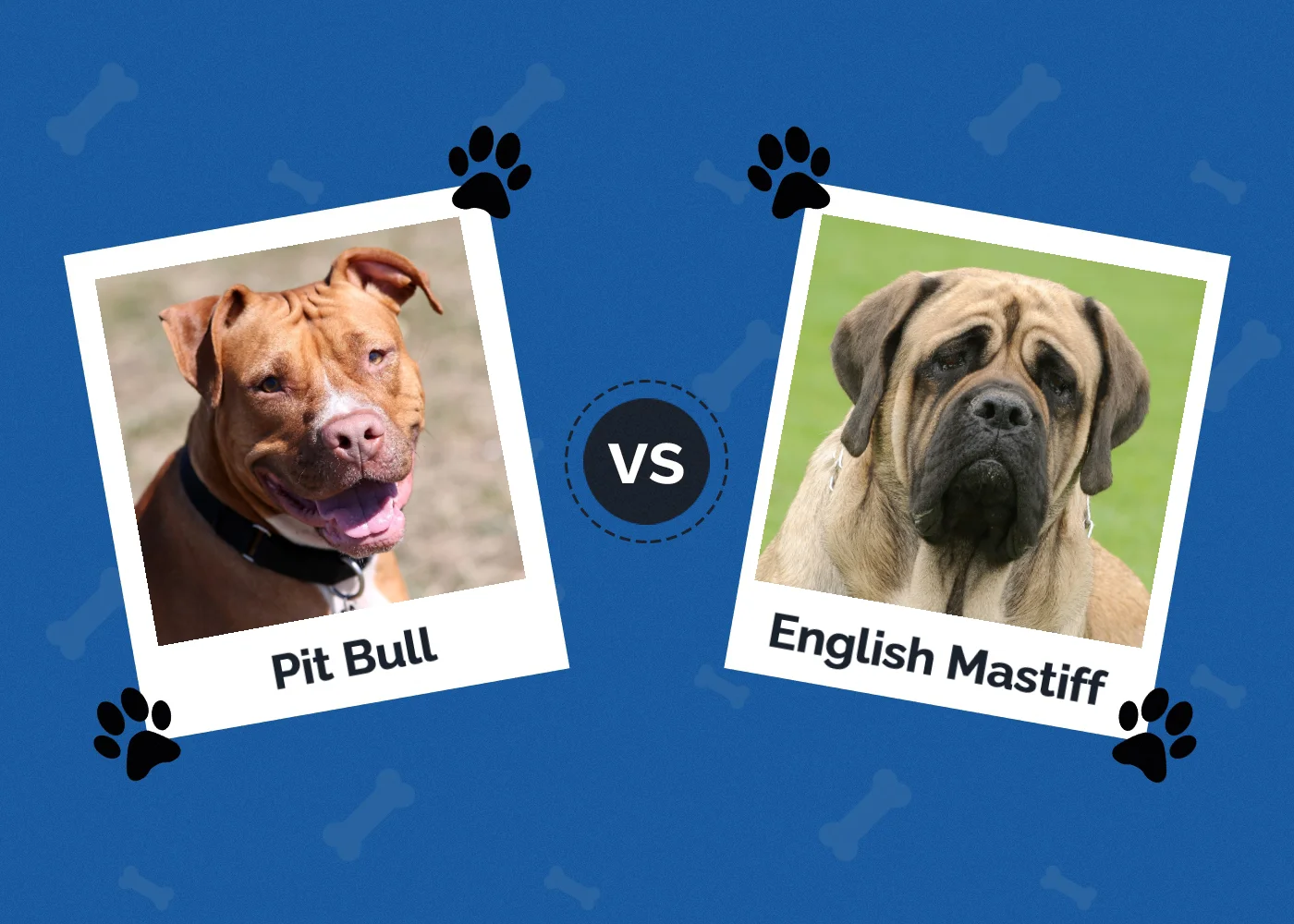
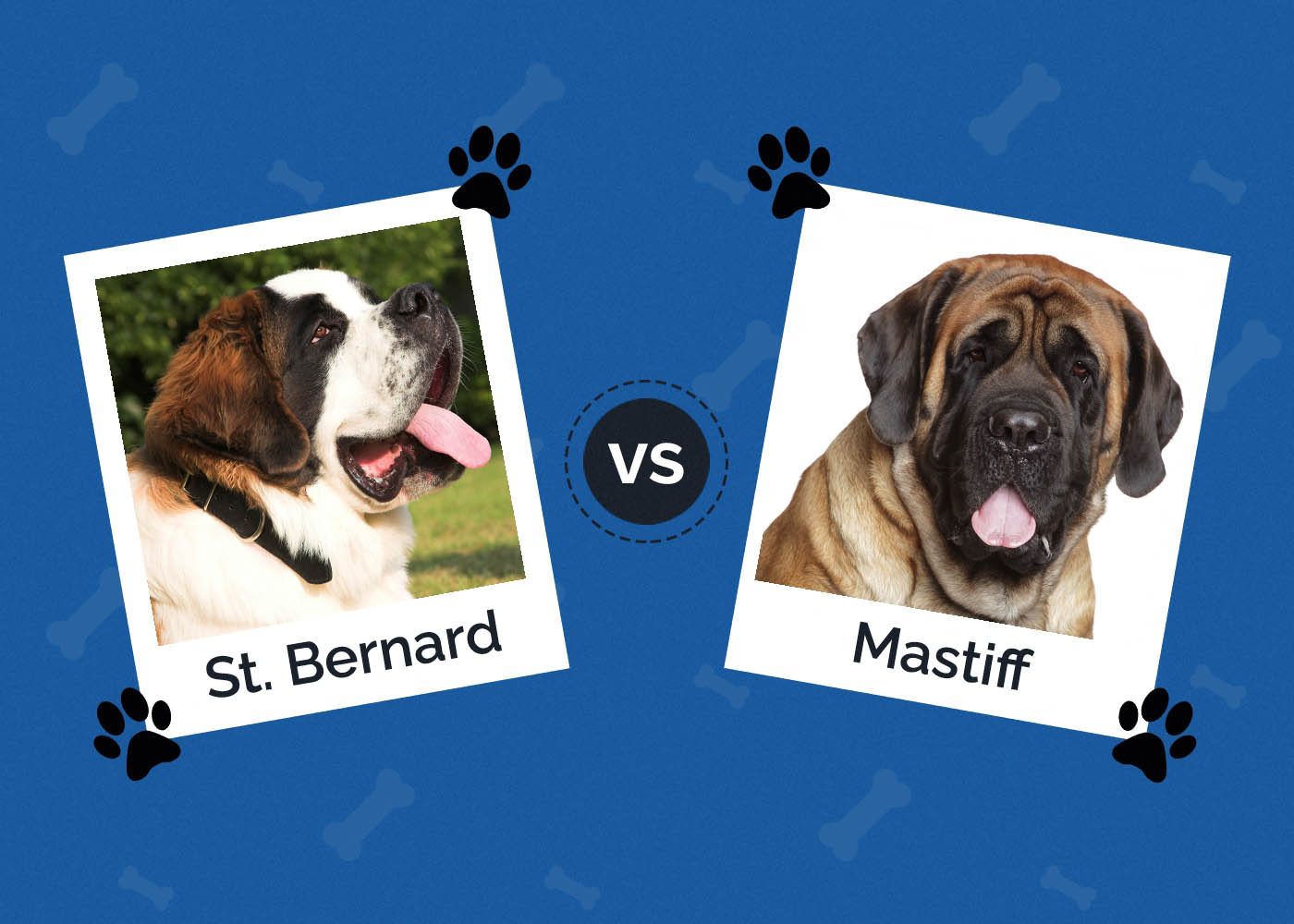
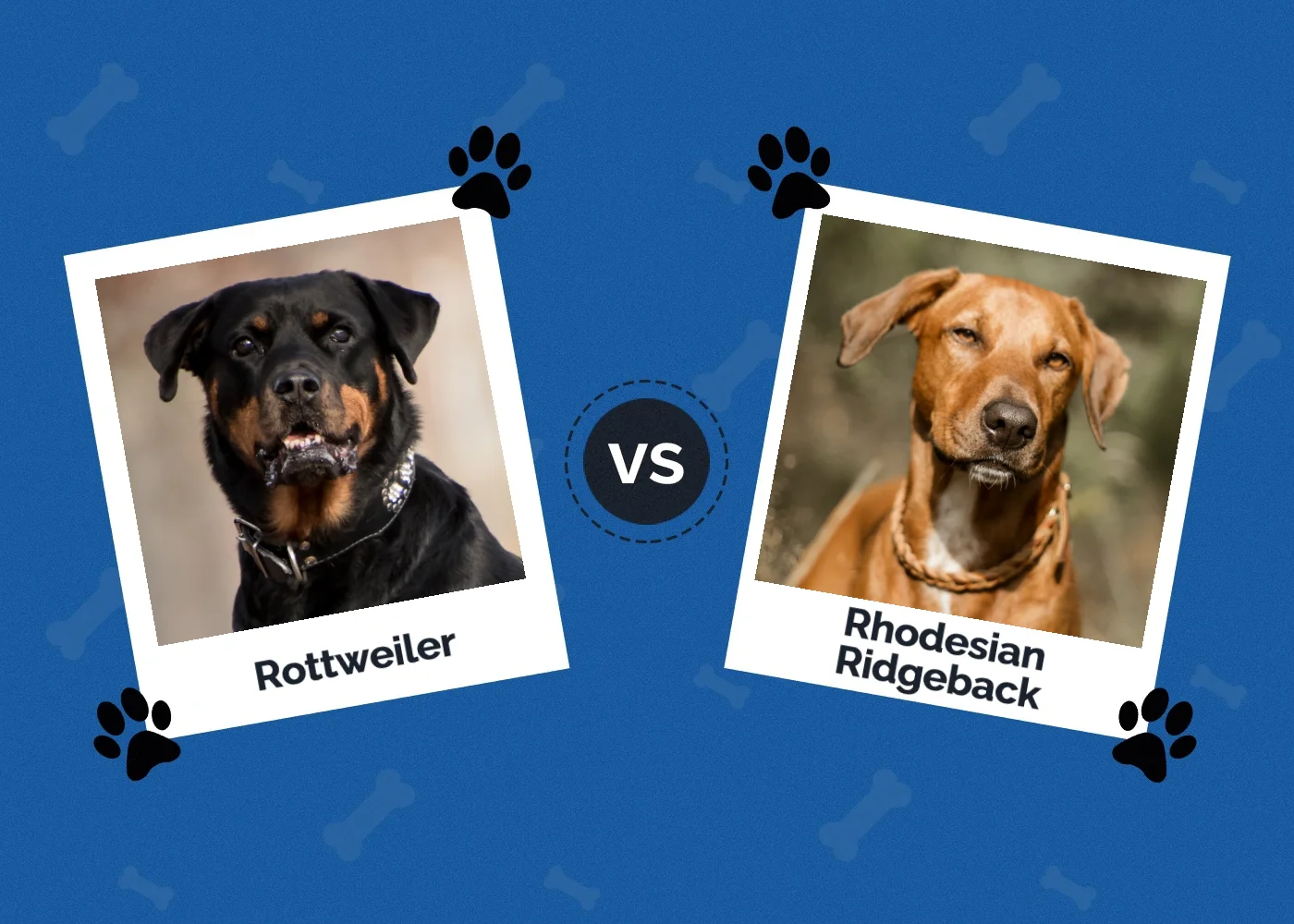
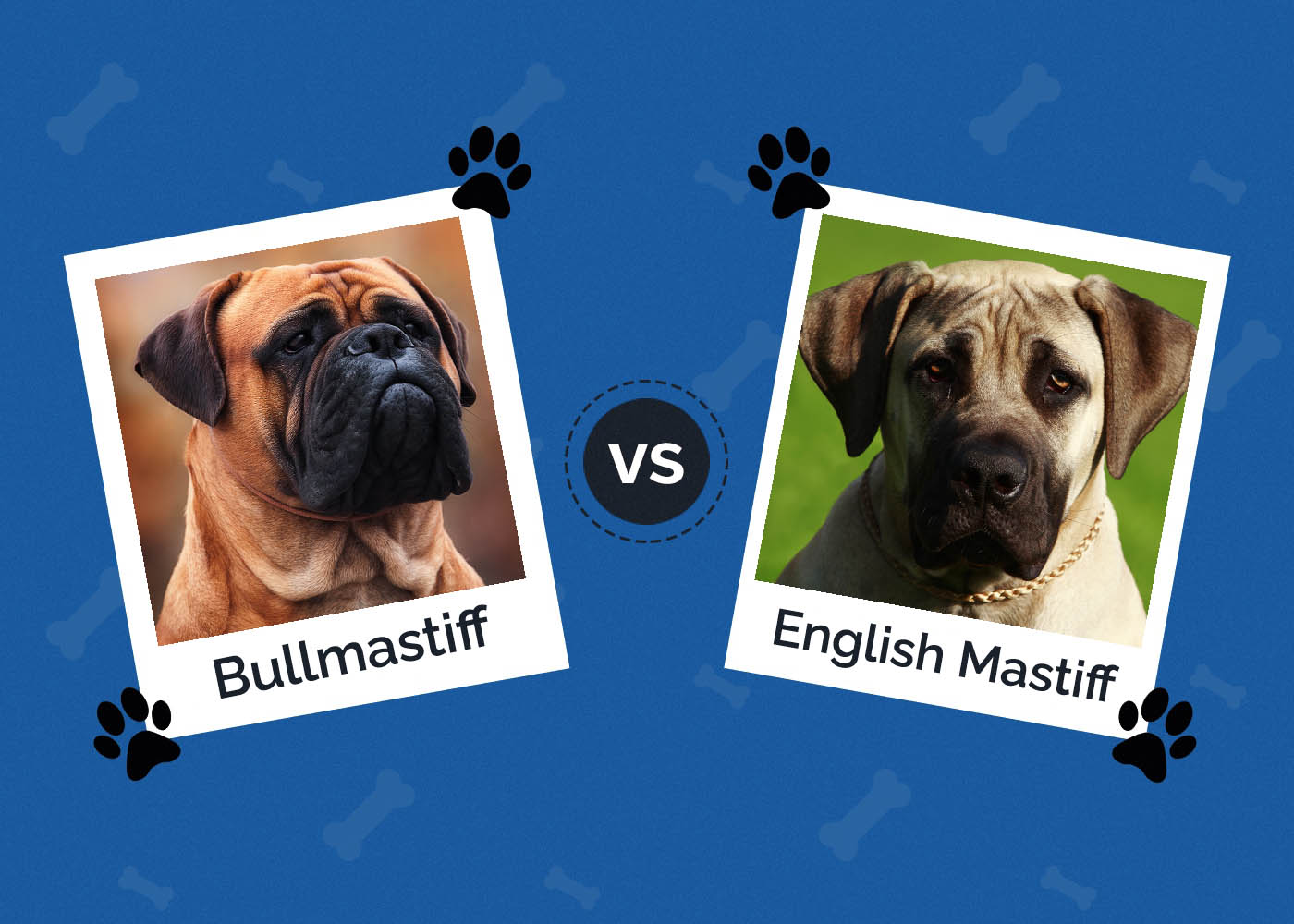
Visual Differences
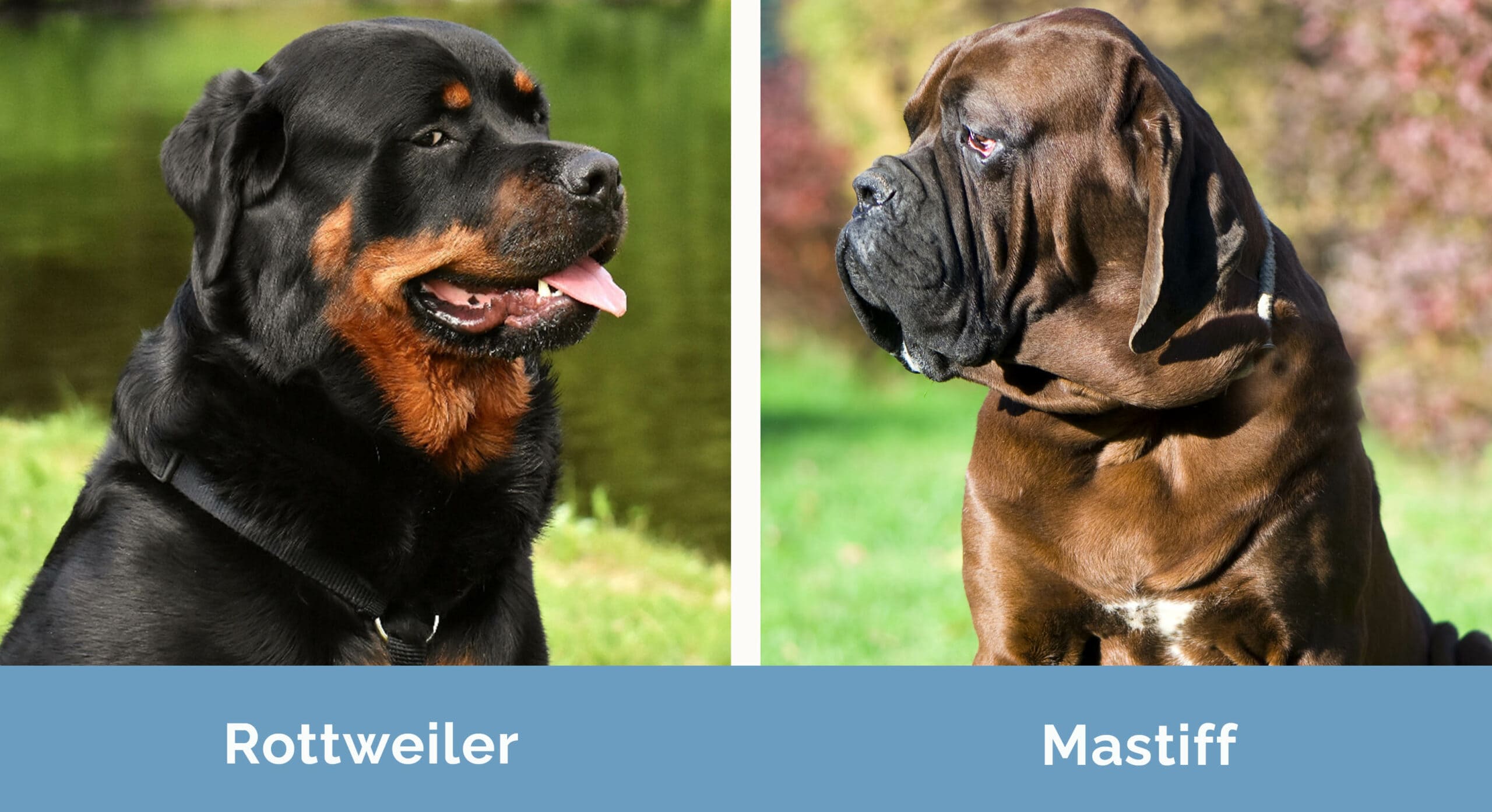
At a Glance
Rottweiler Overview

Rottweilers are powerful dogs with chiseled muscles and gorgeous dark coats. They’re intelligent and among some of the smartest dogs in the world. Like many intelligent dogs, they can be challenging to train. And because they’re so large and powerful, solid training is a must.
Personality / Character
Rottweilers are often devoted and loving. Many behave with absolute tenderness towards those considered members of their canine-inner circle. Well-socialized dogs are relaxed and laid back when hanging out at home. However, Rottweilers can be protective and reactive if not well-socialized as puppies.
Exercise
Rottweilers need around 40 minutes to 1 hour of daily physical activity. Most are okay with two solid daily walks and more intense playtime. Rottweilers often enjoy activities involving problem-solving and reaching goals. Many do well in agility and obedience competitions.
Training

Solid early training is an absolute must when it comes to Rottweilers. These mighty dogs thrive when given clear guidance regarding behavioral expectations. Puppies can begin working on basic commands as early as 8 months old. Stick with positive, loving, reward-based training, as studies indicate that aversive methods often increase anxiety in dogs, which can lead to fear-based aggression.
Suitable for:
Rottweilers are gorgeous medium-large dogs with muscles that go on for days and sleek dark fur. Although the breed has a negative reputation, well-trained and socialized Rottweilers are often devoted, relaxed, and loving. But because Rottweilers are so powerful, they’re best suited for experienced dog owners with the time to invest in training. Rottweilers typically do well in environments without temptations, such as small children and cats.
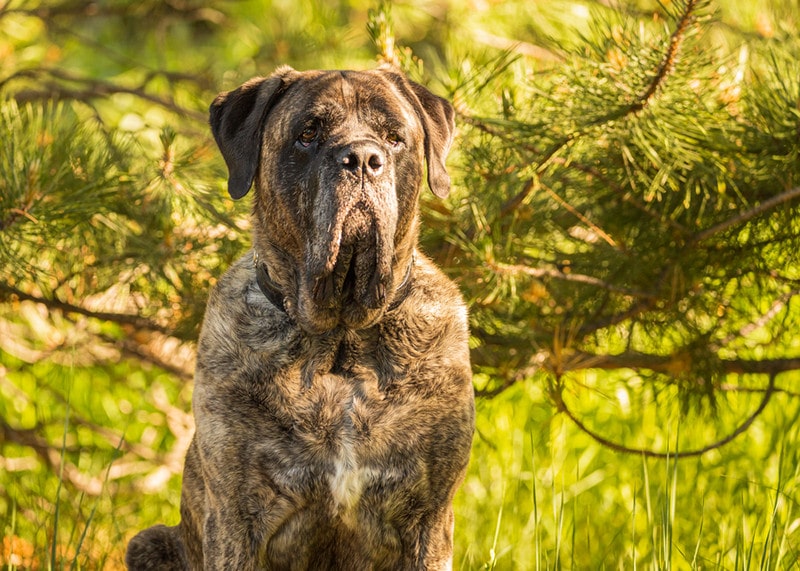
Mastiff Overview
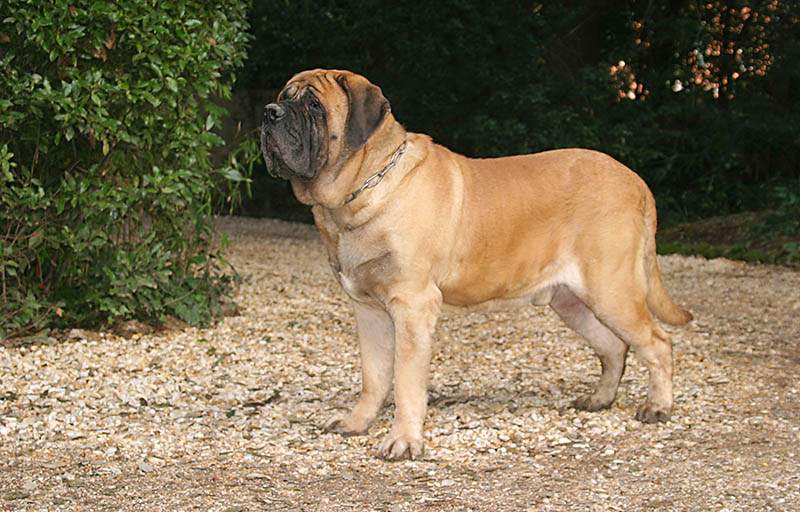
Mastiffs make wonderful companions if you have the space and resources to care for one of these regal dogs. They’re naturally laid-back and relaxed, so they’re often great around kids and other animals. While they don’t have many care needs, Mastiffs live relatively short lives.
Personality / Character
Mastiffs tend to be mellow and sweet. Although incredibly large, they’re usually content to spend time just hanging out with their favorite people. Most are gentle with children and often loving toward cats and other dogs. However, they require proper socialization to learn how to behave in various situations involving small people and scurrying cats.
Exercise
While Mastiffs are pretty large, they require less physical exercise than you might expect. Most are fine with around 1 hour of daily physical activity. Daily walks can provide most of their exercise since they are just too large to enjoy intense physical activities such as flyball games or running.
Massifs can suffer heat exhaustion if they spend too long outside exerting themselves in hot weather. Strenuous physical activity should be avoided when Mastiffs puppies are growing to protect their developing joints.
Training
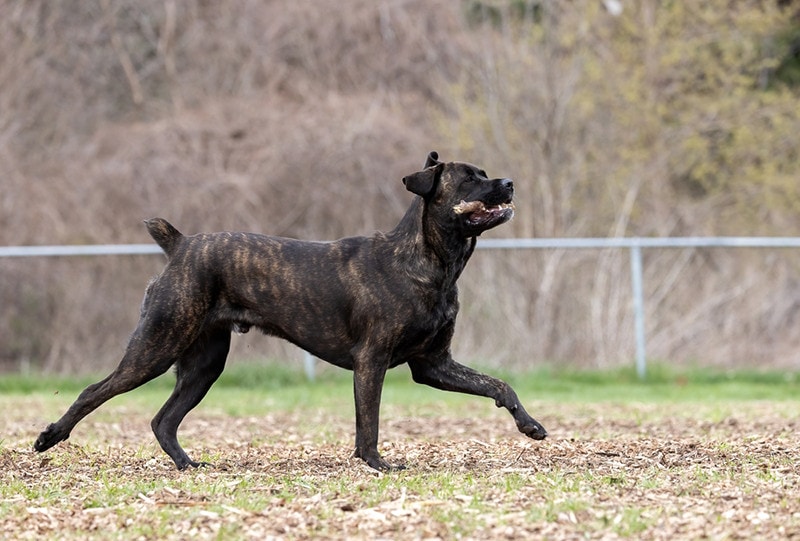
Training usually goes relatively smoothly with Mastiffs since they’re smart and eager to please. Most learn basic commands quickly and are incredibly easy to socialize. Because Massifs are so large, solid obedience training is critical to ensure everyone’s safety. Reward-based training usually leads to fantastic results as most Mastiffs respond positively to both treats and praise.
Suitable for:
Mastiffs are supersized loving dogs that can weigh more than 120 pounds and reach stunning heights. Because of their immense size, they do best in homes with sufficient space to lounge and maneuver easily. They are incredibly gentle and get along with children and other pets. They are more expensive to maintain than other dogs, so be prepared to spend a substantial amount of money on food alone.
Which Breed Is Right for You?
Rottweilers are gorgeous dogs with powerful bites and strong protective instincts. They are often wonderful with older children but can be assertive around smaller animals and other dogs. They usually do best with experienced dog owners as they can be stubborn if not exposed to regular, consistent training. Most require around 1 hour of daily physical activity. Many excel at activities such as agility and obedience competitions.
Massifs are great for those looking for a large, mellow, family-friendly canine companion. While they require a lot of space, their exercise and care needs are moderate. However, be prepared to spend a fair amount on basics such as food, as larger dogs are often far more expensive to feed and maintain. Massifs make wonderful family companions, and most behave with loving patience and warmth towards children and other animals.
Sources
Featured Image Credit: Jagodka, Shutterstock
Get Hepper In Your Inbox


Pet care tips from our vets and experts, straight to your inbox.
You may opt-out at any time. View our Privacy Policy for more information.
Lorre Luther a reformed lawyer from the United States, she moved to the Netherlands to follow her dream and become a writer. Currently living in Rotterdam, Lorre enjoys traveling and reveling in the astonishing beauty of our planet. As an animal lover, Lorre is convinced that cats are smarter than humans.
Join the conversation
Ask a question, share your story, or send private feedback.