Hepper is reader-supported. When you buy via links on our site, we may earn an affiliate commission at no cost to you. Learn more.
Sallander Rabbit: Facts, Care, Diet, Pictures & More
In this article
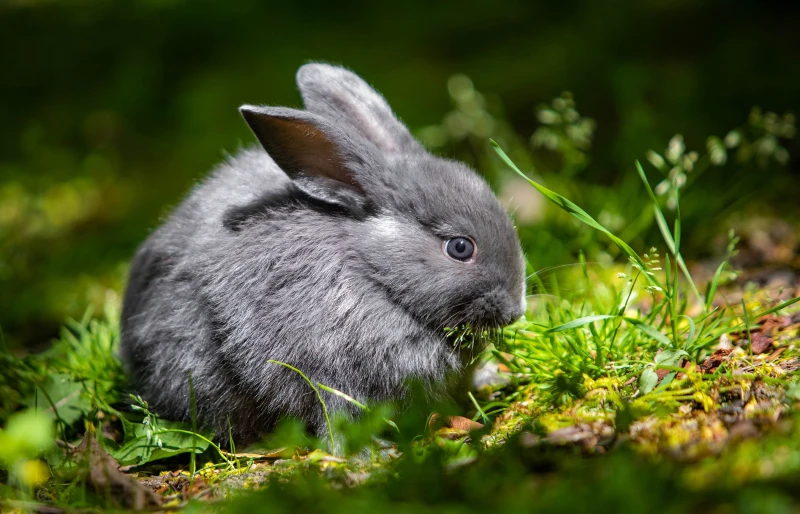
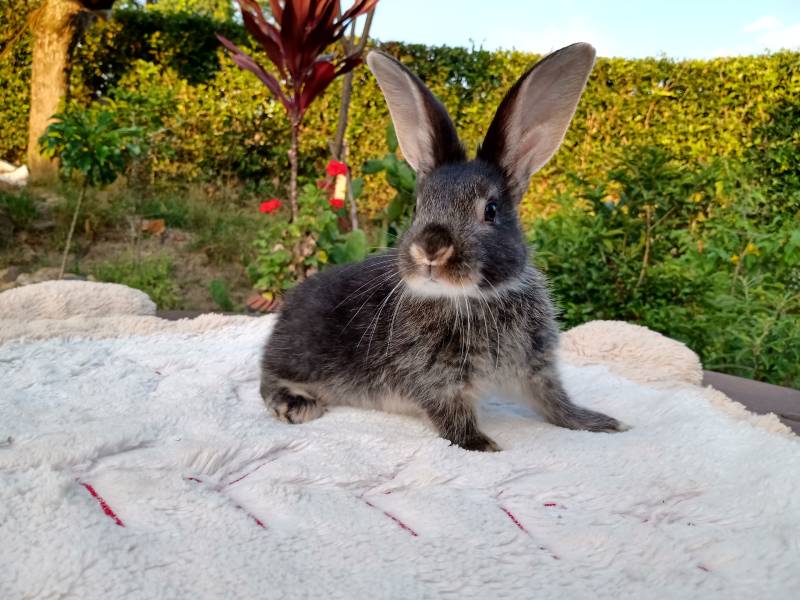
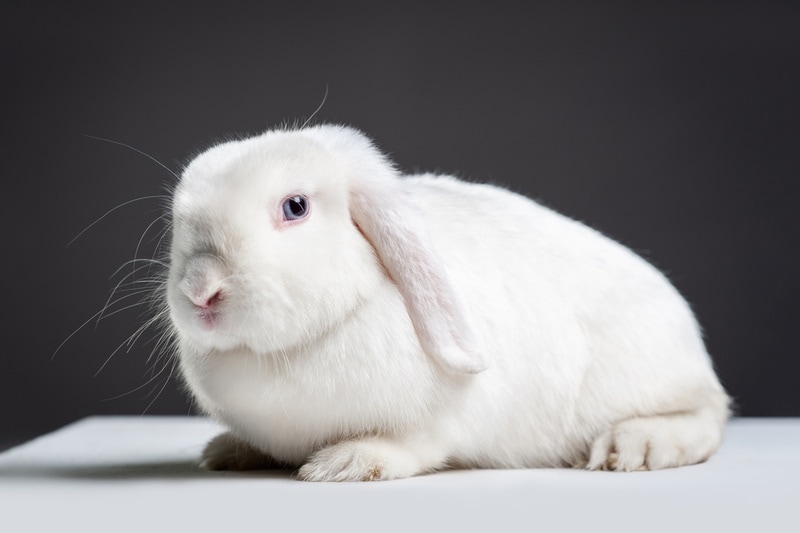
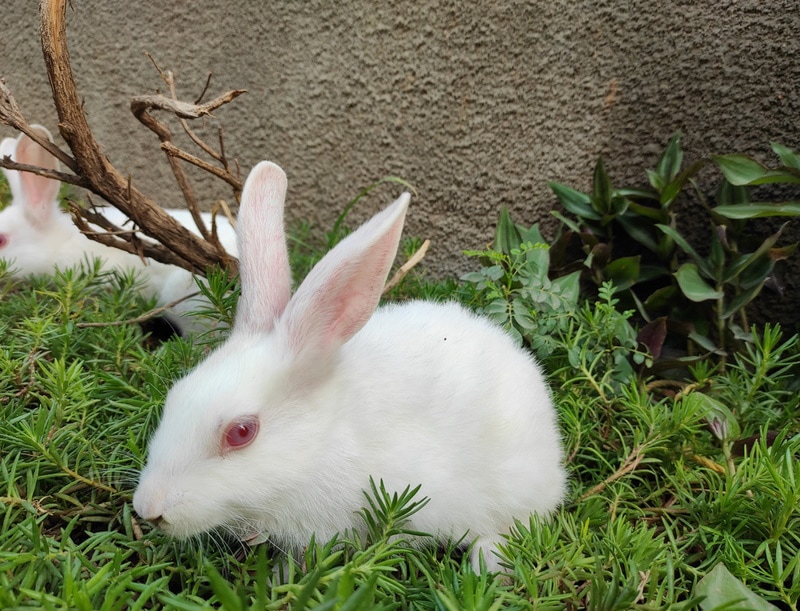
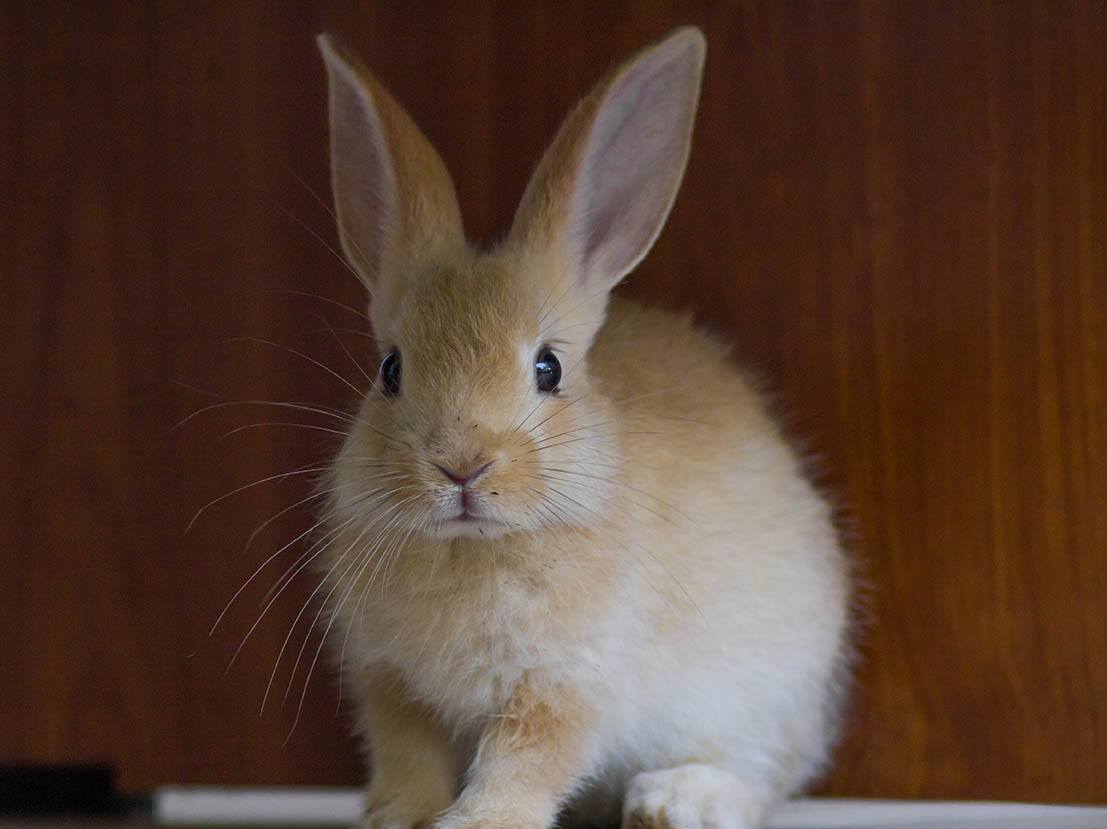
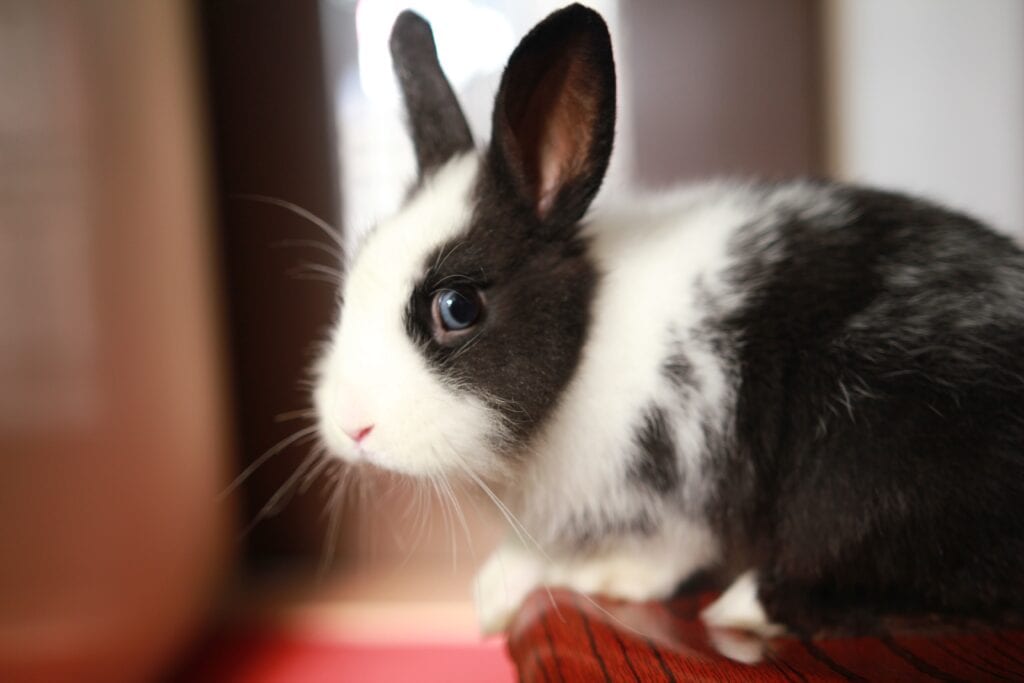
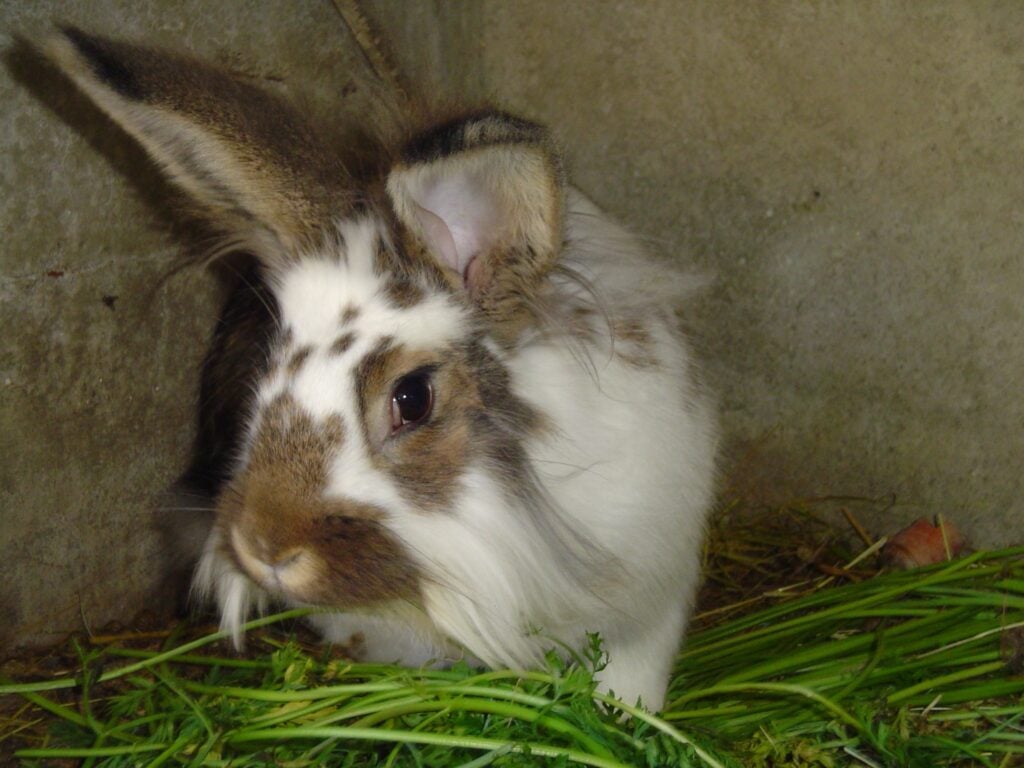
With its beautifully smudged coat appearance, the Sallander Rabbit is rarely seen outside its home country of the Netherlands and the UK. It is not recognized by the American Rabbit Breeders Association, although it is recognized in the UK and the Netherlands. The breed is known for being lively but also a little skittish but as long as it is handled regularly and appropriately from a young kit, it can become affectionate with its human family.
Because of the need for regular and careful handling, the breed is not considered the best for first-time rabbit owners but is a good breed for experienced handlers looking for something different.
| Size: | Medium |
| Weight: | Up to 10 pounds |
| Lifespan: | 7–10 years |
| Similar Breeds: | Chinchilla Rabbit |
| Suitable for: | Experienced rabbit owners that know how to handle skittish breeds |
| Temperament: | Lively, energetic, somewhat skittish |
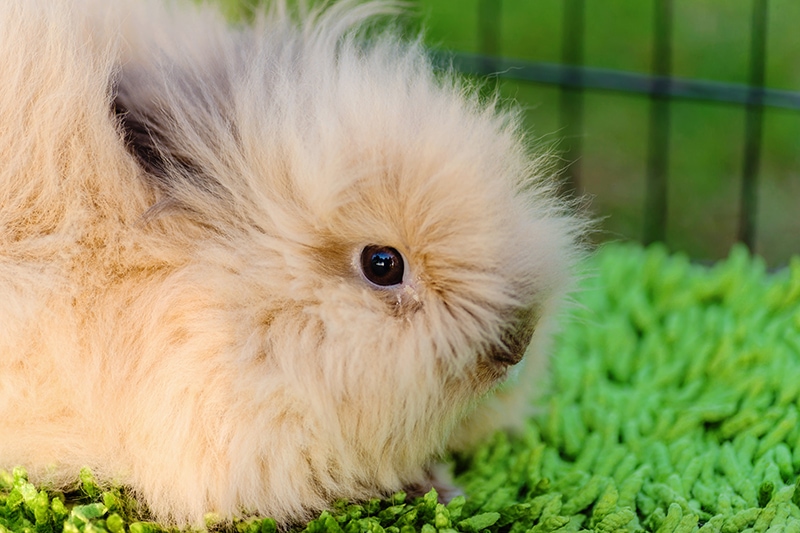
The Sallander is a rare breed, especially outside the Netherlands and the UK. It is not considered a good breed for first-time owners and inexperienced handlers because it can be skittish. If not handled properly and regularly, it will not tolerate being handled by humans, but with regular and careful handling it can be affectionate with its humans. Although the breed is not that common, its beautiful gray coat coloring is becoming increasingly popular and it is being bred with other rabbits including the Lionhead to benefit from the coat.
Sallander Rabbit Breed Characteristics

How Much Do These Rabbits Cost?
It's very difficult to find Sallander Rabbits outside the Netherlands and the UK, and even in these countries, it is a rare rabbit breed. In the U.S., if you can find a breeder, you should expect to pay $200 or more, potentially as much as $1,000. This cost comes even though the American Rabbit Breeders Association does not formally recognize the breed.
As well as the initial cost of buying the rabbit, you should consider all other associated costs. The rabbit will need a decent hutch or cage, as well as an area where it can exercise or a secure run in which it can burn off energy and get exercise. It will need hay, food, and greens regularly, and other additional costs include chew toys, bedding, and, if you intend to potty train your rabbit, the cost of a litter tray and litter. It can cost $200 or more to have a young rabbit neutered, which is another additional cost to factor in.
Temperament & Intelligence of the Sallander Rabbit
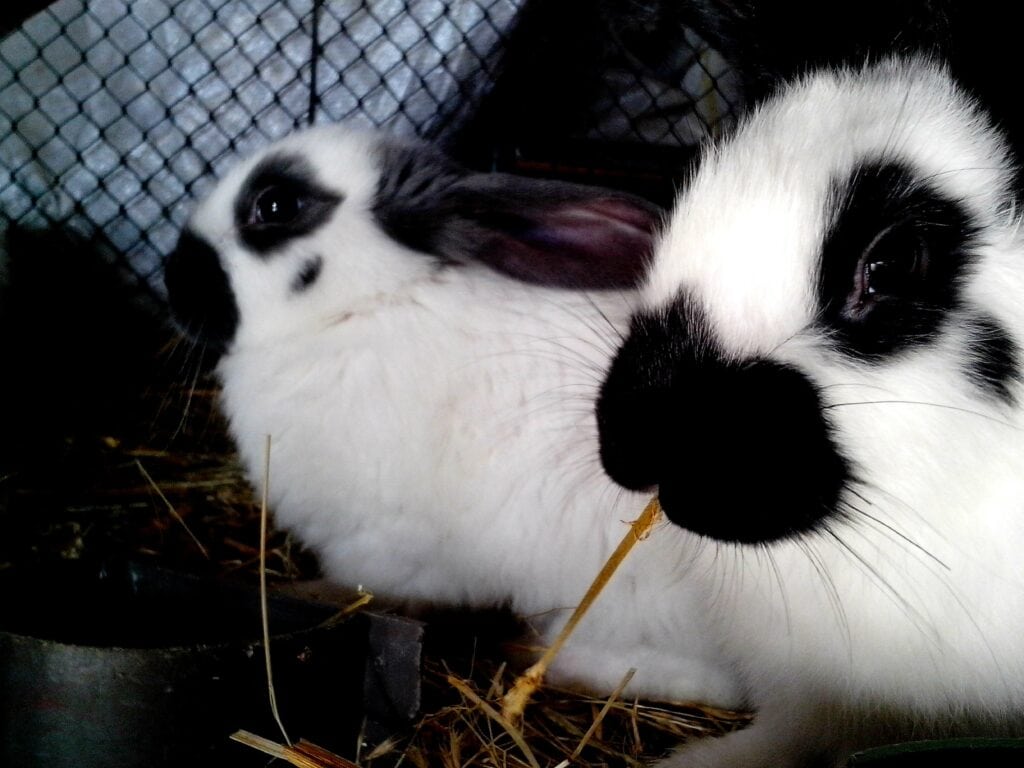
The Sallander Rabbit is not generally considered the best pet breed because it is skittish and nervous. It is a shy rabbit that, given the chance, would prefer to be left alone.
Do These Rabbits Make Good Pets? 👪
Its shy and nervous nature means that the Sallander Rabbit is not considered a good pet breed, especially not for first-time owners. It requires regular handling from a young age to ensure that it grows up comfortable being picked up and handled, and owners need to handle it carefully. Any negative experience while being handled can set the relationship back. However, handlers that are looking for a unique breed and have some experience with skittish rabbit breeds may consider it an unusual and good choice of rabbit breed.
Does This Rabbit Get Along with Other Pets?
Like most rabbits, the Sallander is sociable with its own kind. It will prefer to be kept with other rabbits and keeping one alone can lead to the rabbit becoming depressed and ill. This is especially true of the Sallander because it may not take well to human handling, which can result in it spending a lot of time alone and with no contact. The nervous Sallander will not usually get along well with other pets in the house and may feel threatened by cats, dogs, and other animals.

Things to Know When Owning a Sallander Rabbit
The Sallander can be a challenging rabbit breed that requires lots of careful and sympathetic handling from a young age to become a good pet. It won’t normally do well with other animals but does benefit from being kept with at least one other rabbit. It is described as being best for experienced handlers and not an ideal rabbit for novice keepers.
Food & Diet Requirements 🥕
Generally speaking, hay or grass should constitute approximately 75% to 80% of a rabbit’s diet. As well as providing fiber and essential vitamins and minerals, hay needs to be ground and chewed, which helps maintain good dental health and prevents the need to have teeth ground down by the vet. You should also provide a good-quality pellet or rabbit food nugget and supplement this combination of pellet and hay with fresh leafy greens, every day. You should always provide access to fresh water, typically in a bottle, although you can use a bowl.
Habitat & Hutch Requirements 🏠
Generally, rabbits need a hutch that is four times the length of the rabbit, but they will benefit from being given even more space than this. The hutch should have a secluded area where the rabbit can sleep, and if the hutch doesn’t have a separate run, you will need to either provide a secure run or let the rabbit have the run of a rabbit-proof house or rabbit-proof area.
Exercise & Sleeping Needs 🐇
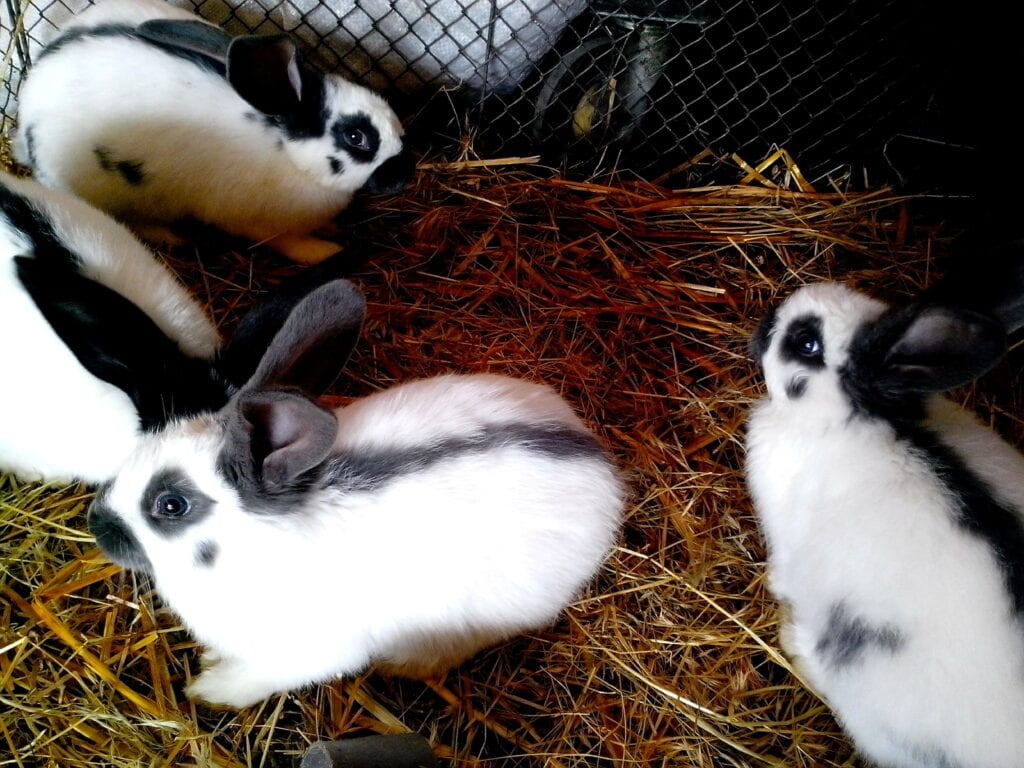
Provide a secluded area within the cage where your rabbit can sleep. The Sallander is a nervous breed, which means that it will struggle to sleep in a public area. When it comes to exercise, your Sallander will need to be given time out of the cage or in a secure run. Rabbits that do not get enough daily exercise can become depressed and ill. They can also suffer weight problems. Provide at least 2 hours and ideally up to 4 hours a day out of the cage to ensure that they get enough exercise.
Training 🥎
Rabbits can be trained, at the very least, to use a litter tray. Potty training enables your rabbit to keep a clean hutch. Most rabbits are very clean animals and even if you don’t train them, they will usually go to the toilet in the same area in their hutch. You can use this to help potty train your pet. Watch where your Sallander Rabbit poops most often and place a shallow litter tray in this area. You should find that the rabbit continues to poop in the same spot, which means that it will be pooping in the tray.
If they move and start going somewhere else, move the litter tray to the new spot, and keep this up. If you struggle to get your rabbit to poop in the tray initially, try with a piece of paper in the spot it uses most often. Let it get used to the paper and then put down a litter tray with a piece of paper in it but no litter. After a week or so, add a little litter and keep adding a little more until the paper is covered. Then, you can stop adding the paper.
Grooming ✂️
The Sallander has a very soft coat and grooming is a pleasure for most owners. Like all rabbits, the Sallander will benefit from regular grooming, and this also gives you a chance to enhance the bond between the two of you. Brush at least two or three times a week. Not only does this help keep the rabbit’s coat looking its best but it prevents it from ingesting too much of its own fur.
Lifespan and Health Conditions 🏥
The Sallander can live up to 10 years, with a typical lifespan being between 6 and 8 years. Rabbits, in general, are delicate animals, and this is especially true of breeds like the Sallander. Avoid extreme temperatures and try to keep the temperature in and around their hutch at a reasonably constant level. Ensure your rabbit gets the appropriate vaccinations and that you get it treated for worms and fleas regularly.
Male vs Female
Generally, male rabbits are easier to care for and are considered to make better pets than females, which can be more skittish and moody. Females are also known to be more destructive than males. However, this isn’t true of all rabbits, and the individual’s character, as well as the rabbit’s history, will play more of a role in determining its traits than the gender of the rabbit.
The 3 Little-Known Facts About Sallander Rabbits
1. They Are Rare Outside the Netherlands and the UK
The Sallander was first bred by crossing the Thuringer and Chinchilla Rabbit breeds, by a rabbit judge in the Netherlands. The breed was first recognized in its country of birth in 1975. It was then exported to the UK in the 1990s but is only very rarely seen outside these two countries, despite it having a beautiful coat.
2. They Aren’t Recognized by the ARBA
The breed is officially recognized in the Netherlands and the UK but is not recognized by the American Rabbit Breeders’ Association. Despite this, and because of its rarity, the Sallander can prove a very expensive rabbit to purchase with some breeders asking as much as $1,000 for one rabbit.
3. Sallanders Are Not Ideal for First-Time Owners
One of the reasons that the breed has not proven popular outside the Netherlands is that it is not considered a great pet breed. It is nervous, shy, and skittish, and it takes a lot of careful handling from a kid to ensure that the Sallander will even tolerate being handled. With that said some owners do report that their Sallanders enjoy affection and attention, having had this regular handling.
Final Thoughts
The Sallander Rabbit is considered a rare breed and is especially rare outside the Netherlands and the UK. It is not officially recognized by the American Rabbit Breeders Association and most experts agree that it is not a suitable breed for first-time or novice handlers. If you're lucky enough to find a breeder and are willing to part with the $200 or more that one costs, you will need to provide a lot of careful handling from a young age to ensure that the breed will tolerate or potentially enjoy being picked up and given attention when it does become an adult.
Related Read: Silver Marten Rabbit: Facts, Care Guide, Pictures & More
Sources
Featured Image Credit: Jumpstory
Get Hepper In Your Inbox


Pet care tips from our vets and experts, straight to your inbox.
You may opt-out at any time. View our Privacy Policy for more information.

Nicole is a lover of animals of all sizes but is especially fascinated with the feline variety. She’s the proud mom of Baby, a Burmese, and works every day so he can relax in the sunshine or by the fire. She’s always had a cat in her home and has spent countless days with others, observing behaviors and softening up even the grouchiest of the lot. Nicole wants to share her kitty expertise with you so you and your cat can live happy, healthy, and care-free.
Join the conversation
Ask a question, share your story, or send private feedback.