Hepper is reader-supported. When you buy via links on our site, we may earn an affiliate commission at no cost to you. Learn more.
Rhinelander Rabbit: Info, Care, Pictures & More
In this article
Have the flashy, butterfly markings of the stunning Rhinelander rabbit caught your eye? Do you want to know if they're as sweet and loveable as their looks suggest?
You’ve come to the right place, as we discuss the most important traits and care of the gentle and affectionate Rhinelander, so you can decide if you would be a good match. These trim, athletic rabbits appeared in the United States a hundred years ago, and they are considered a rare breed these days, which means it can be a bit difficult to find a reputable breeder. Here are the main characteristics and traits of the fluffy and gorgeous Rhinelander rabbit.
| Size: | Medium |
| Weight: | Up to 10 lbs. |
| Lifespan: | 5–8 years |
| Similar Breeds: | Checkered Giant, Harlequin Rabbit |
| Suitable for: | Single, families, first-time owners |
| Temperament: | Gentle, laidback, friendly, loving |
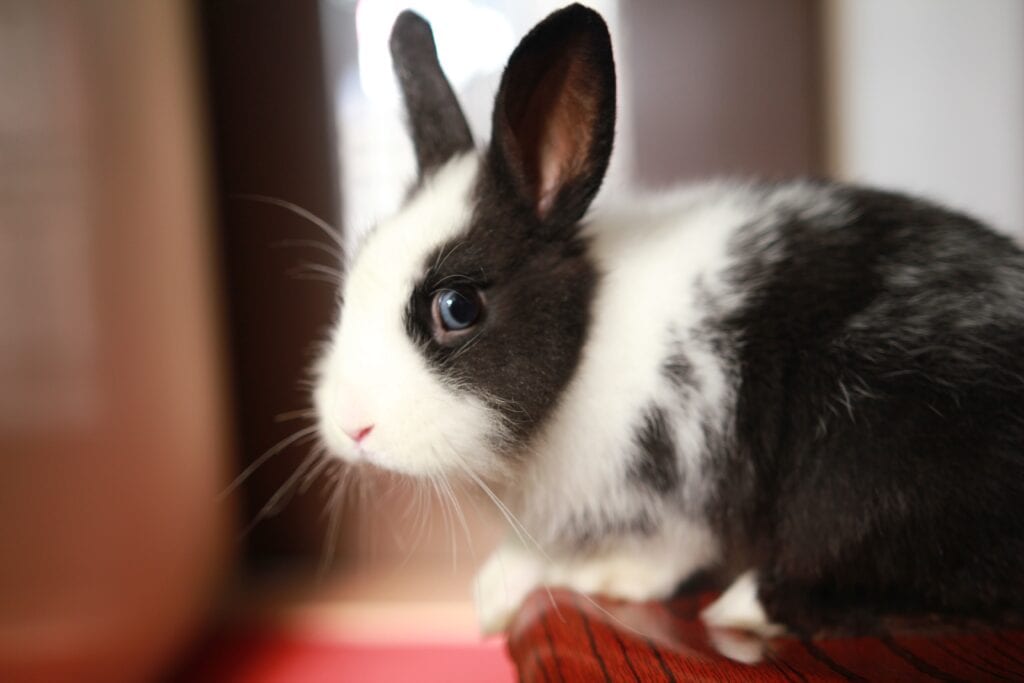
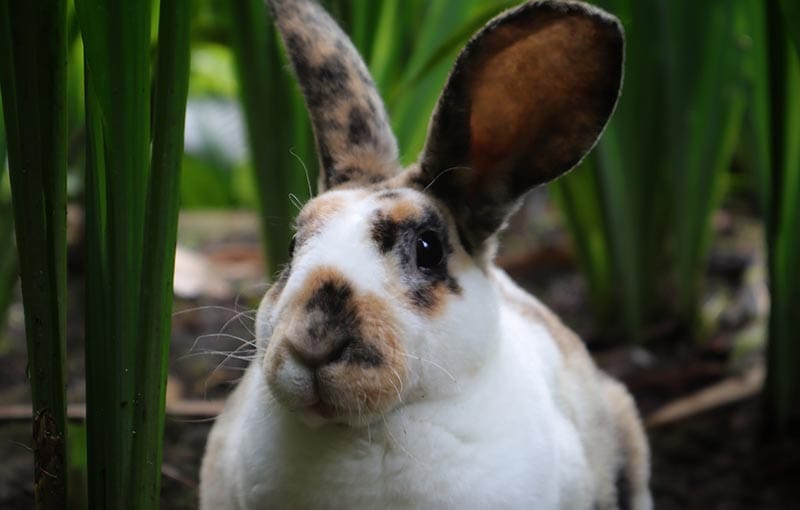
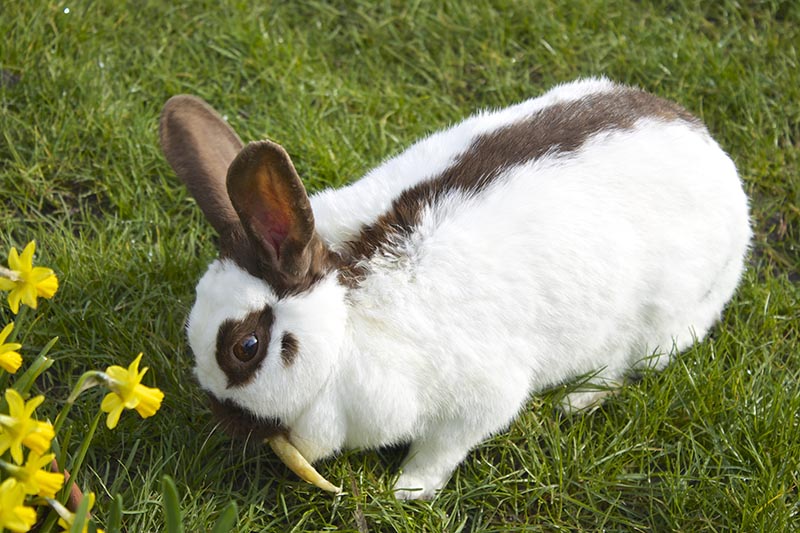
The Rhinelander is a superb breed, known for its distinctive plush coat with orange and black or fawn and blue butterfly markings, which set it apart from its fellow rabbits. These friendly, medium-sized bunnies make wonderful pets, though they are generally considered to be “show rabbits.”
What makes them so appealing is their temperament. Indeed, they are docile and easy-going animals that love to jump on their humans’ laps!
Rhinelander Rabbit Characteristics

How Much Do These Rabbits Cost?
Rhinelander rabbits can be purchased for between $40 and $60, but prices can vary depending on breeders, your location, and the rabbit's pedigree. Remember that this breed is considered rare, so you might have to shell out more than you expected.
You can find a breeder in your area through the American Rabbit Breeders Association (ARBA) website1 or the Rhinelander Rabbit Club of America2.
Temperament & Intelligence of the Rhinelander Rabbit
Rhinelander rabbits are known for their peaceful and friendly temperament, which makes them great pets. They are curious, outgoing, and social animals, and they can form strong bonds with their human family. They are also fairly active and like to have space to hop around and play, but they are also happy to sit quietly, nap, and relax.
In terms of intelligence, Rhinelanders are generally considered to have a good memory and can learn quickly. Thus, you should be able to train them to do simple tricks—like using a litter box—though this probably won't happen overnight! Indeed, you will need to be patient and constant in their training.
Like most rabbits, Rhinelanders have a keen sense of their surroundings and are alert to changes in their environment. They need attention, proper care, and love (like all pets!), but they also need enrichment activities to thrive. A good way to provide them with more enrichment is to set up hiding places and little platforms in their hutch. You can also include toys and other objects that are safe to chew on and manipulate, which will keep them mentally and physically stimulated.
Do These Rabbits Make Good Pets? 👪
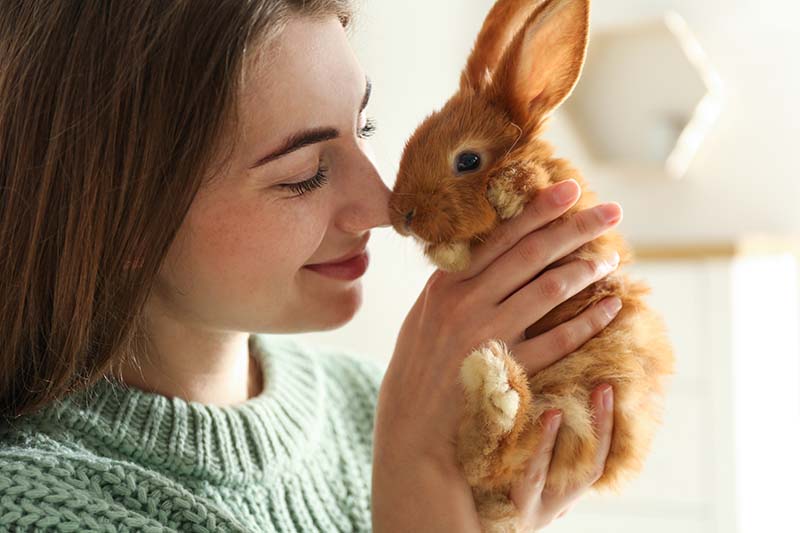
Yes, due to their gentle, calm, and loving nature, Rhinelander rabbits can make marvelous pets for families, singles, and even first-time owners. They also enjoy being around children and can interact well with them.
That said, bear in mind that while most kids are enthusiastic about owning a rabbit, their interactions with these fragile animals require close supervision. Indeed, just like other rabbits, Rhinelanders need to be handled gently and safely to avoid injury to their legs and back. These nervous animals are also startled by loud noises, such as those made by excited toddlers. Therefore, if you have very young children at home, it may be best to wait until they are older before bringing home a delicate rabbit.
Does This Rabbit Get Along With Other Pets?
Yes, but care should be taken and interactions with your other pets should be supervised, especially at first. Rhinelander rabbits are social animals and do best when kept with other conspecifics. But if you can't afford more than one rabbit, rest assured that this breed can get along with other pets when properly introduced.
Rabbits have delicate bones and can be easily injured by other pets, so you must exercise caution and ensure that all interactions are safe and supervised. With patience and careful management on your part, your friendly rabbit should be able to coexist peacefully with other pets in your household.
Things to Know When Owning a Rhinelander Rabbit
Food & Diet Requirements 🥕
About 70% of your Rhinelander's diet should consist of timothy hay and pellets, preferably given at dusk when your rabbit is most active. You can also occasionally give them treats like carrots, apples, and oranges, but don't overdo it, as it could lead to weight gain. You can also give your rabbit chew toys to gnaw on to keep their teeth healthy, as their front incisors grow continuously throughout their lives.
Important fact: All pets need access to fresh, clean water at all times, but rabbits need it even more. Indeed, they tend to eat less if they do not drink enough, and they can become dehydrated quickly.
Habitat & Hutch Requirements 🏠
Rabbits are not made to live in mini cages and other tight spaces. The more space you can give them, the happier they'll be.
If you have room for a large hutch, your rabbit will appreciate the extra space to roam, hop around, and stretch as they please. A good rule of thumb is that rabbits need a living space at least four times the size of their body. This means your medium-sized Rhinelander should have a minimum living space of 120” L x 36” W x 36” H.
Exercise & Sleeping Needs 🐇
Having a large cage or a hutch is not enough for most rabbits. These animals need to be able to get out of their enclosure for at least 1 hour a day. Make sure they do this in a safe place, ideally fenced off with panels at least 3 feet high to prevent your rabbit from jumping out.
When it comes to their sleep needs, Rhinelanders, like all rabbits, are crepuscular, which means they become particularly active at dawn and dusk. They often take naps throughout the day and night, but their sleep is generally lighter and more sporadic than that of humans or other pets.
That said, they can eventually adjust to the schedule and lifestyle of their human caregivers.
Training 🥎
It's possible to train your Rhinelander to perform simple tricks, like using a litter box and even coming to you when called. But you'll need to be patient and consistent while training them, and use positive reinforcement instead of punishment.
Grooming ✂️
Regular brushing will keep your rabbit's coat soft and silky. Also, be sure to trim their nails at least every 2 months, being careful not to cut through the quick (the small blood vessel inside each nail), as it will cause bleeding and pain. But if you do accidentally cut it, you can use styptic powder to quickly stop the bleeding.
Additionally, you should regularly inspect your rabbit's ears to prevent dirt and debris from accumulating there. Gently remove dirt with a clean, slightly damp cloth.
Lifespan and Health Conditions 🏥
Rhinelander rabbits have a lifespan of around 5–8 years, but they can live longer with proper care and regular check-ups (at least once a year) with a veterinarian.
That said, rabbits can develop respiratory problems, such as pneumonia, especially when kept in poorly ventilated, dirty, and damp enclosures. They can also be prone to various microbial infections, ear mite infections, gastrointestinal diseases, and dental malocclusions.
Therefore, before you bring your new pet rabbit home, it's a good idea to learn as much as you can about rabbit diseases and their signs and treatments, so you'll be better prepared for any eventuality.
Male vs. Female
Male Rhinelanders are called bucks and females are called does. They have similar physical characteristics and temperaments, though males tend to be slightly larger than females and can exhibit more territorial and aggressive behavior, especially when they reach sexual maturity.
The 3 Little-Known Facts About Rhinelander Rabbit
1. Rhinelander Rabbits Also Come With Fawn and Blue Markings
What makes Rhinelander rabbits so unique are their striking orange and black markings, reminiscent of the spots of calico cats. But there is another ARBA-accepted variety, which is white with blue and fawn markings.
2. Rhinelander Rabbits Are Rare
Rhinelander rabbits are considered a rare breed in the United States and are not as commonly bred as most other domestic rabbit breeds. As a result, they may be hard to find and expensive to purchase.
3. Rhinelander Rabbits Disappeared for 50 Years
The Rhinelanders were brought to the United States in 1923 but disappeared completely by 1932. According to The Livestock Conservancy, they may have been "absorbed" at the time by the popular Checkered Giant. Fortunately, they were again successfully imported into North America in 1972.
Final Thoughts
Overall, Rhinelanders are gentle, laidback, and affectionate and make exceptional pets. They are best known for their orange and black or fawn and blue butterfly markings.
Before deciding to welcome one of these friendly rabbits into your home, remember that it takes a great deal of responsibility and commitment. These social animals need daily care and attention, regular grooming, nail trimming, and veterinary checks to ensure their health and well-being. Also, you need to be able to give these bunnies enough time, love, and attention for them to thrive in your family.
If you have the time and the resources, you'll get a lovable and loyal long-eared companion for many years to come!
Featured Image Credit: Riocool, Shutterstock
Get Hepper In Your Inbox


Pet care tips from our vets and experts, straight to your inbox.
You may opt-out at any time. View our Privacy Policy for more information.

Genevieve, a biologist and science writer, who harbors a profound affection for capuchin monkeys, pumas, and kangaroos. This passion has led her to travel extensively, volunteering and working at wildlife rehabilitation centers in Bolivia, Guatemala, Canada, and Australia. Now residing in Argentina as a Canadian expat, Genevieve enjoys the view of horses and cows greeting her from the vast plains outside her home office window. She proudly cares for three rescued dogs—Lemmy, Nala, and Pochi—and a playful kitten named Furiosa. Sharing her extensive knowledge and love for animals brings her immense joy and fulfillment.
Join the conversation
Ask a question, share your story, or send private feedback.