Hepper is reader-supported. When you buy via links on our site, we may earn an affiliate commission at no cost to you. Learn more.
Hulstlander Rabbit: Pictures, Care Guide, Lifespan, & Traits
In this article
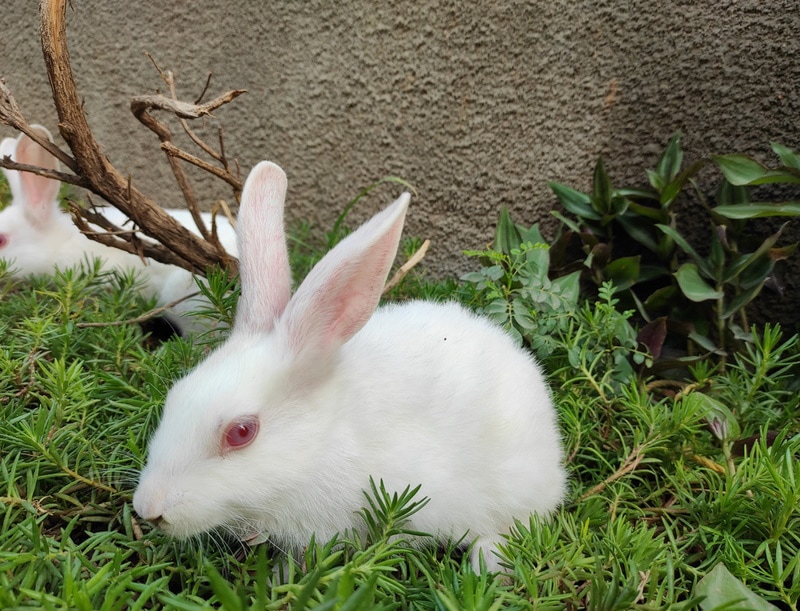
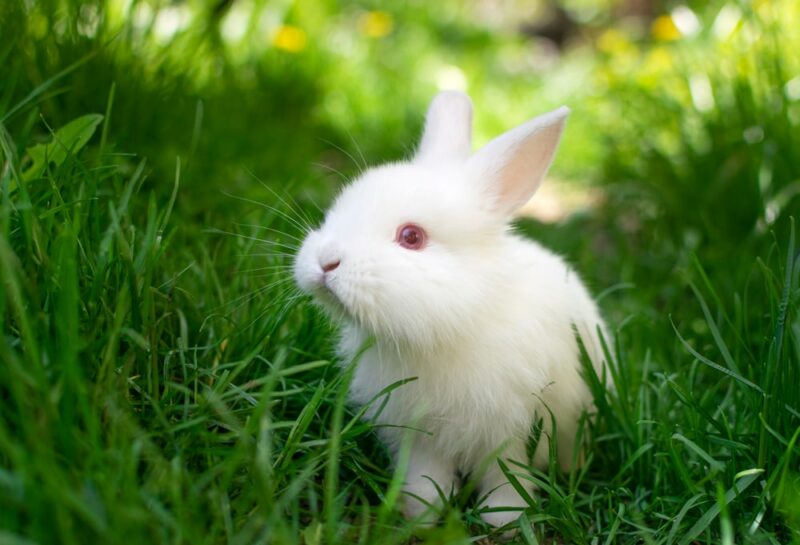
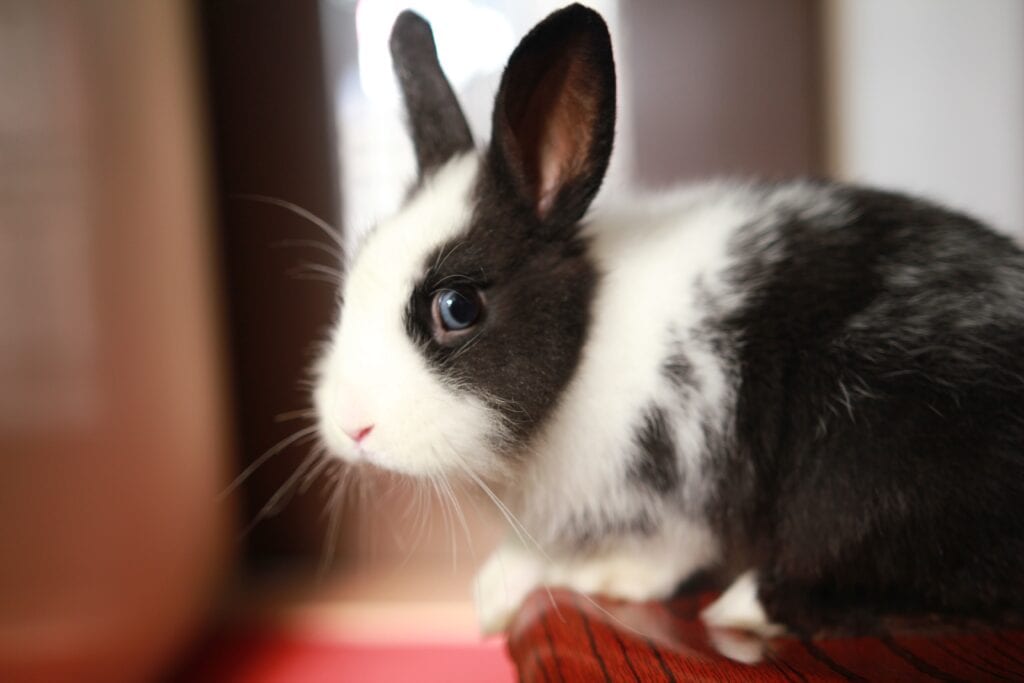
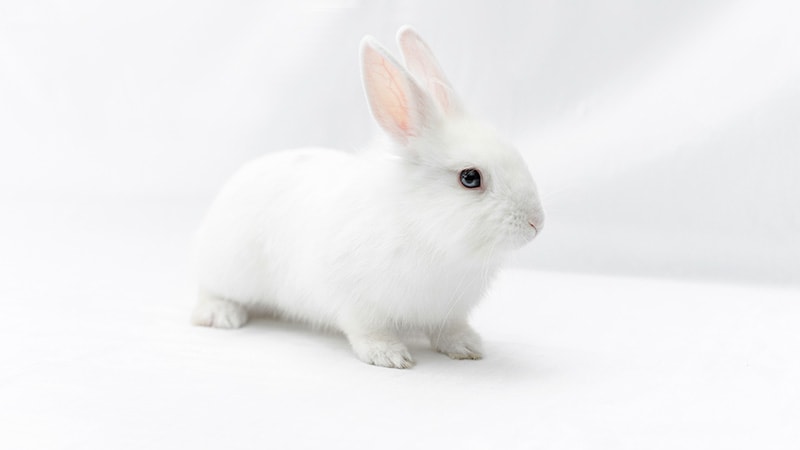
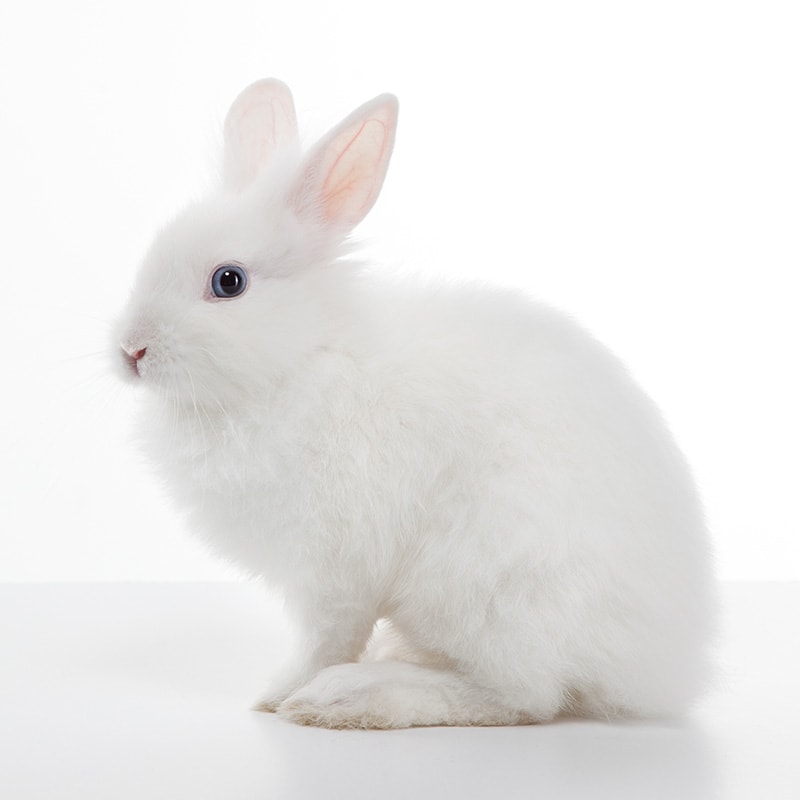
The Hulstlander Rabbit is unique in appearance with an all-white coat and light blue eyes. While you won’t find another bunny that looks like it, you also may not find another that is as outgoing, friendly, and smart. It is the ideal breed for new bunny owners and makes a great pet for families, especially with children.
Keep reading to learn more about this beautiful rabbit, its care needs, and what to expect when bringing one home. You might just find that this is the perfect pet for you.
| Size: | Small to medium |
| Weight: | 5 to 6 pounds |
| Lifespan: | Netherland Dwarf, White Vienna |
| Similar Breeds: | Novice bunny owners, families, and homes with other rabbits |
| Suitable for: | Novice bunny owners, families, and homes with other rabbits |
| Temperament: | Outgoing, friendly, affectionate |
The Hulstlander Rabbit is a hybrid breed, created from Polish blue-eyed rabbits and the Vienna White, to create an all-white, blue-eyed rabbit. They are outgoing, friendly, and, at times, comical. As an affectionate breed, you will find them following you around, asking for attention. They're also easy to care for, making them ideal for new bunny owners and families. If you are looking for a pet that is adorable both physically and in their behavior, the Hulstlander Rabbit might be just what your home needs.
Hulstlander Rabbit Breed Characteristics

How Much Do These Rabbits Cost?
Hulstlander Rabbits are fairly rare in the United States. They originate from Holland, so you’ll need to find a reputable breeder in the US if you’re looking for a healthy, well-bred Hulstlander Bunny. Still, once you do find a breeder, you’re likely to pay around $300 for one of these beautiful, all-white bunnies, regardless of their sex. Because they are best kept in pairs, you should consider adopting two of them. This increases the cost but will make for two happier bunnies overall. If the breeder does not provide spaying and neutering with adoption, you’ll need to invest in this as well, no matter their sex.
These rabbits were initially bred from blue-eyes Polish rabbits and Vienna Whites, creating their all-white appearance with beautiful blue eyes, and are named after the region of Holland from which they were originally bred. The breed, established by breeder J. de Graff was officially recognized by the British Rabbit Council (BRC) in 1984. They are often seen as show animals due to their striking appearance, overall good health, and positive demeanor.
Temperament & Intelligence of the Hulstlander Rabbit
Overall, the Hulstlander Rabbit is highly intelligent and easily trained as an indoor pet, although many choose to keep them outdoors. They are quick-witted, outgoing, and very sociable.
Do These Rabbits Make Good Pets? 👪
Hulstlander Rabbits are excellent pets, especially for families, because they are very friendly and playful. However, they must be handled from a young age to adjust to human interaction. This interaction must continue throughout their life, or they risk becoming aggressive. With positive interaction, they form strong bonds with their owners and other family members, quickly becoming part of the family unit and wanting to share in the love and attention.
Does This Rabbit Get Along with Other Pets?
These rabbits are best kept in pairs so that they don’t get lonely, as they are susceptible to health risks if kept single. They mingle well with other rabbits. However, many other household pets, like cats and dogs, see rabbits as prey, so it’s best to keep them separated. Even if they have adjusted to home life from an early age, you should not leave them alone unsupervised as animal instincts can be quite strong, even in pets that are well-socialized.

Things to Know When Owning a Hulstlander Rabbit:
It’s important to know what to expect when adopting any pet, especially a rabbit. Even experienced bunny owners may not be familiar with the particulars of this breed when it comes to their daily and overall needs and how to provide for them. Let’s learn more about what your Hulstlander Rabbit will require.
Food & Diet Requirements 🥕
Rabbits are foragers, so they are used to a diet high in fiber. They typically eat a lot of fresh, green leafy vegetables plus hay. A high-quality rabbit pellet food will ensure they get all of the vitamins and other nutrients they need. You may decide to feed your rabbit fresh fruits and vegetables on occasion as a treat but keep these to a minimum as the high sugar content can lead to weight gain. Your Hulstlander Rabbit should have access to fresh water daily.
Habitat & Hutch Requirements 🏠
The Rabbit Welfare Association and Fund recommend that all rabbits have certain space requirements in their hutch. Because rabbits should always be kept in pairs, keep this in mind when choosing your hutch. The base of the hutch should be approximately 10 x 7 feet to accommodate both hopping and running so your bunnies can get the exercise they need. It should be approximately 3 feet high so they can jump without limitation.
Sleeping quarters in the hutch need to be at least 6 x 2 feet to accommodate both rabbits comfortably but does not need to be quite as high. This space is separate from the one above.
As you can see, a hutch takes up a lot of space, so many rabbit owners choose to set it up outside and bring their bunnies inside for play and time with the family. Rabbits should not be kept in their hutch all the time, as they need room to run, play, and interact outside of this limited space.
Exercise & Sleeping Needs 🐇
Hulstlander Rabbits are especially outgoing and need time outside of their hutch to play and run. They should be removed from their hutch for at least 4 hours per day for supervised time with you or others in the family to stay happy and healthy. You can keep them stimulated with toys that make noises, they can chew on, or that mentally challenge them. This will help stave off depression and depression-related illnesses. By encouraging them to play, you keep them at a healthy weight and can make sure they are physically healthy as well.
Bunnies are also nocturnal animals, so they are awake most of the night and you’ll find them sleeping throughout the day. However, if you have a typical routine, like working a typical 9 to 5 job, they will learn to adjust to this routine, sleeping while you’re away so they can interact with you while you’re home. Hulstlander Rabbits will usually sleep around 8 hours per day depending on activity level.
Training 🥎
Hulstlander Rabbits are extremely smart. They take well to litter box training, which makes them highly adaptable to indoor living. Some rabbit breeds may never learn to react to their names, but this one often does with time and training. You should always work with your bunny early to avoid unwanted behaviors. This is especially true with human interaction, as Hulstlander Rabbits can become aggressive without it.
Grooming ✂️
This rabbit’s coat has a beautiful white sheen that is of average length. It is quite easy to care for, and they will do much of the work for you. Unless they are sick or otherwise unable to care for themselves, you shouldn’t have to brush their coat. You also shouldn’t have to bathe them unless they get fleas or other pests. Using a flea and tick prevention method is especially important for rabbits that are kept outdoors.
Lifespan and Health Conditions 🏥
Like many crossbreeds, the Hulstlander Rabbit is known for being quite healthy. They are not susceptible to very many serious health problems and only really succumb to the ones that most rabbits face.
Male vs Female
Male and female Hulstlander Rabbits are not distinguishable other than by size. A female, or doe, may be slightly smaller than her male counterpart, also called a buck. Their physical features are the same and will both be completely white with blue eyes. Males will exhibit aggressive mating behaviors starting at about 4 months while females mature at about 6 months. Both sexes can be neutered or spayed at about 12 weeks of age to prevent unwanted litters as well as unwanted hormone-related behavior and future health problems.
3 Little-Known Facts About the Hulstlander Rabbit
Now that you’ve learned all the important facts about Hulstlander Rabbits, let us learn some fun and interesting things about them!
1. Standing Up & Falling Over
Hulstlander Rabbits are known for standing up on their hind legs to look around curiously. They also go into an atonic state at times, especially when sleeping, and flop over onto their side.
2. Nicknamed “Hussie”
These rabbits are adorably nicknamed “Hussies” as a shortened version of their very long and often hard-to-pronounce name. Their name is based on the region of Holland from which they originate.
3. Part of the Family
Expect your Hulstlander Rabbit to become part of the family and follow you around, want to sit with you for cuddles, and demand attention from anyone who is nearby.
Final Thoughts
The Hulstlander Rabbit is the ideal bunny for most homes. It is great for beginners and experienced bunny owners alike, as well as families, couples, and singles. Just be sure that you adopt a pair of them, so they don’t get lonely in their hutch or when exploring your indoor space. They need plenty of human interaction and mental stimulation to remain happy and healthy, like most pets, but with their inquisitive and comical nature, it won’t be hard to give!
If you are considering a Hulstlander Rabbit, be sure to visit a reputable breeder, as these rabbits are rare in the United States, and have them spayed and neutered unless you would like to start breeding them responsibly yourself.
Featured Image Credit: nieriss, Shutterstock
Get Hepper In Your Inbox


Pet care tips from our vets and experts, straight to your inbox.
You may opt-out at any time. View our Privacy Policy for more information.

Krysha is a proud mom to Shelly, a tortoiseshell “Tortie” rescue kitty that loves to talk back, especially if I’m late with breakfast. Shelly’s big personality, despite her small stature, has been a driving force behind my ambition to spread awareness about local shelters and the small things residents, support groups, and non-profits can do to support them. Growing up, Krysha experienced the care of many pets, from cats and dogs to turtles and small lizards to hamsters and tropical fish.
Krysha is a freelance content writer specializing in pets, travel, and wellness. Her writing career began in 2009 while still studying English and Creative Writing at the University of Nevada, Las Vegas. Now, her creative writing skills combine with technical SEO experience to provide high-quality blog and web content for eCommerce and service-based websites.
Join the conversation
Ask a question, share your story, or send private feedback.