Hepper is reader-supported. When you buy via links on our site, we may earn an affiliate commission at no cost to you. Learn more.
Shetland Sheepdog Breed Info: Pictures, Personality & Facts
In this article
Breed Overview
Height:
Weight:
Lifespan:
Colors:
Suitable for:
Temperament:
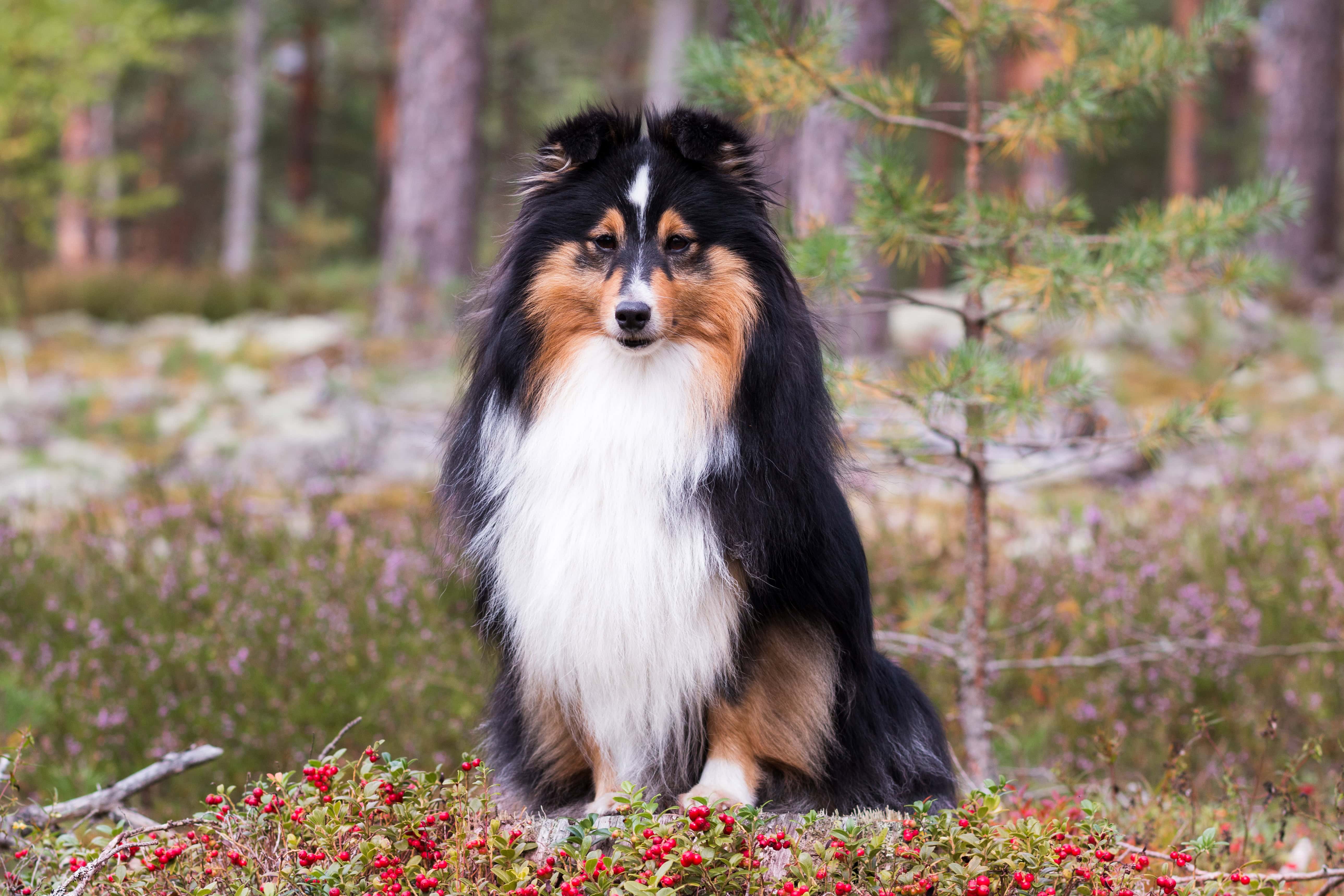
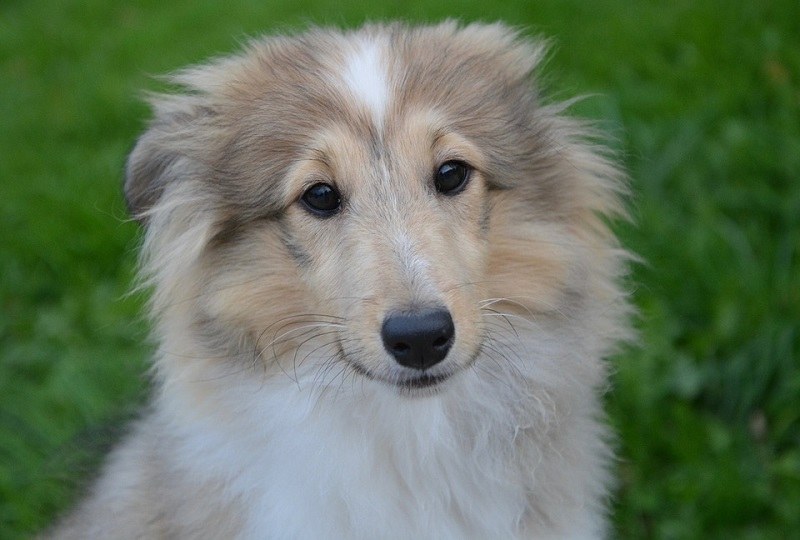
First bred on the Shetland Islands off the coast of Scotland, the Shetland Sheepdog is a hardy herding dog that would have not only herded cattle but protected and guarded them. He is a lively dog, still more than capable of working in the fields, and is a highly intelligent breed. As well as being a prized working dog, the Sheltie is also known for excelling at agility and other dog sports. He will thrive taking part in these competitions because they exercise both his mind and his body, and they allow him to form a close bond with his handler.
The Shetland Sheepdog is also renowned for being a loving family companion. He will usually get along with all family members, is gentle with children, and he can usually integrate well with other dogs and even cats. Although he can be wary with strangers, this will normally pass quite quickly and he will befriend visitors as though they were part of his pack.
His intelligence and willingness to please make the Sheltie easy to train. This, in turn, makes him suitable for first-time owners. However, he does require some care, not only in the form of regular and vigorous exercise, but to care for his beautiful coat, too.

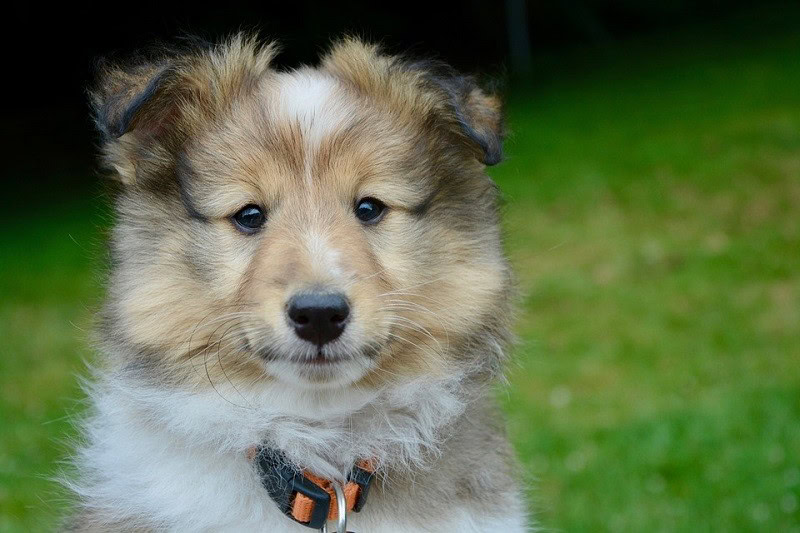
Shetland Sheepdog Puppies
Shetland Sheepdog Characteristics
The Shetland Sheepdog is highly revered for its herding and working capabilities, as well as for its show-stopping coat and its prize-winning agility and sports performance. It also makes a loyal and loving companion suitable for individuals and families.
Do make sure you choose a reputable breeder. They will have had the parent dogs' health checked and screened for conditions like hip dysplasia. They will also ensure that the parents and puppies are kept in ideal conditions, and they will have started to socialize and potentially even train the dog before you pick him up. This early socialization is especially important with the Sheltie because the breed can be wary around strangers. Through good socialization, they learn that new situations and new people do not need to be feared. Puppies also learn these skills from their parents. They learn how to react around people and in new situations from their mom, so you should try and meet your puppy’s parents to see how they react. Ideally, both the puppy and the mother will approach you without being scared.
Although the Sheltie does make an excellent family pet, they do have high energy requirements and they take some grooming. They also tend to be vocal. This means that some Shetland Sheepdogs might end up in local shelters.

Temperament & Intelligence of the Shetland Sheepdog 🧠
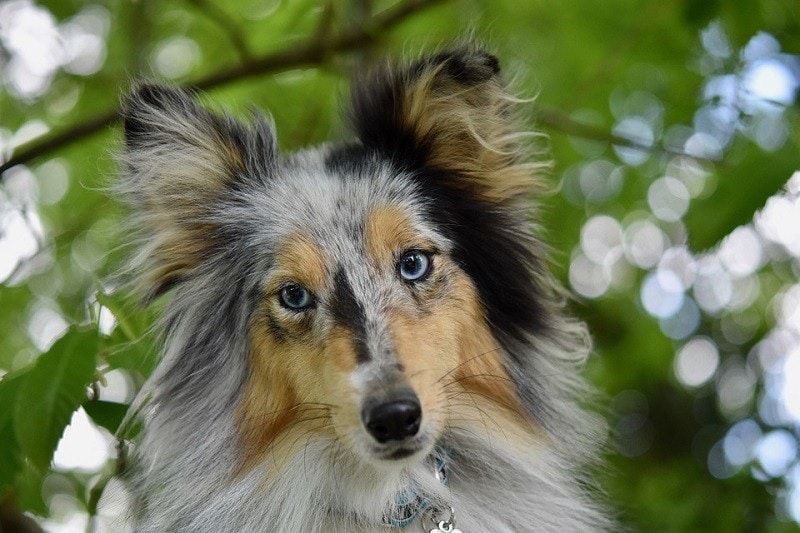
The Sheltie is a highly intelligent dog. They not only excel at learning commands but thrive on the training because it keeps their brains agile. They have the mental acuity to take on numerous tasks. They do require a lot of physical exercise, and they tend to shadow their owner all day, every day.
Are These Dogs Good for Families? 🏡
The Sheltie is a gentle and caring breed. They are referred to as a shadow breed because they will form a very close bond with their owner and they tend to stick to your feet as you walk around the house. Because they are gentle by nature, they are suitable as companions for children, and they are naturally gentle with small kids. They do tend to bark when they get excited, or when they think something is worth investigating, though, and you should always supervise time between very young children and dogs because accidents do happen.
The Shetland Sheepdog is a herder by nature, and one of the techniques they use to keep livestock in line is to nip at their heels. This isn’t an aggressive move, but even when kept as part of a family, they may adopt this technique and try to gently herd children and other pets. Early training can prevent them from heel nipping, and it will ensure a good relationship between your dog and any children in the house.
Does This Breed Get Along with Other Pets? 🐶 😽
Although, or perhaps because, the Shetland Sheepdog is a natural herder, they do not instinctively attack animals. They will get along with other dogs and can normally be kept with cats and other animals in the same house. Ideally, they should be introduced to other pets gradually and on neutral territory, but where this isn’t possible, take things slowly and calmly. If you rush the early meetings, it can stress all the animals out and make it even more difficult to make good introductions.


Things to Know When Owning a Shetland Sheepdog:
The Shetland Sheepdog can make an excellent family companion. They are sweet, friendly, and usually get along with all family members. They do require a lot of exercise, they shed excessively, and they tend to bark, however. No breed is suitable for all potential owners, and you must choose a breed that is suitable for your living conditions, your family, and your lifestyle. Below are additional aspects of raising a Shetland Sheepdog that we think are important to know before bringing one home.
Food & Diet Requirements
As an active dog, the Shetland Sheepdog does have quite a big appetite for a relatively small breed. Expect to feed between 1-2 cups of good quality food per day. This should be fed over two meals, and if you use treats as a means of training, remember to include this in your dietary calculations.
The breed is prone to putting on weight, so you should measure the amount of food you give each day. Look for good quality food that provides a balanced diet and fills your dog up without adding excess calories. Also look for food with a good amount of omega fatty acids, vitamin A and zinc. These are especially beneficial for dogs’ coats and will enable you to retain the beautiful shine in this breed’s luscious coat. Foods that contain fish oil, flaxseed, chicken fat, and biotin are especially beneficial for this purpose.
As with any breed, you must also ensure that your Sheltie has a constant supply of fresh water.
Exercise 🐕
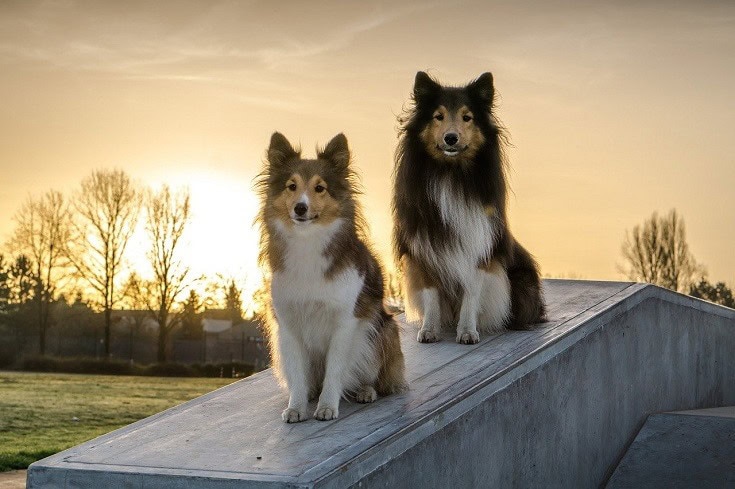
The Sheltie does require a lot of exercise. You should walk him at least one hour a day, ideally over two walks. This energetic breed can run for hours, and will barely need time to rest, so if you can provide more exercise than this, he will appreciate it. Agility and dog sports classes offer a great way to burn off some of that energy while socializing your dog and providing him with mental stimulation at the same time.
Training 🦮
Agility is one way to provide socialization, and this is an important part of owning a Shetland Sheepdog. The breed is naturally shy around strangers when they first meet. As such, early training should be geared towards meeting people and putting your dog in unusual and new situations. Done smartly, this will help teach them that new people are not to be feared.
You will also want to ensure that you train your Sheltie not to nip at the heels of any children in the house, and because they tend to bark a lot, you will want to train them to limit this barking. It is acceptable for dogs to bark in certain situations, but some breeds will bark at any noise and any movement, which isn’t ideal.
The Shetland Sheepdog is a very intelligent breed and will flourish with training. Attend puppy classes when your dog is young. These not only give your dog a grasp of basic commands like “sit” and “stay” and help with recall, but they teach you how to train your dog so that you can continue the journey when you get home.
Grooming ✂️
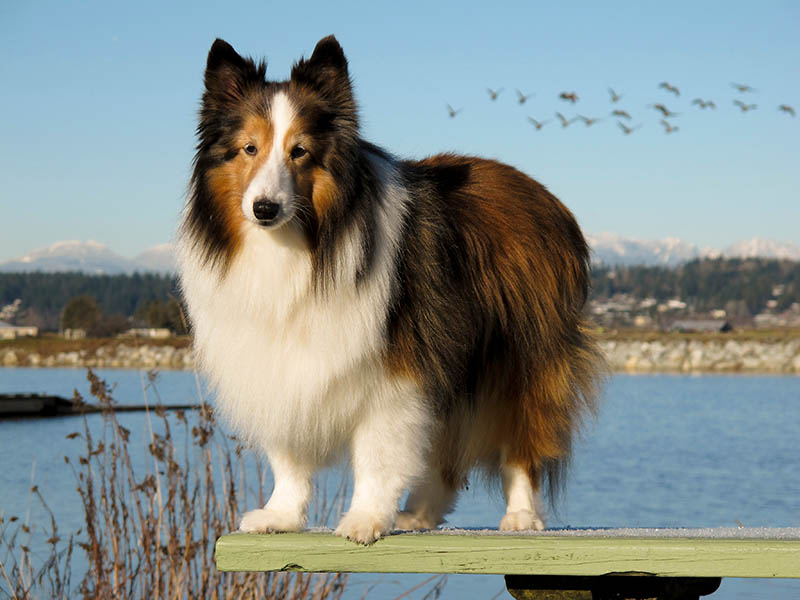
The Shetland has a beautiful coat. This coat is meant to protect them from the harsh weather conditions experienced on the remote Shetland Islands, off the coast of Scotland. It is double-layered, and it does shed throughout the year, with two shedding seasons. If your dog lives indoors, it may not experience seasonal shedding but will still lose a lot of hair throughout the year.
Although the Sheltie looks like it has very high maintenance requirements, its coat does not require much special attention. You should be prepared to brush your dog’s coat at least once, and ideally twice, a week. This will remove dead hair and it will help to prevent the coat from becoming knotted. However, you should only bathe your dog when it is absolutely necessary, and unless he is attending a show, you shouldn’t have to have him professionally cut or groomed.
Dogs do require help maintaining good dental hygiene. Starting when they are a puppy, you will need to brush their teeth three times a week, daily if they allow it without getting too stressed. This will prevent and minimize plaque and tartar. Poor dental hygiene can affect your dog’s health especially because they will eat less if it is too painful.
Finally, clip your Sheltie’s nails when you can hear that they are too long. Be careful not to cut too far, because it can cause bleeding if you cut the quick. Most dogs need their nails clipping every month, but because of the amount of running that a Sheltie does, you may only need to clip every two months, especially if they walk on concrete and other abrasive surfaces, frequently.
Health and Conditions ❤️
Generally healthy and hardy dogs, there are some conditions that the Shetland Sheepdog is prone to and that you should look out for.

Male vs Female
There are no major physical or characteristic differences between male and female Shetland Sheepdogs, although some owners believe that male dogs, in general, are more dominant and territorial while also being more playful and independent. None of these characteristics are particularly prevalent in Shelties.
3 Little-Known Facts About the Shetland Sheepdog
1. Shelties are incredibly intelligent.
The Shetland Sheepdog is ranked as one of the most intelligent breeds in the world. It takes them around six repetitions to learn a new command and, as well as basic one-step commands like “sit” and “heel”, they can learn far more complex behaviors.
They are regularly used as medical assistance dogs. In this role, they monitor their owner and can recognize when their physical or mental health is taking a turn for the worse. When they spot telltale symptoms they can react by checking on the owner, fetching medicine, even calling for help, and then sitting with the person until they recover. Diabetic alert dogs, for example, can identify the scent changes associated with hypoglycemic and hyperglycemic events and instruct their owner to check their blood sugar levels. They will even fetch the blood sugar monitor.
This breed may also be used as mobility assistance dogs when they are required to perform everyday tasks like fetching the paper, doing the washing, and helping their owner get around.
2. They excel at agility.
Their ability to learn and master new commands is part of the reason that the Sheltie is also considered an excellent breed for agility and sports. In fact, they positively thrive on this kind of activity. The breed requires a lot of mental and physical stimulation every day, and agility training is one way to provide all of this stimulation. They are energetic, they love to learn, and they enthusiastically want to please their owner. As well as agility courses, the Sheltie is obviously an excellent herder. The breed also takes very well to events like rally and flyball.
3. They don’t take as much grooming as you would expect.
That long hair is double layered and it does shed. In fact, it sheds a lot, and you will find that you are constantly hoovering and sweeping to clear it up. However, despite this, the Sheltie does not take as much grooming and care as you might imagine. There’s usually no need to provide regular baths, and you shouldn’t have to trim their hair too often. You will need to brush them, usually a couple of times a week because this will help minimize shedding and preventing their hair from getting knotted and matted, but this is required with a lot of other breeds, too.

Final Thoughts
The Shetland Sheepdog is a beautiful, sweet, and good-natured dog. But under the elegant exterior lies the beating heart of a hard-working, highly energetic, working dog. The Sheltie will run for hours without a break, tend to their flocks and keep them in line, and then dutifully follow their masters around the house when they get home. They are still used as herding and farm dogs, but this breed is also known for making an excellent family dog. If you keep Shelties as family companions, you must be prepared to provide plenty of physical and mental stimulation, but you will be rewarded multiple times over, thanks to their nature.
If you decide to bring one of these playful pups into your home you will not be disappointed. Just make sure you can provide what they need and you will have earned a friend for life.
See Also:
425 Cool Names for Shelties (Shetland Sheepdogs): Ideas for Family Dogs
Shetland Sheepdog vs. Australian Shepherd – How Are They Different? (With Pictures)
Featured Image Credit: JACLOU-DL, Pixabay
Get Hepper In Your Inbox


Pet care tips from our vets and experts, straight to your inbox.
You may opt-out at any time. View our Privacy Policy for more information.

Nicole is a lover of animals of all sizes but is especially fascinated with the feline variety. She’s the proud mom of Baby, a Burmese, and works every day so he can relax in the sunshine or by the fire. She’s always had a cat in her home and has spent countless days with others, observing behaviors and softening up even the grouchiest of the lot. Nicole wants to share her kitty expertise with you so you and your cat can live happy, healthy, and care-free.
Join the conversation
Ask a question, share your story, or send private feedback.