Hepper is reader-supported. When you buy via links on our site, we may earn an affiliate commission at no cost to you. Learn more.
How to Stop a German Shepherd Puppy From Biting: 7 Easy Steps
In this article
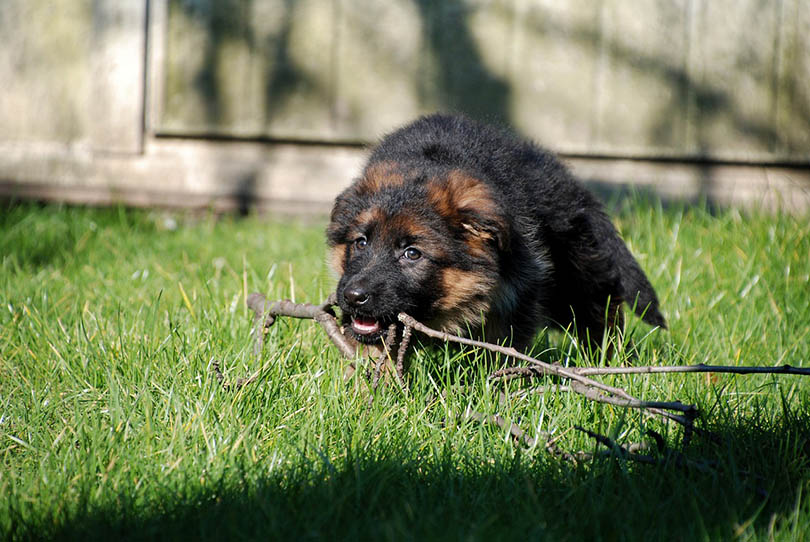
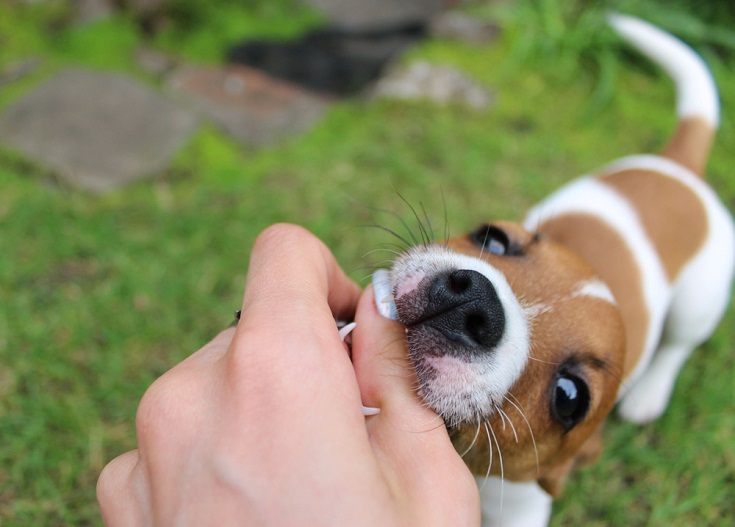
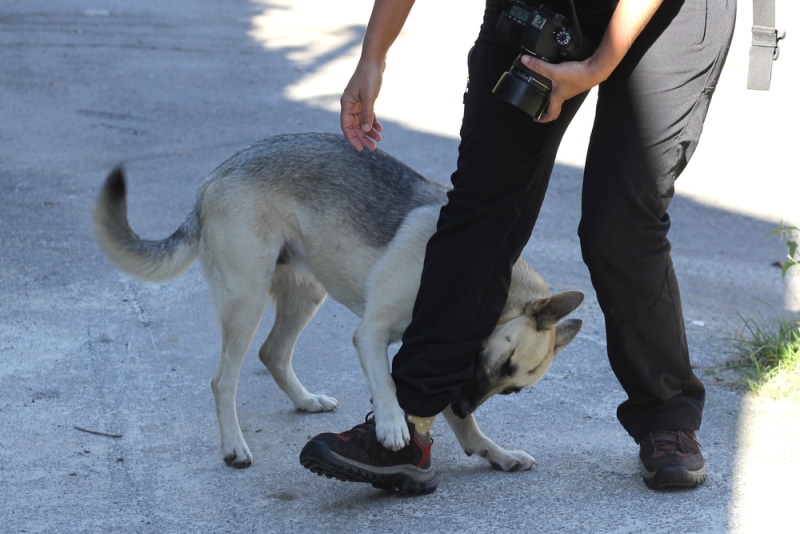
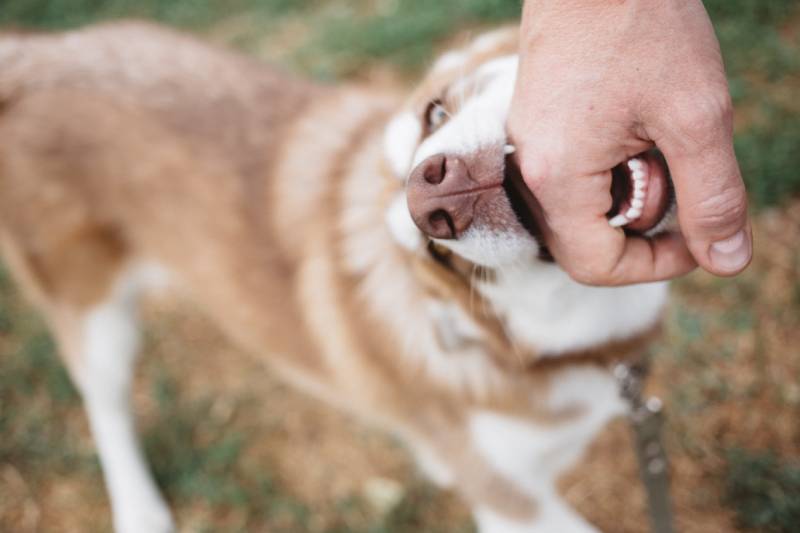
As any owner of a new puppy knows, nipping and gentle bites are a normal part of the first few months of a puppy’s life. This is especially true with dogs like German Shepherds because they have a strong prey drive, but this nipping and biting can also quickly get out of hand. German Shepherds are powerful, loyal, and fearless animals, and it’s vital to stop this habit early on to prevent future aggressive behavior.
German Shepherds are herding breeds, and as such, it’s in their genes to keep their flock in check. This often comes out as biting and nipping, but puppies will also bite when they are teething and to taste the world around them. This can, of course, quickly get out of hand if not taken care of swiftly. In this article, we look at the reasons behind German Shepherd puppies biting and seven steps to help stop the behavior. Let’s dive in!

The 7 Steps to Stop a German Shepherd Puppy From Biting
Now that you know why your GSD may be biting, let’s take a look at seven different ways to stop it.
1. Training
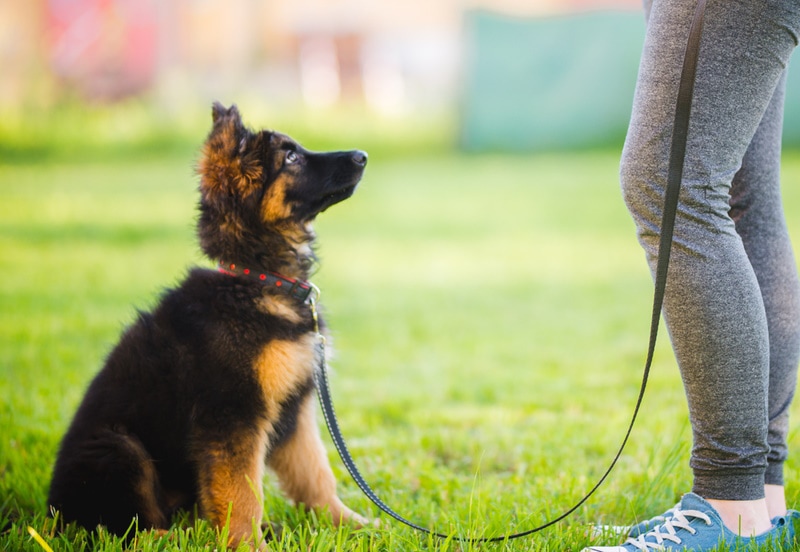
The first and most important step in stopping your puppy from biting is early and focused training. Beginning training at an early age is vital for powerful dogs like GSDs, as without it, they can easily develop problematic behaviors and even become aggressive. An important part of training is socialization, and getting your GSD to interact with other dogs will help teach them boundaries, as any biting too hard will have instant consequences for them.
If you need help with training your dog, we suggest speaking with a vet online.
2. Toys
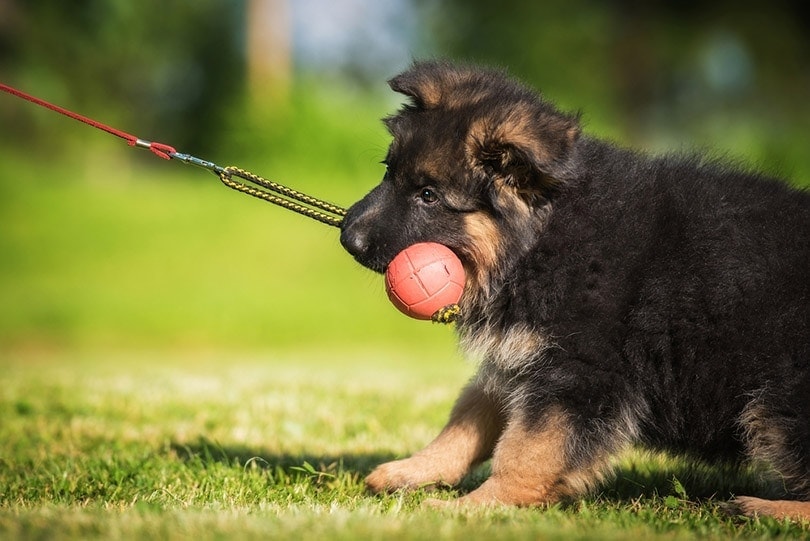
Toys are ideal for your GSD puppy to exercise their teething. There is a massive variety of suitable chew toys available, and whenever you notice your pooch getting the urge to chew, you can gently offer them a chew toy instead. It’s a great idea to keep a chew toy close by during training and play sessions for quick redirection.
3. Commands
Basic and simple commands should be taught to your GSD from a young age. Whenever they get overexcited and bite down too hard, you can then simply issue a verbal command that catches their attention. Great examples are a loud “ouch” or “stop” because these will quickly get their attention, but make sure to use the same word every time to stay consistent.
After you issue the commands, leave your puppy alone for a few minutes so they learn that this behavior is unacceptable. While this may take time for your puppy to learn, it’s vital to be consistent and firm, and they will soon understand that biting is not acceptable.
4. Redirection
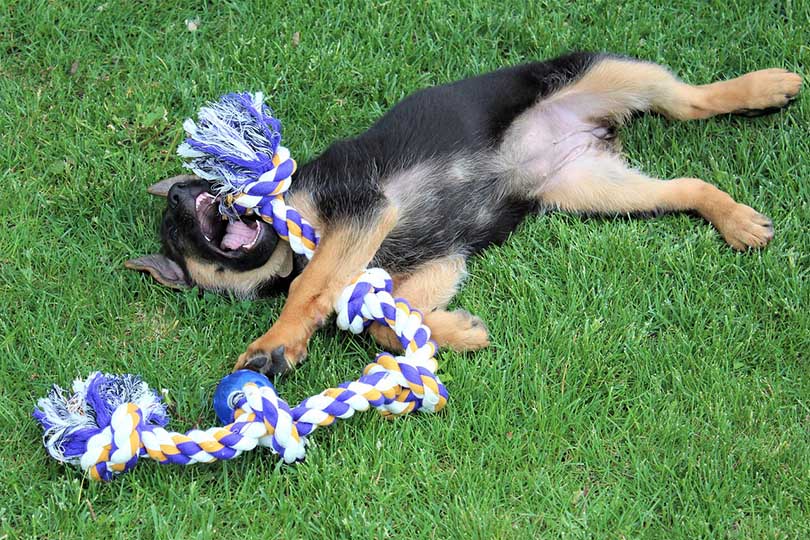
Redirection is a useful tool in training and can work well with biting too. This method is simple and works by keeping your pup from unwanted behavior and offering them appropriate behavior instead. Whenever your pooch bites or nips, try to offer them a chew toy of some kind instead, and this will gradually lead them to chew toys as opposed to your hands. Squeak toys are great for this type of redirection, as the noise is enticing to most puppies and dogs.
5. Reward Good Behavior
Positive reinforcement training methods are best for leading your puppy toward desired behaviors and away from unwanted ones. These methods involve no scolding or harsh treatment, so they are ideal for cementing the bond between you and your pup. When you offer your dog a chew toy instead of biting and they take it or you issue a command that they instantly follow, you simply reward that behavior with either a treat or praise. You ignore any bad behavior. They will swiftly associate treats with good behavior and stop the bad behavior that gets them no attention.
6. Games
Since GSDs are such powerful and athletic animals, they need to be mentally and physically stimulated through games and interactive play. Games are also the best time to engage and enforce training techniques and get your GSD accustomed to them before biting gets out of hand. There are tons of games to choose from, but it’s best to avoid rough games or games that encourage aggression, like tug-of-war. Stick to simple games like fetch or frisbee, where you can train your pooch to give the ball back when you tell them to.
7. Be Gentle
No matter the technique that you choose to stop your German Shepherd puppy from aggressively biting, it’s vital to be calm and gentle at all times. Harsh treatments like hitting or shouting are highly unlikely to solve the problem and will probably just make it worse, as your dog will simply become nervous and wary of you. Whether you are teaching your pooch commands or playing active games with them, it’s vital to be gentle at all times to avoid having an aggressive and distrustful dog on your hands. With a powerful dog like German Shepherds, trust is vital.
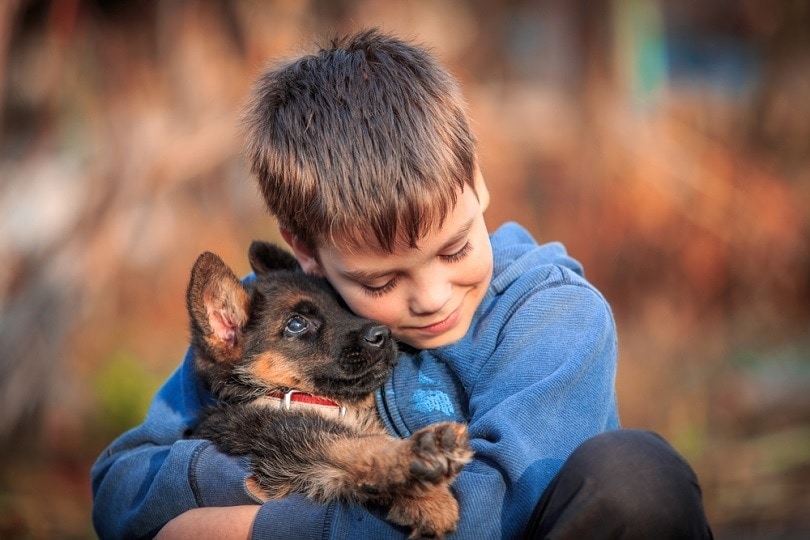

Why Is Your German Shepherd Puppy Biting?
Since German Shepherds have a high prey drive and chasing instincts in their genes, it’s a part of their natural instinct for a German Shepherd puppy to be aggressively biting. They are highly intelligent and aware animals, and the smallest of sounds or movements are enough to set them off. Before we get into the methods of stopping your German Shepherd puppy from biting, it’s important to understand why the behavior is happening in the first place.
There are several reasons for this, including:

Summary
Since German Shepherds are such powerful dogs, proper training is vital, and bite inhibition is an essential part of that training. While biting and nipping is a normal part of growing up for puppies, it’s also important that they know when to stop, and it’s up to you to teach them. Proper training is the vital first step and will set the tone for all other methods. With time, consistency, patience, and gentle leadership, your German Shepherd puppy should kick the biting habit in no time.
Featured Image Credit: Rita_Kochmarjova, Shutterstock
Get Hepper In Your Inbox


Pet care tips from our vets and experts, straight to your inbox.
You may opt-out at any time. View our Privacy Policy for more information.

Nicole is a lover of animals of all sizes but is especially fascinated with the feline variety. She’s the proud mom of Baby, a Burmese, and works every day so he can relax in the sunshine or by the fire. She’s always had a cat in her home and has spent countless days with others, observing behaviors and softening up even the grouchiest of the lot. Nicole wants to share her kitty expertise with you so you and your cat can live happy, healthy, and care-free.
Join the conversation
Ask a question, share your story, or send private feedback.