Hepper is reader-supported. When you buy via links on our site, we may earn an affiliate commission at no cost to you. Learn more.
Why Is My Puppy So Aggressive? 5 Typical Reasons


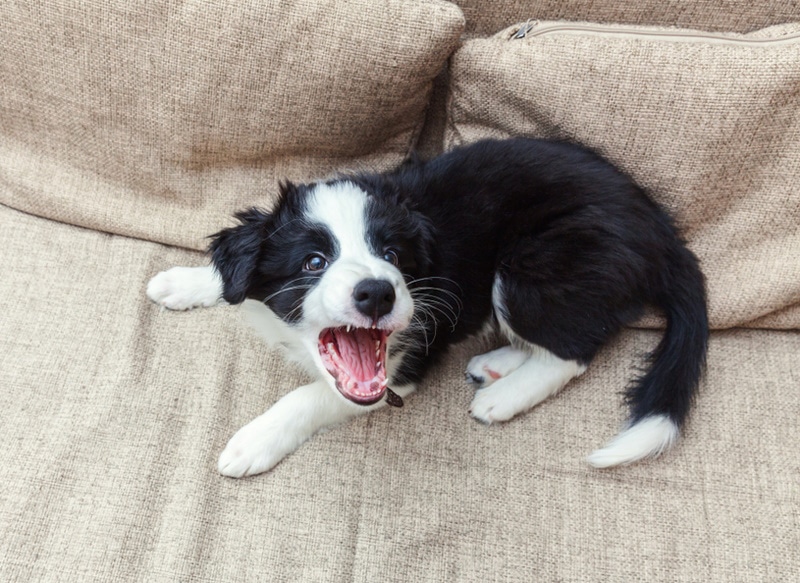
Puppy aggression is a natural behavior when dogs are learning about acceptable behavior. They’re young and undergoing lots of changes in their lives. However, it’s not a behavior to be ignored. Your puppy must learn the difference between good behaviors and ones that should be avoided. The only way to know how to tackle the problem is by learning about the problem itself.
In this post, we address the signs of puppy aggression, five reasons why your puppy is acting this way, and what you can do to address the issue immediately. Let’s get started.

Signs of Puppy Aggression
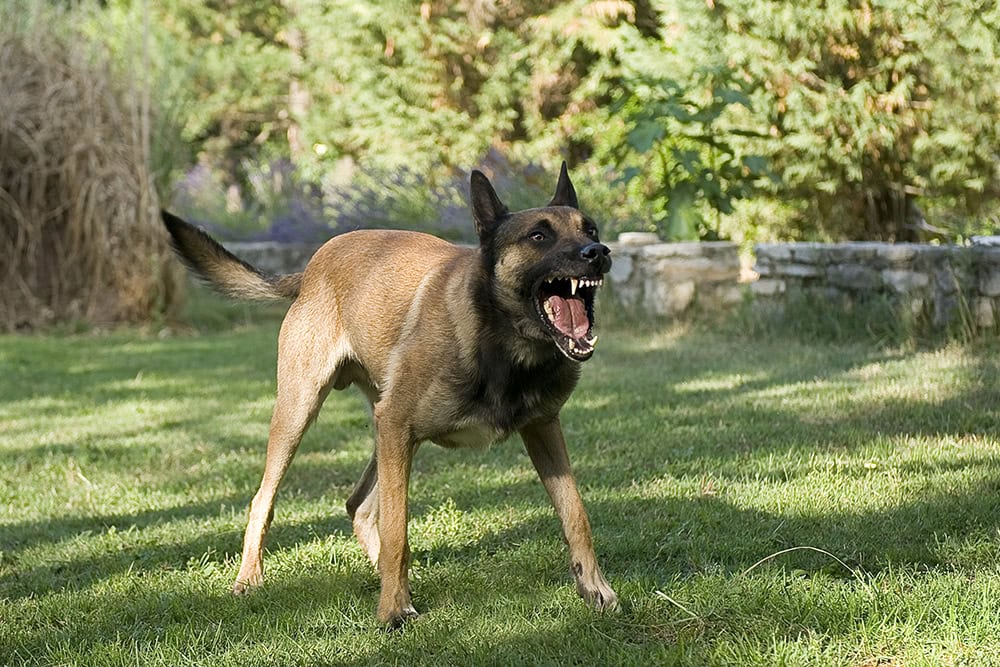
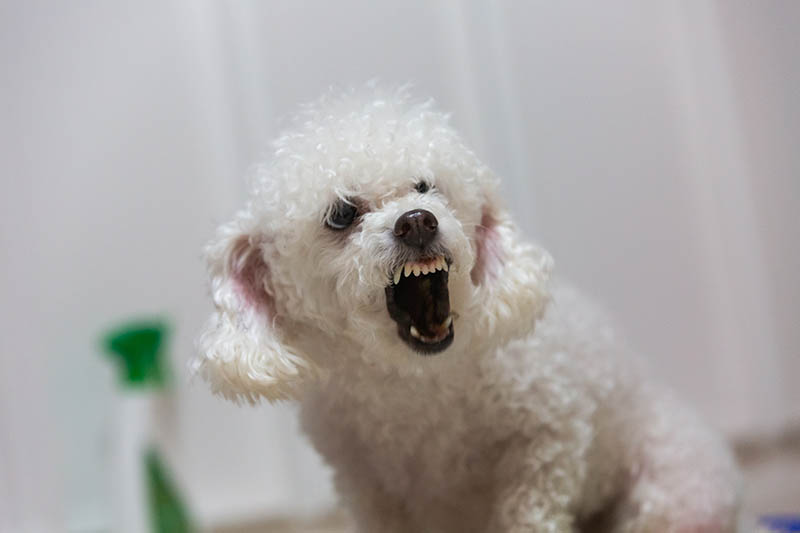
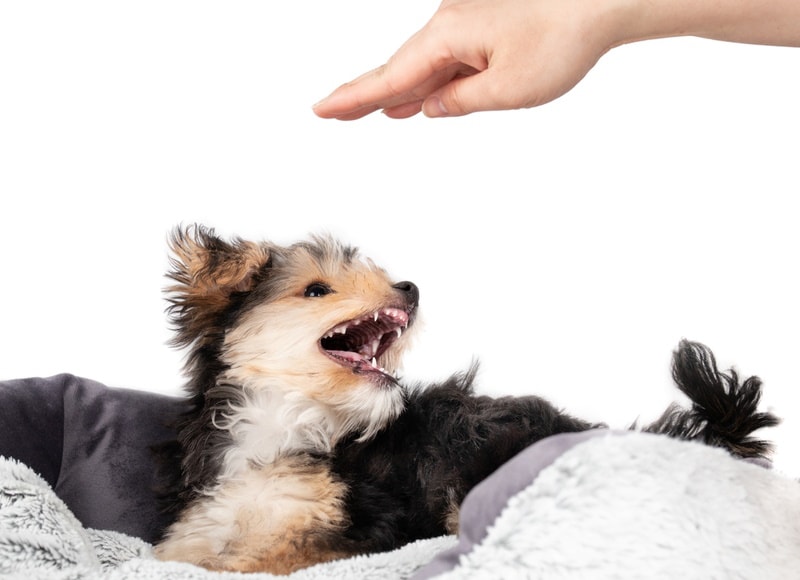
Puppies show different signs of aggression depending on what they’ve experienced or how they feel. Here are the most common:
Signs:
The 5 Possible Reasons for Puppy Aggression
1. Pain
When we’re in pain, we don’t always act very kind because of how uncomfortable we feel. Animals are the same way. Pain causes any animal to become reactive, especially when someone tries to touch them in a painful area.
What to Do:
2. Poor Socialization
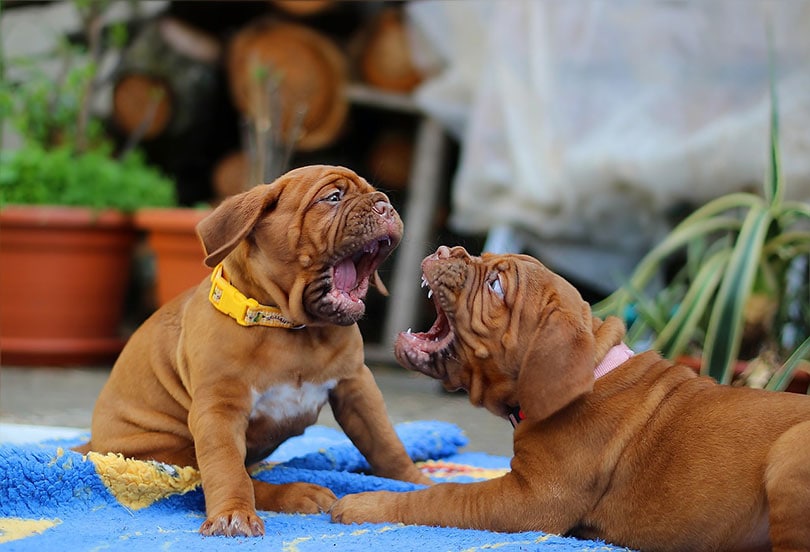
Under-socialized puppies may be reactive around other dogs and people. This is especially an issue if puppies were separated from the mother and litter while still too young. The most critical period for socialization is between 3 to 12 weeks old. Sometimes this time period is missed. Thankfully, dogs reach social maturity around 1–1.5 years old—much slower than cats.
Dogs are learning about what they can expect in life during the first 1.5 years, so it’s important to expose puppies to as many types of people as possible, and to as many dogs. However, we recommend you only choose healthy dogs with a known vaccination status while your puppy completes their vaccination schedule.
What to Do:
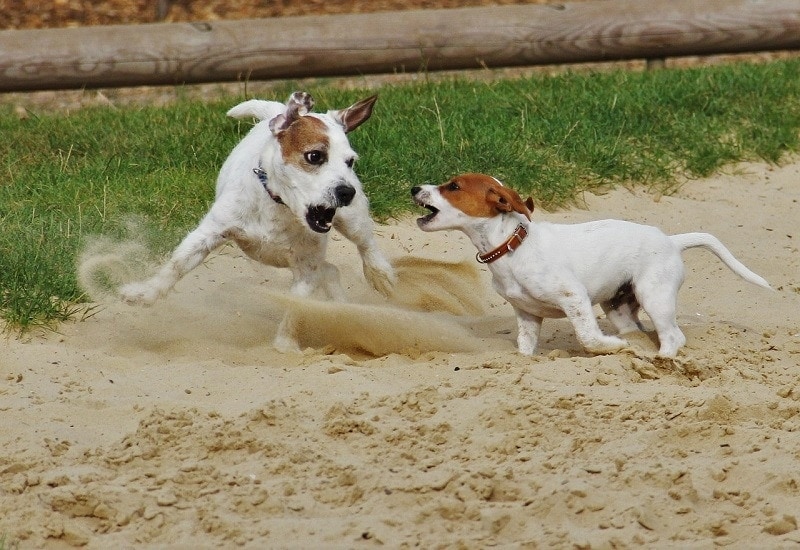
For inter-puppy aggression, there could be several reasons why your puppy is acting aggressive. A few include:
- Food
- Toys
- Reinforcement-based (learned behavior based on reward)
- Your puppy might be tired
Animals that live in hierarchical structures, puppies will naturally challenge each other's dominance while playing with their sibling. However, their mother will normally put a stop to it if things get a bit out of hand.
3. Resource Guarding
Food, toys, and people can cause a puppy to become possessive and lash out at another dog if boundaries are crossed. Resource-guarding instincts tend to drive this behavior. Puppies that have had to fight for their food or are used to guarding loved ones may act possessive.
What to Do:
4. Fear
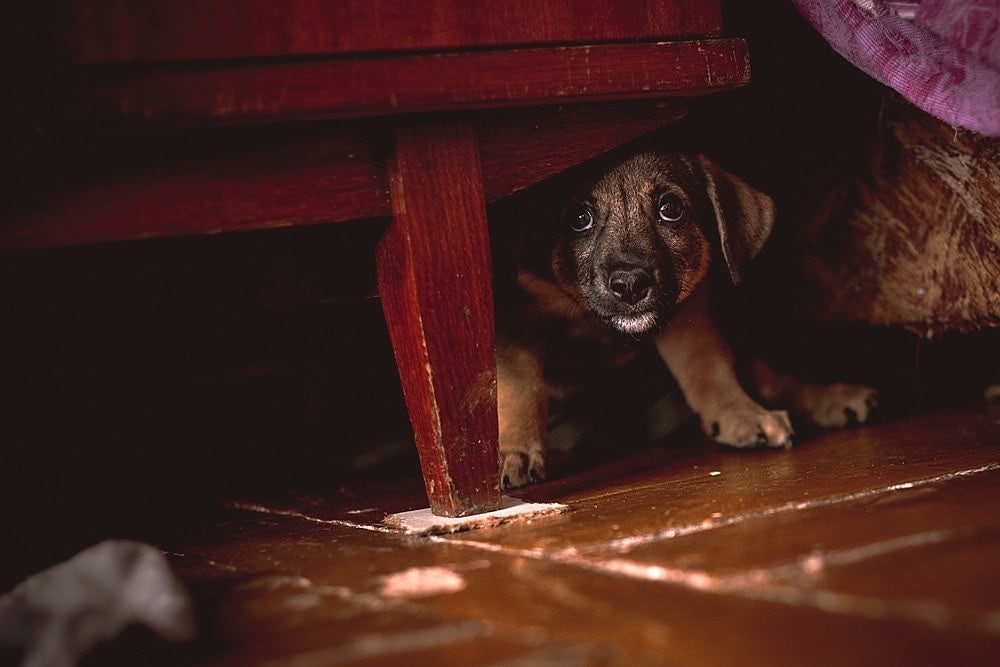
If a puppy is scared and perceives something as a threat, they are likely to growl, snap, or bite. And while we might perceive this as aggression, in reality, a puppy is simply trying to protect themselves. If a puppy is startled and touched without consent, such as when they are sleeping, this will scare them and they are likely to snap.
What to Do:
5. Exhaustion
Puppies are bundles of energy, but they also need a lot of rest and recovery to support their development. We all get cranky when we’re exhausted, and your puppy is no different. The only difference is puppies might express their exhaustion through aggressive behavior. Adult dogs may understand what is acceptable and what is not, but puppies are still learning and may defer to inappropriate behavior.
What to Do:
FAQ
Are Puppies Aggressive When Teething?
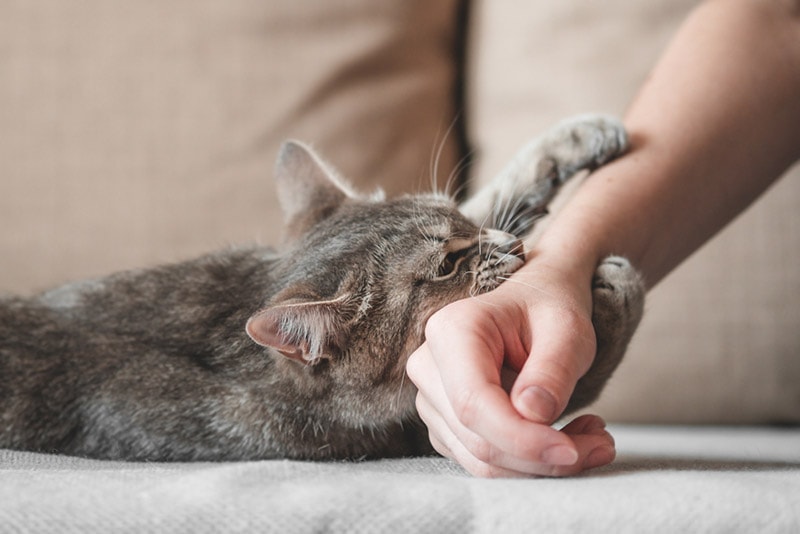
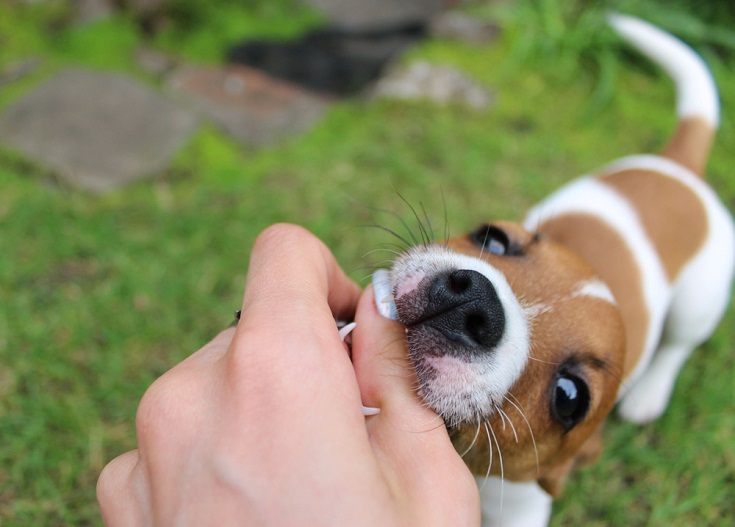
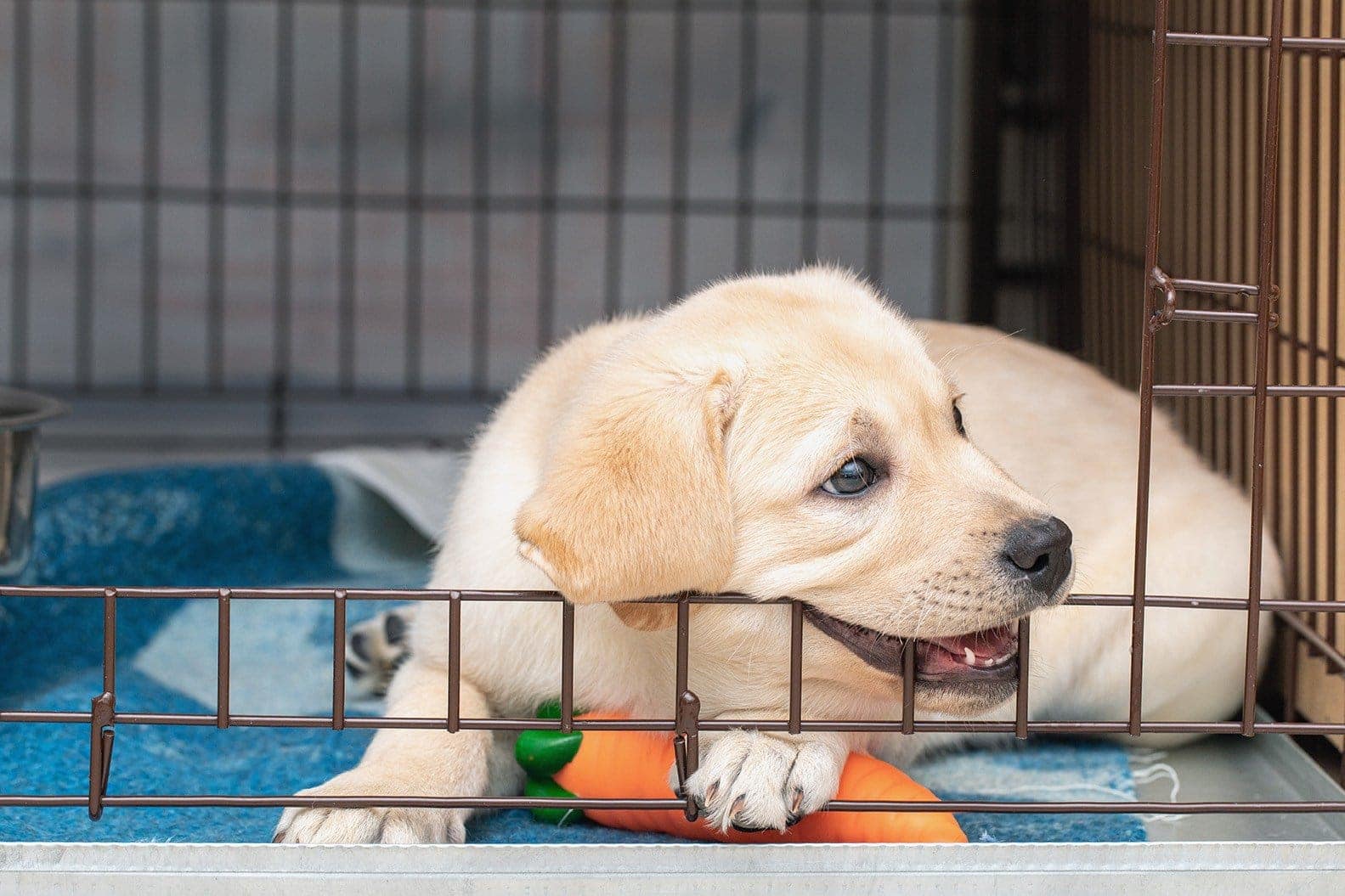
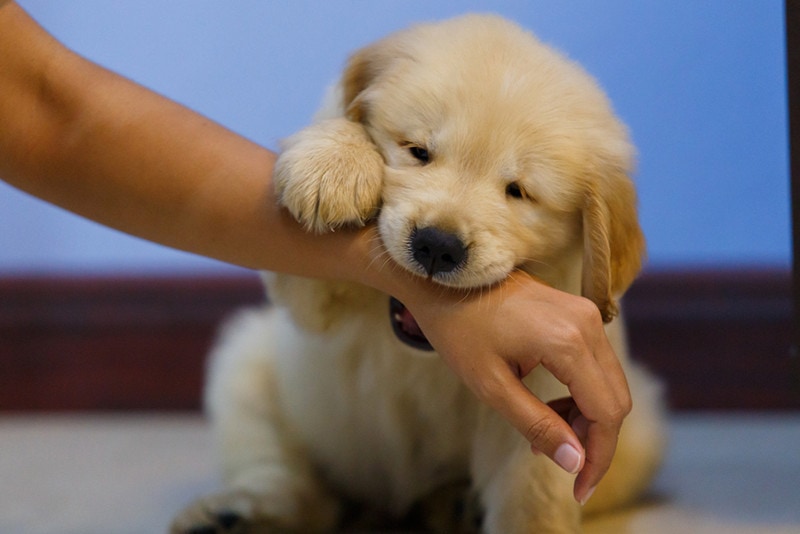
Teething isn’t true aggression, but it’s often confused as such. Teething puppies chew on anything and everything, and they don’t understand the power of their bite yet. This can come across as aggressive behavior, but fear not! It’s normal dog behavior as long as it’s not accompanied by other aggressive behaviors. A common reason for puppies to experience pain and discomfort is their teething process, especially if they suffer from an infection or retained teeth. This could trigger the puppy to develop aggressive behaviors.
Do not allow your puppy to bite you. During these crucial times, it is important to establish the rules of the game. Do offer your puppy teething toys and speak to the veterinarian about ways of relieving their pain and discomfort.
Should I Rehome My Puppy?
Puppies need time to learn appropriate behaviors and adjust to new homes. Rehoming a puppy could make matters worse for another owner.
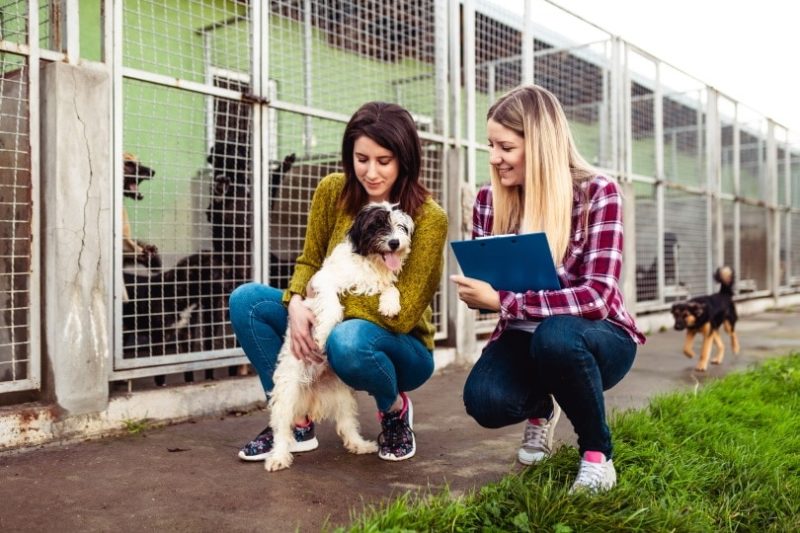
However, sometimes a puppy just isn’t right for a home, or an owner isn’t right for a puppy, and that’s okay. Homes with small children or other pets need a puppy who will grow well into the environment without worry of physical harm. Work with your local rescue to find a new home that’s perfect for your puppy, and learn from the experience.
Final Thoughts
Puppy aggression is perfectly normal, but it’s a behavior that needs to be addressed immediately. Don’t let your puppy do anything that would cause you and other dogs to not like them. No one wants to be “that owner” at the dog park, right?
Be patient and apply some of the advice above to your puppy’s behaviors. You were a kid once too; this is your puppy’s time to learn and grow.
Sources
Featured Image Credit: Julia Zavalishina, Shutterstock
Get Hepper In Your Inbox


Pet care tips from our vets and experts, straight to your inbox.
You may opt-out at any time. View our Privacy Policy for more information.
Cassidy is a vet tech and pet sitter who has more recently become a pet writer. She loves cats and dogs and has had dozens of pets over the years. Her specialty is the human-animal bond.
Cassidy and her husband currently live in Kansas with a German Shepherd named Raven, two cats named Lucy and Streudel, and several backyard chickens.
Join the conversation
Ask a question, share your story, or send private feedback.