Hepper is reader-supported. When you buy via links on our site, we may earn an affiliate commission at no cost to you. Learn more.
What Is the 3-Day, 3-Week, 3-Month Rule for Rescue Dogs? Important Facts to Know



In this article
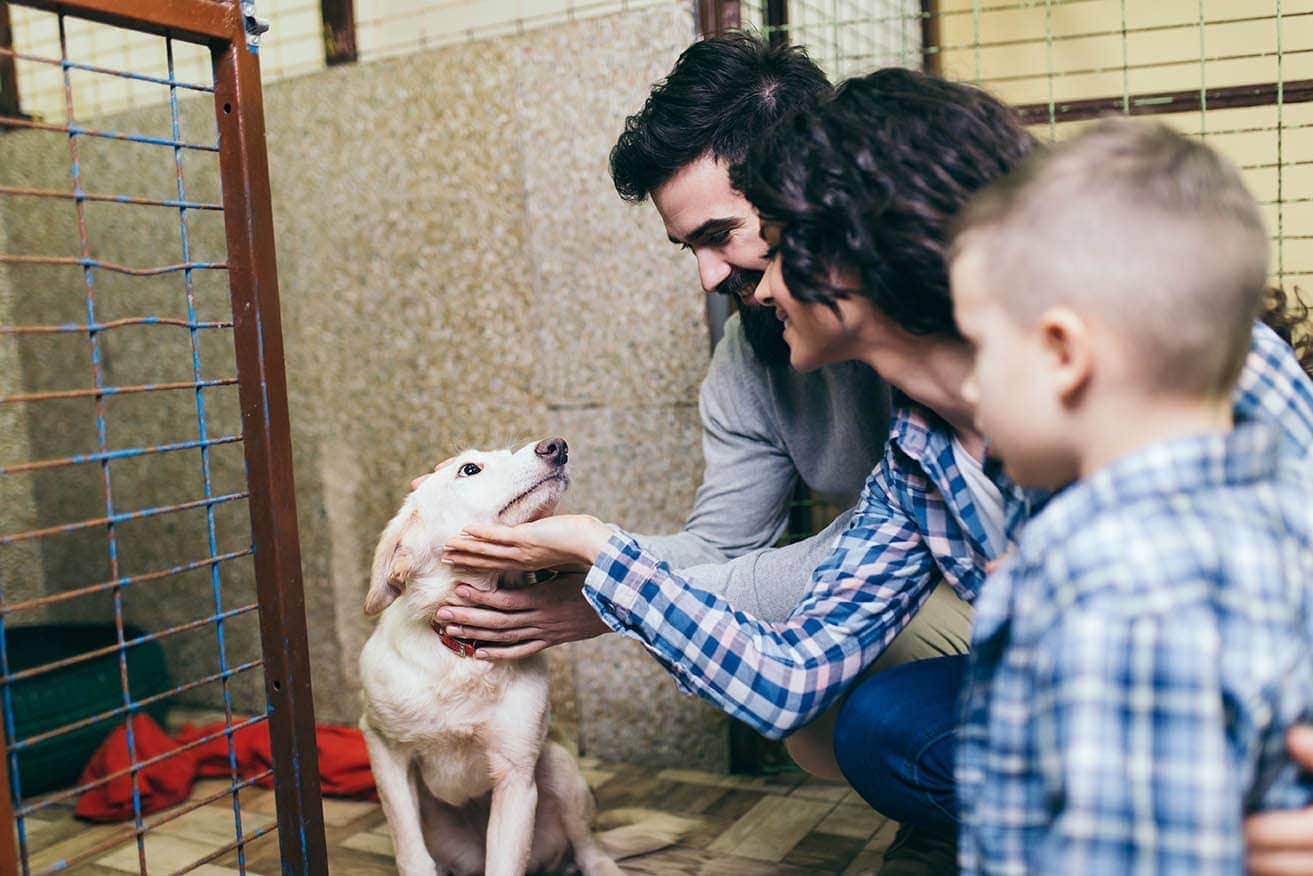
Bringing home a rescue dog can be a completely different experience from bringing home a young puppy that grew up in the nurturing home of a responsible breeder. Depending on the rescue dog’s background, you can expect to encounter some unique challenges as your rescue dog learns to adjust to its new life with you.
The 3-day, 3-week, 3-month rule was developed to help new dog owners navigate the significant transition that accompanies a rescue dog. Here’s a breakdown of what this rule looks like.

Before You Bring Your Rescue Dog Home
There are several things you can do to prepare your home for your new rescue dog. The first thing is to create a designated quiet space where your dog can retreat and find safety and comfort.
Rescue dogs can benefit from crate training because this can help them establish a specific safe zone where they can eat and rest. Make sure that this setup is in a quiet and calm part of your home.
Next, dog-proof your home by removing any items that look like enticing chew toys for dogs. Unplug and stow away any electric cords and store shoes and clothes in secure closets.
Lastly, make sure to purchase any essential items, such as dog bowls, a leash and collar, dog food, and treats.

3-Day Period
It’s common for rescue dogs to feel overwhelmed and scared when they arrive at their new home. They may appear stressed, reserved, and anxious and may not want to eat. Other dogs may immediately start to test their boundaries and see what they can get away with and what behaviors are acceptable and unacceptable. Some dogs can also be excited to roam free in a larger space and can be easily aroused.
It’s extremely important to remain calm and patient during this period. Start being consistent with rules and training to prevent dogs from learning unwanted behaviors and provide plenty of opportunities for your dog to see you as a trustworthy figure in their life.
It’s also essential to not overdo it with your rescue dog during this time. Respect their boundaries and comfort level and give them some space to get used to their new surroundings.
3-Week Period
By 3 weeks, your dog will most likely start to settle in and feel more comfortable in your home. They can still be figuring out their environment and adjusting to new lifestyle changes. You may also start to see more of its unique personality.
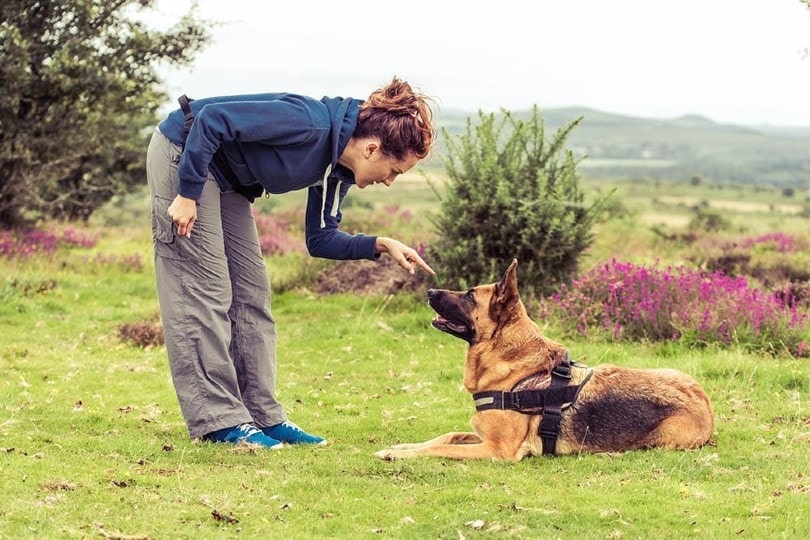
Some dog owners will start to experience behavioral challenges with their rescue dogs. By this time, dogs should be receiving obedience training. Consistent training will help immensely with helping new dogs adjust to their homes as they learn the rules and healthy boundaries that come with being a part of the family.
It’s recommended for dog owners to work with a reputable trainer during this phase. Some trainers can even offer discounted prices for rescue dogs that enroll in their obedience classes or one-on-one training sessions.

3-Month Period
By 3 months, your rescue dog will have gotten used to your home and will have a proper understanding of what their life with you looks like. By providing adequate training, engaging in plenty of play sessions, and spending ample amounts of time with your dog, you will have established a strong bond with your dog that will only continue to strengthen over time.
Rescue dogs can also establish a set routine by the 3-month mark, so remain consistent with your schedule leading up to this moment. Having set meal times, walks, and play sessions can help immensely with dogs feeling secure and can even prevent the development of behaviors such as separation anxiety.
Wrap Up
The 3-day, 3-week, 3-month rule is a basic guideline of what you can expect as your rescue dog adjusts to their new home. However, each dog is different, so don’t expect to see these developments occur exactly within these set timeframes.
The most important thing is to continue to build trust with your dog and establish a consistent routine and training schedule with them. Don’t ever hesitate to enlist the help of a good dog trainer. Rescue dogs need a special kind of love and care, and when you’re able to provide for those needs in a way that they understand, you’ll be sure to have a loving and loyal companion in your life.
Featured Image By: marcinm111, Shutterstock
Get Hepper In Your Inbox


Pet care tips from our vets and experts, straight to your inbox.
You may opt-out at any time. View our Privacy Policy for more information.
Jessica is a freelance writer who spends most of her day reading and writing while her fluffy Cavapoo, Nora, naps beside her. She loves and appreciates pets and animals because there’s so much to learn from them, and they do so much for people. As a dog mom, she understands the special relationship that pet parents have with their pets. So, she loves sharing helpful information that people can use to better understand their pets. When she’s not writing, you can find her walking dogs, tending to her plant babies, or drinking her nth cup of coffee.
Join the conversation
Ask a question, share your story, or send private feedback.