Hepper is reader-supported. When you buy via links on our site, we may earn an affiliate commission at no cost to you. Learn more.
Thrianta Rabbit: Pictures, Care Guide, Lifespan & Traits

In this article
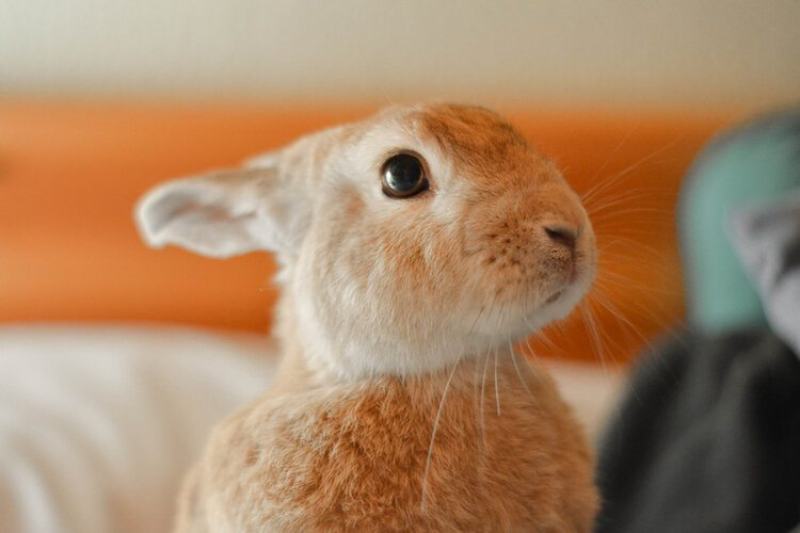
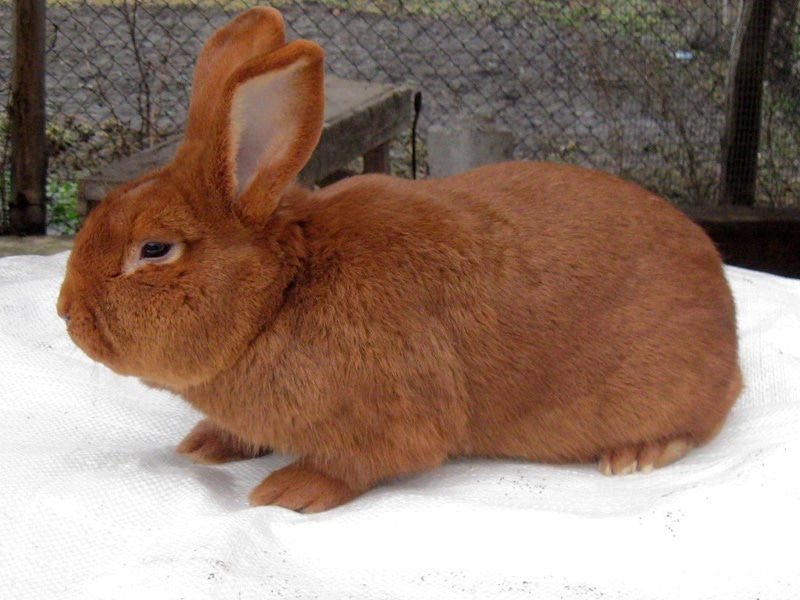
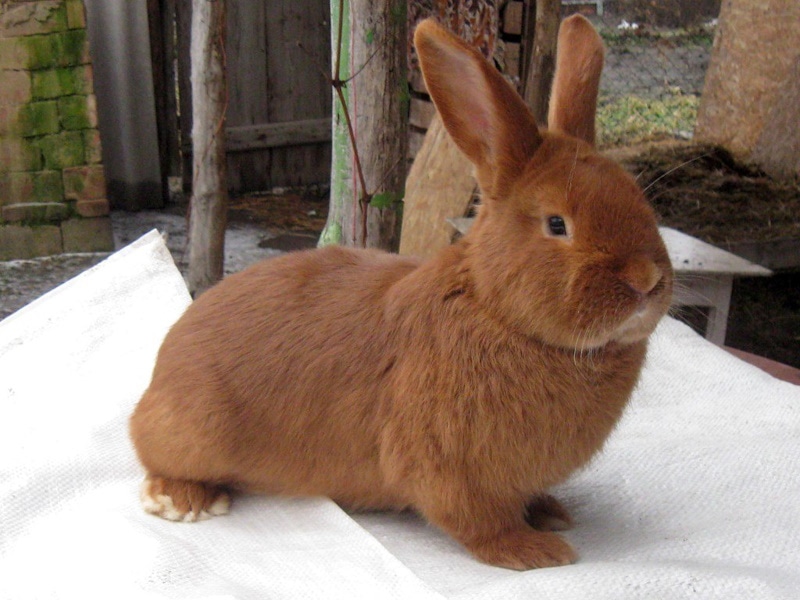
The Thrianta rabbit stands out for its unique orange-red fur. It is active, curious, and lively, with a hard-to-miss regal demeanor. Although only introduced in the 1990s in the United States, it was first developed in the 1930s as a tribute to the Dutch royal family.
Does the Thrianta rabbit pique your interest? Read on to learn about its breed profile, history, care needs, and more.
| Size: | Small to medium |
| Weight: | 4 - 6 pounds |
| Lifespan: | 5 - 10 years |
| Suitable for: | Individuals, families, and seniors who want a docile lap pet |
| Similar Breeds: | Britannia Petite, Havana rabbit |
| Temperament: | Active, curious, friendly, gentle, and lively |
The Thrianta rabbit, fondly dubbed "fire of the fancy," is a bright-colored breed uniquely created by H. Andreae, a school teacher. Named after his hometown Thrianta, this rabbit breed was developed in honor of the Netherlands’ royal house, the House of Orange-Nassau.
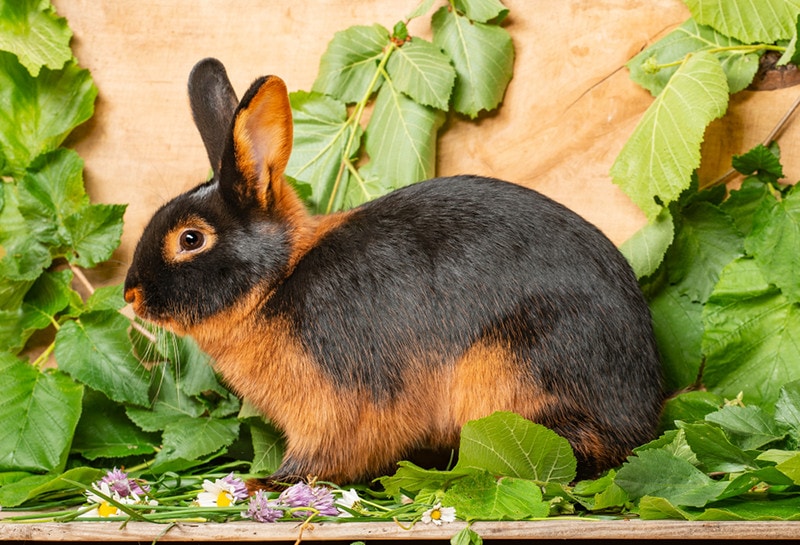
Although the precise period of creation remains a mystery, the Thrianta rabbit was developed around the 1930s. H. Andreae bred three different rabbit breeds, including the self-colored Tortoise Papillon rabbits, Black and Tans, and the Havana rabbits.
The Dutch recognized the Thrianta rabbit as an official breed in 1940, just before World War II. Unfortunately, it went nearly extinct during the war because it was used as a primary food source. After the war, the Thrianta rabbits were bred with German rabbits to save their dwindling numbers. This created the breed as it is today.
It was not until the 1990s that an American rabbit breeder, Judith Oldenburg-Graf of Iowa, introduced this breed to the United States. In 2005, the Thrianta rabbit became the first new breed passed by the American Rabbit Breeders Association since 1988.
Thrianta Rabbit Breed Characteristics

How Much Do Thrianta Rabbits Cost?
Thrianta rabbits are still considered a regal breed. As such, they can be pricey, especially if you want a show-quality bunny.
Pet-quality Thrianta rabbits go for $25 to $50, while their show-quality counterparts can cost as much as $100. Expect to pay more when dealing with a reputable breeder who can also provide detailed breeding records.
Temperament & Intelligence of the Thrianta Rabbit
Thrianta rabbits have a sweet and calm demeanor. They are gentle, quiet, and mild-mannered, which makes them excellent companions even for first-time pet parents. Although they have a compact body type, they are not fragile and can be handled safely, especially by older kids.
Like most rabbits, Thriantas are curious, active, and lively.
They like being around their owners and happily indulge in long cuddling sessions. The breed also has a lazy streak, making it crucial to provide environmental enrichment and engage it in play sessions.
Although Thriantas are not the most intelligent breed, they have sharp instincts and refined auditory, vision, and smell senses. They can sense danger from miles away and bite if threatened. It is crucial to teach your children how to handle their pets to avoid accidents.
Do These Rabbits Make Good Pets? 👪
Thrianta rabbits make excellent pets because of their sweet and gentle temperament. However, they are high-strung and can turn aggressive if scared. Generally, they are unsuitable for young rumbustious kids.
On the bright side, Thriantas interact well with their owners and older children who understand proper handling practices. To give your child and pet the best chances of bonding, teach your kid how to handle and care for a bunny before you bring it home.
Does This Rabbit Get Along With Other Pets?
Thrianta rabbits are territorial and don't score high in their sociability with other pets.
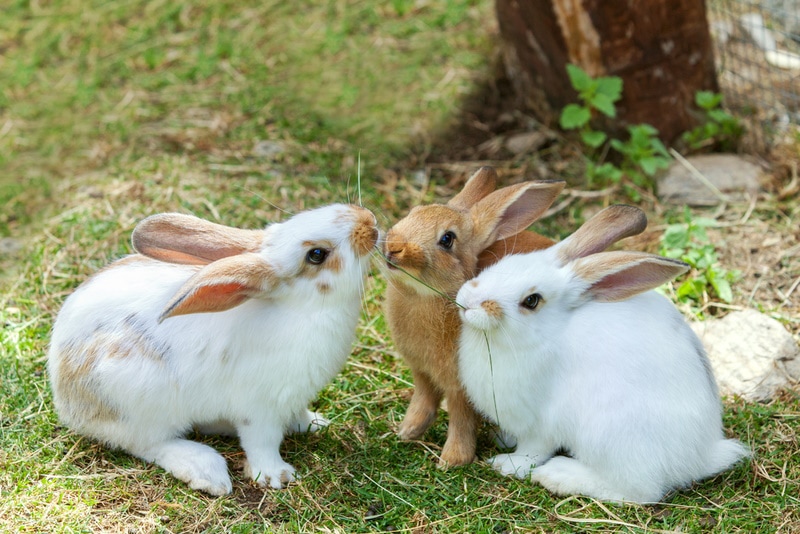
However, they can get along with other bunnies if raised together or properly introduced. Moreover, they can tolerate having other pets like cats and dogs, especially those with a calm and gentle disposition.
Rabbits are prey to pets like cats and dogs. It is imperative to supervise interactions and cage your bunny when you are not around. There is always a risk of your seemingly cuddly cat wanting to "hug" your rabbit and take a bite of its neck.
The secret to ensuring your bunny relates well with other household pets is to make it feel secure. Take it slow during introductions, and don't be tempted to force relationships. Also, discourage rough play and separate the pets if your rabbit gets scared or upset.

Things to Know When Owning a Thrianta Rabbit
Before you bring this rabbit breed to your home, here are essential things you should know about its care needs.
Food & Diet Requirements 🥕
Thrianta rabbits don't have any exceptional food and dietary requirements. Like all other rabbits, they need a constant supply of hay and water.
Also, you should provide fresh vegetables like lettuce, radish, broccoli, cauliflower leaves, cabbage, spinach, kale, Brussels sprouts, and rocket. Your pet only needs pellets in moderate amounts to pack its body with essential vitamins and minerals.
Apart from hay, it would help if you served all other foodstuffs in portions appropriate for your pet.
Consider its age, size, and activity levels to avoid overfeeding. Thrianta rabbits have big appetites and can quickly add unhealthy weight if overfed.
Habitat & Hutch Requirements 🏠
Thrianta rabbits can live indoors or outdoors. The general rule when building a hutch is to provide as much room as possible.
Ensure your enclosure can also fit environmental enrichment equipment to keep your bunny entertained and encourage it to exercise.
If you choose to keep your pet outdoors, ensure the hutch is above ground. The ideal cage size should be at least 24″ by 36″ per bunny. While the walls can be made of bunny-proof wire to allow proper air circulation, the floor must be made of solid material.
You can use wood, plastic, or carpet, provided it's easy to clean.
Moreover, ascertain that the overall design of your hutch can help maintain a temperature of 45 to 70 degrees Fahrenheit. It should provide sunlight, proper ventilation, and protection from unfavorable weather conditions.
Exercise & Sleeping Needs 🐇
Thrianta rabbits love to run around and get goofy when they experience energy bursts. It is vital to provide at least three hours of playtime outside the hutch, where they can run free-range. If yours is a strictly indoor pet, a minimum of 32 square feet of space will suffice to allow it to run around to its heart's content.
Although Thrianta rabbits are not a particularly active breed, keeping them locked in a cage throughout the day can be detrimental to their overall health. They are social creatures that require mental stimulation to kill boredom and discourage destructive behavior.
Thrianta rabbits love lounging around and taking short naps throughout the day. This makes it vital to provide warm and comfortable sleeping space. Like most bunnies, your pet will appreciate a cozy bed with bedding material like shredded paper, pellets, Aspen shreds, and Timothy hay.
It is common for rabbits to confuse their bedding with a toilet. To make cleaning easier, it's best to use a soft, comfortable, and absorbent bedding material.
Also, don't change the bedding too frequently to avoid stressing your furry friend. Thrianta rabbits have an incredibly sharp sense of smell, and fresh bedding can seem like a threat to their territory. Removing part of the bedding material twice a week and then topping it up will suffice.
Training 🥎
Thrianta rabbits are moderately intelligent, making them tricky to train. It takes patience and perseverance to help your pet learn basic potty manners. Start early and always put your pet's droppings on the designated litter base to make it recognize it as the place to go. If you are up to the task, you can even teach your bunny to walk on a leash!
You must mimic the bunny's calm demeanor to make training sessions less frustrating for you and your pet. If you raise your voice or use punitive training methods, it will likely perceive you as a risk and try to escape.
Grooming ✂️
Thrianta rabbits have short, thick, and soft coats that don't require much maintenance. They are very clean and will spend much of their day self-cleaning to keep things neat. Still, you should brush their fur once in two weeks or once weekly during the shedding season in spring and fall.
To keep your pet's coat in the best condition, regularly check the bottom for stuck-on dirt and signs of flystrike. Also, use a flea or tick repellant, especially if your bunny lives outdoors or plays outside. Generally, the coat doesn't need to be dunked in water, so there is no need to bathe your rabbit.
Your bunny doesn't need teeth brushing, although you should provide plenty of hay and chew toys to keep its teeth healthy and prevent overgrowth. The only area that needs attention is the nails. Routinely check them for dirt build-up and infection and trim them once a month.
Lifespan and Health Conditions 🏥
Thrianta rabbits are not problematic as far as their health is concerned. They have a life expectancy of five to ten years, with most rabbits crossing the seven-year mark with proper care. Still, regular vet checks are essential to prevent or provide timely treatment for the following minor and serious health conditions.
Male vs Female
Generally, both male and female Thrianta rabbits make excellent family pets. None is better than the other, although owning one gender can give you a slightly different experience. If you must choose between the two sexes, here is what you need to know.
Appearance
Apart from the apparent differences in sexual organs, there are not many physical differences between male and female Thrianta rabbits.
However, you can differentiate a doe from a buck because one will have a more feminine overall appearance while the other will seem more masculine. Also, you'll notice that male rabbits from the same litter will be slightly larger than their female counterparts.
Temperament
Male Thrianta rabbits are friendlier, more outgoing, and less likely to be aggressive. They are also more curious and sociable, making bonding with kids and other pets quicker.
Their female counterparts are more cautious, protective, and defensive.
They typically take longer to form bonds and are quick to aggression if they feel threatened. However, they become more loyal and affectionate towards the people they trust. Most pet parents claim they are also cleaner, smarter, and easier to potty train.
3 Little-Known Facts About Thrianta Rabbits
1. The Original Breed Looked Slightly Different
The original Thrianta rabbits, as developed by H. Andreae, looked different from the orange-red bunnies we know today.
They had a hint of tan under their orange top coats. This made them challenging to maintain, and their numbers quickly dwindled during World War II. By 1966, the Dutch standards no longer recognized the original presentation of the rabbit.
2. The ARBA Only Recognizes One Coat Color Scheme
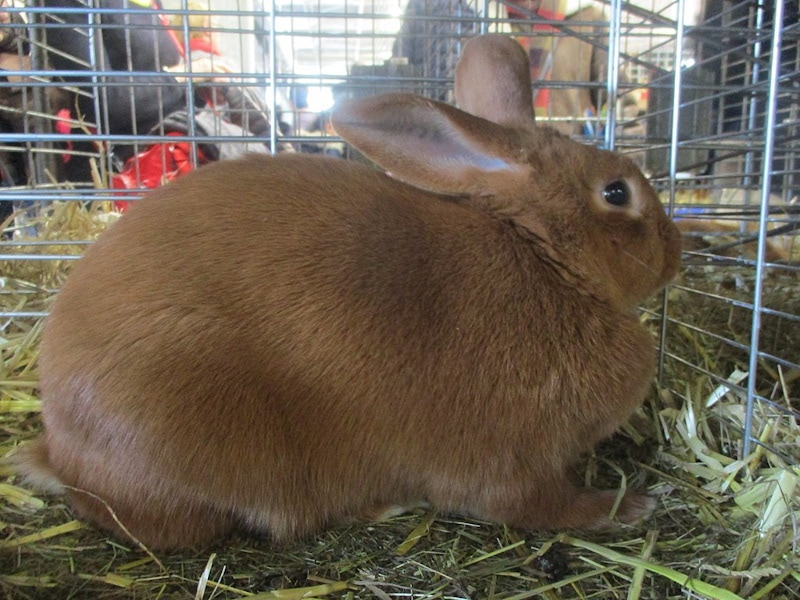
According to the ARBA breed standards, Thrianta rabbits must have the signature orange-red coat.
Although the coat should have no markings, it should be fawn under the paws and tail. Also, the coat must be short, thick, and soft to the touch. If you stroke your pet's fur in the opposite direction, the fluffs should effortlessly fall back to their original position.
3. ARBA Recognized Judith Oldenburg-Graf Efforts
Judith Oldenburg-Graf of Iowa was the first to import the Thrianta rabbit into the United States. Her efforts did not go unnoticed, and the American Rabbit Breeders Association (ARBA) awarded her the first Certificate of Development for the breed.
This was right after the association formally recognized the Thrianta rabbit in 2006.
Final Thoughts
Thrianta rabbits are gorgeous creatures thanks to their rich, orange-red fur that is thick, soft, and irresistible to stroke. This, plus their calm, gentle, and easy-going demeanor, makes them excellent companions for folks who enjoy the company of docile lap pets.
Before adopting a Thrianta rabbit, ensure you are ready to match its energy. It's generally easier to bond with this breed if you maintain a calm and gentle disposition when handling it.
As a regal breed, it's no surprise that the Thrianta rabbit despises people and pets that are rough or loud.
Featured Image By: Georgia Evans, Shutterstock
Get Hepper In Your Inbox


Pet care tips from our vets and experts, straight to your inbox.
You may opt-out at any time. View our Privacy Policy for more information.

Nicole is a lover of animals of all sizes but is especially fascinated with the feline variety. She’s the proud mom of Baby, a Burmese, and works every day so he can relax in the sunshine or by the fire. She’s always had a cat in her home and has spent countless days with others, observing behaviors and softening up even the grouchiest of the lot. Nicole wants to share her kitty expertise with you so you and your cat can live happy, healthy, and care-free.
Join the conversation
Ask a question, share your story, or send private feedback.