Hepper is reader-supported. When you buy via links on our site, we may earn an affiliate commission at no cost to you. Learn more.
Tosa Inu (Japanese Mastiff): Pictures, Care Guide, Temperament & Traits
In this article
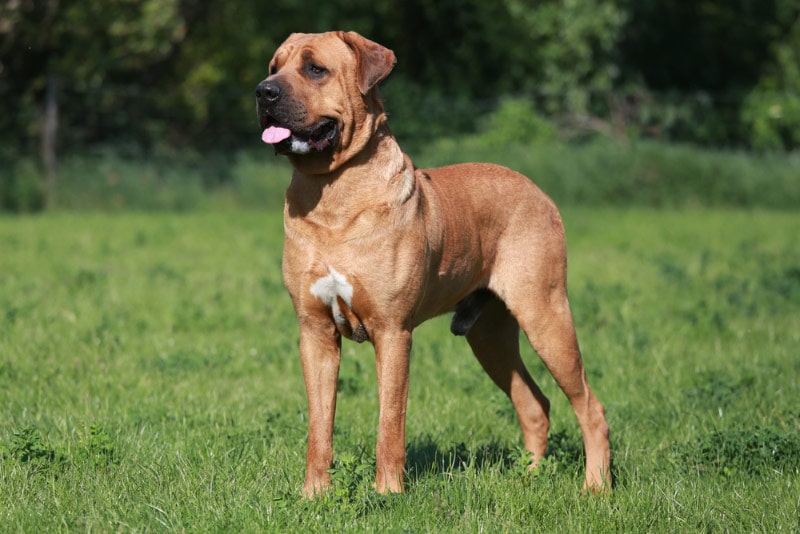
The impressive Tosa Inu, also known as the Japanese Mastiff, demands the attention of anyone who encounters them. These dogs are large, muscular, and come with a reputation. The Tosa Inu was originally bred in Japan as a fighting dog. Now, that dangerous reputation is wavering, and these dogs are being considered amazing guardians for homes and families. Read on to learn more!
Breed Overview
Height:
Weight:
Lifespan:
Colors:
Suitable for:
Temperament:
The Tosa Inu was revered in its homeland due to its quiet demeanor and abilities in the dog fighting world. Thankfully, dog fighting is no longer allowed in Japan and this breed is being seen as more than a fighting dog. With proper training and socialization, this breed can be a wonderful pet for an experienced pet owner.
Tosa Inu Characteristics

Tosa Inu Puppies
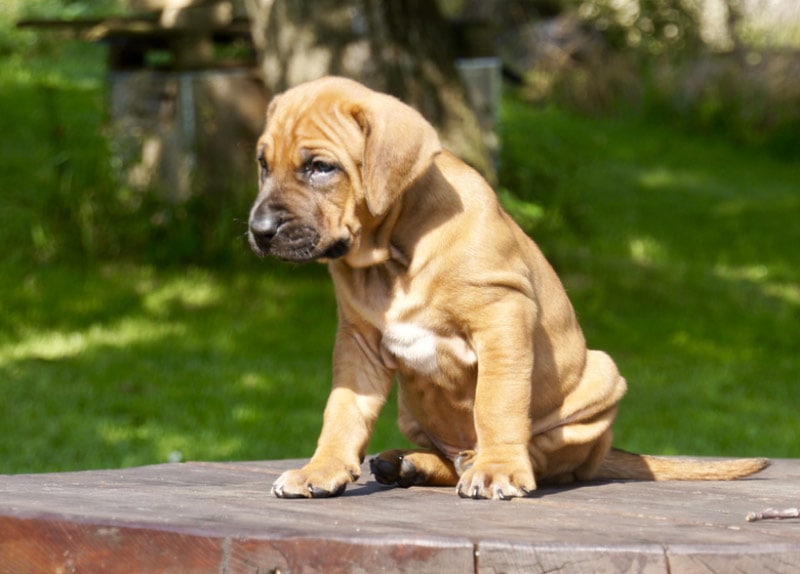
If you’ve decided to bring a Tosa Inu puppy into your home there are several things you should know beforehand. First, before starting your search for the perfect pup, learn the laws regarding this breed in your country or state. Several countries ban or restrict ownership of this breed. These include Australia, Denmark, New Zealand, Norway, the United Kingdom, and a few more. In the United States, you’ll find that several states have restrictions and bans also. Even certain pet insurance providers will not offer policies for this breed.
You’ll also discover that the Tosa Inu is a rare dog breed. According to where you live, you may find it difficult to find one of these dogs in your local shelter. While finding a breeder can be difficult as well, breeders and dog rescues will be your best bet if you want a Tosa Inu. Once you have one of these puppies in your home, you’ll need supplies that all puppies need. These include high-quality food, bowls, fresh water, a comfortable bed, and toys. You’ll also need to provide lots of training.
Tosa Inus were bred for dog fighting, and have a reputation for being aggressive. This isn’t necessarily the dog’s fault, since they were bred and trained to be aggressive in the past. But due to this and their size, it’s recommended that these dogs aren’t part of families with small children. The Tosa Inu also struggles when it comes to being around other dogs and animals thanks to its aggressive nature. This makes them a breed that does better without other pets in the home. You’ll also need to begin training and socialization early to control unwanted behaviors they often exude. For this reason, experienced pet owners are best suited for this breed.
Temperament & Intelligence of the Tosa Inu 🧠
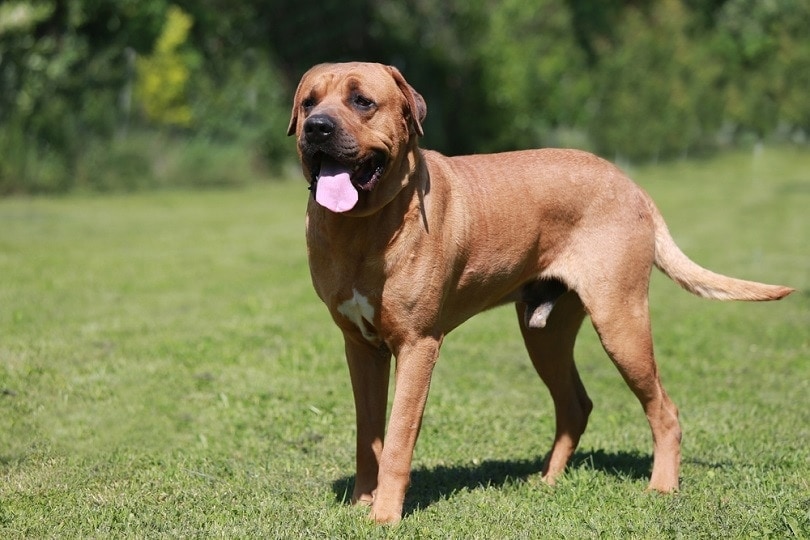
Tosa Inus are known for their aggressive background. Thankfully, responsible breeding is helping rectify this issue and improve their reputation. That doesn’t change that these dogs aren’t challenging. Tosa Inus are strong, loyal, and intelligent dogs. While they love their owners and families, they aren’t fond of strangers. This is especially true when the breed feels threatened or fears for their family’s welfare. First-time owners can struggle when it comes to training and controlling this breed.
Are These Dogs Good for Families? 🏡
It is difficult to label every dog in this breed as having issues in certain family settings. However, it’s hard not to see the size and power of this breed. Due to this size and the background of the breed, it’s difficult to say these dogs should be in homes with small children. However, thanks to the responsible breeding practices now in place, some feel Tosa Inus can be around children as long as the children are taught how to properly interact with these dogs.
Does This Breed Get Along With Other Pets? 🐶 😽
The Tosa Inu is not a breed that should be placed in homes with lots of animals. It’s not far-fetched to fear negative behaviors between this breed and other dogs in the home. You may even find this chasing issues when it comes to other animals. Aggression will show itself more if the Tosa feel their families are being threatened. Due to these reasons, most recommend having a Tosa Inu as part of a family with no other pets.
Things to Know When Owning a Tosa Inu
As you can see, the Tosa Inu is a breed that requires a dedicated, experienced owner who knows what they are up against. You must also consider this breed’s size. This means, as a large dog breed, they will require more food, toys, treats, and care. Let’s take a look at some of the requirements you should know about when choosing a Tosa Inu as your pet.
Food & Diet Requirements
As a puppy, the Tosa Inu will need high-quality puppy food 3 to 4 times daily. Considering the breed, you’ll need to follow guidelines provided by your veterinarian when it comes to the amount of food you feed each time. When your Tosa Inu enters adulthood, feedings should scale back. At this point, your dog will need high-quality dog food that is intended for a dog of this size. You’ll also want to keep in mind that Tosa Inus are not overly active. This means they can easily deal with obesity if left to free-feed or are overfed. As adults, Tosa Inus should eat two meals per day and have constant access to fresh, clean water.
See also: 10 Best Slow Feed Dog Bowls
Exercise 🐕
As we just mentioned, Tosa Inus aren’t the most active dogs out there. You’ll still need to ensure they get exercise to stay healthy and avoid weight issues. Tosa Inus will appreciate long, private walks or time running through the backyard. You can also try to engage them in play such as fetch. It’s important to keep a Tosa Inu from being bored. This will keep them happier and healthier.
Training 🦮
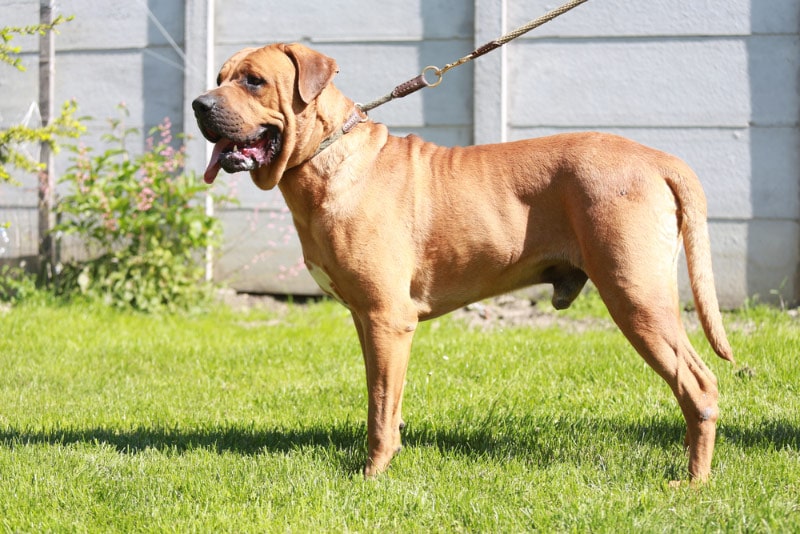
Training with a Tosa Inu begins when you bring your puppy home. You will need to be firm, consistent, and positive. This breed needs to know who is in charge but should not be yelled at or mistreated throughout training. Instead, use positive reinforcement and treat rewards. You’ll need to be careful when it comes to treats, however, to avoid weight gain. You will also need to start socialization early. While you may not be able to take your Tosa Inu everywhere you want, they need interactions with others to avoid negative behaviors.
Grooming ✂️
Tosa Inus are not heavy shedders and are easy to care for when it comes to grooming. Once a week brushings and baths when needed are the best course of action. You’ll also need to clean their ears and keep their toenails clipped. Using a soft-bristled toothbrush and pet-safe toothpaste will help keep your dog’s dental health in check.
Health and Conditions ❤️
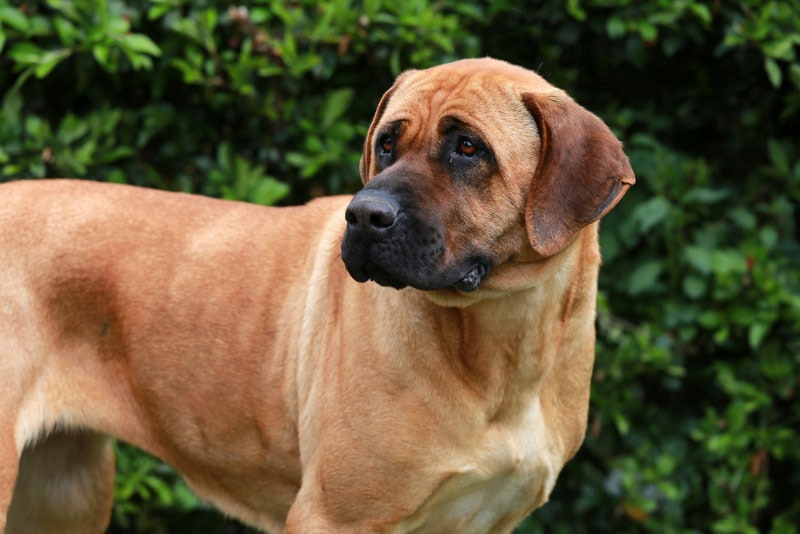
Overall, the Tosa Inu is a healthy dog breed. Considering this breed hasn’t been overbred, they have a lower risk of certain conditions. Taking your pet to the veterinarian for routine checkups and staying up to date on their vaccinations are great ways to keep your pooch healthier.
Male vs Female
The biggest difference between male and female Tosa Inus is the size. Like with many breeds, female Tosas are slightly smaller in height and weight. You’ll also want to ensure you have your Tosa Inu spayed or neutered. Your veterinarian can recommend when this should be done and explain more about the procedure and recovery times.
3 Little-Known Facts About the Tosa Inu
1. The Sumo Wrestler of the Dog World
The Tosa Inu is an impressive dog that has been bred in Japan for hundreds of years. The breed has been referred to as the sumo wrestler of the dog world and is known as a national treasure in its native land of Japan. Originally bred for fighting, the Tosa Inu did so without making noise or cowering. These actions were part of dog fighting traditions in Japan and helped this breed earn the reputation they have in their home country.
2. The Tosa Inu Is Not AKC Recognized
While this dog breed has been around for hundreds of years, it can be considered relatively new to the United States. They are also not officially recognized by the American Kennel Club. However, they were added to the AKC’s Foundation Stock Service in 1997 and approved to compete in AKC companion events since 2010.
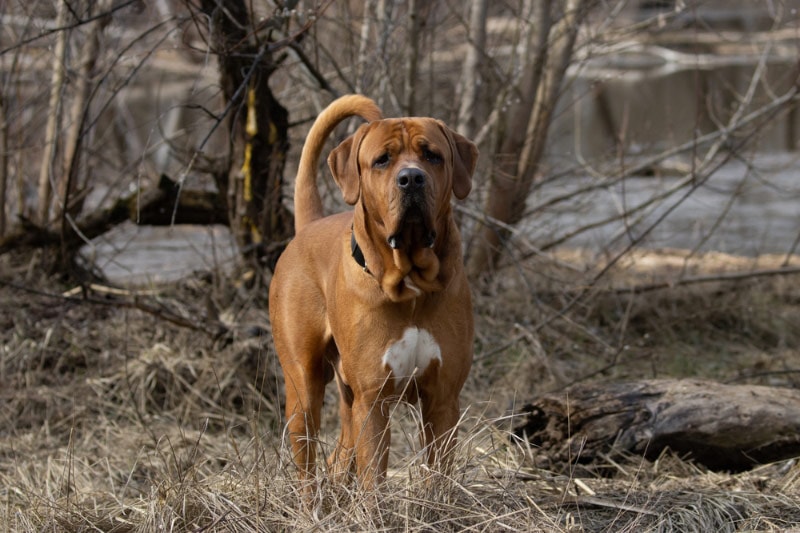
3. Many Breeds Make Up the Tosa Inu or Japanese Mastiff
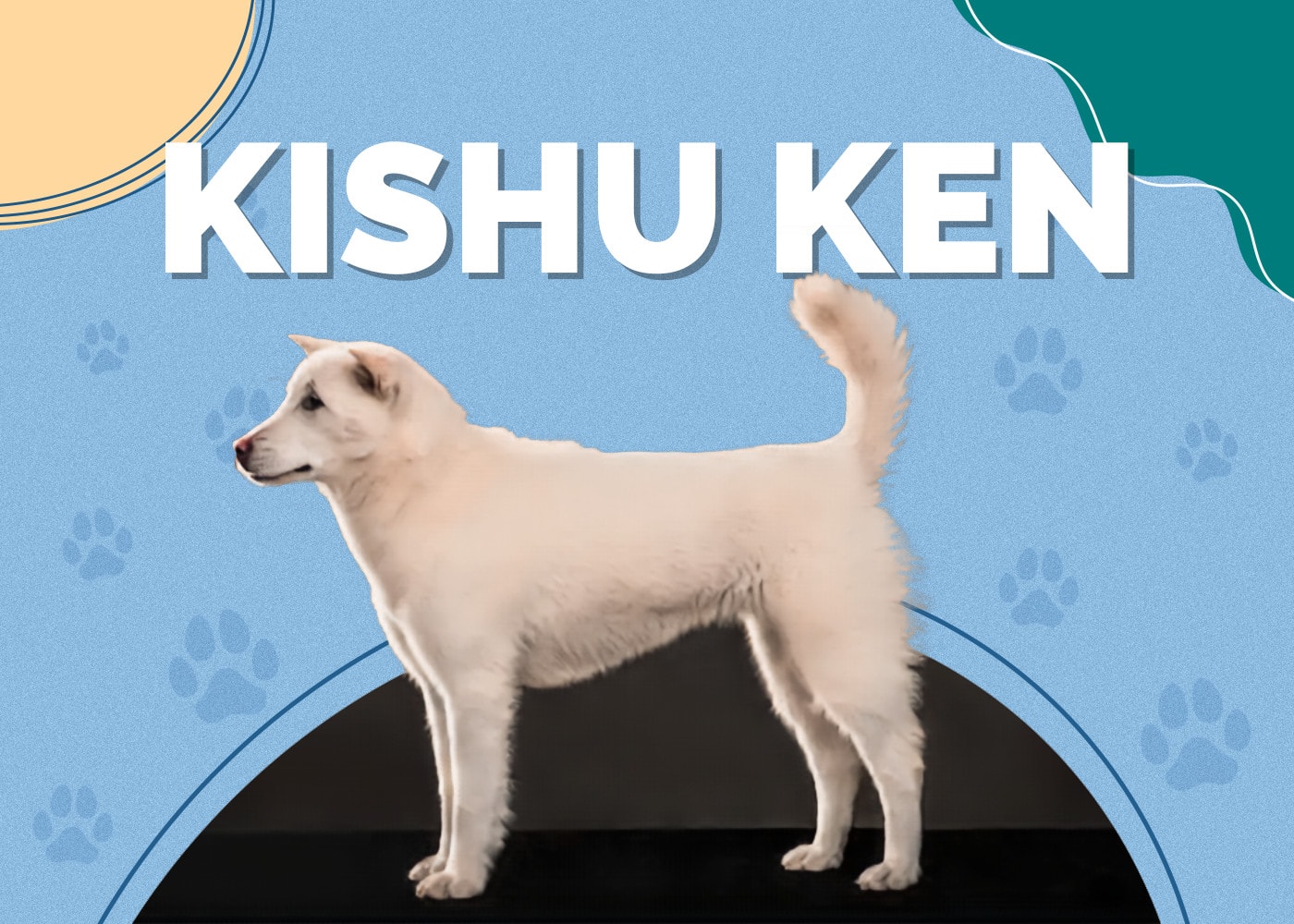
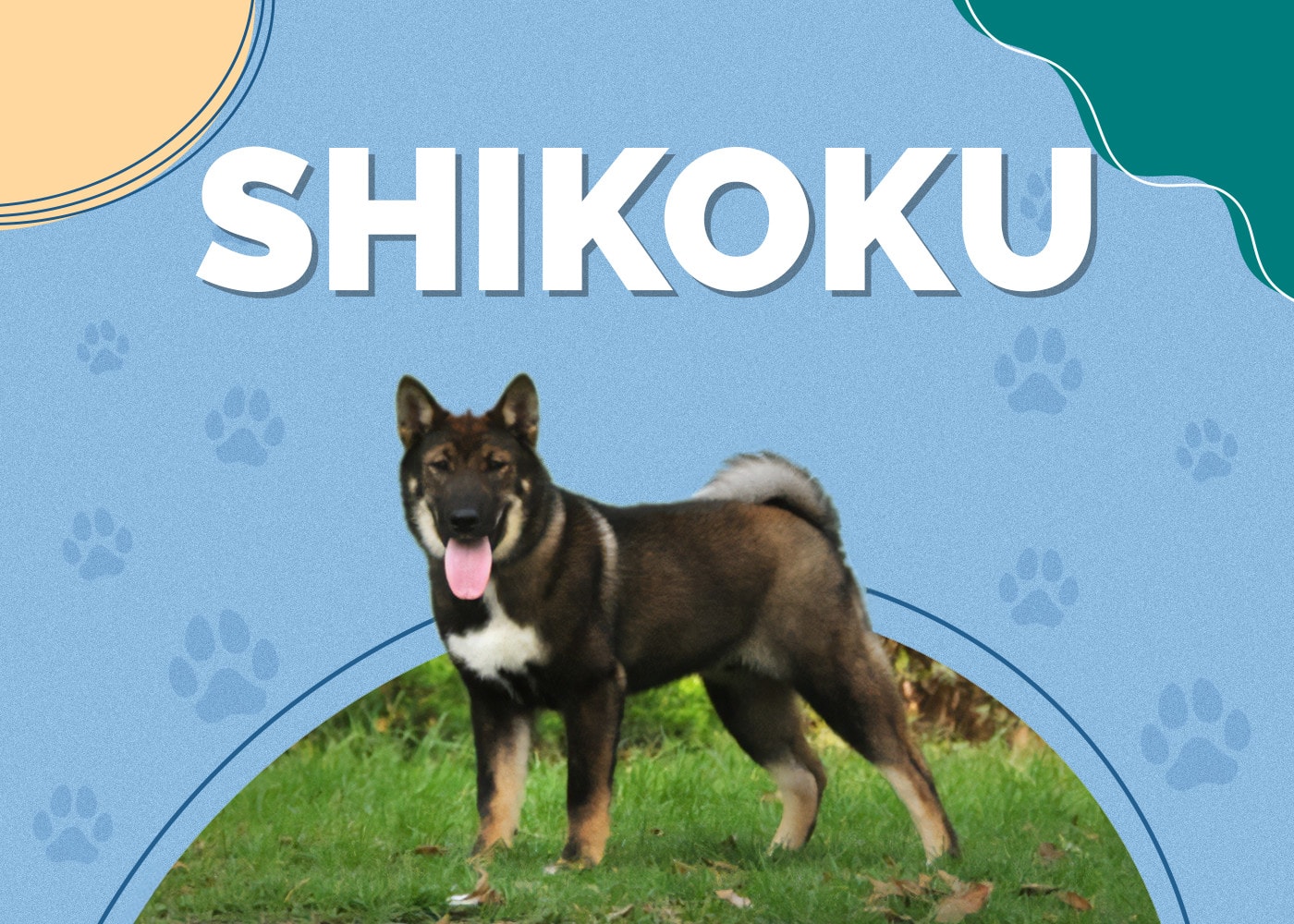
The Tosa Inu developed in the 19th century in Japan. This breed was purposely bred using Shikoku-Inu, an indigenous Japanese breed, along with European breeds of the time. These breeds include Bull Terriers, English Mastiffs, Germans Pointers, Old English Bulldogs, Saint Bernards, and Great Danes.
Conclusion
While they have a history of fighting, the Tosa Inu can be a loving member of the family if they are properly trained and socialized. As a giant dog breed, it is recommended not to have this breed in a home with small children, especially those not educated on how to interact with dogs. If you are looking for a guardian dog that will be loyal, protective, and loving, this could be the perfect dog for you. Keep in mind, these dogs need a lot of space, so be prepared before you bring one into your home.
Featured Image Credit: acceptphoto, Shutterstock
Get Hepper In Your Inbox


Pet care tips from our vets and experts, straight to your inbox.
You may opt-out at any time. View our Privacy Policy for more information.

Melissa was born and raised in the mountains of East Tennessee where she spent her time writing in an old notebook and playing outside with her pets. As an avid animal lover, she has brought many into her home over the years. Currently, she is the mom of 5 fur babies. Her 2 cats, Princess and Pepper are total opposites who demand attention. Her dogs Jazzy, Whitey, and Demon are full of spunk and keep the entire family on their toes.
Beyond life as an animal mom, Melissa is a dedicated wife and mother to 2 children. Writing in her old notebook led her down the path of becoming not only a freelance writer but a published Indie author under the pen name, Rena Marin.
Join the conversation
Ask a question, share your story, or send private feedback.