Hepper is reader-supported. When you buy via links on our site, we may earn an affiliate commission at no cost to you. Learn more.
Korean Mastiff: Pictures, Info, Temperament & Traits

In this article
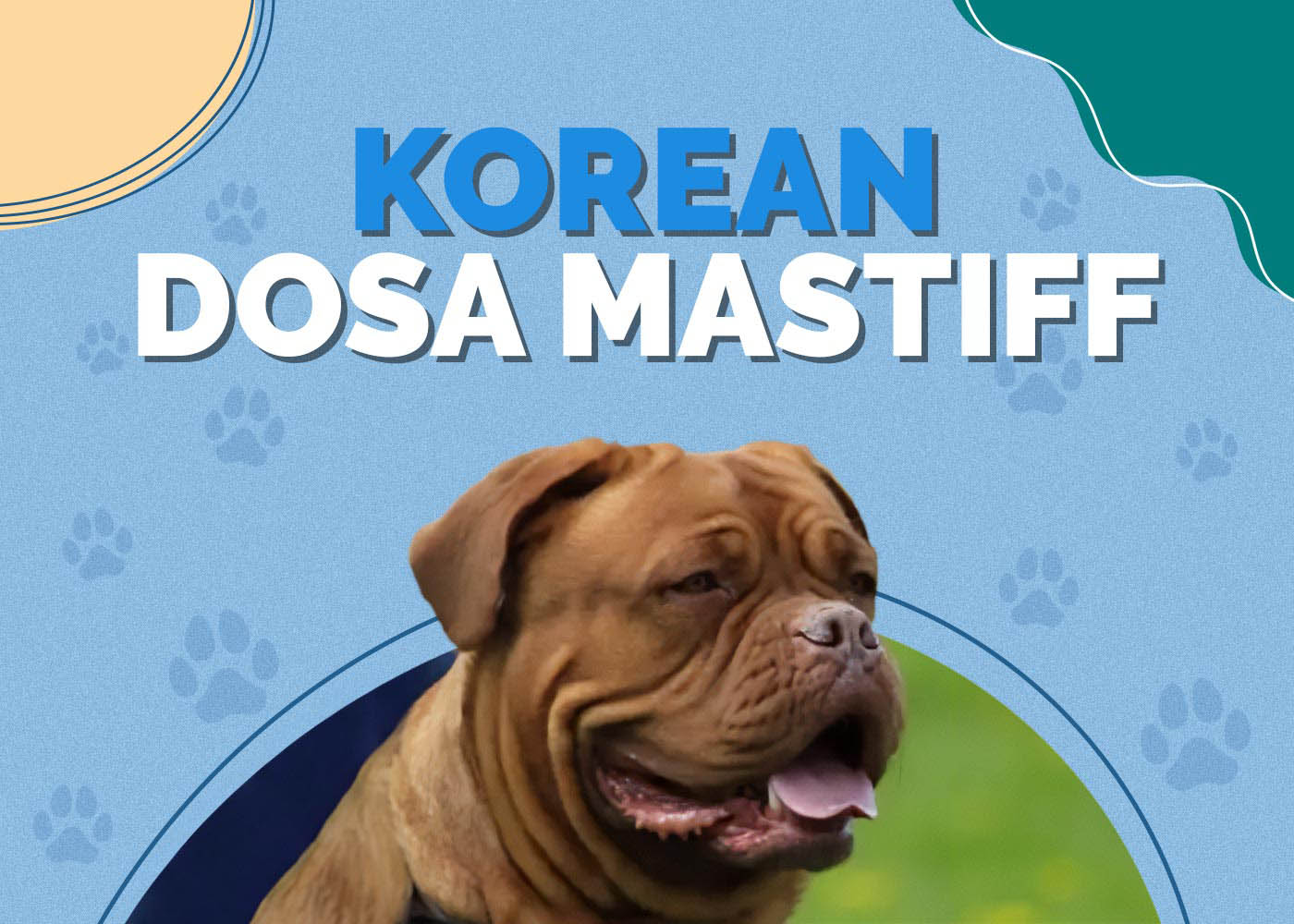
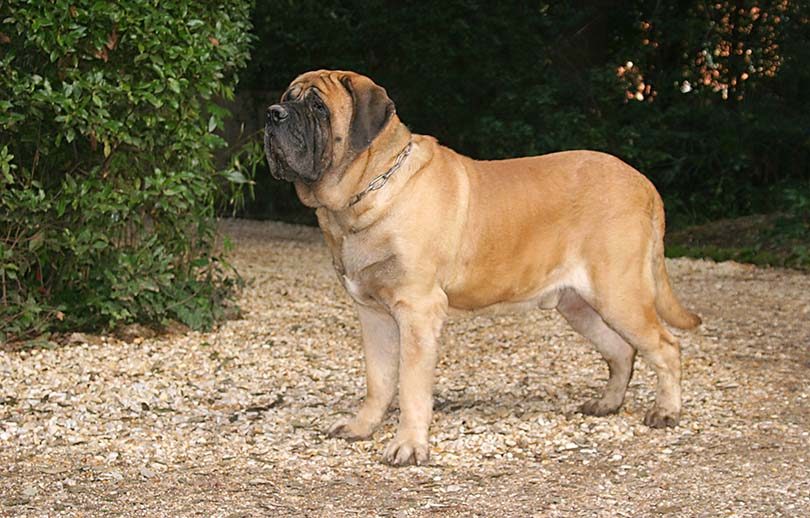
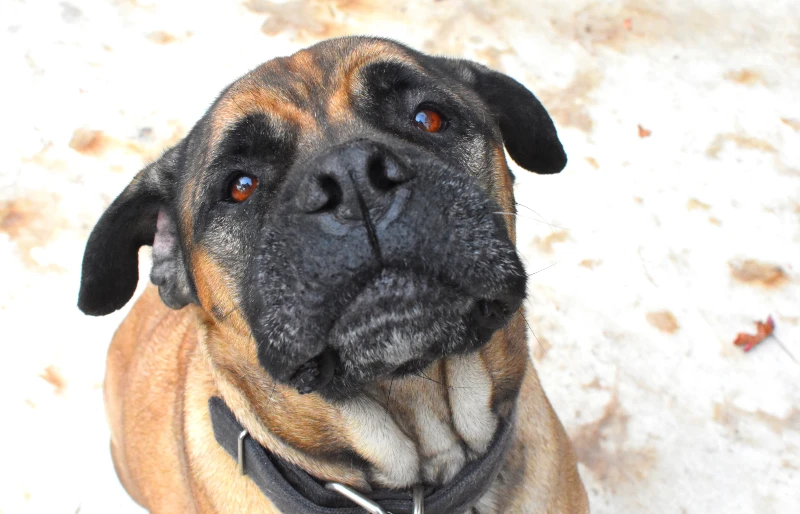
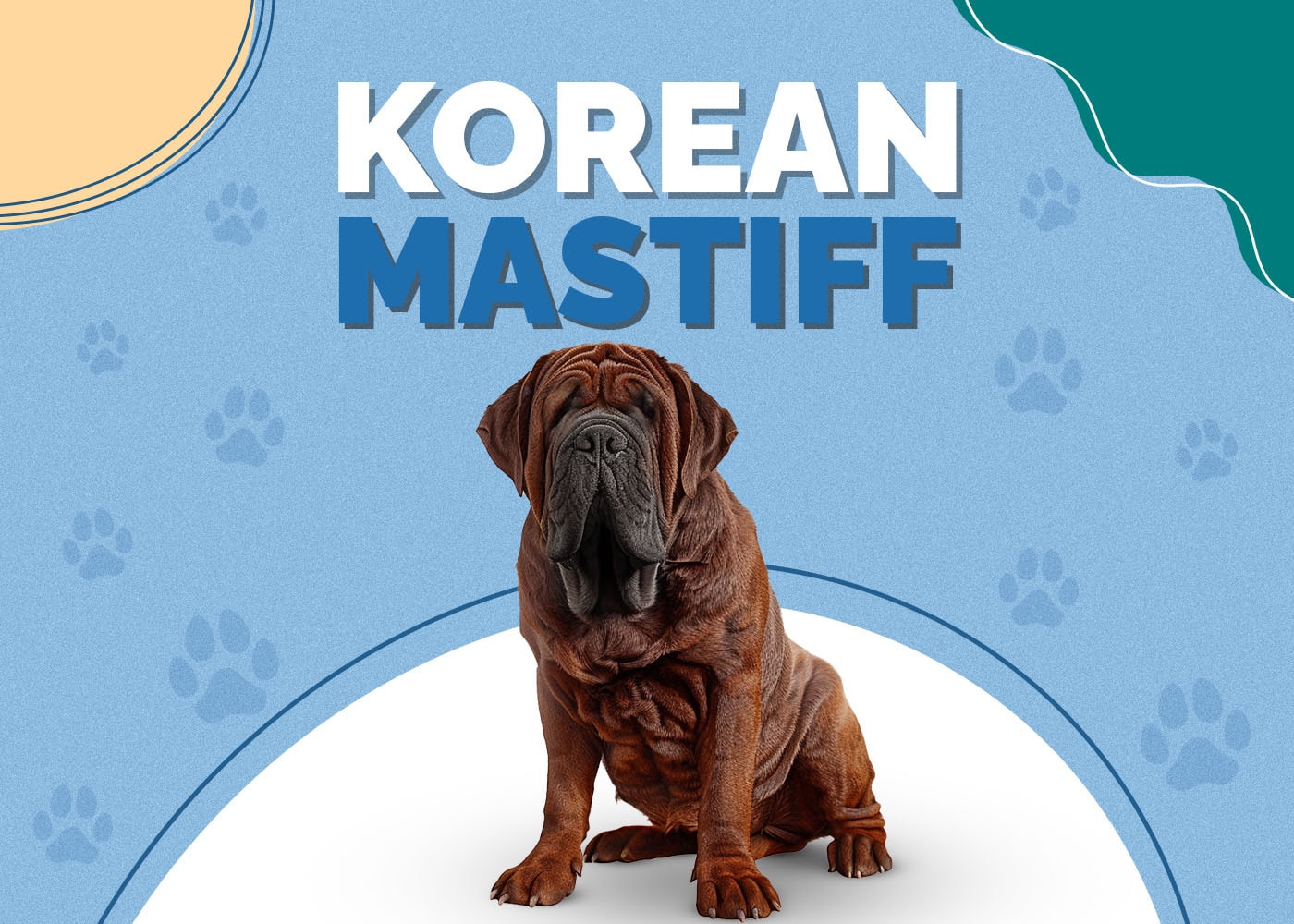
Korean Mastiffs are incredibly large dogs with some of the most stunning skin folds in the canine world. They're also known as Korean Dosa Mastiffs and Mee Kyun Dosas. They're quite rare, and most live in South Korea, where the breed originated. They look like really large Bloodhounds due to their skin folds. But if you're looking for a large, loving, devoted companion, you can't go wrong with a sweet Korean Mastiff.
Breed Overview
Height:
Weight:
Lifespan:
Colors:
Suitable for:
Temperament:
Korean Mastiffs are mixes of several breeds, including Bloodhounds, Dogue de Bordeaux, Neapolitan Mastiffs, Saint Bernards, and English Mastiffs, but their precise heritage is somewhat difficult to pin down with certainty. They're working dogs initially bred to guard property, but they're not known for being aggressive.
Because Korea Massifs are so large, proper training and socialization are essential. However, they're known as gentle companions that thrive on love and companionship. Unfortunately, they're difficult to find outside of South Korea.
Korean Mastiff Characteristics

Korean Mastiff Puppies
Korean Mastiff puppies are enormous, often reaching weights of 30 pounds when they're just a few months old. They usually have even more skin folds than adult dogs. They’re usually a bit awkward until they grow into their bodies.
Extra care needs to be taken with Korean Mastiff puppies' food intake and diet, as it's critical to ensure these dogs don't gain weight too quickly, which can stress their joints and bones. Participation in strenuous activities should be limited until large-breed puppies are fully grown.
They often take longer than smaller pets to outgrow their youthful enthusiasm. But most are pretty relaxed within 2 years and mellow by the time they turn 3.
If you have your heart set on one of these stunning dogs, you'll need to find a breeder to work with and expect a relatively long and involved process.
Temperament & Intelligence of the Korean Mastiff
Korean mastiffs are sweet, laid back, and easy-going. They're not inclined to become worked up in novel situations or standoffish toward new people. Although they're large, they don't have incredibly high energy levels; they can even live happily in apartments if they get enough playtime and exercise. The breed's love of lounging largely overshadows their working dog heritage.
Are These Dogs Good for Families?
Korean Mastiffs are incredibly gentle and friendly with children. However, like most large breed dogs, it's best to supervise them around small children to prevent accidents. While they have guard dog heritage, Korean Mastiffs are also known as loving companions without high-prey drives, so they're not naturally inclined to nip or chase children. Most Korean Mastiffs are perfectly happy to spend the day lounging in the presence of their favorite people.
Does This Breed Get Along With Other Pets?
Korean Mastiffs can get along well with cats but require early training and good socialization to ensure safe interactions with smaller critters. Most dogs do best when introduced as early as possible to cats. Puppies that come to live in homes that already have resident cats often consider their feline companions part of their inner family circles. Korean Mastiffs can be a bit dominant around other dogs, which can be intimidating to smaller animals largely because of their size.

Things to Know When Owning a Korean Mastiff
While Korean Mastiffs are relatively low-maintenance companions for their size, there are a few things to consider regarding diet, physical activity, and grooming. Keep reading for more on the basic care Korean Mastiffs require.
Food & Diet Requirements
Korean Mastiffs are huge dogs, so plan to spend a fair amount of money on kibble, wet food, and treats. It’s best to feed them high-quality commercial products formulated for large breed dogs. Large breed puppies have special dietary requirements, as their growth must be managed to prevent undue stress on their growing bones and joints. Special attention should be paid to ensuring these dogs maintain a desirable weight.
Exercise
Korean Mastiffs need about 1 hour of exercise daily, but large-breed puppies do best with gentle exercise while growing to protect their vulnerable joints. Long walks and play sessions that engage their senses are ideal for these giant dogs. Because of their heavy bodies, care should be taken when engaging in physical activity in hot, humid conditions.
Training
Early training is necessary with Koran Mastiffs; a 185-pound Korean Mastiff that doesn't behave can cause far more trouble than an out-of-control Miniature Schnauzer. Puppies can start learning the basics beginning when they're around 8 weeks old. Positive training techniques usually obtain the best results in dogs. Treats and affection are the perfect motivators. Socialization is also critical for Korean Mastiffs as they tend to be dominant around other dogs.
Grooming
Korean Mastiffs have short, smooth coats that require weekly brushing. Extra attention should be paid to cleaning their skin folds and ears to prevent the development of infections. They require bathing only as needed, but using hypoallergenic canine-friendly shampoo and conditioner is best. They also need to have their teeth regularly brushed and their nails clipped. They tend to slobber a good bit, so be prepared to clean up the drool now and then.
Health and Conditions
Korean Mastiffs don't typically have many health issues; most live anywhere from 7 to 12 years, which is about average for large dogs. Like all large dogs with deep chests, they can from bloat, which is a condition in which a dog's stomach becomes painfully distended due to gas or food, which can eventually lead to tissue death. Gastric dilatation and volvulus (GDV) is a severe form of bloat that can lead to stomach ruptures and spleen injuries. Allowing dogs to rest for around 1 hour after eating or drinking can minimize the chances of developing bloat.
Like many large dogs, Korean Mastiffs often have joint problems, including hip dysplasia. And the breed is prone to obesity, which can lead to the development of chronic conditions such as diabetes, heart disease, and osteoarthritis. Solid weight management is critical when it comes to maintaining their overall health. Skin and ear infections are also relatively common.
Male vs. Female
Size is the most notable difference between male and female Korean Mastiffs. Females are often about 3 inches shorter and 20 to 50 pounds lighter than their male counterparts. Male Korean Mastiffs are often more interested in playtime than females, and some suggest that females are more independent. However, there's little difference between male and female Dosas regarding basic care requirements.

3 Little-Known Facts About the Korean Mastiff
While Korean Mastiffs have mellow personalities, they're likely distantly related to Tosa Inus, large protective dogs that can weigh up to 200 pounds! Tosa Inus were initially bred to fight and serve as watchdogs. They're also known as Japanese Mastiffs.
2. They have Bloodhound heritage
Although Korean Mastiff heritage is largely shrouded in mystery, many suggest the dogs have Bloodhound heritage. If Korean Mastiffs are anything like their Bloodhound relations, they have outstanding senses of smell.
3. They're expensive
Back in 2016, two Korean Mastiffs sold for $302,051! Be prepared to shell out a pretty penny if you are set on adding one of these sweet dogs to your family.
Wrapping It Up
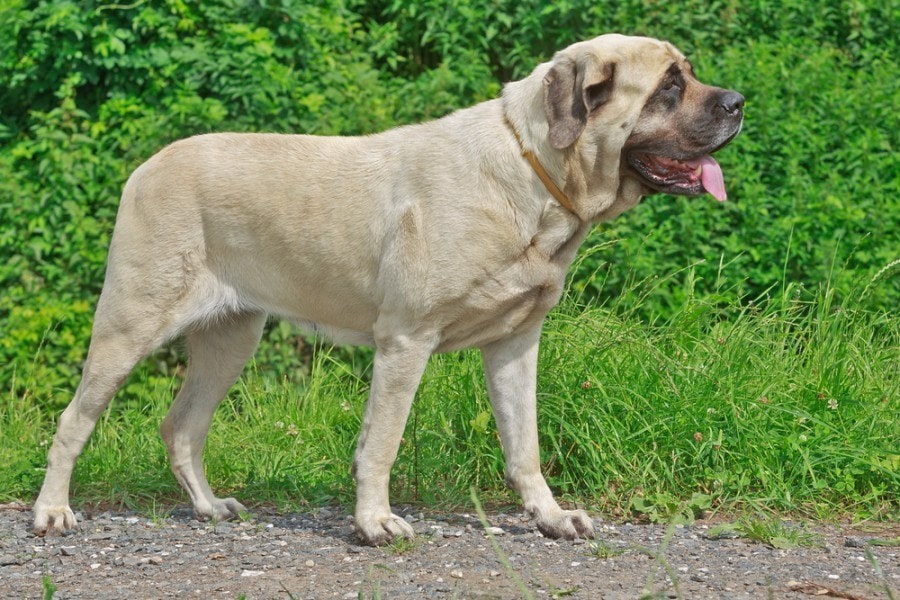
Korean Mastiffs are extremely large, affectionate, mellow dogs that make wonderful, loving companions. Their size and wrinkles are the breed's most characteristic physical traits. They can reach up to 30 inches at the withers and weigh 185 pounds, and their floppy ears and skin folds complete the picture. Because they are so large, they’re more expensive to maintain than smaller pets, primarily due to the costs involved in feeding them.
They make good family pets and are gentle around children. With good training and solid socialization, Korean Mastiffs can become wonderful family members and good canine citizens. They’re great pets for those interested in a loyal companion that loves long walks and cuddles.
Get Hepper In Your Inbox


Pet care tips from our vets and experts, straight to your inbox.
You may opt-out at any time. View our Privacy Policy for more information.
Lorre Luther a reformed lawyer from the United States, she moved to the Netherlands to follow her dream and become a writer. Currently living in Rotterdam, Lorre enjoys traveling and reveling in the astonishing beauty of our planet. As an animal lover, Lorre is convinced that cats are smarter than humans.
Join the conversation
Ask a question, share your story, or send private feedback.