Hepper is reader-supported. When you buy via links on our site, we may earn an affiliate commission at no cost to you. Learn more.
Can I Call 911 for My Dog? What To Do in an Emergency (Vet-Approved)



Disclaimer: This article has been reviewed by a veterinarian for medical accuracy; however the information in this article does not substitute for proper veterinary care and should not be used to diagnose or treat an animal in any way. Emergencies can take many forms, and the opinions provided are not those of the veterinary reviewer and no responsibility is taken for any actions that are or are not taken as a result from reading this article.
No pet owner wants to think about their dog being in danger. However, you won’t be able to respond accordingly without considering the possibility of a medical emergency. Constructing a plan to confront emergencies before they occur is one of the best ways to keep your dog safe and healthy. Therefore, if you are ever experiencing an emergency, you must know who you can call for help.
911 is the number to call for human medical emergencies rather than canine medical emergencies. Therefore, it is best to instead call one of the five options discussed below. But first, let’s review the signs that your pet needs emergency care.

Signs That Your Pet Needs Emergency Care
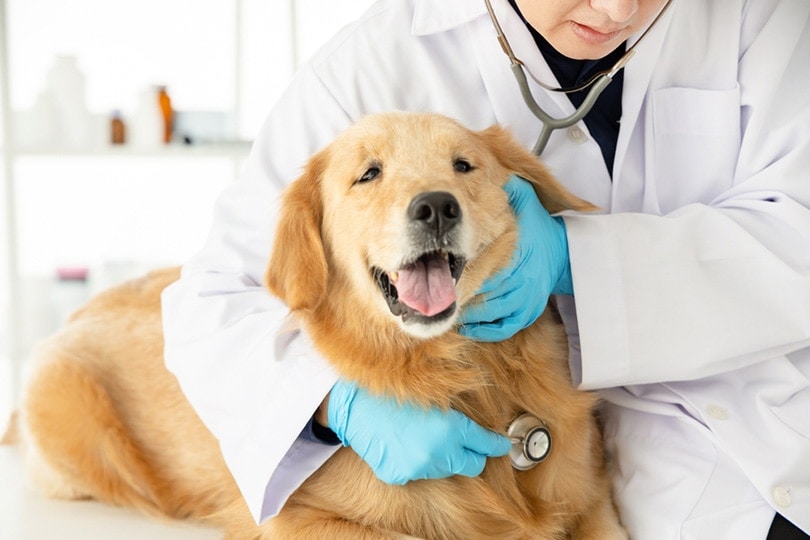
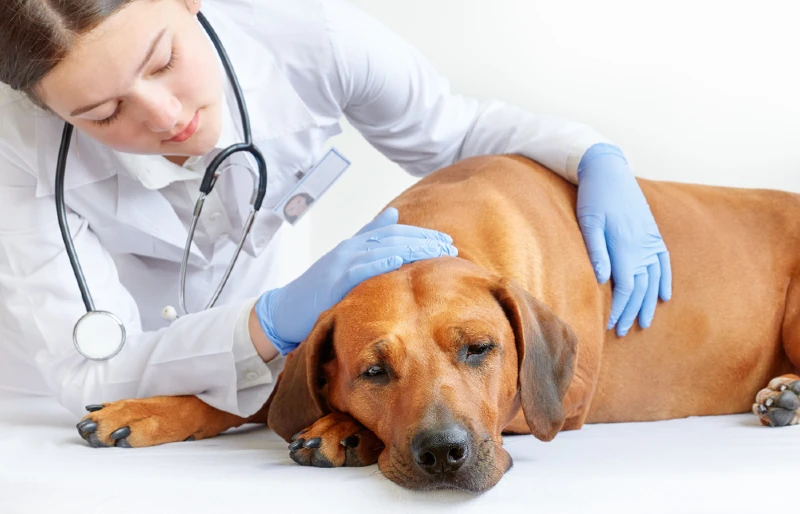
Catching the signs that your pet is suffering from a serious medical complication may save their life. Whether your dog has experienced significant physical trauma, developed an illness, or ingested something toxic, you can look for signs such as the following to determine whether prompt treatment is needed.
- Whiteness of the gums
- Rapid breathing rate or difficulty breathing
- Feeble or rapid heart rate
- Excessive bleeding
- Struggling to stand or maintain balance
- Significant change in body temperature
- Immobility or apparent paralysis
- Loss or change in consciousness
- Seizures
- Loss of vision
Even without these signs, if your dog has eaten something they shouldn’t have or is injured or ill, reach out to your vet immediately. Now that you know some of the signs that your pet is experiencing a medical emergency let’s look at who you can call.

The 5 Options to Call for a Pet Emergency
1. Your Vet
Our first recommendation is to call your vet. Your vet is a great resource when your dog is experiencing a medical emergency because they have first-hand knowledge of your pet’s medical history, health status, and other needs.
After contacting your vet, you may be given varied instructions based on your emergency. Your vet may request that you bring your pet into the clinic, or they may suggest that you attempt to perform first aid before bringing them in. Regardless, it is best to follow your vet’s instructions so they can provide the best care possible for your dog.
2. A Local Emergency Animal Hospital
Sometimes, your vet is not available. If you cannot reach your veterinarian for whatever reason, then you should try to contact your local emergency animal hospital.
While your local emergency animal hospital may have a different personalized care knowledge than your regular vet does, they can still provide you with professional advice. Depending on your situation, you may be advised over the phone or instructed to bring your pet to the animal hospital.
3. ASPCA’s Animal Poison Control Center
You can call the ASPCA Animal Poison Control Center if your pet has ingested a toxic substance. ASPCA’s Animal Poison Control Center is a 24-hour hotline staffed by trained toxicologists. When you call the hotline, the toxicologists will likely ask your pet’s age, general health, what they ingested, and how much they ingested.
When relaying the information, try to be as accurate as possible so that they can make an informed decision for your pet’s care. Do not attempt to induce vomiting unless specifically instructed, or you may worsen your pet’s situation. You can contact the ASPCA Animal Poison Control Center at 1-(888) 426-4435.
4. Pet Poison Helpline
The Pet Poison Helpline is another life-saving resource during an emergency. Pets who have ingested something dangerous or toxic may begin to experience severe complications, and calling the Pet Poison Helpline can give you a plan of action to care for your dog.
Like with ASPCA’s Animal Poison Control Center, try to be as accurate as possible when communicating what your dog ingested and how much. To contact the Pet Poison Helpline, call 1-(855)-764-7661.
5. Red Rover
Sometimes, pet-related emergencies aren’t always medical. If you are experiencing an unforeseen crisis, Red Rover may be able to help. Red Rover supports pets and pet owners in crisis, whether through financial assistance, emergency animal sheltering, or disaster relief services.
As of 2022, the organization has provided support for 35 years and has distributed over 7 million dollars to support pets and pet owners in need. If you are affected by a natural disaster or other unforeseen crisis, you may be eligible for emergency support from Red Rover. You can call them at (916) 429-2457 or email them at info@redrover.org.
Please note, however, that Red Rover does not provide emergency veterinary care or advice. If your pet is experiencing a medical emergency, contact one of the options listed above.

Conclusion
The thought of witnessing our dogs in peril is terrifying. That is why it helps to establish an emergency action plan so that you can respond promptly and confidently in the event of a catastrophe. Knowing who to call in an emergency is a vital part of your action plan, so ensure you have emergency veterinarian contacts readily available. Your decisive response to an emergency may be the difference between life and death.
Sources
Featured Image Credit: Skrypnykov Dmytro, Shutterstock
Get Hepper In Your Inbox


Pet care tips from our vets and experts, straight to your inbox.
You may opt-out at any time. View our Privacy Policy for more information.
Pets are Jordyn’s passion, cats especially. Whenever she has the opportunity, she loves to learn about them and share her knowledge with everyone. She is devoted to her tabby cat named Jack and works hard to buy him his favorite treats and toys. Discovering new ways to better care for her pet is always on her to-do list, and she is eager to help pet parents everywhere who have similar pursuits. In her spare time, she loves to read, write, and take long walks. She has a creative spirit, which often helps her to come up with funny cat names.
Join the conversation
Ask a question, share your story, or send private feedback.