Hepper is reader-supported. When you buy via links on our site, we may earn an affiliate commission at no cost to you. Learn more.
Vizsla vs. Weimaraner: What's the Difference? (With Pictures)
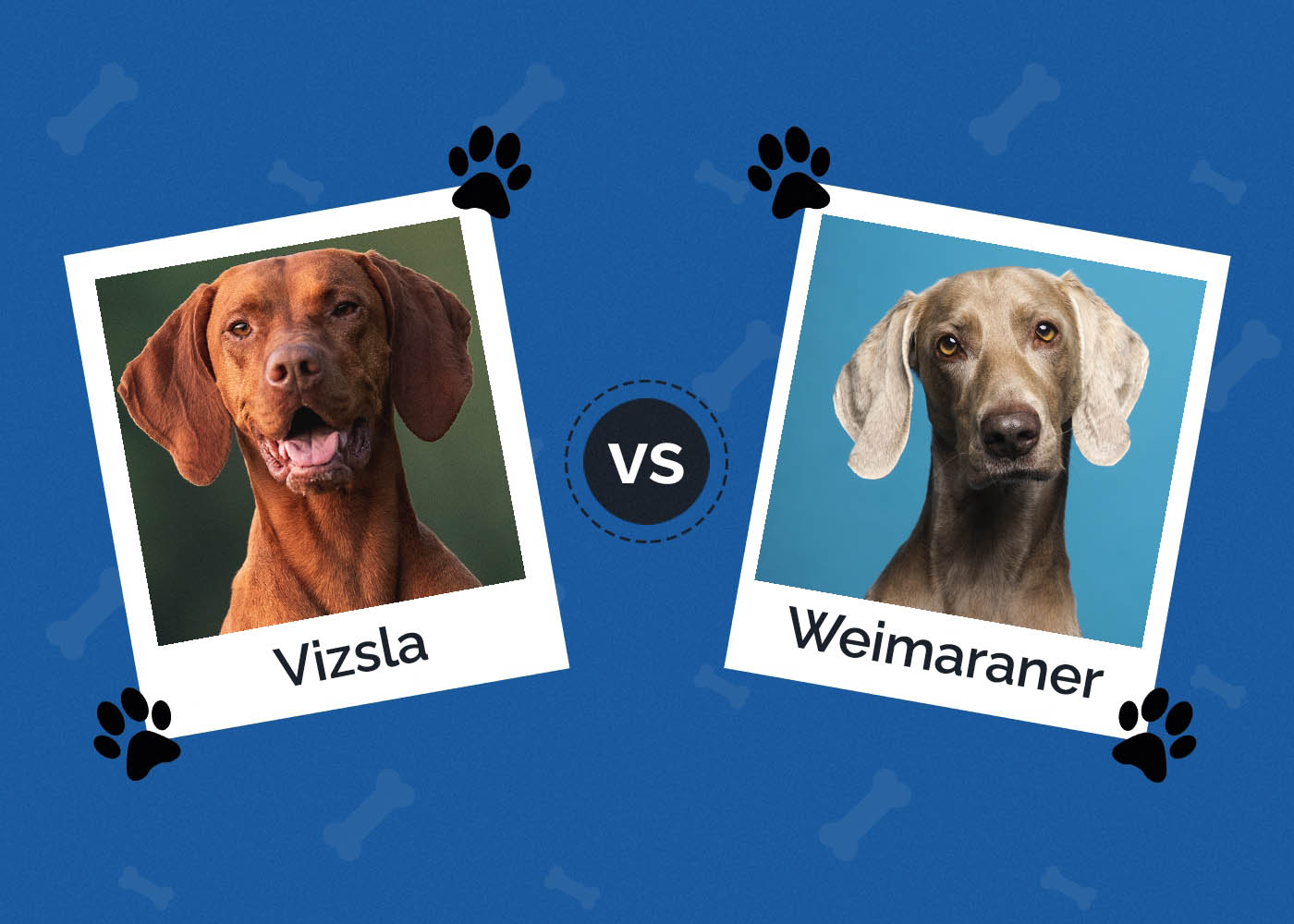
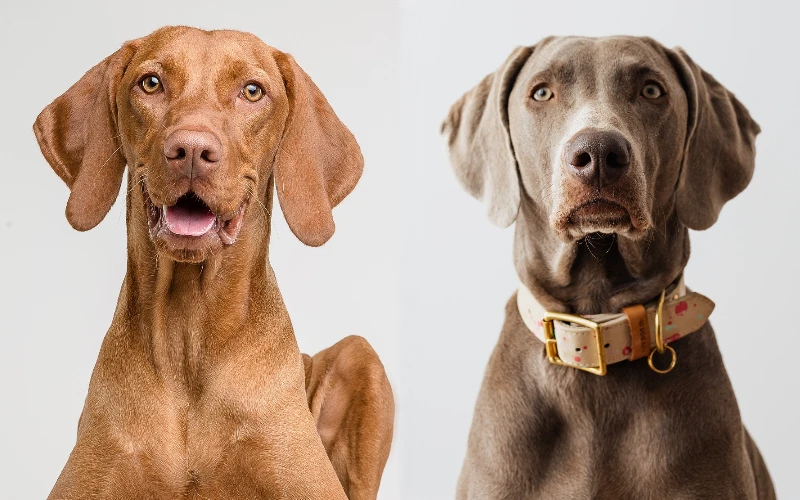
The Vizsla and Weimaraner looked very similar and were initially bred for similar purposes. However, they have quite a few differences. They are not interchangeable. They are best suitable for different families, so it is essential to take a look at which magnificent breed fits best in your life situation.
Below, we'll take a look at the differences between these two dog breeds to help you figure out which one is more suitable for your family.

Visual Differences

A Quick Overview
Vizsla Overview

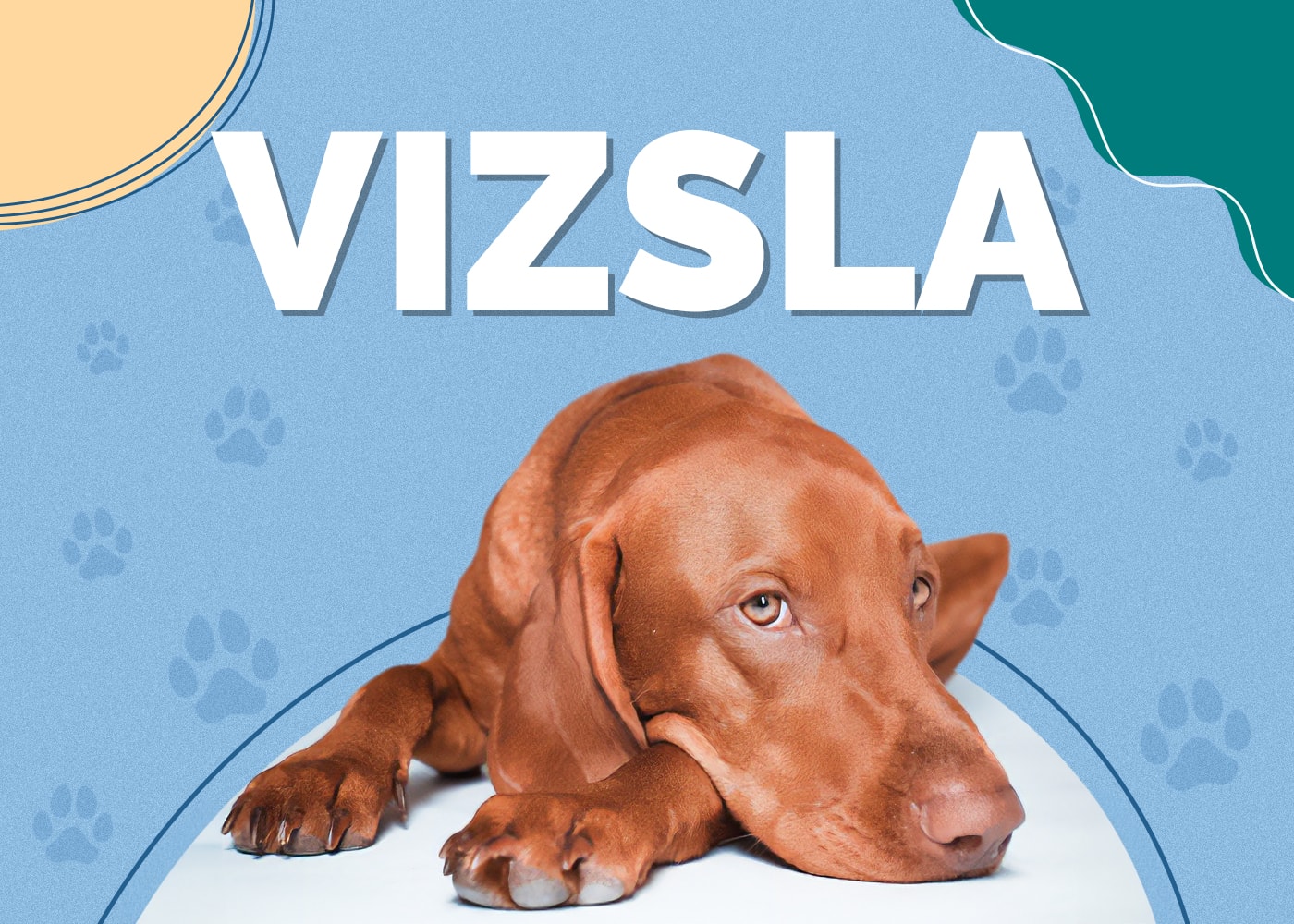
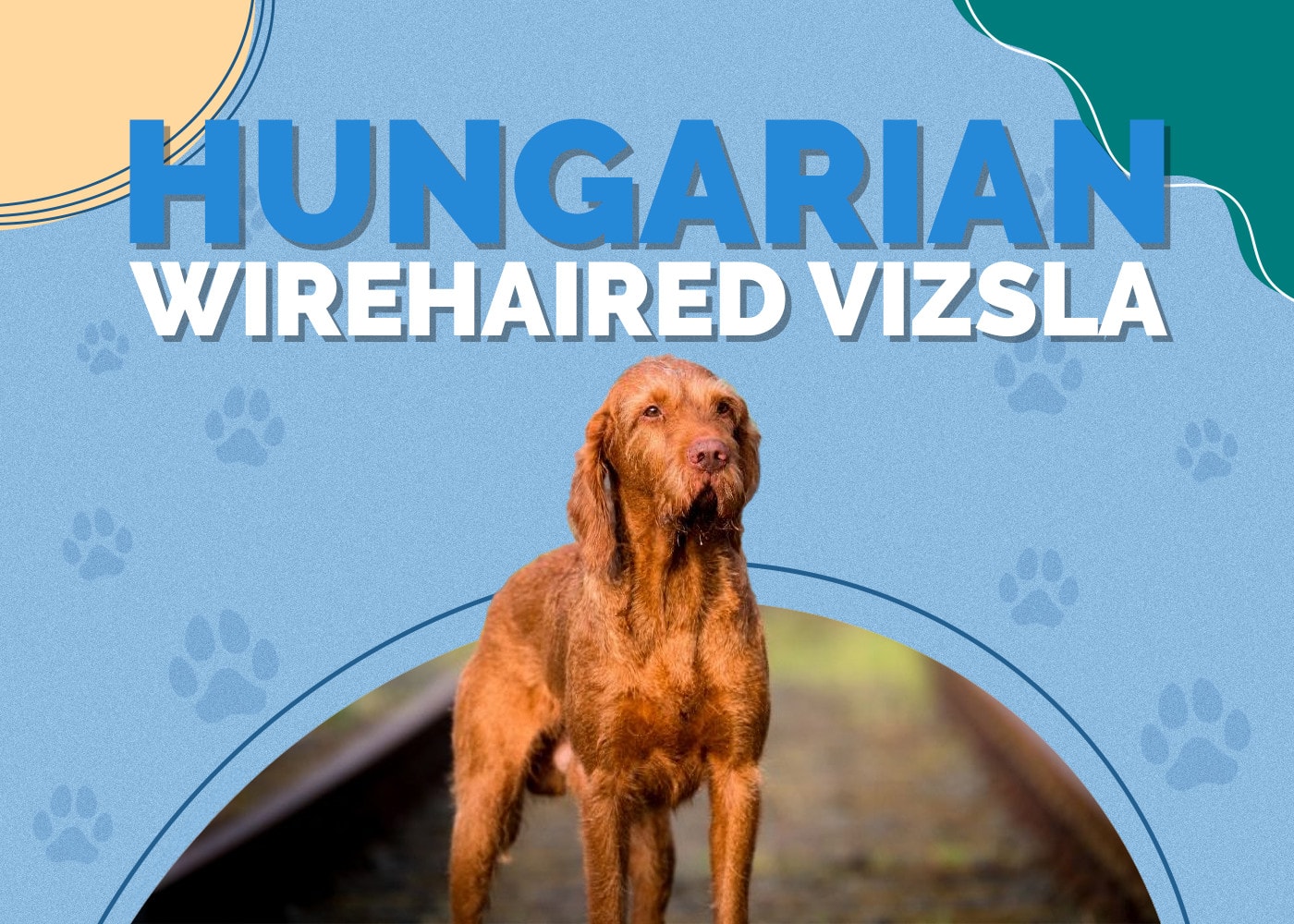
The Vizsla is well-known for its rust-colored coat. They are very red. They are considered medium to large dogs, depending on your definition. They have incredibly long ears, which can be somewhat comic on puppies.
This breed can be very focused while hunting, but they are also very affectionate while at home. They are used to working closely with humans while hunting, so they often bond tightly with those in their families. They do not like being left alone. However, they tend to have isolation anxiety, not separation anxiety. In other words, they don't like being left alone but don't particularly care about who keeps them company.
These dogs are incredibly athletic. They love participating in sports and activities of all sorts. When running, they have a lot of stamina, making them perfect as a running or biking companion.
Vizsla Temperament
Because these dogs were made to hunt all day, they are very energetic. They have very high stamina and need quite a bit of exercise because of this. With that said, they are often considered well-mannered at home. They do not get overexcited often and are very gentle.
Usually, they are considered good family dogs for this reason.
These dogs are incredibly affectionate and bond near their family members. They are often called "Velcro" dogs. They are incredibly loyal. They tend to whine or cry when left alone, and some of them develop isolation anxiety. They can be good guard dogs when trained to do so, as they can be a bit territorial around strangers.
This canine has a natural hunting ability and takes well to any training. They require gentle correction, as they can be quite sensitive. These dogs require quite a bit of mental stimulation due to their intelligence. They need to work and learn to stay happy and fulfilled. Otherwise, they may become destructive.
Vizsla Training
The Vizsla is straightforward to train. They were bred to work closely with humans, so many will readily listen to you and learn new commands quickly. They are highly intelligent—sometimes a little too intelligent.
Training these dogs is essential for a few different reasons. Firstly, they're large, so they can be quite destructive if not properly trained. Secondly, their intelligence requires that they are mentally challenged regularly. If they aren't, they will try to make their fun, which usually involves something destroyed.
Training your Vizsla regularly is essential for these reasons, even if there isn't anything you particularly need to teach them. Canine sports are great for this reason. They give you a way to mentally stimulate your canine after learning basic and even advanced commands. Agility and obedience are an excellent way to start.

Vizsla Health
The overall health of the Vizsla is somewhat complicated. The American Kennel Club has their lifespan listed as 12–14 years. However, the Vizsla Club of America did a survey and found that the average lifespan appears to be 9.15 years. It seems to us that their lifespan can vary quite a bit.
Usually, these dogs are very healthy. However, some localized breeding programs have produced puppies with some health conditions. These health conditions include hip dysplasia, which is very rare but does happen in some areas.
Most of these health problems are locally focused. Reputable breeders will not breed dogs with these problems and will therefore have healthier puppies.
These dogs do not have an undercoat, unlike most dog breeds. Because of this, they are sensitive to climate. If you need to be inside, your Vizsla needs to be inside.

Weimaraner Overview
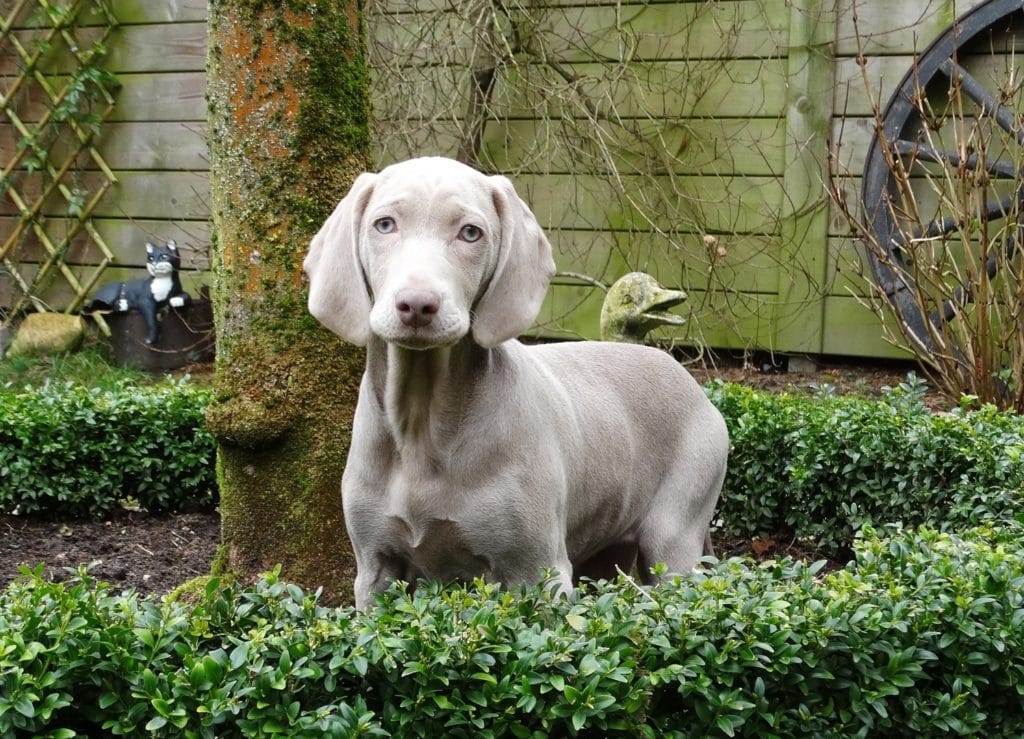
The Weimaraner is a large dog that was bred for hunting purposes in the 19th century. It was used mostly by royalty to hunt animals like boar, bear, and deer. They were also used for hunting smaller game like fowl, rabbits, and foxes. They're great all-around hunting dogs.
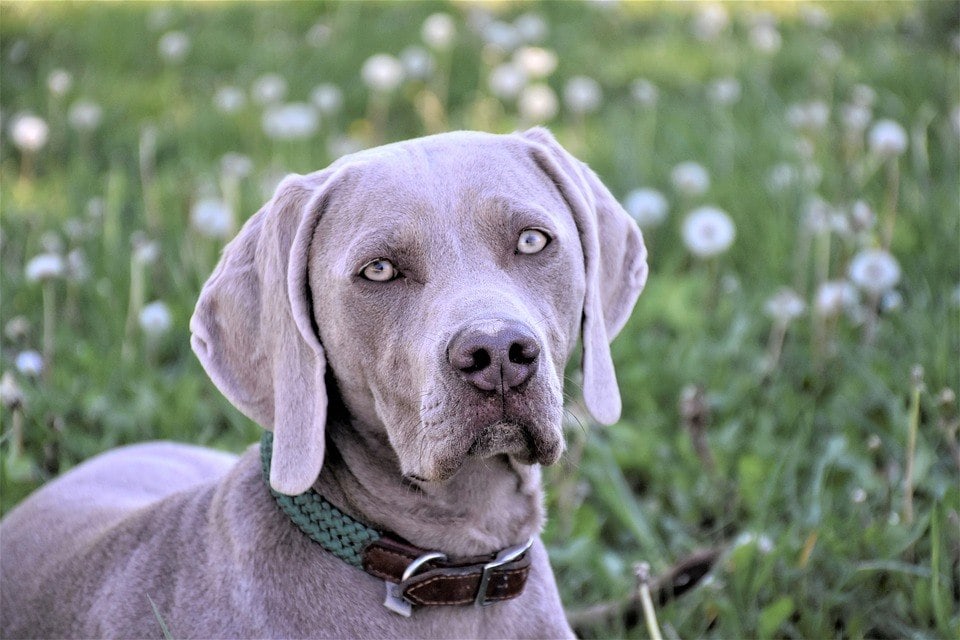
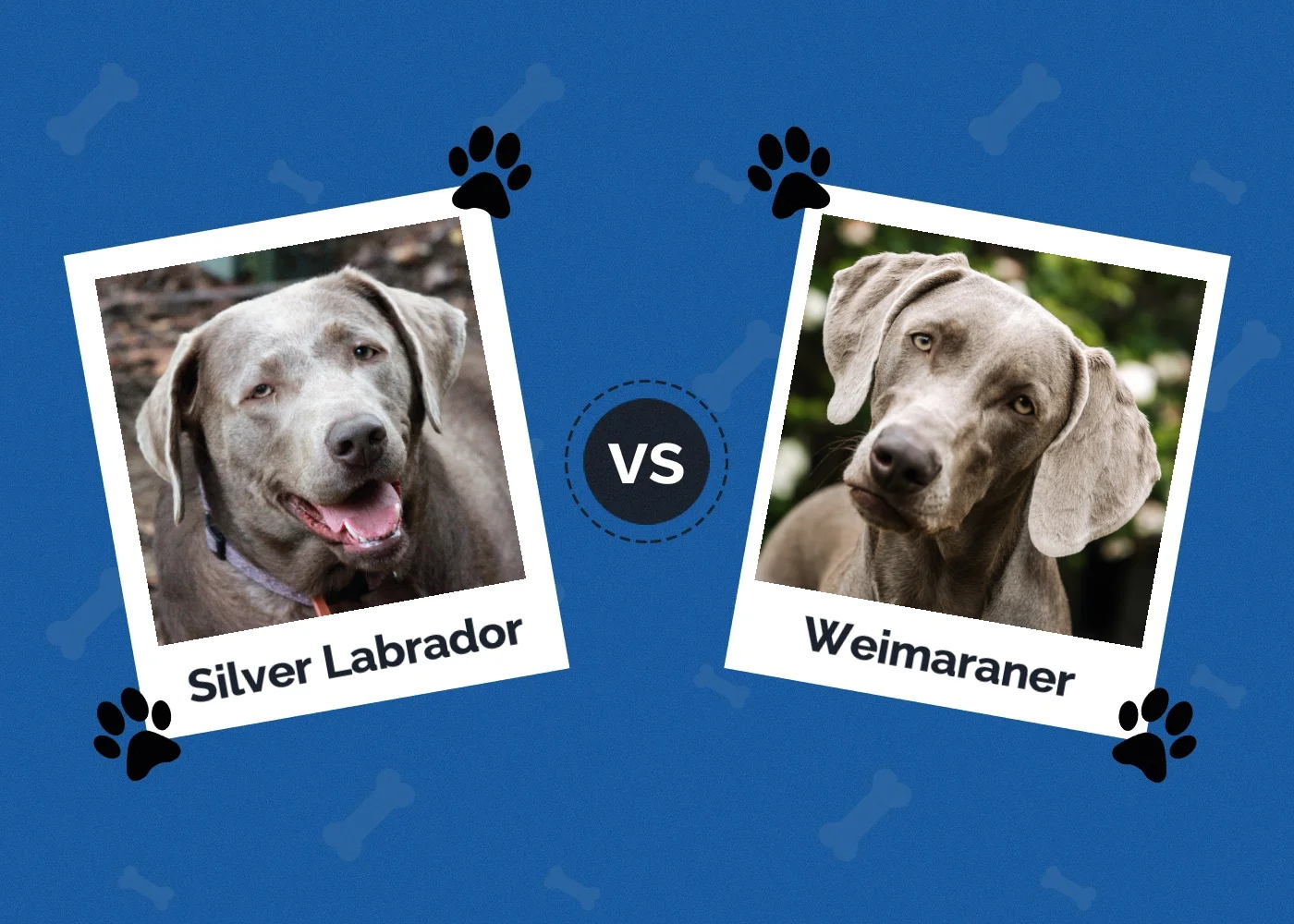
They are instantly recognizable by their silvery coat. They are usually quite large, with males standing up to 27 inches at the shoulder. They are solidly colored, though some have a small white spot on their chest.
These canines are well-known for being generous with kids and family dogs. They are easy to take care of and well-manned at home.
Weimaraner Temperament
First and foremost, the Weimaraner is an energetic hunting dog. They have a lot of endurance and stamina, as well as a high prey drive. This makes them unsuitable for homes with cats. They will follow the urge to hunt whether they've known the cat their whole life or not. They need frequent exercise and require quite a bit of stimulation to stay happy and healthy.
They are best for active owners for this reason. If you want a dog to go running with you in the morning, this is a great choice.
The Weimaraner is not an independent breed. Sometimes, this can lead to separation anxiety or isolation anxiety. Genetics and socialization may play a role in this. Your puppy may need to "practice" being alone to avoid this problem.
Weimaraner Training
Weimaraners are quite smart. This is both a blessing and a curse. They can learn quickly. This means they pick up commands and bad habits very fast. If you feed your dog off the table, he will learn he gets food for begging immediately. It does not take many repetitions for these dogs to figure things out.
Training is often simple and straightforward. Early puppy classes can be beneficial. Training also keeps your dog entertained and mentally worn out, which can prevent problem behaviors. A tired dog is often a good dog. This breed loves to take part in canine sports for this reason. Even if you don't plan on competing, training them to perform in agility trials and similar sports can help.
While these dogs are generally friendly, early socialization can be quite helpful.

Weimaraner Health
Despite their large size, Weimaraners have a very low rate of hip dysplasia. Most of them are rated as having "excellent" hips, and very few end up getting hip dysplasia. However, you should still only adopt puppies from breeders who have their dogs' hips tested.
These dogs have a very deep chest. Because of this, they are somewhat prone to bloat or gastric torsion. This is a severe disease that can cause rapid death if not treated promptly. It is caused when the dog's stomach twists and fills with gas. This makes the dog's stomach swell and can cause blood flow to be interrupted, killing tissue.
Skin allergies are somewhat common in these dogs. Rashes, hair loss, and itching are signs of skin problems. Luckily, this isn't too serious and is exceptionally treatable.

Vizsla or Weimaraner: Which One Is Right For You?
These dog breeds are very similar. However, there are a few differences. Weimaraners are quite a bit larger, so they will need more space. The visual appearance of these dogs is also quite different. This might not matter much to you, but some owners may have a lot of stock in a dog's appearance when making their final decision.
Both of these dogs are very healthy. However, the Vizsla has a wider lifespan range. They may live for a bit shorter than the Weimaraner.
Both dogs are easy to train but need a bit of exercise. We only recommend them for active owners or those willing to exercise them for at least an hour a day.
See Also:
Featured Image Credit: Liudmila Bohush, Shutterstock | (R) Leoniek van der Vliet, Shutterstock
Get Hepper In Your Inbox


Pet care tips from our vets and experts, straight to your inbox.
You may opt-out at any time. View our Privacy Policy for more information.

Nicole is a lover of animals of all sizes but is especially fascinated with the feline variety. She’s the proud mom of Baby, a Burmese, and works every day so he can relax in the sunshine or by the fire. She’s always had a cat in her home and has spent countless days with others, observing behaviors and softening up even the grouchiest of the lot. Nicole wants to share her kitty expertise with you so you and your cat can live happy, healthy, and care-free.
Join the conversation
Ask a question, share your story, or send private feedback.