Hepper is reader-supported. When you buy via links on our site, we may earn an affiliate commission at no cost to you. Learn more.
Wet Tail in Hamsters: Our Vet Explains Signs, Causes & Treatment

In this article
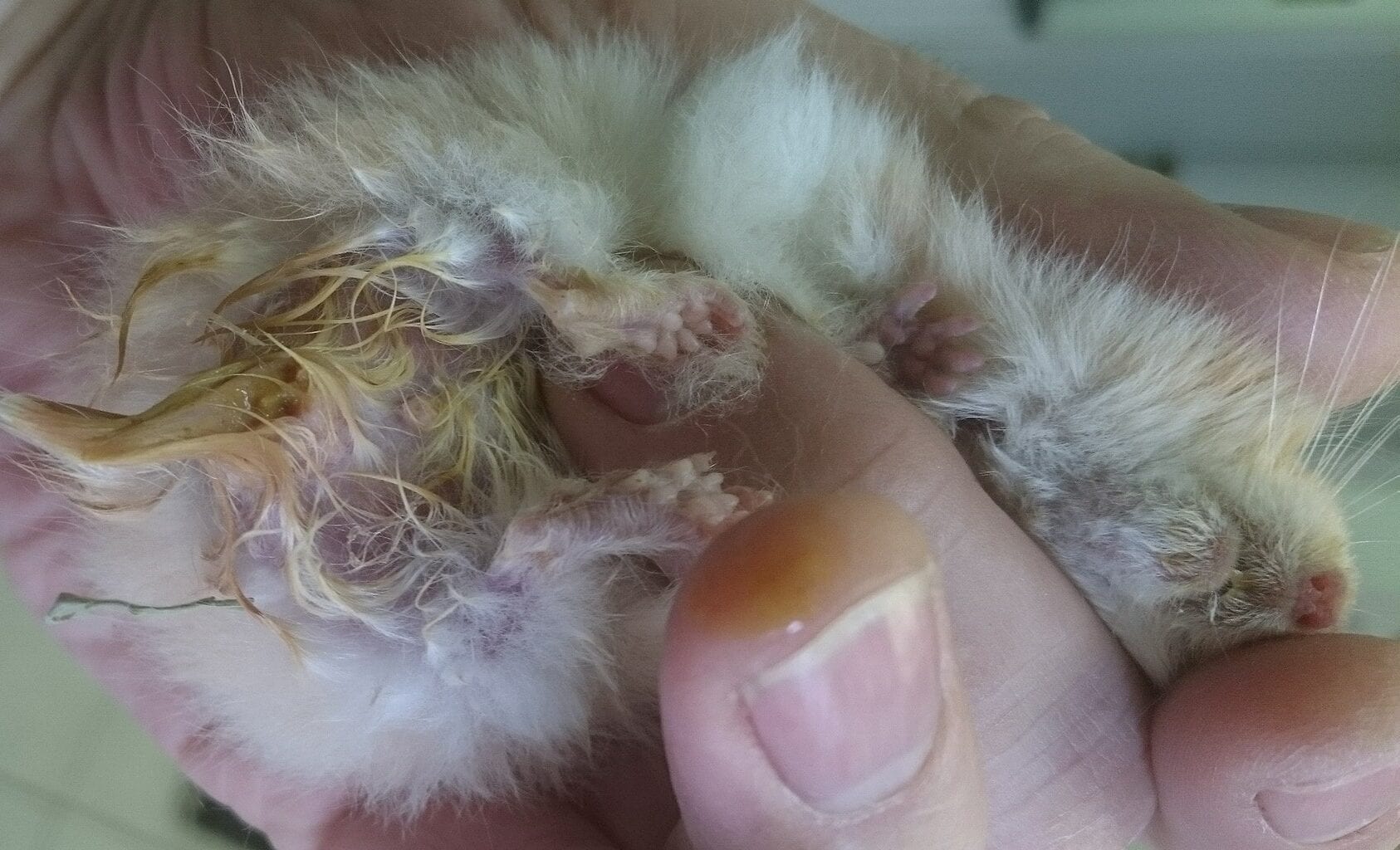
Hamsters have always been popular pets, especially with children. More recently, their popularity has increased across the globe, as is the case with many pocket pets. They are social, intelligent, and peaceful creatures with compact bodies and soft fur. At some point, you may have noticed that the fur around your hamster’s tail is looking dirty, matted, and unkempt. This is colloquially known as “wet tail,” though it is more specifically a sign that diarrhea is present. Diarrhea is a common illness in hamsters, and it should be taken seriously by hamster owners. So, why does it happen, and what can we do about it?

What Is Wet Tail in Hamsters?
Wet tail occurs when hamsters are suffering from
It is commonly referred to in veterinary circles as “proliferative ileitis.” Diarrhea occurs when there is inflammation in the bowels caused by infection, parasites, stress, or other systemic illnesses. When diarrhea occurs, a hamster’s droppings become soft and watery. This, combined with a reduction in self-grooming due to lethargy, leads to the fur around the tail becoming wet, dirty, and malodorous.
What Are the Signs of Wet Tail in Hamsters?
The main signs of wet tail in hamsters include:
- Watery diarrhea
- Matted, soiled, and unkempt hair around the tail
- Loss of appetite
- Reduced energy levels
- Weight loss
- Dehydration
- Hunched posture
How Do Hamsters Get Wet Tail?
The main cause of wet tails in hamsters is a bacterium called Lawsonia intracellularis. This is most common in young hamsters. This bacterium hides inside the cells that make up the bowels, causing thickening of the bowel lining. Less fluid and nutrients are able to be absorbed across the bowels, leading to diarrhea. Other bacteria, including Campylobacter and Clostridium, can also cause diarrhea in hamsters.
So, how do hamsters get wet tail? There are three main possibilities:
How to Care for a Hamster With Wet Tail
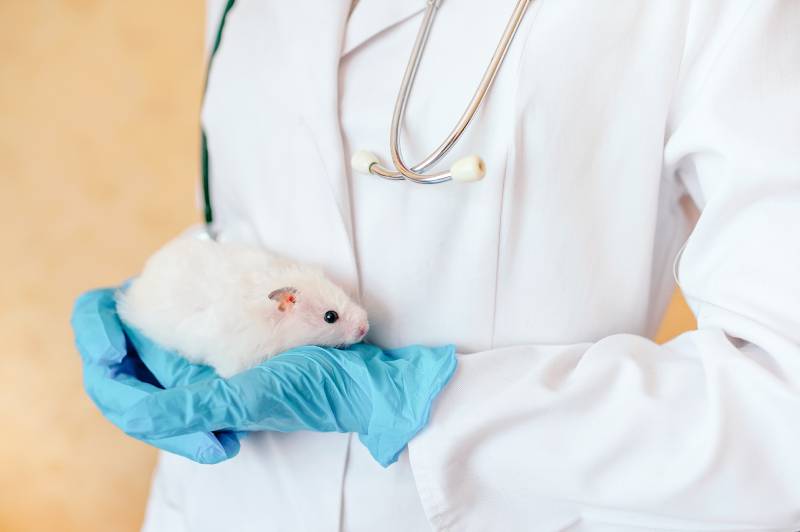
Caring for a hamster with wet tail should always start with a prompt visit to the veterinarian. Do not delay making an appointment, as wet tail rarely resolves of its own accord, and hamsters can deteriorate quickly. Veterinarians will often use fluids to restore hydration and correct electrolyte disturbances. They will also use pain relief to make your hamster more comfortable and antibiotics to treat the underlying infection. Syringe feeding is often necessary to ensure adequate calorie intake.
If you are managing your hamster’s wet tail at home, with the aid of medications prescribed by a veterinarian, husbandry is of the utmost importance. Keep your hamster in a warm indoor environment. Ensure constant access to fresh food and clean water. It is also very important to quarantine unwell hamsters from any other hamsters in the home.
Frequently Asked Questions
What Is the Prognosis for Hamsters With Wet Tail?
Unfortunately, the prognosis for hamsters with wet tail is poor. Without treatment, affected hamsters will often become progressively unwell. Survival rates are low, and many hamsters will die even despite aggressive veterinary treatment. This may occur in as little as 6 weeks from the onset of the first signs of diarrhea. As always, the earlier treatment begins, the better the prognosis. Some hamsters will make a full recovery.
How Can I Prevent My Hamster From Getting Wet Tail?
As we mentioned, some hamsters will already have wet tail when purchased from a breeder or pet store. If this is not the case, husbandry is the single most important means of preventing wet tail. Always ensure your hamster has a good diet, clean water, and clean bedding. Avoid overcrowding and ensure the cage is ventilated. Provide enrichment, allowing them to dig, play, explore, and chew.
Conclusion
Hamsters make great pets and companions. It is important to note that caring for a hamster is just as much of a commitment as caring for any other pet, including a dog or cat. Similar to dogs and cats, hamsters commonly get diarrhea or wet tail. In fact, wet tail is one of the most common illnesses that hamsters experience, often caused by bacterial infection and poor husbandry. As hamsters are vulnerable little creatures, signs that wet tail is present should be taken seriously, as early intervention leads to the best chance of a good outcome.
Sources
Featured Image Credit: Wet-tail-disease, Uwe Gille, Wikimedia Commons (CC 4.0)
Get Hepper In Your Inbox


Pet care tips from our vets and experts, straight to your inbox.
You may opt-out at any time. View our Privacy Policy for more information.
Joe is a veterinarian from Sydney, Australia and has two beautiful Golden Retrievers who love the ocean as much as he does. Joe completed his Bachelor of Veterinary Biology and Doctor of Veterinary Medicine at the University of Sydney in 2020, and his areas of particular interest include internal medicine, wound management and oncology. His passion for veterinary medicine comes not only from helping pets, but also from helping their owners and working with wonderful teams of people. When he's not working, you can find Joe exercising, cooking, and exploring Australia’s wilderness. He has worked for 2 years at a busy mixed practice on New South Wales’ mid-north coast, treating animals of all sizes.
Joe is a veterinarian from Sydney, Australia. He has two beautiful Golden Retrievers who love the ocean as much as he does. When he's not working, he can be found exercising, cooking, and exploring Australia’s wilderness.
Education
Joe received a Bachelor of Veterinary Biology and Doctor of Veterinary Medicine from the University of Sydney in 2020.
Experience and Interests
Joe has worked for 2 years at a busy mixed practice on New South Wales’ mid-north coast, treating animals of all sizes. The areas of particular interest to Joe include internal medicine, wound management, and oncology. His love for the profession comes not only from helping pets but also from helping their owners and working with wonderful teams of people.
Join the conversation
Ask a question, share your story, or send private feedback.