Hepper is reader-supported. When you buy via links on our site, we may earn an affiliate commission at no cost to you. Learn more.
How to Clean a Dog Wound in 8 Vet-Approved Steps


Accidents happen to everyone, and unfortunately, your dog is no exception. With their curiosity and ability to find mischief wherever they go, a few injuries here and there are unavoidable.
Since wounds can quickly become infected, you must treat them as soon as possible. Keeping a first-aid kit for pets on hand and knowing how to use it can help you tend to your dog’s injuries before you take them to a veterinarian for a more thorough evaluation.
Whether your dog injures themselves in the yard or while on a walk or it’s an open wound that’s already been treated by a veterinarian, this guide will tell you how to keep their wound clean.

Identifying Wound Types
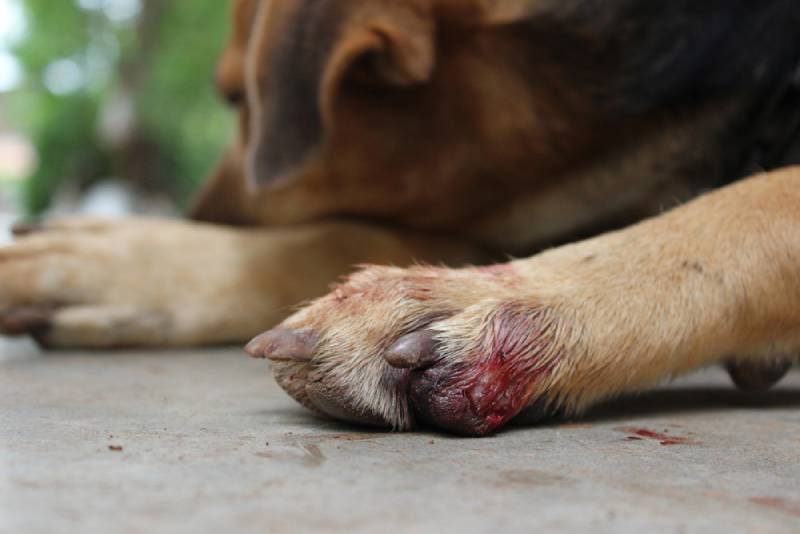
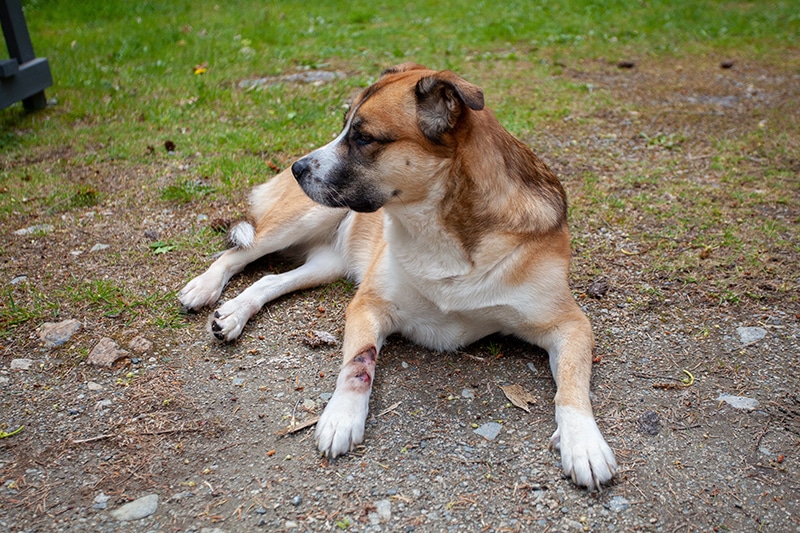
Dogs get into all sorts of trouble, and there are various wounds that they can sustain during their adventures. These wounds can be deceptive and look less severe than they really are.
Some injuries can be handled without requiring a trip to your veterinarian, but certain cases always require a trip to the clinic:
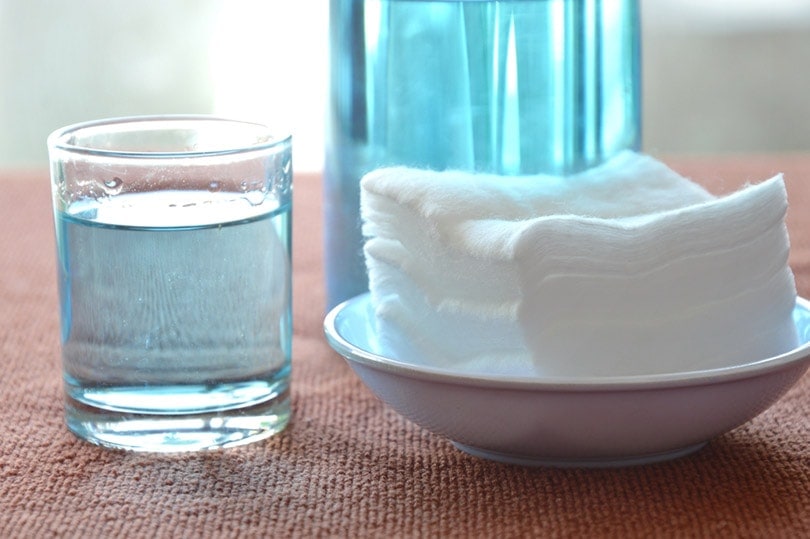
You Will Need:

How to Clean a Dog Wound
1. Grab a Friend
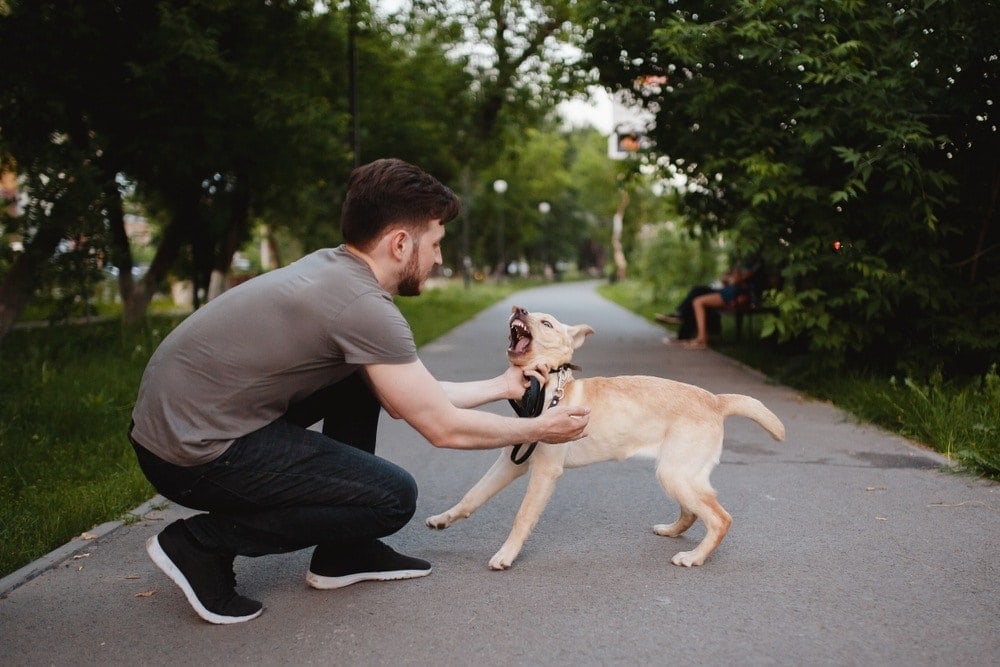
Trying to convince your dog to stay still while you tend to their injury is a mission in itself. They won’t understand that you’re trying to help them and would much rather stop the discomfort and tend to their injuries alone. While we’d rather not cause more discomfort than necessary, cleaning your dog’s wound is important to avoid infection.
The first step is to ask a friend for help. You’ll need both hands free to treat your dog, and a friend will be able to hold them still while you work. A muzzle to avoid bites while you work might also be necessary.
2. Assess the Injury
Some injuries can’t be treated at home. If the injury is in a sensitive area or covers a large part of your dog’s body, it’s best if you apply pressure with a clean towel and contact your veterinarian immediately. This is true for heavily bleeding injuries too.
If your dog stood on broken glass or has another sharp object stuck in the wound, don’t remove the object, and avoid putting pressure on it. You’ll need to take them to a veterinarian to get the wound treated properly.
Small injuries that aren’t bleeding or are only lightly bleeding can often be managed at home.
3. Stop the Bleeding
Once you’ve determined that you can treat your dog’s wound at home, you’ll need to stop the bleeding. If the wound isn’t bleeding at all, move on to the next step.
As long as the wound doesn’t have anything embedded in it, like glass, you can grab a clean cloth and apply light pressure for a minute or two. If the bleeding shows no sign of stopping, you’ll need to get your dog to a veterinarian as soon as possible.
4. Remove the Hair
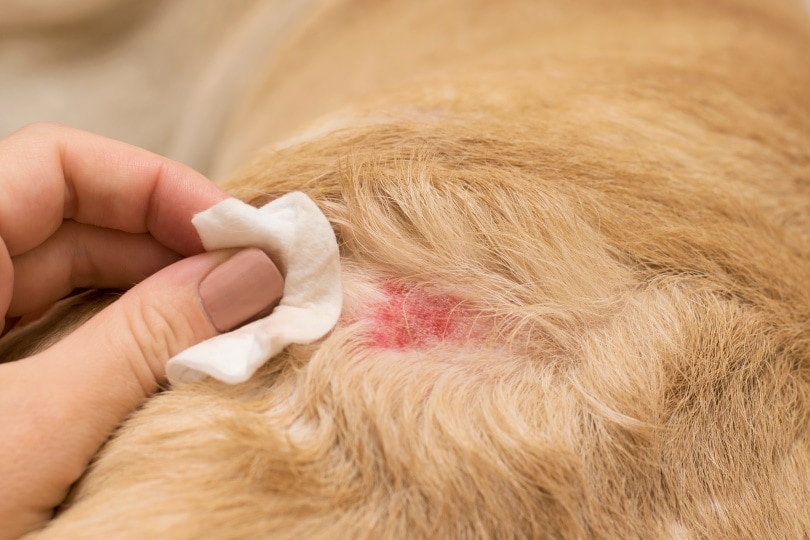
Now that any bleeding has stopped, removing the fur around the area is your next task. Cover the wound with a water-based lubricant like KY jelly. Avoid using Vaseline, as it’s not recommended for treating injuries. The lubricant will collect the shaved fur and protect the wound while you work.
Carefully shave around the area with electric clippers. Scissors and disposable razors can be used too, but you need to be extra careful not to catch your dog’s skin. If they’re struggling too much, even with a friend restraining them, stick with the clippers to prevent further injuries.
Once the hair is removed from the area, gently wipe away the lubricant with a towel. You can use paper or cloth, as long as it’s dry and clean.
5. Wash the Area
The next step is to flush any dirt and debris out of the wound. Warm water or a saline solution is the best for this. You’ll need to wash the wound until you can’t see any other debris in or around it.
Don’t be surprised if you go through a large amount of water in the process. It’s better to be thorough than miss something that could cause an infection later.
6. Antiseptic and Antibacterial Ointment
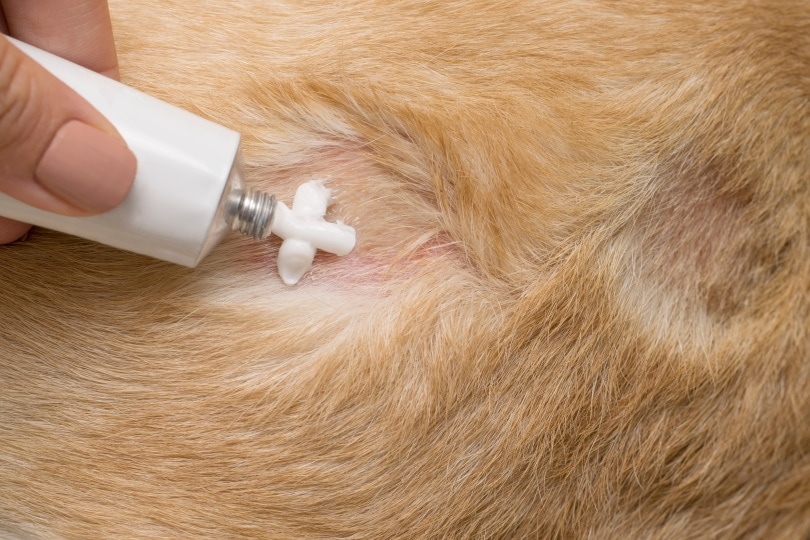
Many people recommend using antiseptic sprays to disinfect the wound once it’s been washed. While antiseptic solutions can help if you have nothing else on hand — and if they’re not used too often — they can actually interfere with the healing process, depending on the active ingredient.
If you’re not sure whether an antiseptic like chlorhexidine is necessary, check with your veterinarian. They’ll be able to tell you whether to simply use warm water or which antiseptics you should use and how often. Your veterinarian might also prescribe antibacterial ointments to prevent infections once they have examined the wound.
7. Keep It Clean
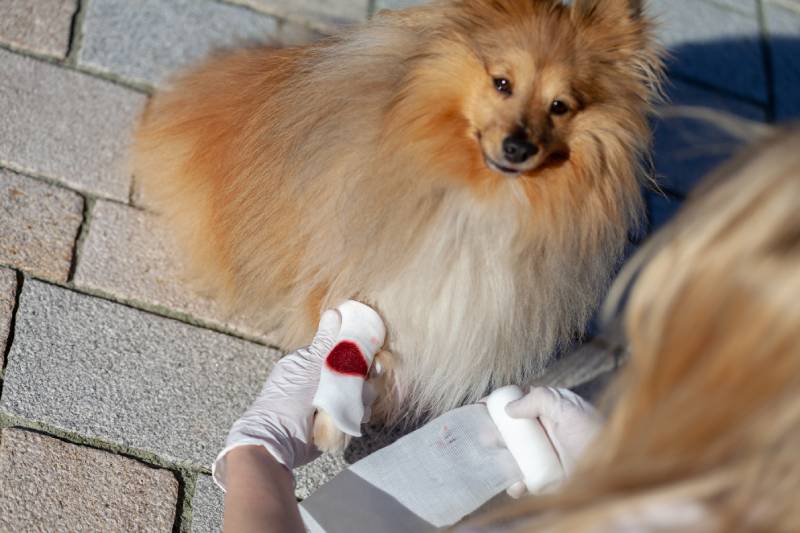
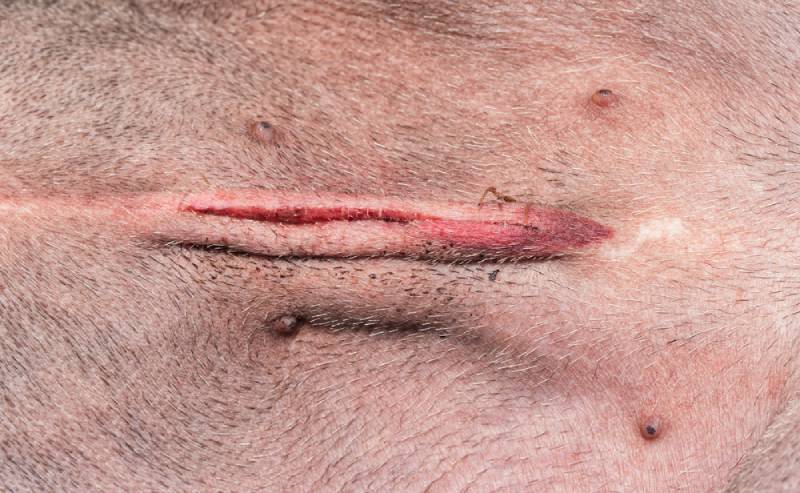
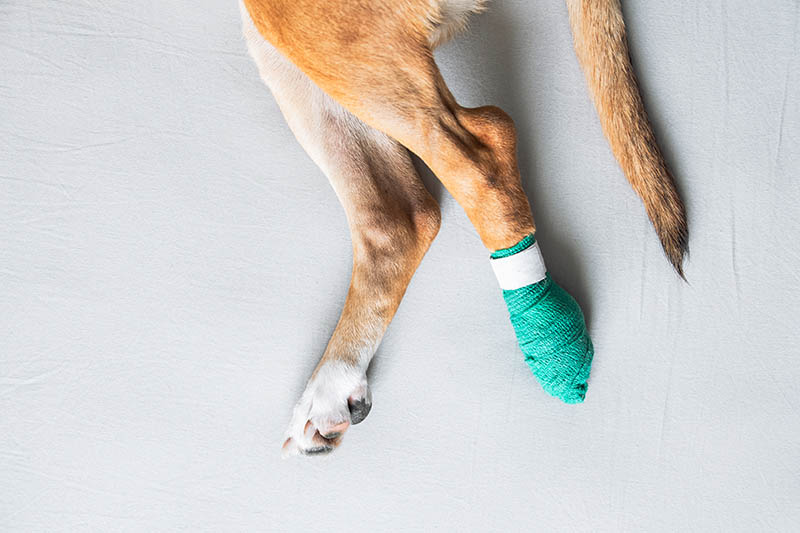
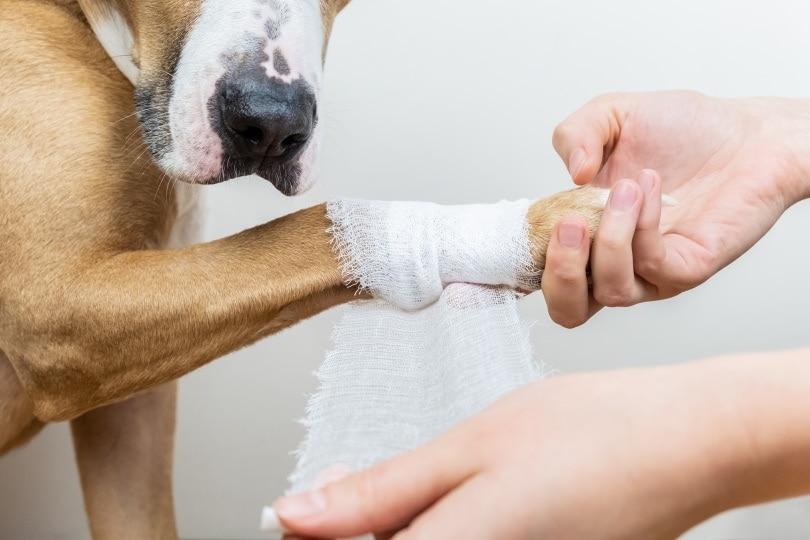
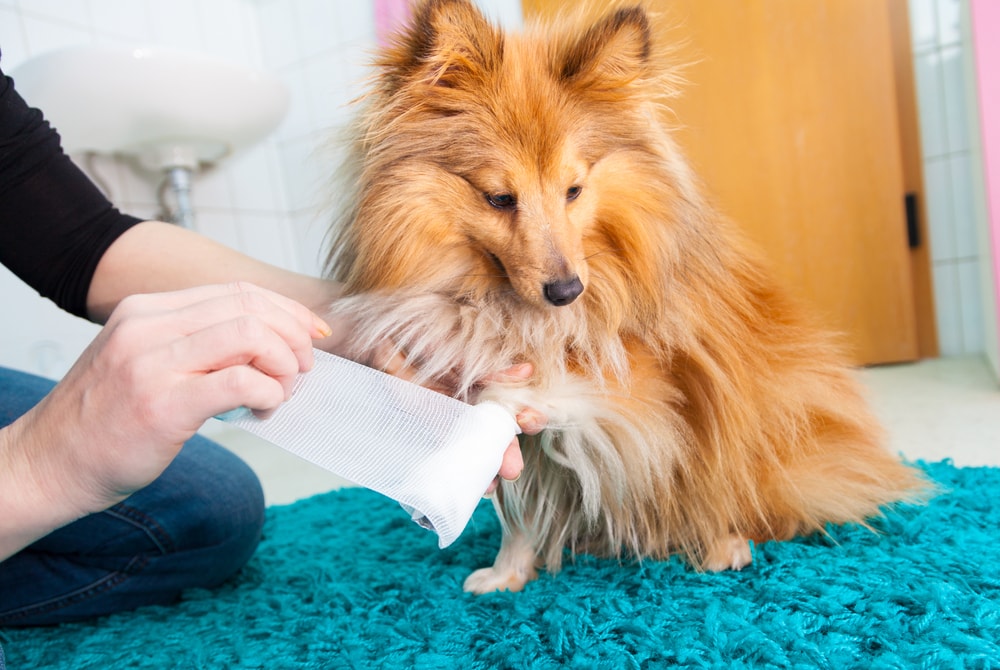
To help promote your dog’s healing, keeping the wound as clean as possible is essential. This includes preventing your dog from licking it. You can cover the wound with a light bandage, but sometimes the best solution is an Elizabethan collar, or E-collar.
Your pooch will fix you with woeful puppy dog eyes whenever they’re wearing it, but it’ll keep their tendency to lick their wounds at bay.
8. Monitor for Infection
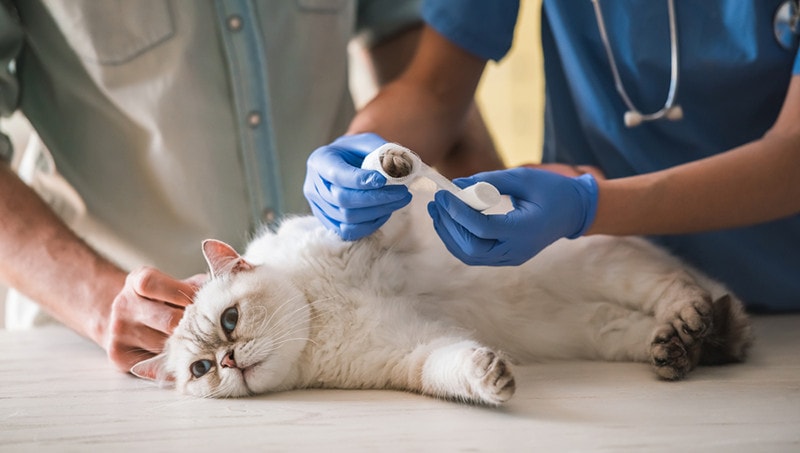
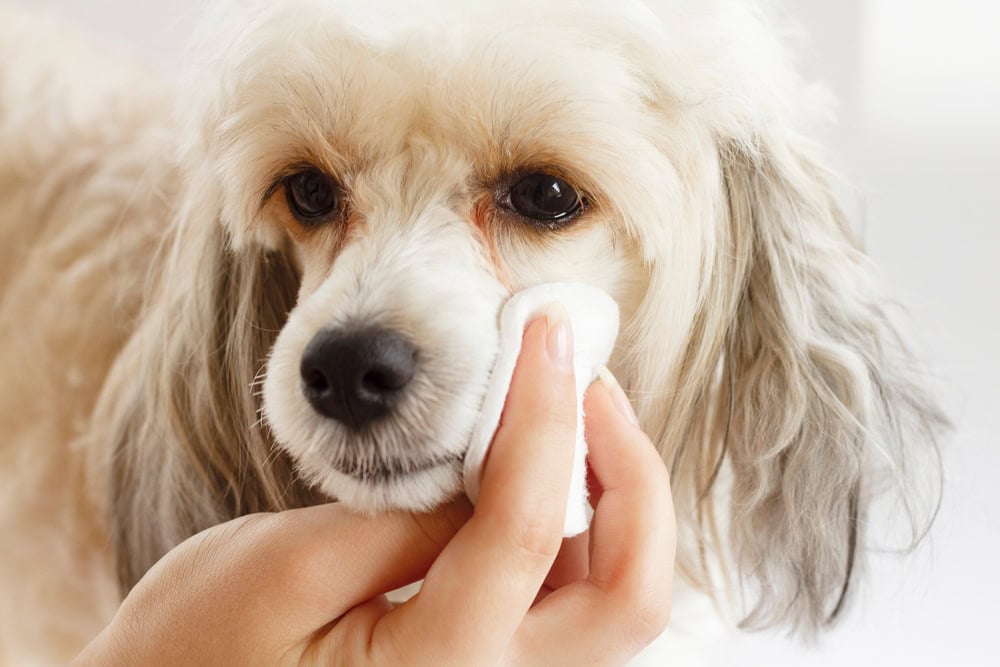
As your dog heals, you should change any bandages on their wound and wash it regularly to keep it clean. Bandages should never become wet and should be changed if they are wet. In the process, keep a careful eye out for any signs of infection. If you see even minor signs, you should contact your veterinarian to prevent it from worsening. If they prescribe antibiotics, follow the instructions completely until the course of medicine has finished.
The signs of infection include:
Conclusion
Knowing how to properly take care of your dog’s wounds will help you prevent infection. This is important for healing surgical wounds or injuries that your dog sustains while you’re out on a hike. Keeping the wound as clean as possible and preventing your dog from licking it will help you promote healing.
While some small cuts and scrapes can be handled at home, others require a trip to a veterinarian. If the wound is bleeding profusely, has glass embedded in it, or is infected, go to your local clinic as soon as possible. It is also best to consult a veterinarian if you’re ever not sure about how to best treat your dog’s injury.
See Also:
My Dog’s Spay Incision Broke Open: Causes & Vet-Approved Care Tips
Should I Adopt A Puppy vs Adult Dog? Pros & Cons of Each Age
Featured Image Credit: Aleksey Boyko, Sshuterstock
Get Hepper In Your Inbox


Pet care tips from our vets and experts, straight to your inbox.
You may opt-out at any time. View our Privacy Policy for more information.
Nicole is a lover of animals of all sizes but is especially fascinated with the feline variety. She’s the proud mom of Baby, a Burmese, and works every day so he can relax in the sunshine or by the fire. She’s always had a cat in her home and has spent countless days with others, observing behaviors and softening up even the grouchiest of the lot. Nicole wants to share her kitty expertise with you so you and your cat can live happy, healthy, and care-free.
Join the conversation
Ask a question, share your story, or send private feedback.