Hepper is reader-supported. When you buy via links on our site, we may earn an affiliate commission at no cost to you. Learn more.
Can Hamsters Die from Stress? Vet Approved Facts and How to Manage It


In this article
Hamsters are fun and playful pets, but they’re also prone to feeling stressed out. Too much stress can trigger varying negative impacts on a hamster’s well-being and affect their physical health. Though uncommon, some cases of stress can contribute to shortening a hamster’s lifespan and lead to death.
Reducing stress and working to keep your hamster happy can help reduce the risk of poor health. So, being mindful of your hamster’s contentment can increase the likelihood of your hamster living a long and happy life.

What Happens When a Hamster’s Stressed Out
Stress can contribute to shortening a hamster’s life. For example, hamsters living in chronically stressful environments can develop a weaker immune system, which makes them more susceptible to contracting diseases. When stressed hamsters get sick, they can have a harder time fighting off the infection and recovering.
Stress may also worsen the condition of hamsters that already have chronic illnesses. One study suggests that hamsters with cardiomyopathy can experience accelerated complications of the disease from stress.
So, even if your hamster doesn’t die from experiencing an isolated stressful event, they have a higher chance of dying early if they live in chronically stressful conditions.
Things That Cause Hamsters to Feel Stress
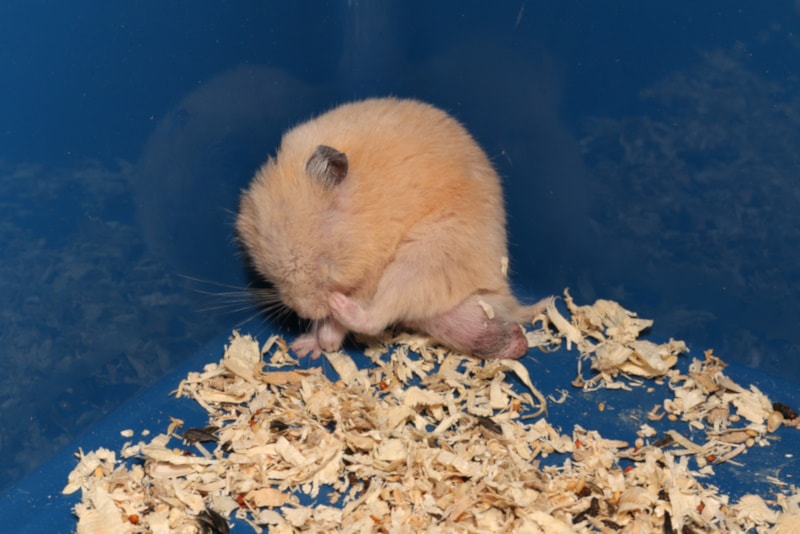
As small animals, it’s understandable for hamsters to feel stressed out by things that seem normal to us. One common stressor for hamsters is when they’re first transported to their new home. The adjustment period can be highly stressful for hamsters, and they’re much more susceptible to proliferative ileitis, more commonly known as wet tail, and other illnesses.
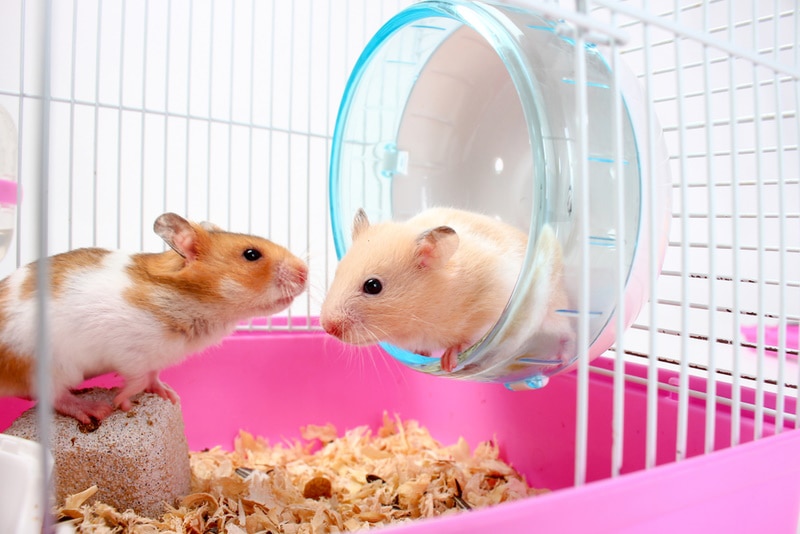
Wet tail is a name often given to diarrhea in hamsters and can be caused by the bacteria Lawsonia intracellularis, Campylobacter, and others. Hamsters that experience stressful situations are more at risk of getting wet tail. Stressful experiences can include moving to a new home, living in overcrowded spaces, or living in unclean environments. Wet tail can progress relatively quickly, and it can lead to death if left untreated.
Along with living in unsuitable and unsanitary enclosures, hamsters can feel stressed if they’re eating a poor diet or are in a room with loud noises. Other pets in the home can also cause hamsters to feel stressed out.
It’s also important to remember that hamsters are nocturnal animals and are active when most people are usually sleeping. So, they can feel stressed if they’re in a room with high levels of activity and can’t get enough sleep during the day.
Signs of Stress in Hamsters
You can detect stress in hamsters by examining their physical wellbeing and paying attention to their behavior. Some physical signs of stress include hair loss, weight loss, increased salivation, and tensed muscles.
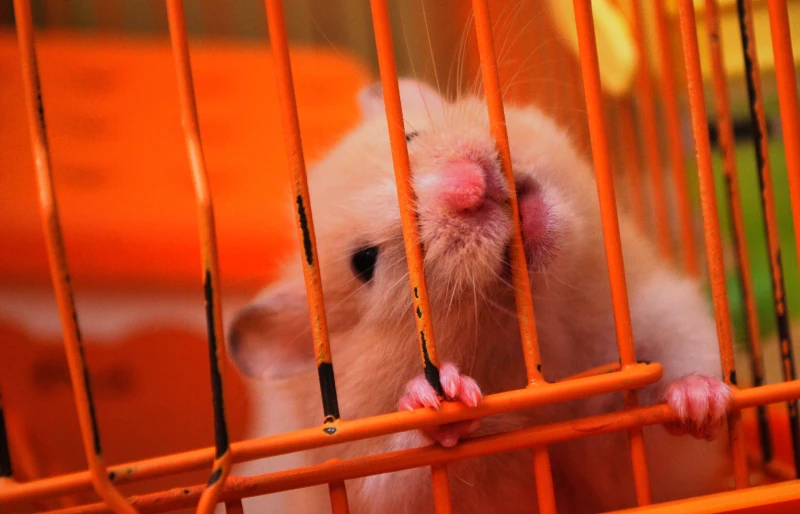
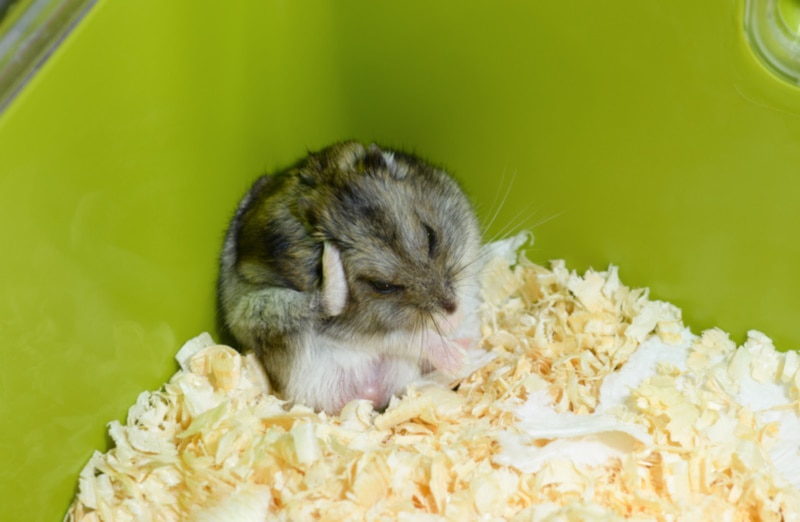
Stressed hamsters are often hyperactive and can show aggression. They won’t want to be held and may resort to biting. Some hamsters may try to escape their enclosures repeatedly. In some cases, stressed hamsters will develop compulsive behaviors, like overgrooming and excessive scratching.
Ways to Reduce Stress for Hamsters
Stress can cause a significant negative impact on a hamster’s health and life, so it’s important to do your best to help your hamster live a stress-free life. Fortunately, there are many things you can do to help your hamster feel less stress.
Smooth Transition to a New Home
First, make sure to be extra careful and mindful during your hamster’s first few weeks in their new home. Your hamster’s enclosure should be set up in a quiet and secluded space in your home. The enclosure shouldn’t be in direct sunlight, but it should still be in a room that has plenty of natural light. Make sure that the temperature of the room is between 65°F–75°F.
Instead of picking up your hamster out of their carrier box, place the box inside the enclosure and let your hamster step out on their own. Make sure that your hamster has plenty of food and water and leave them alone for the first couple of days.
Healthy Diet
It’s also important to feed your hamster a healthy diet. Pet hamsters do best when eating high-quality hamster pellets, hay, and small quantities of vegetables and fruits. They also need constant access to fresh water and often prefer water bottles with a valveless sipper tube.

Clean Enclosure
Another way to reduce stress for your hamster is to clean their enclosure regularly. The frequency of cleaning will vary from hamster to hamster, but most cages need to be cleaned once a week or once every 2 weeks. Keeping your hamster’s enclosure clean will reduce the risk of bacterial infections.
Exercise
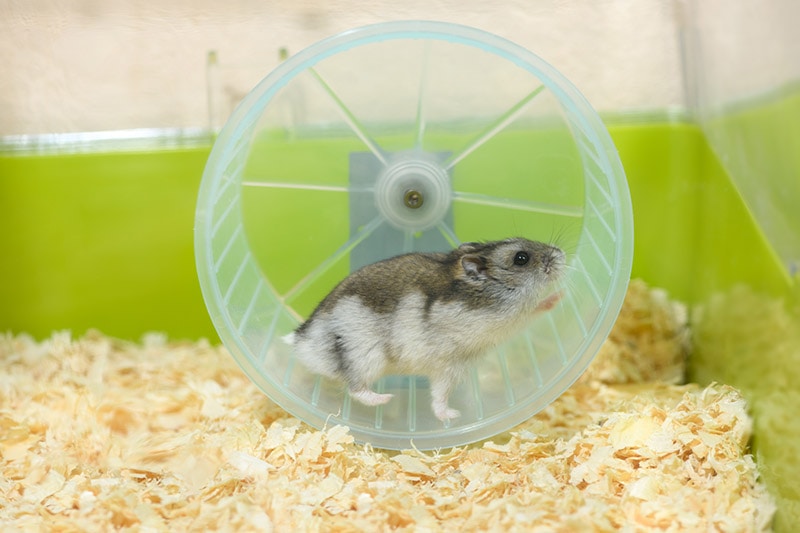
Make sure your hamster has plenty of opportunities to exercise and engage in enrichment activities. You can purchase all kinds of toys that will keep hamsters entertained, and your hamster can get some exercise by running on a hamster wheel.
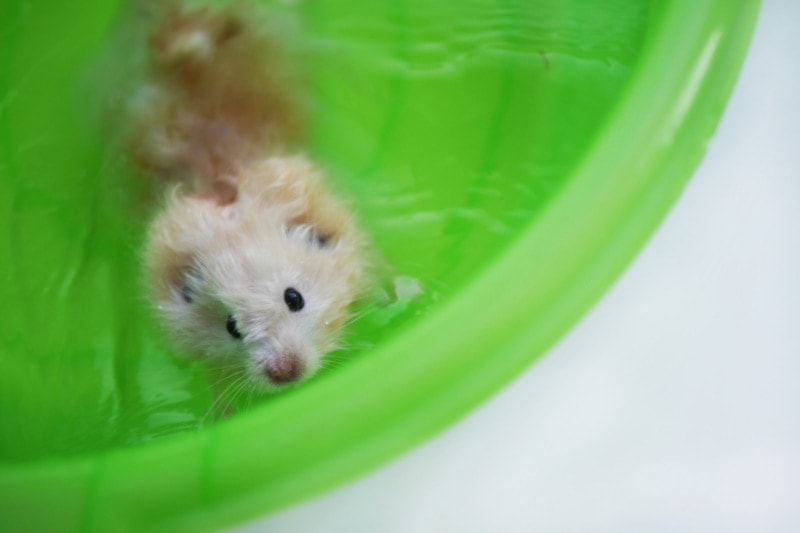
It’s not recommended to place hamsters in hamster balls because they can cause them to feel stressed out. A safer alternative would be to let your hamster run around in a playpen. Just make sure that the spaces between the wire are narrow so that your hamster can’t escape, and make sure other pets aren’t allowed near while your hamster is out. Another option would be to lay a towel in your bathtub and let your hamster explore this space. You can hide food and treats to encourage your hamster to explore and get some exercise in.
Final Thoughts
Stress can contribute to making a hamster sick and shortening their lifespan. So, make sure to provide a comfortable living space that makes your hamster feel safe and secure. Feed them a healthy diet and help them get plenty of exercise. It’s also important to familiarize yourself with the causes and signs of stress. Overall, being a knowledgeable and observant hamster owner will help immensely in lowering stress and keeping your hamster happy and healthy.
See Also:
Sources
Featured Image Credit: zuzanafoto, Shutterstock
Get Hepper In Your Inbox


Pet care tips from our vets and experts, straight to your inbox.
You may opt-out at any time. View our Privacy Policy for more information.
Jessica is a freelance writer who spends most of her day reading and writing while her fluffy Cavapoo, Nora, naps beside her. She loves and appreciates pets and animals because there’s so much to learn from them, and they do so much for people. As a dog mom, she understands the special relationship that pet parents have with their pets. So, she loves sharing helpful information that people can use to better understand their pets. When she’s not writing, you can find her walking dogs, tending to her plant babies, or drinking her nth cup of coffee.
Join the conversation
Ask a question, share your story, or send private feedback.