Hepper is reader-supported. When you buy via links on our site, we may earn an affiliate commission at no cost to you. Learn more.
What Age Do Cats Get Arthritis? Vet Reviewed Signs to Look For


In this article
Like humans, cats can get arthritis as they age. This disease affects a cat’s joints. The pain is typically caused by inflammation and degeneration in the joints. Since cats are so good at hiding their pain and discomfort, it can be tough to determine when a feline starts to develop arthritis or how quickly it is progressing. Many cats will start showing signs of arthritis after the age of 12 but almost any age is possible.
The first step is to understand what signs of arthritis to look for. This way, you can get your cat to the veterinarian for arthritis care before it becomes too serious or painful for them.

Here's When Cats Tend to Develop Arthritis
According to research, about 90% of cats over the age of 12 years show signs of arthritis or degenerative joint disease. Therefore, it’s safe to say that the disease is highly prevalent in senior cats. It’s important to note, though, that there is no specific age when a cat can or cannot get arthritis. Some cats may get it much earlier, and others do not get it at all. Whether and when your kitty develops this condition will depend on their unique body composition and risk factors.
Here's What Causes Arthritis in Cats
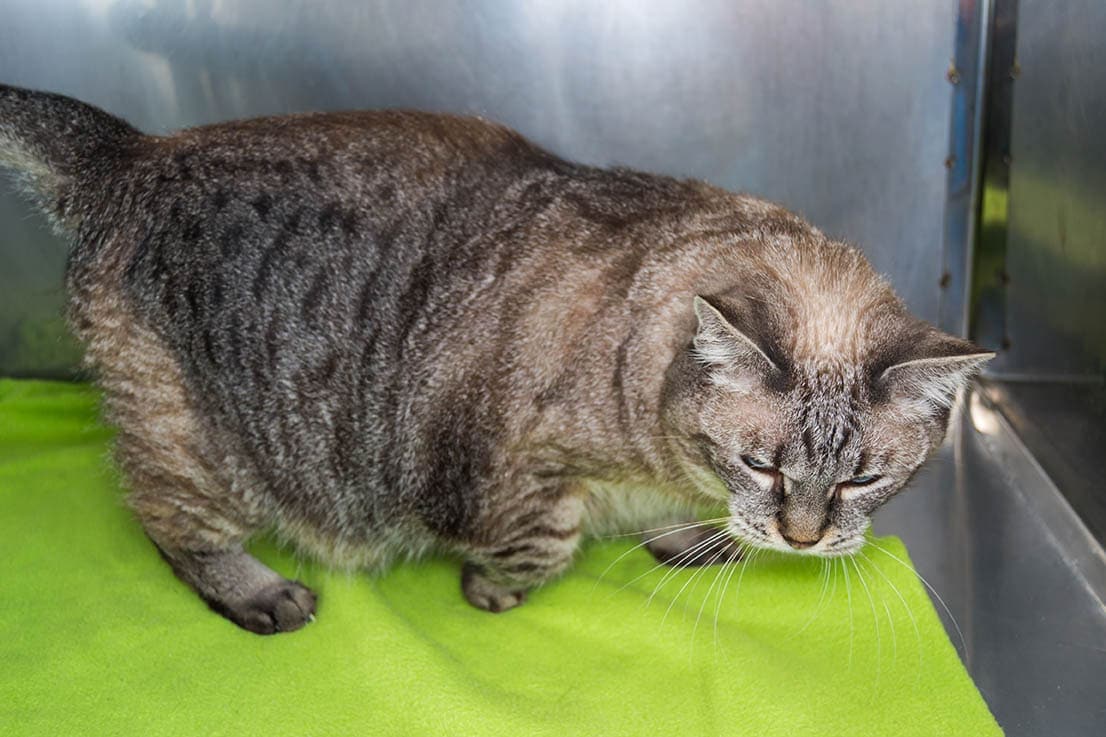
The exact mechanism and cause of osteoarthritis in cats is not fully known. However, it is generally thought arthritis is caused by wear and tear on the joints. As time goes on, the cartilage that protects and cushions the joints starts to degenerate, which eventually results in the bones rubbing together as they move. This can make movement challenging and painful. Osteoarthritis also results in new bone formation at the joint margins.
Unfortunately, wear is not the only thing that can cause arthritis. Sometimes, it is caused by an injury to a joint in a foot or leg. Other factors that can result in the development of arthritis include the abnormal development of joints, excessive weight, nutrition, and even body conformation. It can be difficult to determine exactly why a cat develops arthritis unless it is directly related to an injury.
Here Are Signs of Arthritis to Look For in Your Cat
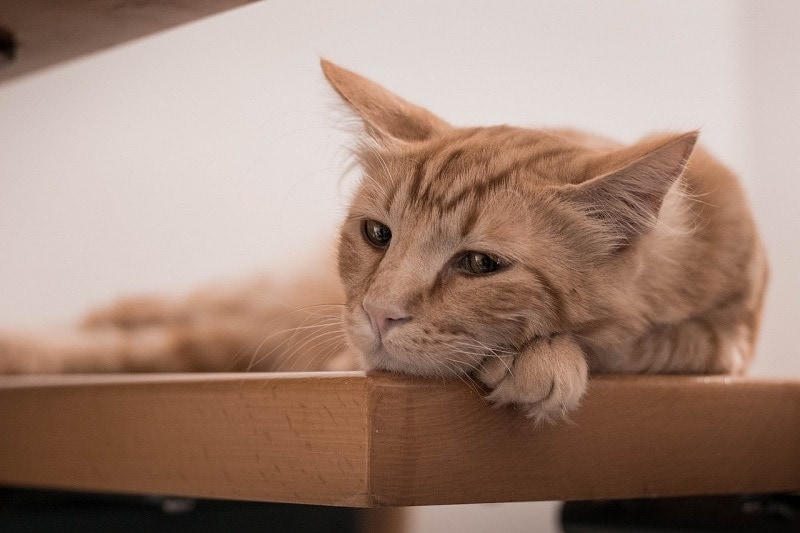
Although cats are great at hiding their pain, there are a few signs that they sometimes display when dealing with the pain and discomfort of this disease.1 One of the most common is having difficulty lying down and getting back up again. Other signs to look for include:
- Trouble going up and down stairs
- Swollen joints
- A tendency to hide
- Stiff walking or lameness
- A reluctance to run and/or play
- Enhanced aggression
- Toileting outside the litter tray
- Hesitation before jumping up or down
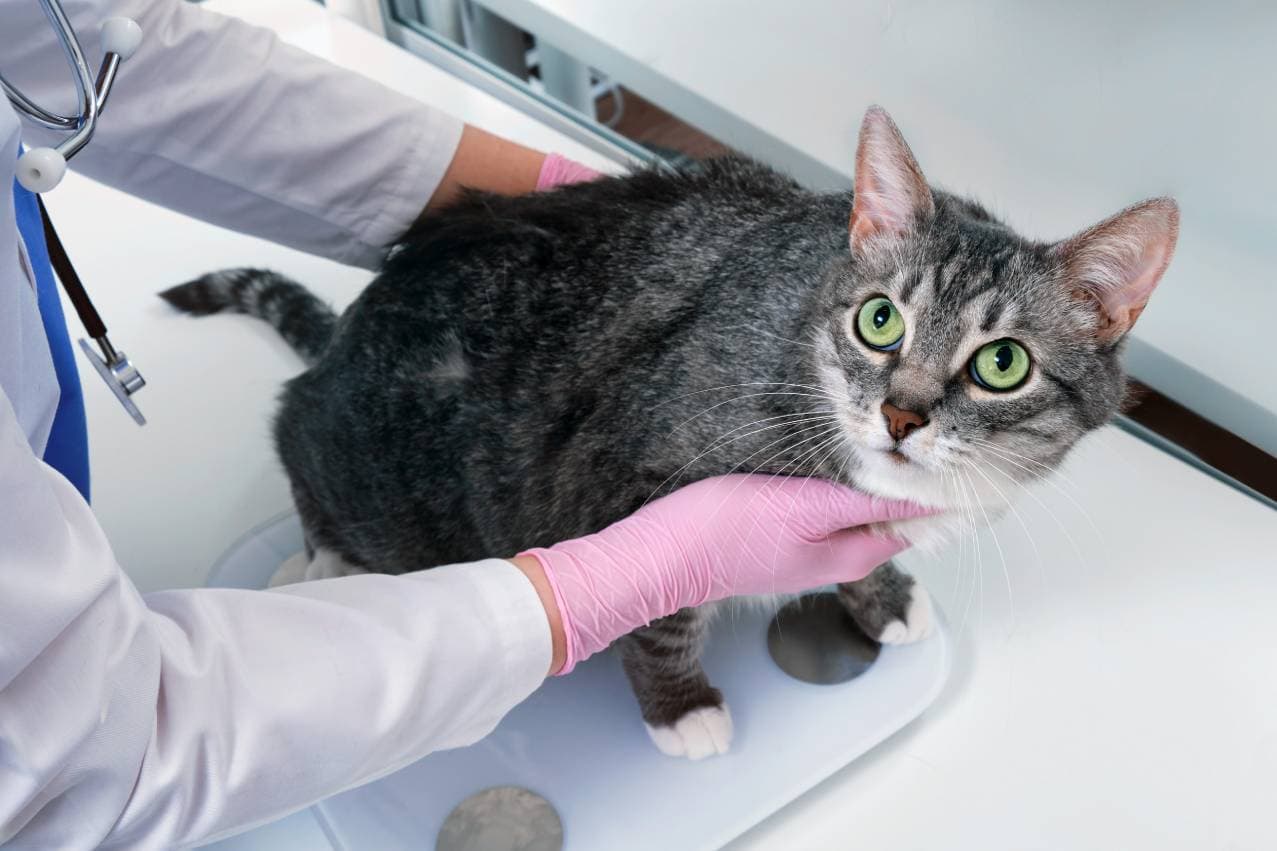
If you notice any of these, schedule an appointment with your veterinarian for an arthritis checkup. Inform them of the signs that you’ve noticed and any questions that you have to ensure that nothing important gets overlooked during the checkup.
Here’s How Arthritis Is Typically Treated
Sadly, there is no cure for arthritis, but a few things can be done to manage the pain and discomfort. First, your kitty should be thoroughly checked out by your veterinarian so they can determine the best course of action. Next, there are a few types of care that your vet may want to implement:
- Nutrition — If your cat needs to lose weight or their nutritional profile should be adjusted, a change in diet or a prescription food plan might be recommended.
- Medication — Anti-inflammatory drugs are typically prescribed to help keep joint inflammation to a minimum. Other types of pain medication may also be prescribed.
- Supplements — Nutritional supplements, such as glucosamine and omega fatty acids, can be added to a cat’s diet for pain and inflammation relief.
- Environment adaptations – Low-sided litter trays, ramps, and comfy beds
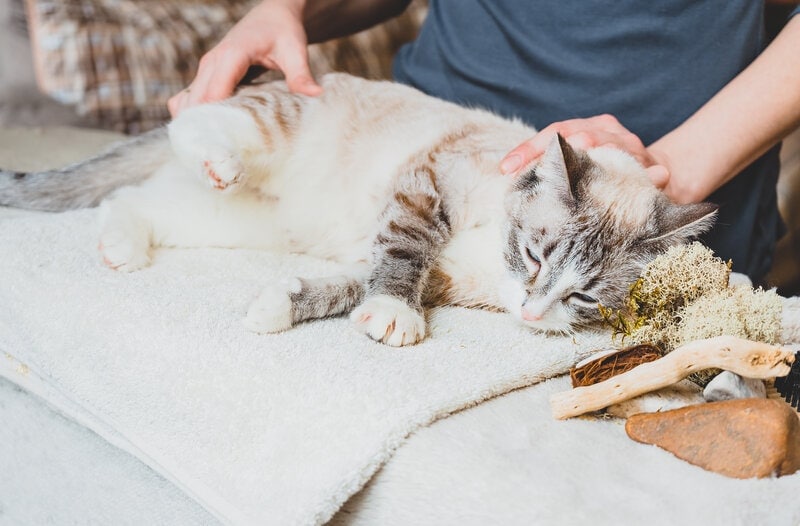
- Physical Therapy — Joint mobilization, hydrotherapy, and therapeutic exercises can help relieve pain and ensure the continued mobility of arthritic joints in the body.

Conclusion
Cats are usually agile and athletic animals, but arthritis can significantly slow them down. If this condition is managed from an early stage, they can live happy and relatively pain-free lives. The key is to catch the development of the disease when it first begins so that veterinarian care can be provided quickly.
Featured Image Credit: Roman Chekhovskoi, Shutterstock
Get Hepper In Your Inbox


Pet care tips from our vets and experts, straight to your inbox.
You may opt-out at any time. View our Privacy Policy for more information.
Rachael has been a freelance writer since 2000, in which time she has had an opportunity to research and write about many different topics while working to master the art of fusing high-quality content with effective content marketing strategies. She lives off the grid in Hawaii with her husband, her garden, and her rescue animals including 5 dogs, a cat, a goat, and dozens of chickens. She is an artist at heart and loves to read, paint, and make jewelry in her spare time. As a vegan, Rachael is obsessed with helping animals in need both in her community and anywhere in the world where she feels she can make a difference. Animals also happen to be her favorite topic to write about!
Join the conversation
Ask a question, share your story, or send private feedback.