Hepper blog

Search our database of over 9,984 posts with up-to-date information from our experts and veterinarians.

Hepper is reader-supported. When you buy via links on our site, we may earn an affiliate commission at no cost to you. Learn more.

How to Tell if Your Cat Is in Pain: Vet-Reviewed Signs & Causes

By Chelsea Mortensen · Reviewed & fact-checked by Dr. Tabitha HensonVet Approved
Dr. Tabitha Henson
Reviewed & Fact-Checked byDr. Tabitha HensonDVM (Veterinarian)
Dr. Tabitha Henson graduated from Midwestern University in 2021. She practices small and occasionally exotic animal medicine. Her clinical interests include internal medicine, dentistry and rehabilitation. She is working on becoming a certified canine rehabilitation practitioner (CCRP). In her free time she enjoys being in nature and spending time with her golden retriever.View authorThe information is current and up-to-date in accordance with the latest veterinarian research. Read about our vets
Share
Ask us a question in the comments
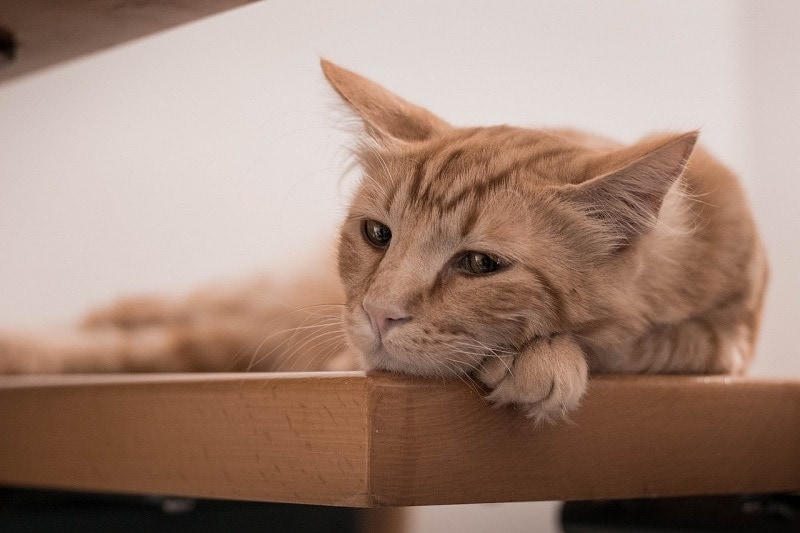
sad cat

As cat owners, it’s our responsibility to keep our cats healthy and meet their needs. But sometimes, it’s hard to meet the needs of an animal that doesn’t act like a human and doesn’t speak the same language!

Sometimes, our cats can be in pain for days or weeks without us even noticing because they don’t always communicate it the way that we would. If you’re wondering if your cat is in pain, here are some suggestions to help you figure it out.

Causes of Pain in Cats

Part of the reason that pain can be hard to notice is that cats have so many causes of pain. Cat pain is often caused by an injury that isn’t readily visible—anything from a bee sting or bruise to a broken bone. An illness or medical condition can also cause pain. As cats get older, most will experience chronic pain related to aging, such as arthritis. All these types of pain are different, but they can have similar symptoms. If you notice your cat is in pain with no visible cause, a visit to the vet can help you figure out the source and possible solution.

Reasons Cats Hide Pain

It would be nice if all cats made a big fuss over their pain. But many cats will try to carry on through their pain like nothing is wrong. This can be frustrating for owners—it can feel like your cat doesn’t want help or is stubborn. But in the wild, hiding pain is a key to survival. Injured animals are more vulnerable to predators, and even a minor injury can attract unwanted attention. Many animals, including cats, will often try to hide pain because their instincts tell them that’s the safest option.

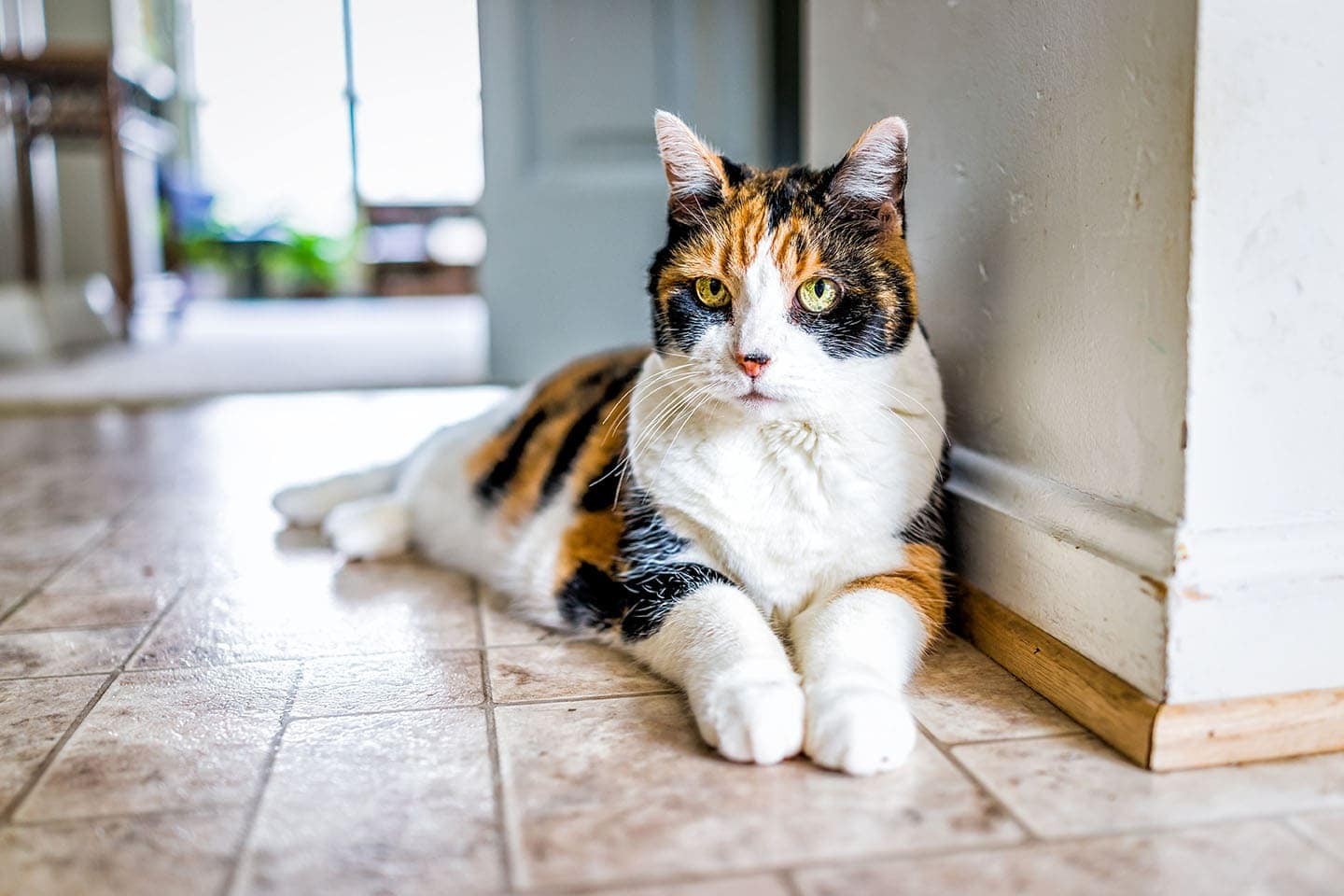
sad lonely cat
Image By: medveda, Shutterstock

Signs of Pain in Cats

  • Limping or difficulty walking
  • Difficulty jumping or stretching
  • Reluctance to move
  • Abnormal reactions to being touched
  • Overall activity decrease
  • Excessive sleep
  • Withdrawn behavior
  • Hiding
  • Difficulty grooming or lack of grooming
  • Excessive licking or barbering in one area
  • Appetite loss
  • Mood and temperament changes
  • Shifting weight frequently
  • Lower head posture
  • Increased squinting or closed eyes
  • Avoiding bright areas
  • Growling
  • Groaning
  • Abnormal vocalizations
  • Changes in toilet habits
  • Difficulty urinating
  • Tail flicking
  • Rapid or shallow breathing
  • Swollen or inflamed limbs
  • Reduced affection towards people

Treatment for Cats in Pain

There’s not much you can do to treat pain in cats at home. Over-the-counter human medications like ibuprofen are very dangerous to cats. Some are toxic to cats. Even the medicines that similarly affect cats and humans are easy to dose improperly. Because of this, you shouldn’t ever try to medicate your cat’s pain without veterinary guidance. A few natural, herbal-based medicines for cats have appeared on the market in recent years. However, these treatments are generally untested, so they aren’t the safest choice.

There are a few things you can do, though. Most cats will appreciate a comfortable bed with food and clean water nearby. Some types of pain might be lessened by raised food and water bowls, especially if your cat has difficulty moving. Your cat should have a comfortable place to rest that is quiet and out-of-the-way, without much foot traffic, although some cats appreciate quiet company.

Your cat should also have easy access to a litter box. Consider whether your cat has a litter box that is difficult to get into and out of and whether your cat needs to climb stairs or otherwise move to use a litter box.

Visiting a Vet for Cats in Pain

If your cat is in pain, a veterinarian can help you identify the cause if it’s unknown and provide treatment. Vet treatment can help ensure that your cat heals from injuries quickly and avoids infection. Vets can also suggest treatment plans for illnesses, chronic pain, and other types of pain. In some cases, your vet might prescribe painkillers in a dose suitable for your cat’s size and needs.

Final Thoughts

Maybe your cat’s behavior changed overnight, or maybe it’s shifted gradually over time. Either way, the way your cat acts can tell you a lot about your health. It’s important to know your cat’s normal behavior so that you can watch for signs of pain in your cat.


Featured Image Credit: avi_acl, Pixabay

Get Hepper In Your Inbox

Pet care tips from our vets and experts, straight to your inbox.

List

Select all that apply.

You may opt-out at any time. View our Privacy Policy for more information.

Chelsea Mortensen
Authored by

Chelsea Mortensen

Join the conversation

Ask a question, share your story, or send private feedback.
Rate this post
Required to post. Only our editors see your rating.
Who should see this?

A human reviews every comment before it appears. Your email is never published.

Picked to go with this article

How to Tell if a Cat Has Arthritis: 8 Vet-Reviewed Signs

How to Tell if a Cat Has Arthritis: 8 Vet-Reviewed Signs

Many people may have heard of arthritis, but some may not know what it actually is, only understanding that it is a condition that affects the joints. Arthriti…

Sophie Herlihy
By Sophie Herlihy ·
How Does a Cat Ask for Help? 6 Vet-Reviewed Behaviors to Look For

How Does a Cat Ask for Help? 6 Vet-Reviewed Behaviors to Look For

Cats can be very vocal, but they can’t communicate with people in clear terms. That is one of the reasons that diagnosing animals can be such a challenge. They…

Grant Piper
By Grant Piper ·
Do Cats Purr When They Are in Pain? Vet-Reviewed Facts & FAQ

Do Cats Purr When They Are in Pain? Vet-Reviewed Facts & FAQ

How much do you love hearing your cat purr while they are curled up in your lap? It’s a relaxing sound that lets you know that your cat is feeling good at that…

Kathryn Copeland
By Kathryn Copeland ·
25 Warning Signs Your Cat Is Crying Out for Help: Vet Approved Tips & Advice

25 Warning Signs Your Cat Is Crying Out for Help: Vet Approved Tips & Advice

We must preface this article by saying do not panic or assume the worst. Many of the signs we will discuss are non-diagnostic and don’t confirm a specific cond…

Chris Dinesen Rogers
By Chris Dinesen Rogers ·

Keep reading

More stories you might like

What Age Do Cats Get Arthritis? Vet Reviewed Signs to Look For

Like humans, cats can get arthritis as they age. This disease affects a cat’s joints. The pain is typically caused by inflammation and degeneration in the join…

Rachael Gerkensmeyer
By Rachael Gerkensmeyer ·
What Age Do Cats Get Arthritis? Vet Reviewed Signs to Look For

Why Is My Cat Limping All of a Sudden? 7 Possible Reasons

As a cat lover, it is always concerning to see your feline buddy having trouble walking or limping around in pain—cats are supposed to be able to jump on count…

Lorre Luther
By Lorre Luther ·
Why Is My Cat Limping All of a Sudden? 7 Possible Reasons

Aspirin for Cats with Arthritis: Important Precautions (Vet Answer)

The advancement of medicine and healthcare for the domestic feline population has led to an overall increase in their expected lifespans. While this is general…

Dr. Meg Barnes
By Dr. Meg Barnes ·
Aspirin for Cats with Arthritis: Important Precautions (Vet Answer)

Will Catnip Help Cats That Are in Pain? What You Need to Know!

Whether you have cats in your home or simply love watching videos of these colorful four-legged felines on your phone, you know the effect catnip can have on a…

Melissa Gunter
By Melissa Gunter ·
Will Catnip Help Cats That Are in Pain? What You Need to Know!

Why Is My Cat Acting Weird? 10 Vet Reviewed Warning Signs

People who don't own a cat or simply don't know anything about felines might say that these creatures behave strangely all the time. But you are a true cat lov…

Genevieve Dugal
By Genevieve Dugal ·
Why Is My Cat Acting Weird? 10 Vet Reviewed Warning Signs

How to Help A Cat with Arthritis at Home: 12 Vet-Approved Ideas

As your cat gets older, they can experience a handful of ailments, and one of the most common conditions is arthritis. Arthritis is an umbrella term that refer…

Nicole Cosgrove
By Nicole Cosgrove ·
How to Help A Cat with Arthritis at Home: 12 Vet-Approved Ideas

Can Cats Get Depressed? Vet-Verified Causes, Signs & Treatment

While cats are known for their different temperaments and personalities, most of them are active and outgoing. However, just like humans, cats can exhibit sign…

Nicole Cosgrove
By Nicole Cosgrove ·
Can Cats Get Depressed? Vet-Verified Causes, Signs & Treatment

Laser Treatment for Cats: Purpose & How It Works (Vet Answer)

Laser treatment for cats is a non-invasive and painless procedure. It has many advantages and no known side effects, being used in a varied range of conditions…

Dr. Iulia Mihai
By Dr. Iulia Mihai ·
Laser Treatment for Cats: Purpose & How It Works (Vet Answer)