Hepper is reader-supported. When you buy via links on our site, we may earn an affiliate commission at no cost to you. Learn more.
How to Massage a Cat with Arthritis: Are There Any Dangers?


In this article
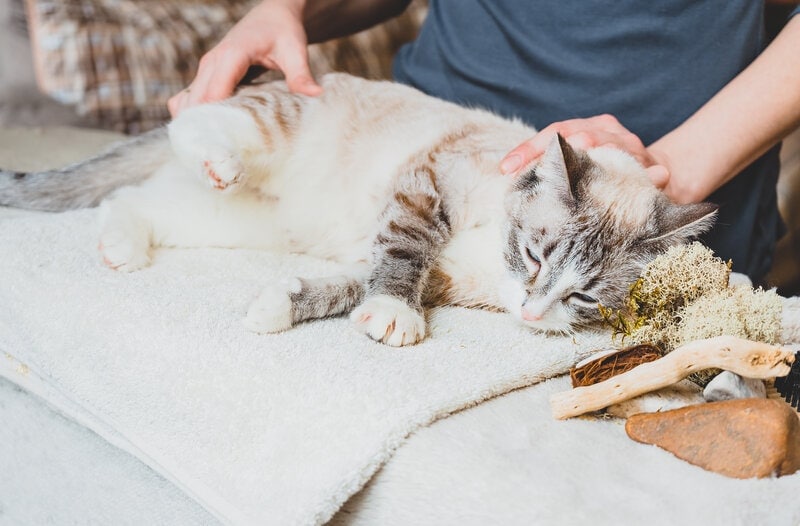
Many cats end up developing arthritis as they age. The level of discomfort and pain will vary from cat to cat, and there are several different ways to help alleviate their pain. Massages are one way that can help address and manage some arthritic pain. However, they may only be helpful in certain circumstances.
Sometimes, it is best to leave the massages to a trained veterinary therapist, and there are times when you can safely give your cat massages at home. To avoid giving your cat more pain, have a conversation with your veterinarian to determine if massages are appropriate for your cat.

How to Massage a Cat with Arthritis
If you get clearance from your veterinarian to give your cat with arthritis a massage, start whenever your cat feels relaxed. If you notice that it’s experiencing a painful episode, don’t start massaging it, as this can lead to more pain and irritation.
Be prepared, to begin with short sessions and gradually increase the length of the massages until your cat gets used to them.
1. Find a Calm and Quiet Environment

If your cat is in a good mood, find a quiet place in your home where you know you will not be disturbed by noises or foot traffic. It may help to turn on a white noise machine or other background noise to help your cat relax. If your cat is tense or too alert or anxious, a massage won’t provide much alleviation for them. So, only engage when your cat is feeling relaxed.
2. Start with Light, Gentle Strokes
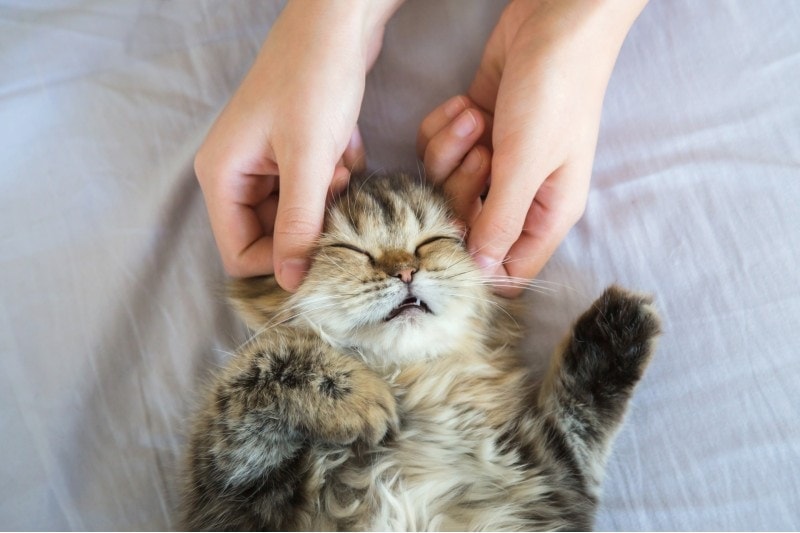
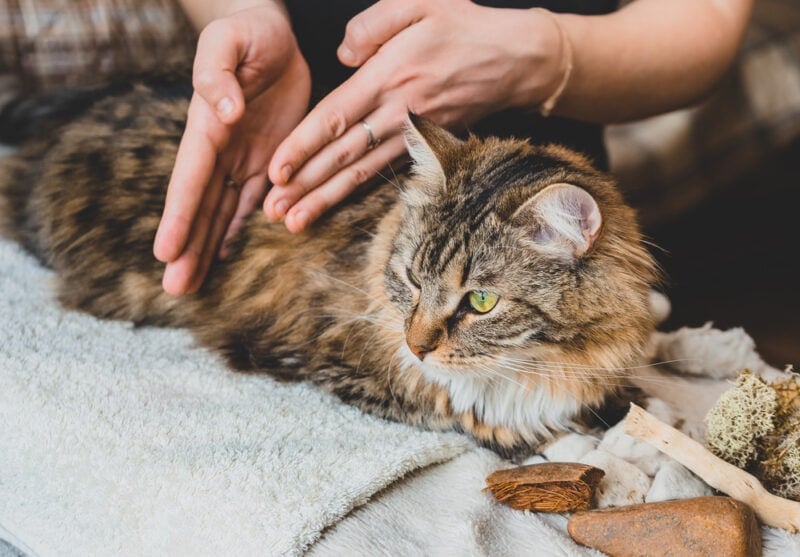
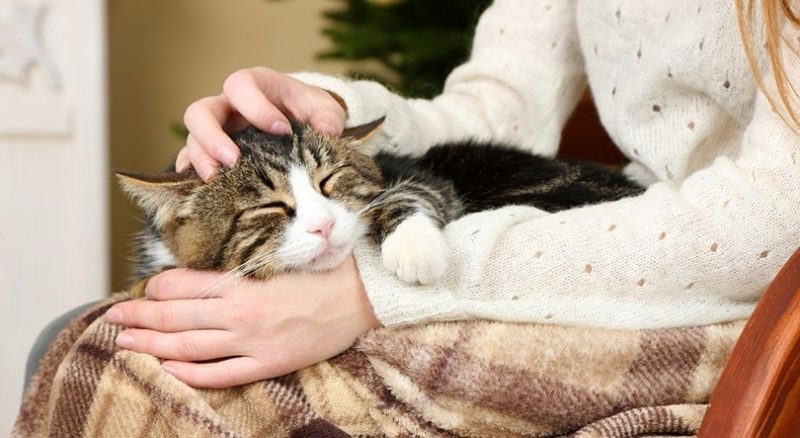
It’s important to prepare your cat for a deeper massage. So, introduce all massages with a preparatory session that consists of light and gentle strokes. You can pet your cat starting from its head and working down to its tail. If your cat has favorite spots that it likes to be petted, make sure to pet those areas to help keep your cat calm and happy.
This part of the massage is extremely important as it encourages the muscles to relax. Make sure to keep all pets and strokes light and not apply pressure just yet.
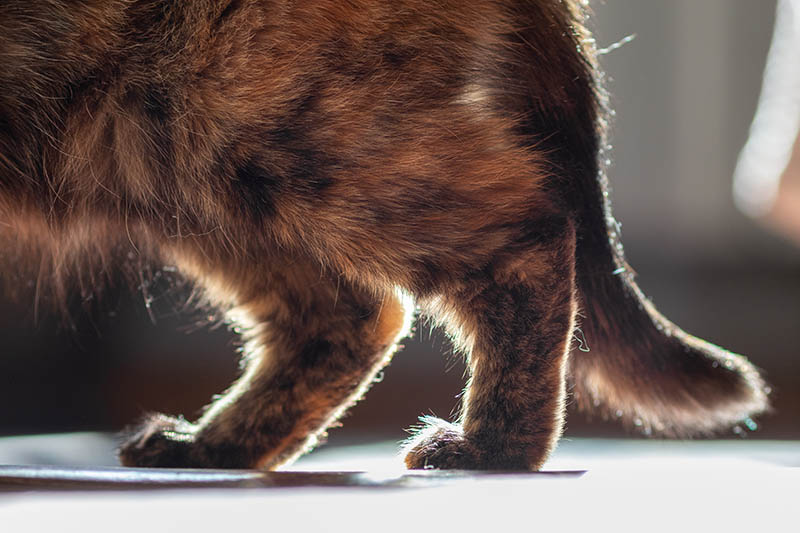
3. Gently Rub the Limbs
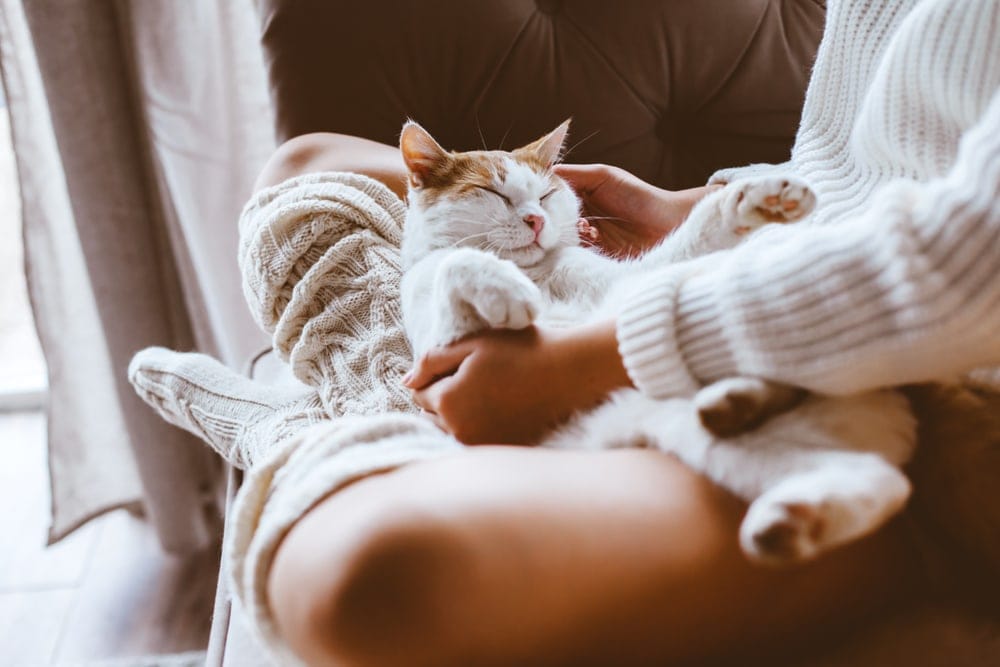
After you spend a few minutes petting your cat, you can start to apply very light pressure to your massaging. You can continue to pet your cat from head to tail but add just a little bit of pressure. Check to see if your cat shows any signs of discomfort.
If your cat remains comfortable and doesn’t move from its place, you can continue to stroke it with light pressure and then glide your hands to your cat’s limbs.
4. Apply Light Pressure to the Joints
You can start to focus more on your cat’s joints and gently apply light pressure to these areas. Keep monitoring your cat’s comfort level to ensure that it’s not feeling more pain.
You can learn basic massaging techniques from a veterinary therapist who specializes in alternative therapies. It’s best to give these types of massages to your cat only after you’ve received approval from a trained professional.
5. Repeat Massages Throughout the Day
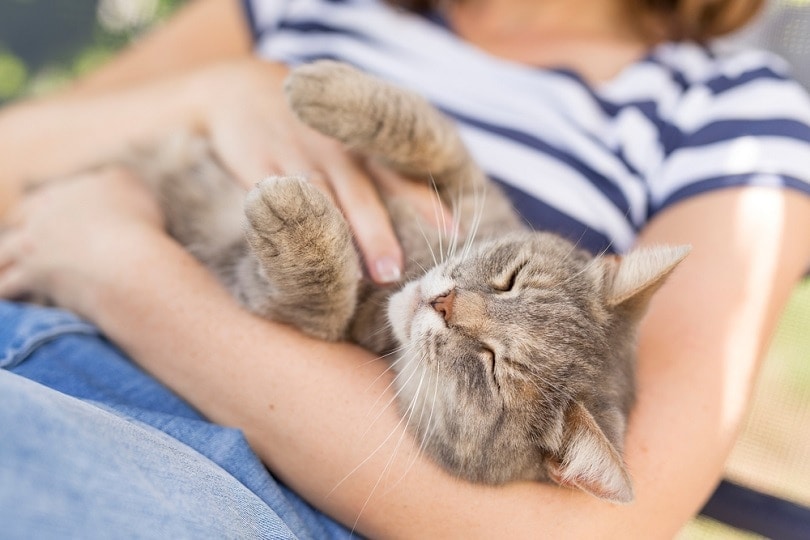
Your cat can enjoy several massages a day. Massages can help improve blood flow and reduce inflammation, and healthy circulation can promote waste elimination throughout the body. So, if your cat likes getting massages, you can give it more than one massage a day as long as it remains calm and comfortable throughout the whole process.

Things to Avoid When Giving Your Cat a Massage
One of the most important things to avoid is applying too much pressure. In general, cats don’t need a lot of pressure with their massages, and cats with arthritis will be even more sensitive to touch. So, it’s best to start light and slowly increase pressure, and make sure to stop immediately at any signs of discomfort or pain.
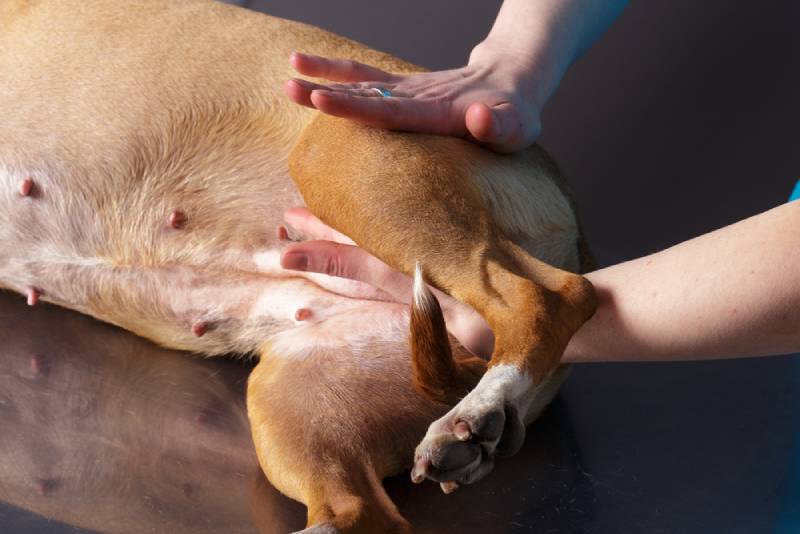
Also, make sure to avoid massaging the abdomen, even if your cat likes belly rubs. Applying pressure in this area can be extremely uncomfortable, especially if a cat has just eaten.
Lastly, don’t force massages. Massaging your cat will not be helpful if your cat isn’t in a good mood. If your cat is feeling anxious, you can try to calm it down with some pets and light strokes. However, if it can’t be soothed, it’s best to refrain from proceeding with a massage. You can always wait for a later time when your cat has relaxed.
Conclusion
Massages can help with alleviating joint pain and arthritis, and at-home massages can be a great way to help your cat in between professional massage sessions and other alternative therapies. However, they shouldn’t be performed at home on cats without your veterinarian’s approval. It also doesn’t hurt to learn proper massage techniques from a trained professional before you start massaging your cat at home.
Featured Image Credit: Ekaterina Kuzovkova, Shutterstock
Get Hepper In Your Inbox


Pet care tips from our vets and experts, straight to your inbox.
You may opt-out at any time. View our Privacy Policy for more information.
Jessica is a freelance writer who spends most of her day reading and writing while her fluffy Cavapoo, Nora, naps beside her. She loves and appreciates pets and animals because there’s so much to learn from them, and they do so much for people. As a dog mom, she understands the special relationship that pet parents have with their pets. So, she loves sharing helpful information that people can use to better understand their pets. When she’s not writing, you can find her walking dogs, tending to her plant babies, or drinking her nth cup of coffee.
Join the conversation
Ask a question, share your story, or send private feedback.