Hepper is reader-supported. When you buy via links on our site, we may earn an affiliate commission at no cost to you. Learn more.
What Does a Hamster Screaming Mean? Vet Approved Explanation

In this article
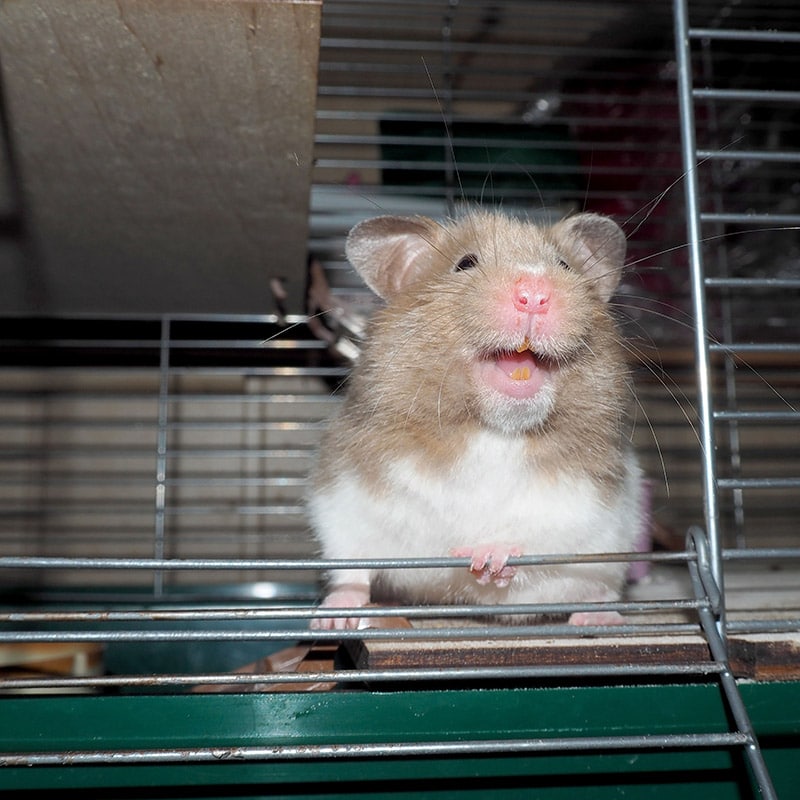
When you think of hamsters, you may think of them as quiet, delicate little creatures. If you’re a hamster owner, you know that hamsters can be quite vocal and make peculiar noises from time to time, such as a scream. A screaming hamster can be alarming, especially when you have no idea why your hamster is screaming. So, why do hamsters scream?
As with any animal, it is impossible to know for sure why they do anything, as they can’t communicate their needs to us. However, most hamster owners agree that a hamster’s scream is usually an indication of fear or pain.

How Do Hamsters Communicate?
Like other rodents, hamsters communicate with each other using ultrasonic vocalizations that cannot be heard by human ears. They communicate this way amongst themselves during social interactions. However, one study demonstrated that lower frequency vocalizations, perceptible to the human ear, were used in aggressive interactions between hamsters1.
Sometimes hamsters make other noises perceptible to humans and used in different contexts. These will be discussed later.
What Causes a Hamster to Scream?
Fear
No hamster owner wants to hear their hamster scream. The sound is rather unpleasant and will tug at your heartstrings. It’s especially alarming if you’re a new hamster owner.
One cause seems to point to fear. Some hamsters are sensitive creatures, and the slightest change in their environment can cause stress, leading to fright and, ultimately, screaming.
Suppose you’ve only had your hamster for a week. It could be that your hamster is fearful of their new surroundings, which can make them hypervigilant and vocal. A hamster that is not used to human handling may also show more vocal behavior.
If you have a cat or dog in the home that peers in the room where your hamster resides, that alone could strike ultimate fear in your hamster. In the wild, a hamster will run away from such predators. It’s important to have hideaways in the enclosure for such events, should they occur, so your hamster can feel safe.
Pain/Discomfort
Pain is another possible cause. If your hamster screams, it’s vital to take them to a veterinarian to ensure they don’t have an injury or illness of some sort. Your vet can address the issue to get your hamster out of pain. Once your hamster has been given a clean bill of health, you can then sum up the screams to fear.
Aggression
As previously stated, hamsters having aggressive interactions amongst themselves will also vocalize. If you have two hamsters that are very obviously not getting along you do need to separate them. Different species have different social preferences but in general most prefer to be solitary unless introduced very early in life. It is unlikely that an aggressive vocalization would be directed towards a human, but hamsters will bite a human out of fear.

How to Deal With Your Hamster’s Screams
First and foremost, ensure your hamster is not in pain by consulting with your vet. As mentioned, hamster screams are rare, but you may have to deal with it during the first few days of bringing them home. Don’t force your hamster to interact. Instead, give them time to get used to you.
Avoid handling or petting fearful hamsters for a week so you don’t cause additional stress, and change their water and food during the day while they’re sleeping, as pet hamsters tend to be nocturnal.
Placing the enclosure in a peaceful, isolated room is also helpful during the first couple of weeks. You can also set a light cloth over the enclosure for additional peace and quiet for a couple of days.
What Other Sounds Do Hamsters Make?
Hamsters can make all sorts of sounds in addition to the rare scream. Here are some other sounds these little furry pals can make that you’ll likely hear:
- Squeak: They make this sound more often and will squeak with activity or excitement, while eating, playing with a new toy, and even running on the exercise wheel.
- Hiss: They will hiss if they feel threatened.
- Clicking: Hamsters sometimes rub their teeth together, also known as “chattering” or "bruxing," and this may be due to frustration or underlying health issues.
- Chirping: Another sound usually used in the context of positive anticipation. .
- Sneezing: Yes, hamsters sneeze too! They may sneeze due to nasal irritation. A one off sneeze is not a cause for alarm.

How to Keep Your Hamster Healthy and Safe
Provide a Suitable Enclosure
So, we’ve mentioned it takes time for your hamster to acclimate once you get them home to their new environment. That said, it’s important to bond with your hamster so they’re not so fearful. However, it all starts with making your hamster comfortable and providing them with all the necessities in the enclosure.
The enclosure should be of adequate size so your hamster has plenty of room to roam, and avoid placing the enclosure in direct sunlight or a drafty area. It should also have chew toys, an exercise wheel, hideaways, cardboard or hay cubes for gnawing and chewing, substrate, food, and water. Hamsters need access to water 24/7, and attaching a no-drip water bottle to the enclosure is the best way to ensure they get water anytime they want without spillage.
The cage or enclosure should be clean, high quality, and ensure it has plenty of air ventilation with mesh or wire walls that are not big enough to where your hamster can escape. Remember, you can cover the enclosure with a light cloth for the first couple of days or so. This helps your hamster feel safe and secure while adjusting to the new surroundings.
Feed a Complete and Balanced Diet
Hamsters are omnivores, and they eat mostly plants and insects in the wild. For pets, pelleted hamster food provides the necessary daily nutrients your hamster needs. You can also supply your hamster with a variety of healthy fruits and veggies in moderation; about a tablespoon a day for most hamsters. Make sure that uneaten fresh food is removed within a few hours to prevent spoilage. Offer more vegetables than fruit due to the sugar content. Timothy hay is also an excellent source of fiber that you can feed daily.
Fruits and veggies you can safely feed your hamster are:
Tip: Your hamster will also enjoy mealworms, nuts, such as sweet almonds, walnuts, and pine nuts, and hard-boiled egg from time to time.
How to Bond With Your Hamster
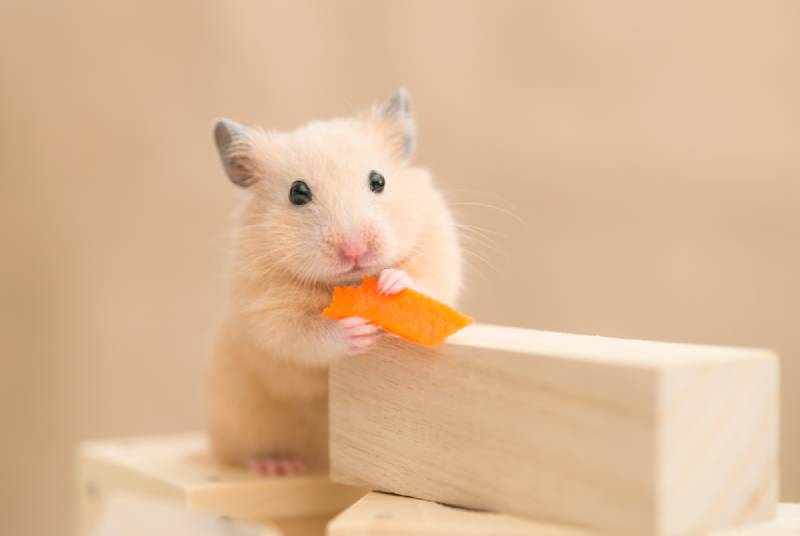
You and your hamster’s relationship will be built on trust, meaning once your hamster trusts you, you’ll form a bond for the duration of your furry friend’s life. Forming a bond will also quell any screams from your hamster, at least in the form of fear.
As we’ve stated, give your hamster time to acclimate. Once you feel your hamster is comfortable in their surroundings, try slowly placing your hand in the enclosure to see if they’ll come over and investigate. But only do this if your hamster is alert and awake; otherwise, a surprised hamster may bite (or scream!) out of fear. Don’t force it, though. If your hamster seems frightened, try enticing them with a healthy treat, and if that doesn’t work, give them more time.
Once your hamster seems comfortable with your hand in the enclosure, try to pick them up gently. Never pick them up by the tail; gently put your hand around the chest and stomach and lift. You can offer another small treat and let them eat while in your hand.
Final Thoughts
While hearing a hamster scream is rare, it can happen. Look for any obvious triggers and help your hamster as needed. If your hamster screams, we recommend taking them to the vet for an evaluation to ensure they’re not injured or in pain. If everything checks out, the scream is likely due to fear. Give your hamster time to adjust, and be patient with your new furry friend. In time, you and your hamster will form a special bond to last a lifetime.
Sources
Featured Image Credit: Simol1407, Shutterstock
Get Hepper In Your Inbox


Pet care tips from our vets and experts, straight to your inbox.
You may opt-out at any time. View our Privacy Policy for more information.

Rachel Giordano is a writer and musician out of Pensacola, Florida, living there with her partner and their two dogs, Aero, a Border Collie/Sheltie mix, and Sophie, a Boston Terrier. Rachel has a Bachelor of Arts degree in communication and enjoys writing about all types of animals. When Rachel’s not dedicating her time to writing about animals, she enjoys writing thriller/suspense novels. A writer by day and a musician by night, she's passionate about educating the public about the requirements and needs of all types of animals.
Join the conversation
Ask a question, share your story, or send private feedback.